Table of Contents
Cannabis Seed Germination Methods That Work
Cannabis cultivation begins with one of the most crucial phases in the plant’s lifecycle germination. Germination is the biological process where a seed breaks dormancy, absorbs moisture, and sprouts into a seedling. Ensuring successful germination is vital for healthy plant development, high yields, and overall success in both home and commercial cannabis growing. While cannabis seeds are genetically programmed to sprout under favorable conditions, applying effective germination methods dramatically increases success rates and reduces stress on young plants.
Understanding Cannabis Seed Germination
Cannabis seeds contain a fully formed but dormant embryo. Germination begins when the seed absorbs water through its shell a process known as imbibition which activates enzymes that kickstart metabolic activity. As hydration continues, the seed coat softens and eventually splits, allowing the embryonic root (taproot) to emerge. The radicle (first root) anchors the plant and begins absorbing nutrients, while the seedling pushes upward in search of light.
Ideal conditions for cannabis germination include:
- Temperature: 70–85°F (21–29°C)
- Humidity: 70–90%
- Darkness or low light: Mimics underground conditions
- Oxygen: Seeds need oxygen for cellular respiration
- Moisture: Moisture activates metabolic pathways and softens the seed coat
1. The Paper Towel Method
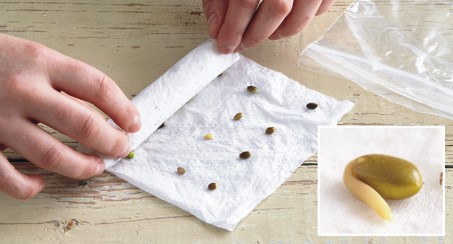
The paper towel method is one of the most widely used techniques due to its simplicity and high success rate. It allows the grower to monitor germination and easily detect problems early.
Steps
- Soak Seeds: Optional, but many growers soak the seeds in water for 12–24 hours to jumpstart hydration.
- Prepare Towels: Moisten two paper towels with distilled water until damp, not soaking.
- Sandwich Seeds: Place seeds between the towels.
- Seal in a Container: Put the towels in a plastic bag, plastic container, or between two plates to retain moisture.
- Store in a Warm, Dark Area: Maintain ~75–80°F.
- Check Daily: Seeds typically sprout within 1–5 days. Once the taproot emerges (¼ to ½ inch), they are ready for planting.
Pros
- High visibility during germination
- Inexpensive and accessible
- Easy to spot non-viable seeds
Cons
- Taproots are delicate and can be damaged during transplant
- Towels can dry out or become overly wet
- Risk of fungal contamination if too humid
2. Direct-to-Soil Method
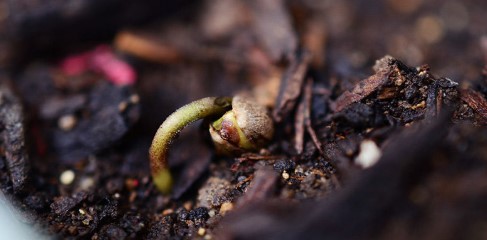
This method mimics nature by allowing the seed to germinate directly in its final or starter container. It avoids transplant shock but offers less control over the germination environment.
Steps
- Moisten Soil: Use lightly moistened soil—avoid overly wet substrate.
- Plant Seeds: Sow seeds about ¼ to ½ inch deep.
- Cover and Maintain Warmth: Use a humidity dome or cover with plastic wrap to retain moisture.
- Provide Gentle Heat and Light: Place under a grow light with moderate warmth.
Best Soil Type
- Good drainage and a light, airy seed-starting mix
- pH between 6.0 and 6.5
Pros
- No need to transplant seedlings
- Natural root development from the start
- Lower risk of taproot damage
Cons
- Harder to track germination progress
- Seed may rot if soil is too wet or cold
- Lower success rate with poor-quality soil
3. Water Soaking Method
This pre-germination technique involves suspending seeds in water for a short period to speed up moisture absorption. Seeds are then transferred to soil or paper towels.

Steps
- Use Room Temperature Water: Preferably distilled or filtered.
- Place Seeds in a Cup or Container: Let them float for 12–24 hours.
- Transfer to Growing Medium: Once seeds sink or a crack appears in the shell, move to soil, starter cubes, or towels.
Pros
- Rapid seed hydration
- Helps assess seed viability (non-viable seeds usually float)
- Simple to perform
Cons
- Seeds left in water too long may drown or rot
- Transplanting must be done with care
4. Starter Cubes and Plugs (e.g., Rockwool, Jiffy Pellets)
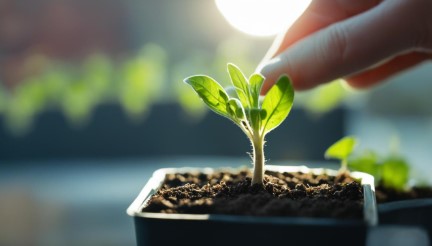
Ideal for hydroponic and soil growers alike, starter plugs offer a controlled environment with consistent moisture and air exchange. Brands like Rapid Rooter, Rockwool, or peat-based Jiffy Pellets are popular.
Steps
- Hydrate the Cubes: Soak plugs in water with a balanced pH (Rockwool requires pH 5.5–6.0).
- Insert Seeds: Place one seed about ¼ inch deep into each cube.
- Maintain Warmth and Humidity: Place in a germination tray with a dome and gentle heat (seedling heat mats help).
- Transplant When Ready: When roots emerge from the cube, transplant into soil or hydroponic systems.
Pros
- Sterile and consistent germination environment
- Easy transplanting with minimal root disturbance
- Excellent oxygen/water balance
Cons
- More expensive than soil or towels
- Some substrates (like Rockwool) are non-biodegradable and require pH adjustments
5. Germination Chambers and Propagation Kits
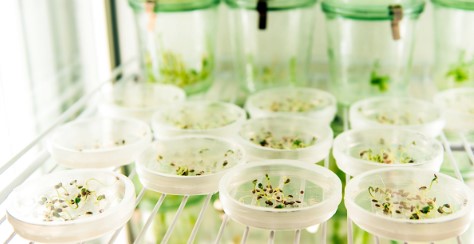
For serious or commercial growers, germination chambers provide automated humidity, temperature, and sometimes lighting. These are ideal for large-scale operations or for growers seeking precision.
Components
- Heat mat or built-in heating system
- Humidity dome or enclosed environment
- LED or CFL light (for seedlings post-germination)
- Plug trays or cubes
Pros
- Optimal control over microclimate
- High germination rate consistency
- Ideal for bulk germination
Cons
- Higher initial cost
- Requires more space and power
6. Cold Stratification (for Specialty Seeds)
Rarely used for common cannabis seeds, this method is for seeds with extremely hard shells or dormancy adaptations—more common in landrace varieties or wild cannabis types.
Steps
- Soak and Scarify: Scarify seeds lightly by rubbing them with sandpaper.
- Store in Cold, Moist Environment: Wrap in damp towel and place in fridge (~40°F) for 1–4 weeks.
- Germinate Using Another Method: After stratification, use towels, soil, or plugs.
Pros
- Helps with difficult-to-sprout or old seeds
- Mimics natural seasonal cycles
Cons
- Time-consuming
- Not necessary for most modern cannabis seeds
Common Germination Mistakes to Avoid
- Overwatering: Leads to rot or fungus. Always aim for moist, not wet.
- Cold Temperatures: Slows or stops germination. Use heat mats if needed.
- Old Seeds: Viability drops after a few years. Store in a cool, dry, dark place.
- Handling Taproots: Roots are fragile. Always transplant with care.
- Lack of Patience: Some seeds may take up to 10 days—do not discard too early.
Final Tips for Successful Germination
- Always start with high-quality, viable seeds from a reputable source.
- Monitor temperature and moisture closely.
- Sterilize all tools and containers to prevent fungal contamination.
- Label seeds if working with multiple strains.
- Track germination success rates to improve future efforts.
Conclusion
Mastering cannabis seed germination is the foundation of a successful grow. Whether you’re a first-time cultivator or a seasoned gardener, choosing the right method depends on your growing style, budget, and level of control you want. The paper towel, soil, and starter cube methods remain the most dependable and widely used among growers. Combining best practices with close monitoring ensures a strong start for your cannabis plants, setting the stage for healthy growth, vigorous vegetative development, and bountiful yields.
