
Introduction
Cannabis plants (Cannabis sativa) have a complex photoperiodic nature that dictates when they enter the flowering phase, a crucial aspect of their lifecycle. Photoperiodism refers to the physiological response today or night length. For cannabis, flowering is triggered by approximately 12 hours of uninterrupted darkness. This process is essential for both indoor and outdoor cultivation and is influenced by genetic, environmental, and hormonal factors. This article explores the biological mechanisms behind this response, its evolutionary advantages, and the practical implications for growers.
The Science of Photoperiodism in Cannabis
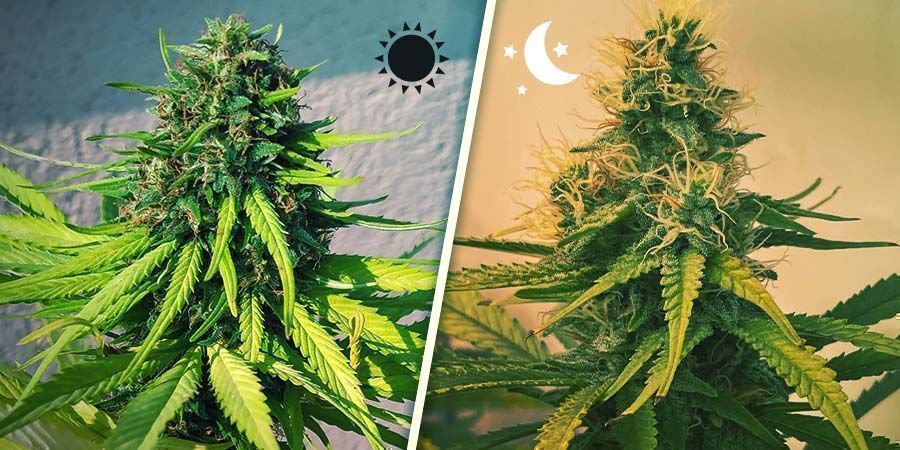
Photoperiodism in cannabis is a sophisticated biological process that determines when the plant transitions from vegetative growth to the flowering stage. This process is primarily governed by the plant’s response to the length of day and night, a characteristic that allows cannabis to synchronize its reproductive cycle with favorable environmental conditions. The science behind photoperiodism involves an intricate network of photoreceptors, circadian rhythms, and hormonal signals.
Photoreceptors and Phytochromes
At the core of photoperiodism are photoreceptors, specialized proteins in plants that detect light and initiate physiological responses. The key photoreceptors involved in the flowering process of cannabis are phytochromes, which are sensitive to red and far-red light.
Phytochrome Forms
Phytochromes exist in two interconvertible forms: Pr (phytochrome red) and Pfr (phytochrome far-red).
- Pr absorbs red light (around 660 nm) and is converted to Pfr.
- Pfr absorbs far-red light (around 730 nm) and is converted back to Pr.
During daylight, the equilibrium between these two forms favors Pfr due to the abundance of red light. However, in darkness, Pfr slowly reverts to Pr. The ratio of Pr to Pfr at the end of the night is a critical signal that influences the plant’s photoperiodic responses.
Mechanism of Action
In cannabis, the accumulation of Pr during long nights (approximately 12 hours of uninterrupted darkness) triggers the flowering process. This is because the plant’s internal biological clock, or circadian rhythm, interprets the buildup of Pr as an indication of the season’s progression towards autumn, signaling that it is time to reproduce before winter.
Circadian Rhythms and the Flowering Pathway
Circadian rhythms are endogenous, roughly 24-hour cycles in the physiological processes of living organisms, including plants. These rhythms are influenced by external cues such as light and temperature but are internally generated and maintained.
Molecular Basis of the Circadian Clock
The molecular basis of the circadian clock involves a feedback loop of gene expression. In cannabis, several key genes are involved in this process:
- CONSTANS (CO): This gene plays a central role in the regulation of flowering time. Its expression is regulated by the circadian clock.
- FLOWERING LOCUS T (FT): The FT protein, also known as florigen, is a crucial mobile signal that induces flowering. The production of FT is influenced by CO and is critical for the initiation of the flowering process.
- GIGANTEA (GI): This gene influences the stability and function of CO, thereby affecting the levels of FT.
Interaction with Photoperiod
Under short-day conditions (long nights), the expression of these genes is modulated in such a way that florigen is produced and transported from the leaves to the shoot apical meristem, where it initiates the development of flowers. This interaction between the circadian clock and photoperiodic signals ensures that cannabis plants flower at the appropriate time of year.
Hormonal Regulation
Plant hormones, or phytohormones, play essential roles in regulating the flowering process. In cannabis, several hormones interact to facilitate this transition:
- Gibberellins (GAs): These growth hormones promote flowering in many plant species, including cannabis. They interact with photoperiodic signals to induce flowering.
- Auxins: These hormones regulate various aspects of plant growth and development, including the distribution of florigen and other flowering signals.
- Cytokinins: These hormones promote cell division and differentiation, supporting the flowering process.
- Ethylene: Although typically associated with fruit ripening and senescence, ethylene also affects flowering timing in some plant species.
- Abscisic Acid (ABA): This hormone generally inhibits growth and promotes stress responses. Its levels often rise during periods of drought or cold, which can delay flowering.
Evolutionary and Ecological Significance
The photoperiodic nature of cannabis is not just a fascinating biological trait but also a key evolutionary adaptation that has significant ecological implications. Understanding why cannabis plants flower under 12 hours of light requires examining the evolutionary advantages conferred by this trait and its role in the plant’s life cycle, reproductive strategies, and geographic distribution.
Adaptation to Environmental Conditions
Origin and Natural Habitat
Cannabis originated in the temperate regions of Central Asia, where distinct seasonal changes occur. In these regions, the length of day and night varies significantly throughout the year, providing a reliable environmental cue for plants to time their life cycles. The ability of cannabis to respond to changes in day length allows it to optimize its growth and reproduction in sync with seasonal changes.
Timing of Reproduction
By flowering in response to shorter days and longer nights, cannabis ensures that its reproductive phase coincides with favorable environmental conditions. Flowering and seed production typically occur in late summer and early fall, just before the onset of winter. This timing ensures that seeds mature and are dispersed when conditions are still suitable for survival and germination in the following spring. This strategy maximizes the chances of seedling establishment and growth during the next growing season.
Reproductive Strategy and Competition
Temporal Separation
Photoperiodism helps cannabis plants avoid competition for resources by ensuring that they flower at a specific time of year. This temporal separation reduces competition with other plant species that may flower under different photoperiods or environmental cues. By synchronizing flowering with shorter days, cannabis can exploit a niche that other species may not be occupying at the same time, thus reducing competition for pollinators and other resources.
Pollination Efficiency
The timing of flowering also influences pollination efficiency. In many cannabis-growing regions, the natural pollinators, such as wind or insects, are more active during specific times of the year. By flowering when these pollinators are most active, cannabis increases the likelihood of successful pollination and subsequent seed production. This synchronization with pollinator activity enhances reproductive success and genetic diversity within the population.
Geographic Variation in Photoperiodic Response
Indica and Sativa Strains
The genetic diversity of cannabis has led to variations in photoperiodic responses among different strains. Indica strains, which are native to higher altitudes and regions with shorter growing seasons, tend to flower earlier and under shorter photoperiods. This adaptation allows them to complete their life cycle before the harsh conditions of winter set in.
In contrast, sativa strains, which evolved in equatorial regions with more consistent day lengths throughout the year, may have a less stringent photoperiodic requirement. These strains can take advantage of the longer growing seasons and consistent environmental conditions to grow taller and produce more biomass before flowering.
Ruderalis and Autoflowering Traits
Cannabis ruderalis, a subspecies native to regions with extreme environmental conditions and short growing seasons, has evolved to flower based on age rather than photoperiod. This trait, known as autoflowering, allows ruderalis to complete its life cycle quickly, regardless of day length. Autoflowering genetics have been incorporated into commercial cannabis breeding programs to create strains that do not rely on photoperiod to initiate flowering, providing growers with more flexibility in cultivation.
Ecological Interactions and Adaptations
Seasonal Changes and Photoperiodism
Seasonal changes in temperature, light, and moisture availability are critical factors influencing plant life cycles. Photoperiodism allows cannabis to use the predictable changes in day length as a reliable indicator of seasonal progression. This ability to anticipate seasonal changes and adjust growth and reproductive phases accordingly is a significant evolutionary advantage that enhances the plant’s survival and reproductive success.
Stress Response and Adaptation
Environmental stresses, such as drought, temperature extremes, and nutrient availability, also play a role in the evolution of photoperiodic responses. Cannabis plants that can time their flowering to avoid periods of environmental stress are more likely to survive and reproduce. For example, by flowering before the onset of winter or during the end of a dry season, cannabis can ensure that its seeds are produced under less stressful conditions, increasing the chances of seedling survival.
Practical Implications for Cannabis Cultivation
Understanding the photoperiodic nature of cannabis is crucial for optimizing its cultivation. Whether grown indoors or outdoors, knowledge of how cannabis responds to light cycles can significantly impact plant health, yield, and overall quality. This section explores the practical implications of photoperiodism for cannabis cultivation, including strategies for both indoor and outdoor growing, light intensity and quality considerations, and the benefits of using autoflowering strains.
Indoor vs. Outdoor Cultivation
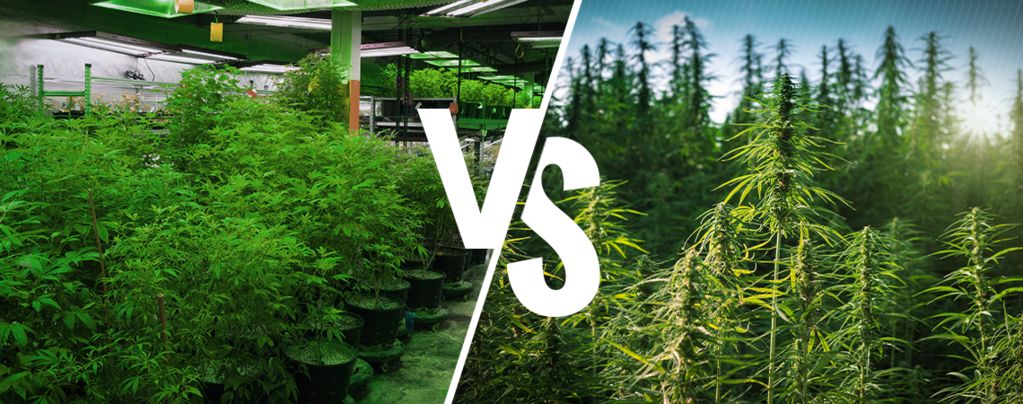
Outdoor Cultivation
For outdoor cannabis growers, photoperiodism plays a pivotal role in determining planting and harvesting times. The natural changes in day length throughout the year dictate the growth and flowering phases of the plant.
- Planting Time: In temperate regions, cannabis is typically planted in the spring when daylight hours are increasing. This allows the plants to undergo a prolonged vegetative growth phase, building up strength and size before the days begin to shorten.
- Flowering Trigger: As summer transitions to fall and daylight hours decrease, the reduction to approximately 12 hours of light and 12 hours of darkness signals the plants to enter the flowering stage. This natural trigger ensures that flowering and seed production occur before the onset of winter.
- Harvesting: The timing of the harvest is crucial. Growers must monitor the plants closely to harvest at peak ripeness, which usually occurs a few weeks after the plants begin to flower. Harvesting too early or too late can significantly affect the potency and yield of the crop.
Indoor Cultivation
Indoor cultivation offers growers complete control over the light cycle, allowing them to manipulate the growth and flowering stages of cannabis plants to their advantage.
- Vegetative Stage: During the vegetative stage, indoor growers typically provide 18-24 hours of light per day. This extended light period encourages rapid growth and development, allowing the plants to reach their full potential before flowering.
- Flowering Stage: To induce flowering, growers switch to a light cycle of 12 hours of light and 12 hours of uninterrupted darkness. This mimics the natural reduction in daylight hours and triggers the flowering process.
- Cycle Control: Indoor growers can optimize their production by carefully timing the light cycles to achieve multiple harvests per year. This flexibility allows for greater yield and the ability to meet market demands continuously.
Light Intensity and Quality
In addition to the duration of light and dark periods, the intensity and quality of light are critical factors influencing cannabis growth and flowering.
Light Intensity
- Photosynthetically Active Radiation (PAR): Cannabis plants thrive under high-intensity light that falls within the PAR spectrum (400-700 nm). Adequate light intensity ensures robust vegetative growth and dense, resinous buds during flowering.
- Light Distance: Maintaining the proper distance between light sources and the plant canopy is essential to prevent light burn or inadequate light exposure. Growers should adjust light fixtures as plants grow to ensure consistent light distribution.
Light Quality
- Full-Spectrum Lighting: Full-spectrum lights that mimic natural sunlight, including both red and blue wavelengths, are ideal for cannabis cultivation. Blue light (400-500 nm) is particularly beneficial during the vegetative stage, promoting healthy foliage and compact growth. Red light (620-750 nm) is essential during the flowering stage, enhancing bud development and yield.
- Supplemental Lighting: In regions with less optimal light conditions, supplemental lighting can be used to extend the photoperiod during the vegetative stage or to enhance light intensity during flowering. LED grow lights are especially effective, as they can be tailored to provide specific wavelengths that promote vegetative growth or flowering.
Autoflowering Strains
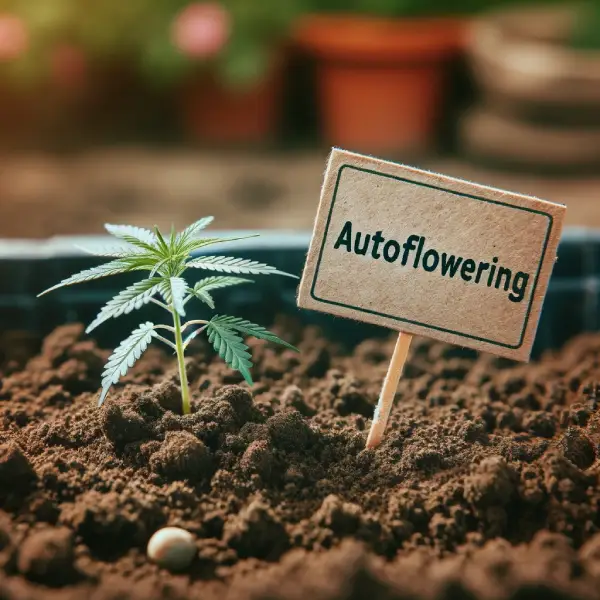
Autoflowering cannabis strains, derived from Cannabis ruderalis, have revolutionized cannabis cultivation by flowering based on age rather than photoperiod. These strains offer several advantages:
- Simplicity: Autoflowering strains do not require strict light management, making them ideal for novice growers or those with limited cultivation experience.
- Speed: Autoflowering strains typically begin flowering 2-4 weeks after germination, regardless of the light cycle. This rapid lifecycle allows for multiple harvests within a single growing season.
- Size: Autoflowering plants are generally smaller and more compact than photoperiod-dependent strains, making them suitable for indoor cultivation or limited space.
- Resilience: Autoflowering strains often exhibit greater resilience to environmental stresses, such as temperature fluctuations and pests, due to their ruderalis heritage.
Advanced Techniques in Photoperiod Management
Light Deprivation (Light Dep)
Light deprivation techniques, often referred to as “light dep,” involve manually reducing the amount of light plants receive to simulate shorter days and trigger flowering. This method is particularly useful for outdoor growers who wish to control the flowering time and achieve multiple harvests within a single growing season.
- Light-Proof Tarps: Growers use light-proof tarps to cover the plants, creating a controlled dark period. By manipulating the light cycle in this way, growers can induce flowering at will.
- Consistency: Maintaining a consistent light deprivation schedule is crucial to avoid stressing the plants, which can lead to hermaphroditism or reduced yield.
Supplemental Lighting
In regions with less optimal light conditions, supplemental lighting can be used to extend the photoperiod during the vegetative stage or to enhance light intensity during flowering. LED grow lights are particularly effective as they can be tailored to provide specific wavelengths that promote vegetative growth or flowering.
- LED Grow Lights: LEDs offer the advantage of energy efficiency and precise control over light spectra. They can be adjusted to provide the optimal wavelengths for each stage of growth, from vegetative to flowering.
- Hybrid Systems: Some growers use hybrid systems that combine natural sunlight with supplemental artificial lighting. This approach ensures consistent light quality and intensity, even during periods of low natural light.
Photoperiod Manipulation for Breeding
Breeders often manipulate photoperiods to induce flowering and facilitate controlled pollination. By carefully managing the light cycles, breeders can synchronize flowering times between different strains, allowing for precise cross-pollination and the creation of new hybrids.
- Controlled Pollination: By inducing flowering at specific times, breeders can control when and which plants pollinate each other. This control is essential for developing new strains with desired traits, such as improved potency, flavor, or resistance to pests and diseases.
- Genetic Diversity: Photoperiod manipulation allows breeders to explore the genetic diversity of cannabis by crossing different strains and selecting offspring with favorable characteristics.
Challenges and Considerations
Stress and Photoperiod Sensitivity
Cannabis plants can be sensitive to changes in the light cycle, and any interruptions during the dark period can stress the plants, leading to issues like hermaphroditism (development of both male and female flowers) or reduced yield. Consistency in the light schedule is crucial to prevent these problems.
- Light Leaks: Even small amounts of light during the dark period can disrupt the flowering process. Growers must ensure that their grow rooms or greenhouses are completely light-proof during the dark cycle.
- Stress Factors: Other stress factors, such as temperature fluctuations, nutrient imbalances, or pest infestations, can also affect the plant’s response to photoperiod and overall health.
Environmental Factors
While photoperiod is a primary factor in inducing flowering, other environmental factors such as temperature, humidity, and nutrient availability also play significant roles.
- Temperature: Cannabis plants prefer a specific temperature range for optimal growth. Cooler night temperatures can enhance the expression of certain pigments, leading to colorful buds, while excessive heat can inhibit flowering and reduce yield.
- Humidity: Maintaining the right humidity levels is crucial to prevent mold and mildew during the flowering stage. High humidity can also impact resin production and bud quality.
- Nutrient Management: Providing the appropriate nutrients at each stage of growth is essential for healthy development. Flowering plants have different nutrient requirements than vegetative plants, and adjusting the feeding regimen accordingly can enhance yield and potency.
Legal and Regulatory Aspects
In many regions, cannabis cultivation is subject to strict regulations regarding light pollution and energy usage. Growers must ensure that their lighting setups comply with local laws to avoid legal issues and minimize environmental impact.
- Light Pollution: In urban or suburban areas, light pollution from grow lights can be a concern. Growers should use light-proofing techniques to prevent light from escaping their grow facilities and disturbing neighbors.
- Energy Efficiency: High-intensity grow lights can consume significant amounts of electricity. Using energy-efficient lighting options, such as LEDs, and implementing sustainable practices can reduce energy consumption and lower operating costs.
Conclusion
The ability of cannabis plants to flower under 12 hours of light is a testament to the intricate interplay between genetics, environment, and plant physiology. This photoperiodic response, deeply embedded in the plant’s biology, is crucial for synchronizing the life cycle of cannabis with seasonal changes, ensuring optimal growth and reproductive success.
Understanding the science of photoperiodism in cannabis reveals the roles of photoreceptors, phytochromes, circadian rhythms, and hormonal regulation. These mechanisms allow cannabis to accurately measure day length and trigger flowering at the appropriate time, an evolutionary adaptation that enhances the plant’s survival and reproductive efficiency. This adaptation is particularly beneficial in temperate regions, where the ability to flower before winter ensures that seeds mature and are dispersed under favorable conditions.
The evolutionary and ecological significance of photoperiodism extends beyond individual plant survival. By flowering in response to day length, cannabis plants can avoid competition with other species, optimize pollination efficiency, and adapt to a wide range of environmental conditions. The genetic diversity of cannabis, reflected in the varying photoperiodic responses among different strains, further underscores the plant’s adaptability and resilience.
For cultivators, both indoor and outdoor, mastering the photoperiodic requirements of cannabis is essential for optimizing growth, yield, and quality. Outdoor growers must align their planting and harvesting schedules with natural changes in day length, while indoor growers can manipulate light cycles to induce flowering at will. This control over the light cycle allows for multiple harvests per year, enhancing productivity and profitability.
Advances in breeding and cultivation techniques, such as the development of autoflowering strains and the use of light deprivation methods, provide additional tools for growers. These innovations allow for greater flexibility in cultivation, enabling growers to meet the diverse needs of the cannabis market.
However, successful cultivation also requires careful attention to environmental factors such as temperature, humidity, and nutrient availability, as well as adherence to legal and regulatory guidelines. Consistency in the light schedule and the prevention of stress factors are critical to ensuring healthy plant development and maximizing yield.
In conclusion, the photoperiodic nature of cannabis is a fundamental aspect of its biology that has profound implications for its cultivation and breeding. By delving into the science behind photoperiodism, we gain valuable insights into the plant’s growth and reproductive strategies, enabling us to cultivate cannabis more effectively and sustainably. This understanding not only enhances our appreciation of cannabis as a species but also drives innovation and efficiency in cultivation practices, paving the way for a thriving and dynamic cannabis industry.
