Table of Contents
What Is Cannabis Cloning?
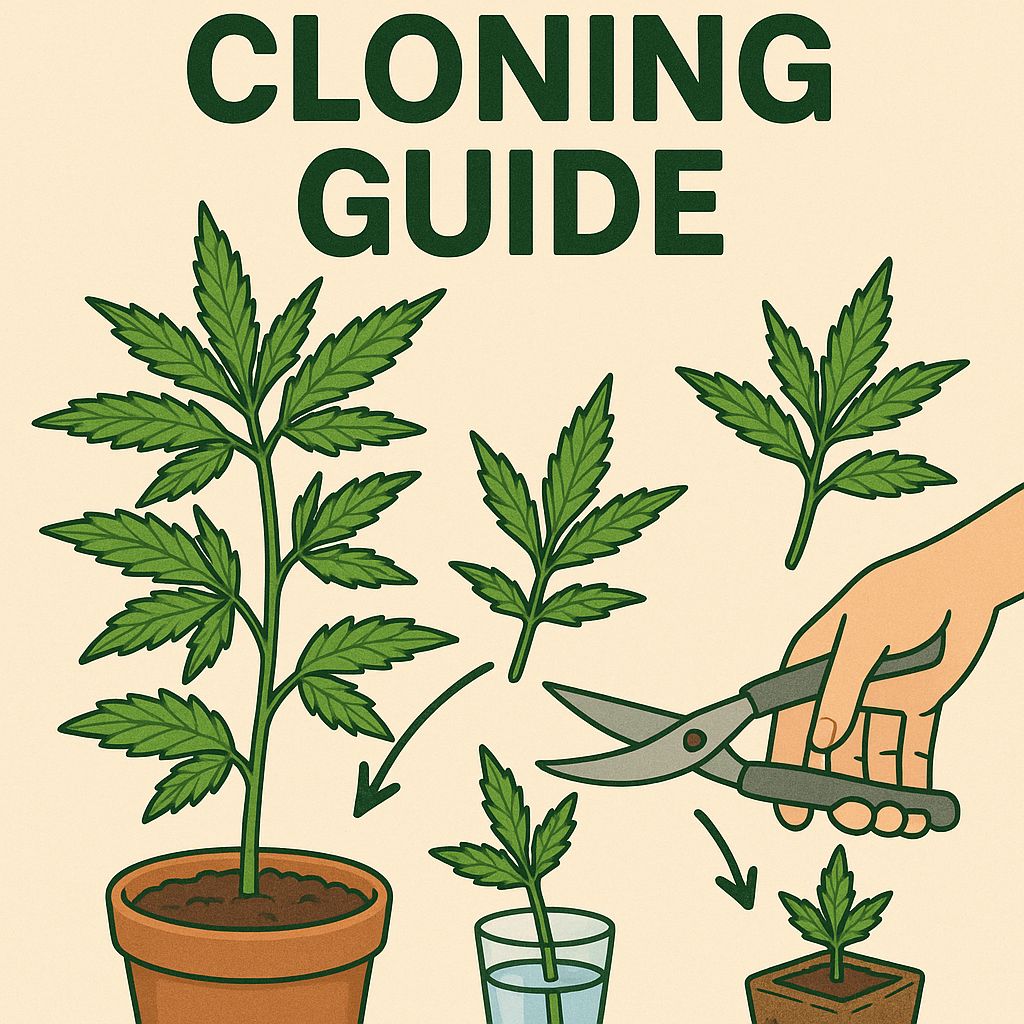
When I first started experimenting with cannabis cloning, I was fascinated by the idea of creating exact genetic copies of my favorite plants. In simple terms, cloning is taking cannabis cuttings from a living mother plant and encouraging them to grow roots. Each cutting develops into a plant that is genetically identical to its source.
Cloning is one option within a much wider range of cannabis growing approaches, and understanding how propagation fits into the larger picture helps clarify when cloning makes the most sense.
Unlike growing from seed, which introduces variation even within the same strain, cloning marijuana plants provides consistency. If a particular plant has strong resistance to pests, dense buds, or a terpene profile I love, cloning allows me to replicate those qualities over and over.
Why I Prefer Cloning Over Seeds
Growing cannabis from seed has advantages, especially when I want to explore new strains. But once I discover a keeper, cannabis cloning becomes my strategy for stability and efficiency.
- Consistency in harvests: Every plant carries the same genetics.
- Predictable growth patterns: Perfect for SOG or ScrOG setups.
- Time savings: Skipping the germination stage means I get into the vegetative stage faster.
- Reliability: If the mother plant was healthy, the clones will generally perform just as well.
In my grow room, I always keep a few seed runs going for new genetics, but my staple strains live on through clones.
Can Feminized Seeds Be Cloned?
Yes — and I do this often. Starting with feminized seeds ensures I’m working with guaranteed female plants. Once a plant demonstrates strong growth, I select it as my mother plant and begin taking cannabis cuttings.
This way, I don’t waste resources on male plants, and I can produce an endless supply of identical females with reliable yields. Feminized seeds provide the foundation; cloning marijuana plants from them guarantees consistency.
Selecting the Perfect Mother Plant
Female or Male?
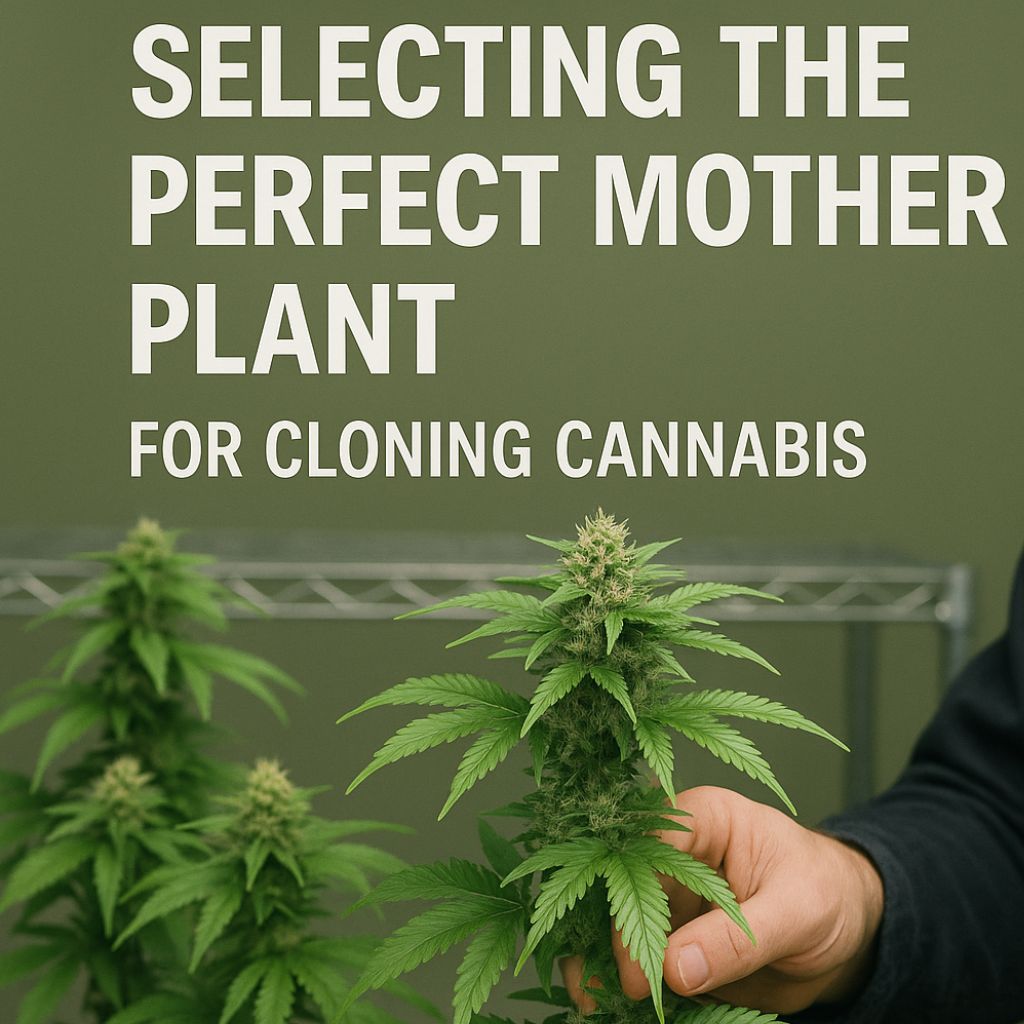
Cloning a male makes little sense for flower production. Since I’m after big, resin-packed buds, I always work with a female mother plant. Male plants are only useful if I’m intentionally breeding.
Age and Stage
The best time to take cuttings is when the mother is between four weeks and three months old and firmly in the vegetative stage. At this point, stems are flexible but strong, and they root more easily than older, woody branches.
Preparing the Mother Plant
I’ve found that proper preparation of the mother plant improves cloning success dramatically.
- Nutrients: A week before cloning, I reduce nitrogen-heavy feedings. This shifts energy toward root development instead of leafy growth.
- Health check: I scan for pests, mildew, or discoloration. Healthy mothers make healthy clones.
- Hydration: I water the day before taking cuttings so the stems are full of moisture.
By giving my mother plant this prep, I improve rooting speed and reduce failure rates.
Taking Cannabis Cuttings
When I cut from the mother plant, I focus on lower branches. These areas produce the strongest clones with thicker stems.
- Stem size: 1/8 to 1/4 inch thick.
- Nodes: At least three present.
- Cutting angle: Always 45 degrees with a sterilized blade.
- Length: 5–8 inches works best.
Immediately after cutting, I place the branch into water. This prevents air bubbles, which can block nutrient uptake. I also trim away lower leaves to reduce stress on the new clone.
Rooting Methods I Use
Rooting in Water
When I was just starting, I placed my cuttings into cups of clean water. Roots usually began forming in a week, and by two weeks they were ready for soil. This method works, but I find it less reliable than rooting gels and mediums.
Rooting With Gel and Mediums
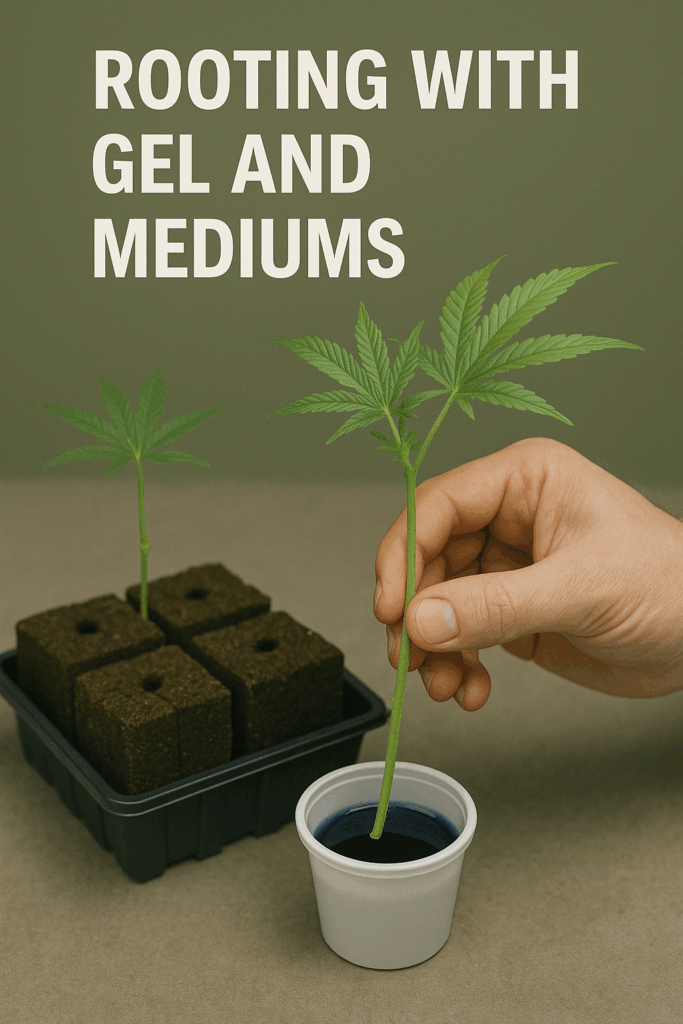
Today, my go-to method uses rooting gel and a medium such as rockwool cubes or soil.
Steps:
- Dip the cutting into rooting gel or powder.
- Place it gently into the medium.
- Mist leaves and cover with a humidity dome.
- Maintain high humidity and gentle airflow.
This technique gives me a much higher cloning success rate than water alone.
Creating the Ideal Clone Environment
Over time, I’ve learned that environmental conditions make or break cannabis propagation:
- Humidity: 70–80% keeps cuttings hydrated.
- Light: 18/6 cycle with low-intensity lighting.
- Temperature: Around 28°C (82°F).
- Airflow: Gentle circulation to prevent mold.
I also keep clones separate from flowering plants to avoid cross-contamination of pests and to control light schedules more easily.
Transplanting Clones Successfully
Once the roots are 2–3 inches long, I transplant clones into soil, coco, or hydro. Even though the cutting is technically the same age as the mother, I treat it like a young seedling.
I avoid rushing clones into flower. Instead, I give them 3–4 weeks in the vegetative stage to bulk up. This guarantees that when flowering starts, the plant has the size and strength to produce a healthy yield.
Maintaining a Permanent Mother Plant
When I discover a strain I want to preserve long-term, I keep one dedicated mother in perpetual vegetative growth. This requires:
- Regular pruning.
- Proper nutrition with balanced nitrogen.
- Space management, since mothers can become huge.
Alternatively, I rotate mothers by designating new clones as the next donor plants. Both methods work, but a permanent mother guarantees unlimited cuttings of the same genetics.
Common Challenges With Cloning Marijuana Plants
Autoflowers Can’t Be Cloned Effectively
Because autoflowers bloom based on age, not light cycle, clones simply inherit the same timer. They end up flowering too early and yield very little.
Environmental Stress
Too much heat, too little humidity, or poor airflow are the top killers of clones. That’s why I always use humidity domes and closely monitor conditions.
Expecting Identical Results
Even though clones share genetics, factors like soil pH, light intensity, and curing methods still affect the final product. My detailed grow journals help me replicate conditions and maintain consistency.
Tips for Improving Cloning Success
Here are strategies that have worked for me:
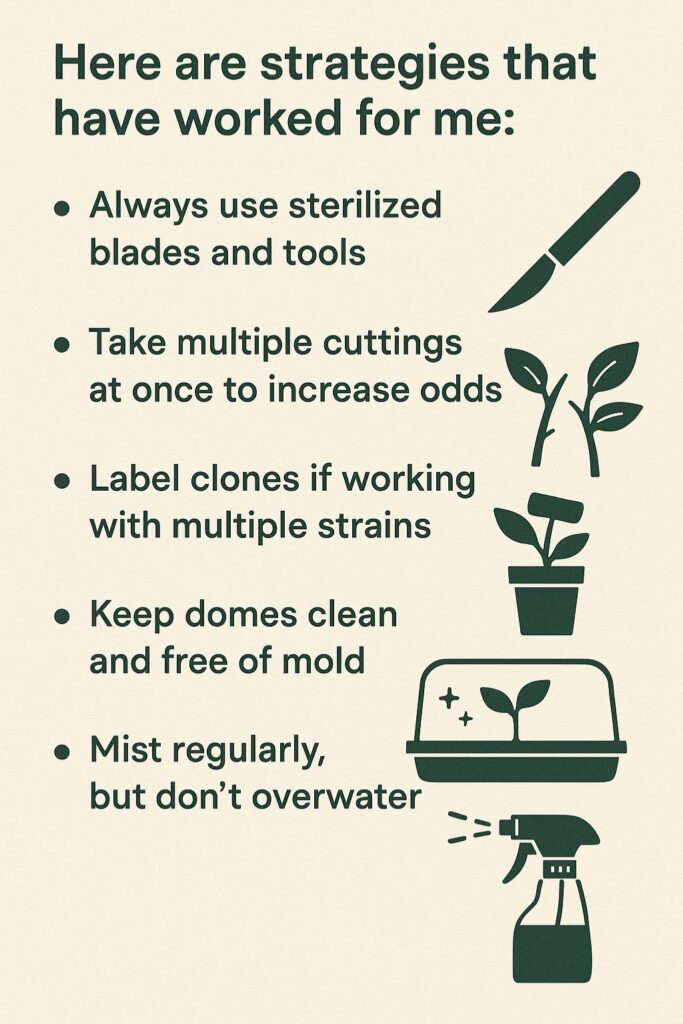
- Always use sterilized blades and tools.
- Take multiple cuttings at once to increase odds.
- Label clones if working with multiple strains.
- Keep domes clean and free of mold.
- Mist regularly, but don’t overwater.
Cloning cannabis isn’t just a science — it’s an art. Over time, I’ve developed a feel for which cuttings root best, and that intuition only comes with practice.
Final Thoughts on Cannabis Propagation
Cannabis cloning has completely changed how I grow. Instead of relying on new seeds every cycle, I can preserve my favorite strains indefinitely. From preparing the mother plant to mastering humidity and transplanting, each step requires patience, but the payoff is worth it.
Every time I see a tiny cutting grow into a thriving, flowering plant, I’m reminded of why I love this process. Cloning marijuana plants allows me to carry forward genetics that might otherwise be lost, ensuring that my grow room always produces the flavors, aromas, and effects I know and trust.
Author Section
Written by Sierra Langston – Cultivator, writer, and cannabis enthusiast sharing real-world growing experience to help fellow growers succeed.
