Table of Contents
Living With Multiple Sclerosis and Exploring Cannabis
When I first started speaking with patients and growers dealing with multiple sclerosis, one thing became clear: the disease is relentless. Multiple sclerosis (MS) is a chronic condition that eats away at the central nervous system, causing inflammation, muscle weakness, and a steady loss of coordination. For many, it feels like the body is betraying itself.
Over the years, I have observed how medical marijuana has carved out a role in managing these symptoms. People aren’t chasing a high—they’re searching for a little freedom from stiffness, pain, and fatigue. And as someone who has cultivated cannabis and watched it make a difference for people living with MS, I can attest that this plant has real therapeutic potential worth exploring.
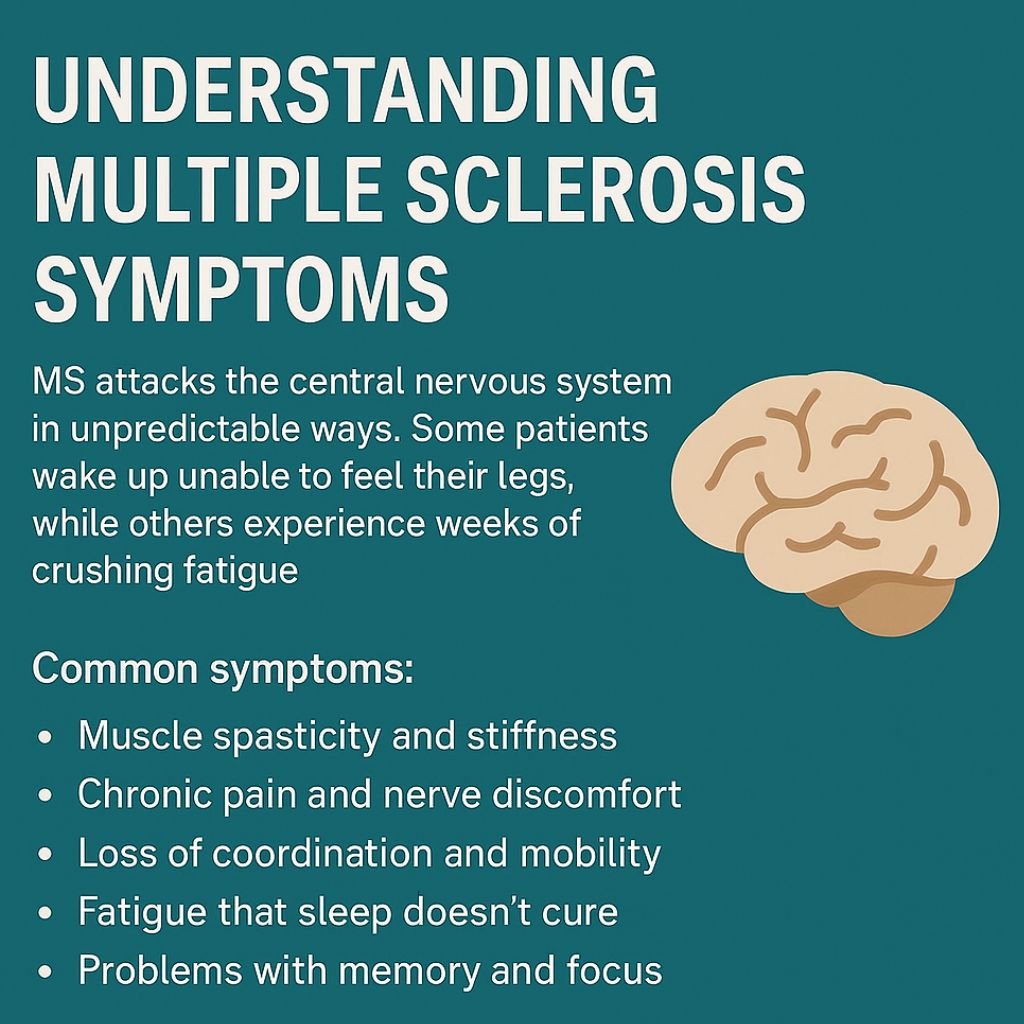
Understanding Multiple Sclerosis Symptoms
MS attacks the central nervous system in unpredictable ways. Some patients wake up unable to feel their legs, while others experience weeks of crushing fatigue. Common symptoms include:
- Muscle spasticity and stiffness
- Chronic pain and nerve discomfort
- Loss of coordination and mobility
- Fatigue that sleep doesn’t cure
- Problems with memory and focus
Traditional medicine provides some relief, but side effects often leave patients frustrated. This is where cannabis has stepped in for many people seeking balance.
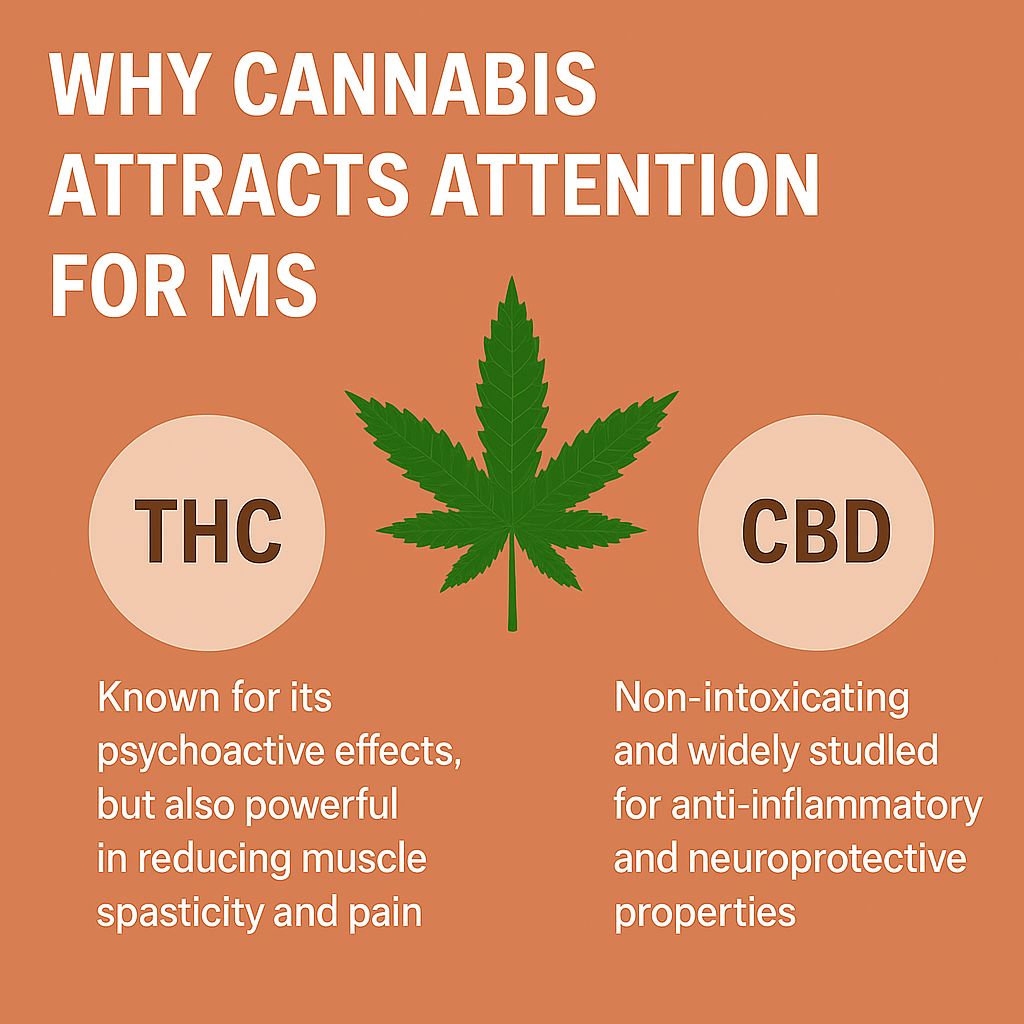
Why Cannabis Attracts Attention for MS
From the grower’s perspective, cannabis is a versatile medicine. Different strains carry unique profiles of cannabinoids and terpenes, and when carefully cultivated, they can target very specific symptoms. For MS patients, two compounds stand out:
- THC (tetrahydrocannabinol): Known for its psychoactive effects, but also powerful in reducing muscle spasticity and pain.
- CBD (cannabidiol): Non-intoxicating and widely studied for anti-inflammatory and neuroprotective properties.
When used in the right ratio, THC and CBD can complement each other, easing spasticity, calming inflammation, and even improving sleep quality.
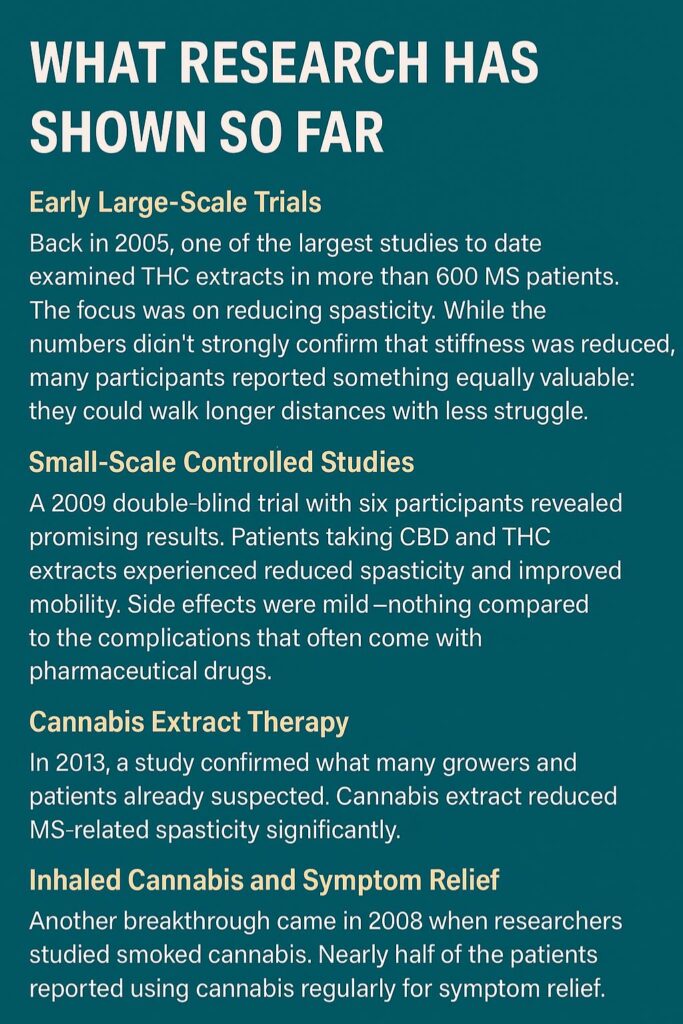
What Research Has Shown So Far
Early Large-Scale Trials
Back in 2005, one of the largest studies to date examined THC extracts in more than 600 MS patients. The focus was on reducing spasticity. While the numbers didn’t strongly confirm that stiffness was reduced, many participants reported something equally valuable: they could walk longer distances with less struggle.
Small-Scale Controlled Studies
A 2009 double-blind trial with six participants revealed promising results. Patients taking CBD and THC extracts experienced reduced spasticity and improved mobility. Side effects were mild—nothing compared to the complications that often come with pharmaceutical drugs.
Cannabis Extract Therapy
In 2013, a study confirmed what many growers and patients already suspected. Cannabis extract reduced MS-related spasticity significantly. On top of that, participants reported better sleep patterns and noticeable pain relief.
Inhaled Cannabis and Symptom Relief
Another breakthrough came in 2008 when researchers studied smoked cannabis. Nearly half of the patients reported using cannabis regularly for symptom relief. Those who inhaled the flower noted reduced pain and less muscle stiffness. From my perspective, this matches what I’ve seen in real grower-to-patient relationships—smoked or vaporized cannabis often provides the fastest relief.
Cognitive Concerns in 2014
Not all studies leaned positive. In 2014, research showed MS patients who smoked cannabis regularly scored lower on cognitive function tests and displayed unusual brain activity compared to non-users. This raised concerns about how cannabis interacts with a brain already under attack by MS. It didn’t discredit cannabis entirely but emphasized the importance of careful dosing and strain selection.
Hands-On Cultivation and Symptom Targeting
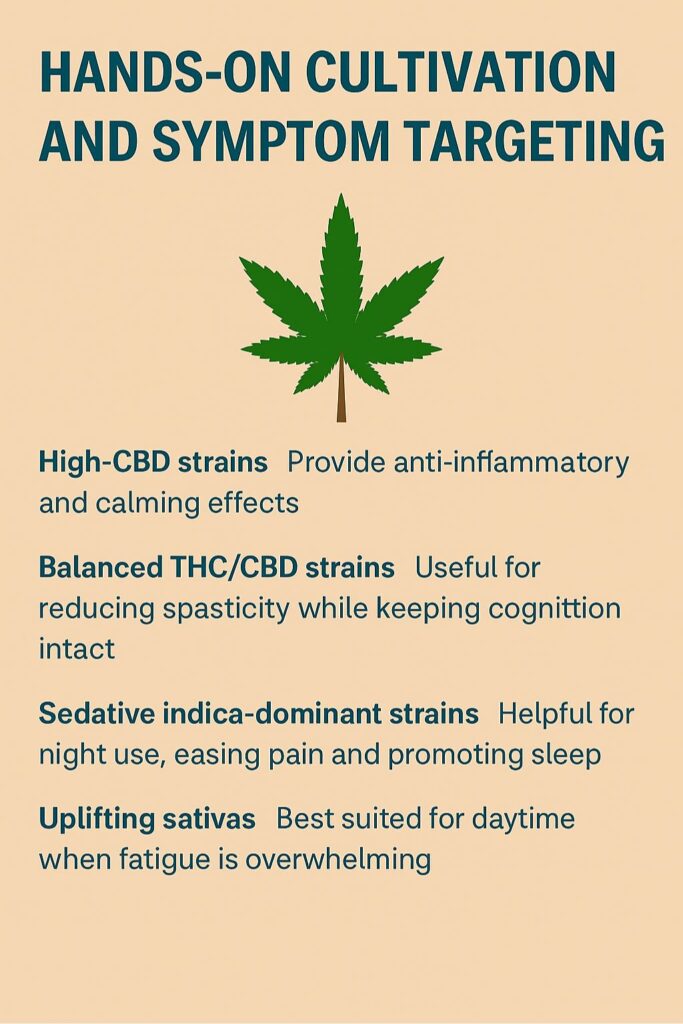
As a cultivator, I’ve learned how strain choice shapes the experience. MS patients aren’t always looking for the highest THC content. They need balance. Here are some strain categories that often come up in real-world use:
- High-CBD strains: Provide anti-inflammatory and calming effects without mental cloudiness.
- Balanced THC/CBD strains: Useful for reducing spasticity while keeping cognition intact.
- Sedative indica-dominant strains: Helpful for night use, easing pain and promoting sleep.
- Uplifting sativas: Best suited for daytime when fatigue is overwhelming.
Patients often experiment under guidance until they find the sweet spot—sometimes a strain that’s too strong in THC makes mobility worse, while a balanced strain can restore independence.
Methods of Consumption for MS Patients
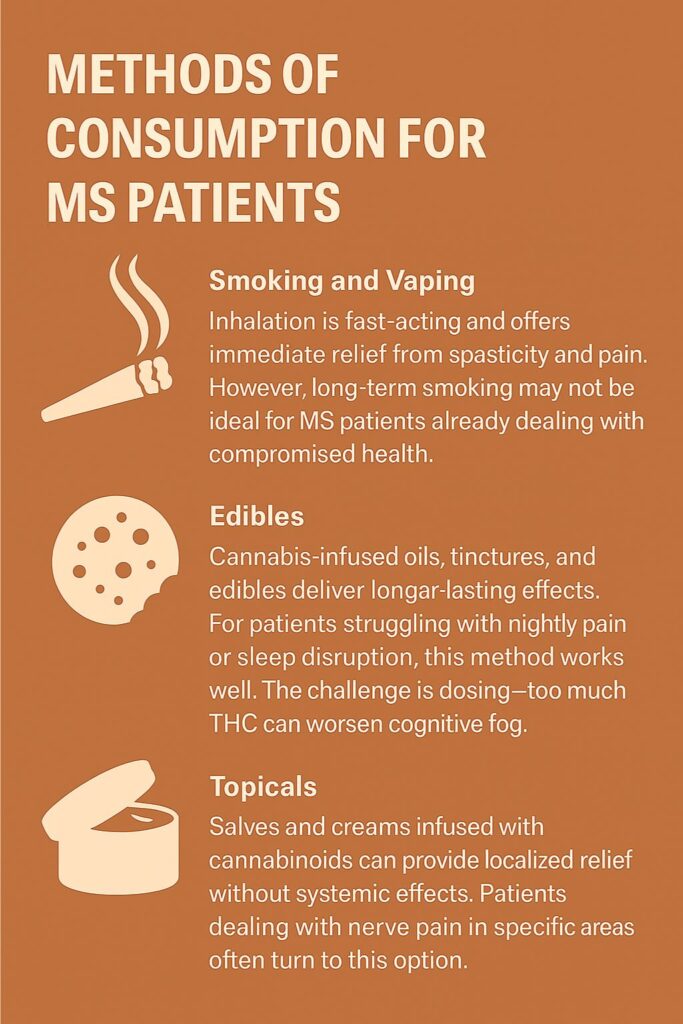
Smoking and Vaping
Inhalation is fast-acting and offers immediate relief from spasticity and pain. However, long-term smoking may not be ideal for MS patients already dealing with compromised health. Vaporizers provide a cleaner alternative.
Edibles
Cannabis-infused oils, tinctures, and edibles deliver longer-lasting effects. For patients struggling with nightly pain or sleep disruption, this method works well. The challenge is dosing—too much THC can worsen cognitive fog.
Topicals
Salves and creams infused with cannabinoids can provide localized relief without systemic effects. Patients dealing with nerve pain in specific areas often turn to this option.
The Balance Between Promise and Caution
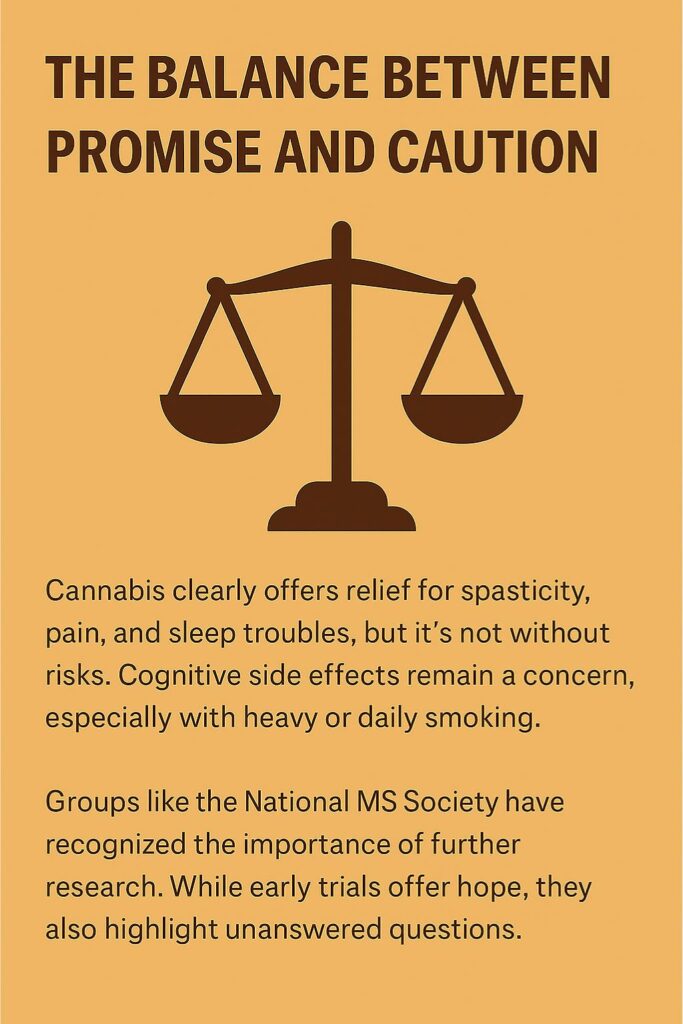
What strikes me after years of cultivation and listening to MS patients is the balancing act. Cannabis clearly offers relief for spasticity, pain, and sleep troubles, but it’s not without risks. Cognitive side effects remain a concern, especially with heavy or daily smoking.
The key lies in thoughtful use—low and slow dosing, experimenting with cannabinoid ratios, and being mindful of how different delivery methods affect the body.
The Need for Ongoing Research
Groups like the National MS Society have recognized the importance of further research. While early trials offer hope, they also highlight unanswered questions. Can cannabis protect neurons long term? Which cannabinoid ratios work best for different stages of MS? And how can patients access safe, standardized medicine rather than relying on trial and error?
Until those answers come, cultivators and patients will continue learning together, one grow and one harvest at a time.
A Grower’s Closing Thoughts
For me, cannabis is more than a crop. It’s a lifeline for people who feel trapped in their own bodies. Watching MS patients regain the ability to walk a little farther, sleep through the night, or simply find relief from constant pain—that’s what makes the hard work of cultivation worthwhile.
Cannabis is not a cure for multiple sclerosis, but it is a tool. And like any tool, its effectiveness depends on how carefully and responsibly it is used. With more research and open dialogue, I believe cannabis will play an even larger role in helping people reclaim their quality of life.
