Cannabis in Early Western Medicine: A Comprehensive Historical Exploration of Medical Use
Cannabis has a profound and complex history, with its therapeutic use in medicine spanning thousands of years. Its introduction into early Western medicine is particularly intriguing as it highlights a period when this plant was widely accepted as a valuable therapeutic agent before it faced eventual decline. This detailed 5000-word page will trace the entry of cannabis into Western medicine, its applications, the major medical conditions it treated, and its eventual decline in popularity. The narrative will emphasize cannabis as a medical remedy, with no mention of recreational use or consumption methods.
The Roots of Cannabis in Medicine: A Global Perspective
Ancient Roots in Eastern Medicine
Cannabis has an ancient and storied history as a medicinal plant, with its earliest documented use occurring thousands of years ago in Eastern medicine. Historical accounts suggest that medical cannabis was used by prehistoric societies in China and India. In Chinese medicine, cannabis is first noted in the texts of Emperor Shen Nung around 2737 BCE. These texts described cannabis as a treatment for a variety of ailments, including rheumatism, gout, and malaria. The “father of Chinese medicine,” Shen Nung, is credited with studying herbal medicine in great detail and recognizing cannabis as a powerful medicinal ingredient.
Similarly, in the Indian subcontinent, cannabis held a prominent position in the Ayurvedic medical tradition. The plant, known as “bhang” in India, was used for its anti-inflammatory, analgesic, and anti-convulsant properties. It was believed to aid in digestion, treat nervous disorders, and even be beneficial for the treatment of epilepsy. Cannabis became integral to the traditional healing practices of India, with preparations like “bhang lassi” (a cannabis-infused drink) being used for both ritual and therapeutic purposes. These early uses of cannabis set the stage for its eventual introduction to Western medicine.
Introduction of Cannabis to Western Medicine: The 19th Century

Global Exploration and Medical Discovery
The 19th century witnessed an explosion in global trade and cross-cultural interactions, leading to an exchange of medical knowledge between the East and West. Western medical professionals first became aware of cannabis due in large part to European colonization and the growth of empires like the British and French.
Dr. William Brooke O’Shaughnessy, an Irish physician with the British East India Company, was pivotal in introducing cannabis to Western medicine. In 1839, he published a groundbreaking paper detailing cannabis’s therapeutic effects, particularly for treating muscle spasms, rheumatism, and convulsions. His research marked the first serious scientific exploration of cannabis as a medical treatment in the West, sparking widespread interest in Europe and North America.
Expansion of Cannabis Use in Western Medicine
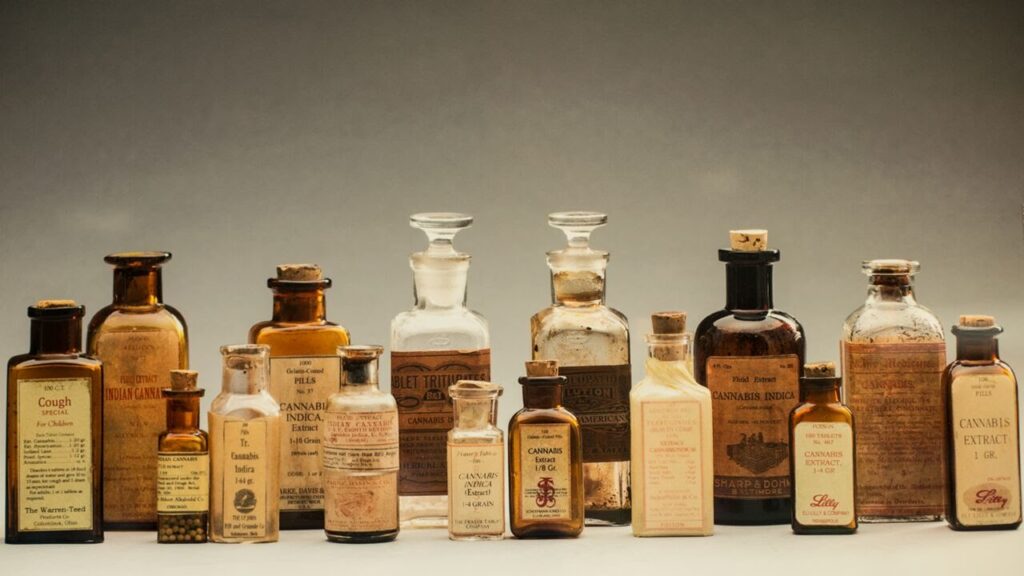
By the mid-19th century, cannabis had been incorporated into many Western pharmacopoeias. The plant was recognized as a potent and versatile treatment for a wide array of conditions, and cannabis extracts were sold in European and American pharmacies as tinctures, oils, and other preparations. The following decades would see a proliferation of research and anecdotal reports on the medical benefits of cannabis, which became a staple of early Western therapeutic practices.
Medical Applications of Cannabis in Early Western Medicine
Pain Relief and Analgesia
One of the primary uses of cannabis in early Western medicine was as an analgesic, or pain reliever. Cannabis was valued for its ability to treat both chronic and acute pain without the addictive properties or severe side effects associated with other analgesics of the time, such as opium and morphine.
Patients with chronic conditions like arthritis, gout, and neuralgia found significant relief with cannabis-based treatments. Neuralgia, a condition involving sharp pain due to nerve damage or irritation, was particularly challenging to treat before the advent of modern medicine. Cannabis’s unique ability to provide pain relief without overly sedating the patient was a key reason for its popularity.
In surgical contexts, cannabis was used as a pre-operative analgesic to reduce pain and anxiety, and as a post-operative treatment to manage recovery pain. Unlike opiates, which were known to cause respiratory depression and high risk of addiction, cannabis was perceived as a safer alternative. In particular, physicians appreciated the ability of cannabis to alleviate pain while allowing the patient to remain functional and coherent.
Neurological Disorders: Epilepsy and Convulsions
Cannabis’s success in treating neurological disorders was one of the most significant contributions to its early acceptance in Western medicine. O’Shaughnessy’s research demonstrated the plant’s remarkable ability to control muscle spasms and convulsions in patients suffering from tetanus and rabies, conditions that often led to severe, uncontrollable convulsions. The most notable use of cannabis in this domain, however, was in the treatment of epilepsy.
Epilepsy was a poorly understood and largely untreatable condition in the 19th century. Episodes of seizures were feared and misunderstood, often leading to social stigmatization. Cannabis’s anticonvulsant properties provided a breakthrough in the management of epilepsy. At the time, a lot of doctors claimed that cannabis helped their patients’ seizures become much less frequent and intense, especially in younger patients. This early recognition of cannabis as a treatment for epilepsy laid the groundwork for its continued use in modern medicine for the same purpose.
Psychiatric Disorders: Calming Agitation and Anxiety
In addition to its use in treating physical ailments, cannabis was employed as a treatment for psychiatric and psychological conditions. One of the most common uses of cannabis was for managing anxiety, agitation, and emotional disturbances. Physicians found that cannabis had calming effects on patients suffering from hysteria, a condition that encompassed a range of symptoms from severe anxiety to emotional outbursts. Cannabis was also used to treat patients with melancholia (an early term for depression) and mania.
Sir John Russell Reynolds, Queen Victoria’s personal physician, published influential works on the use of cannabis in treating mental health conditions. He advocated for its use in patients with insomnia and other sleep disturbances, finding that small doses of cannabis could induce restful sleep without the aftereffects of grogginess or lethargy commonly seen with opium. The plant’s anxiolytic (anti-anxiety) properties were similarly valuable in managing the stress and emotional volatility of patients in psychiatric care.
Gastrointestinal Disorders: Nausea, Vomiting, and Appetite Stimulation
Another key area where cannabis proved effective in early Western medicine was in the treatment of gastrointestinal disorders. Cannabis was commonly prescribed to patients suffering from dysentery, cholera, and other forms of gastrointestinal pain and cramping.
In cases of cholera, a disease that ravaged Europe and the United States in the 19th century, cannabis was used to reduce the painful cramping and spasms associated with the illness. Moreover, cannabis’s antiemetic properties, which prevented nausea and vomiting, made it a preferred treatment for patients recovering from severe gastrointestinal issues or those undergoing treatments that caused extreme nausea, such as surgery or extended illness.
Furthermore, cannabis was known to stimulate appetite, making it a popular remedy for patients suffering from wasting diseases such as tuberculosis and those recovering from surgery. Its ability to reduce nausea and increase appetite had profound implications for patient recovery and rehabilitation during a time when malnutrition and wasting were common causes of death.
Respiratory Conditions
Though cannabis is generally associated with treating conditions related to the digestive system, pain, or neurological disorders, it also found application in treating respiratory conditions. In the 19th century, cannabis was administered to patients suffering from bronchitis, asthma, and even tuberculosis. Physicians of the time believed that cannabis could reduce the inflammation in the airways, making it easier for patients to breathe.
The ability of cannabis to alleviate respiratory symptoms, such as coughing and wheezing, allowed physicians to treat patients suffering from these conditions with fewer side effects than were caused by opium-based cough syrups. Although cannabis was not a cure for tuberculosis, it was sometimes used as a palliative treatment to ease the suffering of patients with the disease, which was widespread during this era.
Inflammatory Disorders and Rheumatism
Rheumatism and arthritis were two of the most debilitating and painful conditions in 19th-century Western society. Because of its potent anti-inflammatory qualities, cannabis was often administered to individuals with joint pain and inflammation.
Medical literature from the period records numerous cases where cannabis was used to reduce swelling and pain in patients with rheumatism. The plant’s ability to alleviate both inflammation and pain made it a favored treatment for chronic conditions, particularly in elderly patients who experienced severe arthritis. Cannabis-based ointments were sometimes applied topically to affected areas to relieve joint pain and stiffness.
Gynecology and Obstetrics: Relief for Women’s Health
Cannabis also found an important role in early Western medicine as a treatment for women’s health issues, especially in gynecology and obstetrics. The most popular application was for the management of dysmenorrhea, or excruciating menstrual pain. Women suffering from painful menstrual cramps were often given cannabis tinctures or extracts to reduce discomfort.
Queen Victoria herself was reputed to have used cannabis for this purpose, on the recommendation of her physician, Sir John Russell Reynolds. The use of cannabis for menstrual pain relief was widely accepted and well-documented, particularly in Victorian medical literature.
Cannabis was also used to relieve pain during childbirth and postpartum recovery. Although it was not as commonly used for labor pains as opium or chloroform, which were popular during the time, some physicians preferred cannabis because it did not have the same level of sedative effects as these stronger substances. Additionally, cannabis was prescribed to new mothers to aid in recovery from the physical strain of childbirth and to help manage postpartum mood disturbances.
Prominent Figures in Early Western Cannabis Medicine
Several influential physicians played a pivotal role in the integration of cannabis into Western medical practices during the 19th century. These figures conducted research, advocated for its therapeutic use, and helped solidify cannabis as a legitimate treatment in the medical community.
William B. O’Shaughnessy: The Pioneer
As previously mentioned, Dr. William Brooke O’Shaughnessy was instrumental in bringing cannabis to the attention of Western medical practitioners. His observations and clinical research while working in India laid the foundation for future medical studies on cannabis. O’Shaughnessy’s recognition of cannabis’s potential as a treatment for convulsions, pain, and spasticity marked a turning point in the Western medical community’s perception of the plant.
O’Shaughnessy’s work had a profound impact not only on British medicine but also on the broader Western medical establishment. His research sparked an era of medical inquiry into cannabis, leading to its widespread acceptance in Europe and the United States by the mid-19th century.
Sir John Russell Reynolds: The Royal Advocate
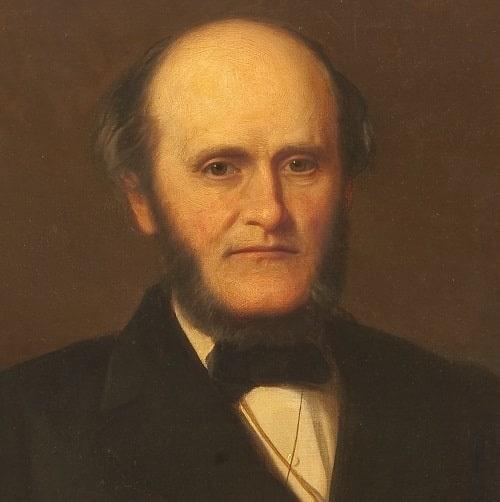
Sir John Russell Reynolds was another key figure in the history of cannabis medicine. Serving as the personal physician to Queen Victoria, Reynolds was a leading advocate for the use of cannabis in treating pain, anxiety, and sleep disorders. He was particularly interested in cannabis’s applications for psychiatric conditions and published several influential papers on the subject.
Reynolds’s advocacy for cannabis, particularly his use of the plant in treating Queen Victoria’s menstrual pain, helped to cement its place in Victorian medicine. His medical writings on cannabis remained highly regarded for decades and are still referenced today in discussions of historical cannabis use.
Other Influential Physicians
Other physicians of the time, such as Dr. J. R. Reynolds (not to be confused with Sir John Russell Reynolds), who explored cannabis’s effects on sleep and pain, and Dr. E. A. Birch, who studied its potential in treating alcohol addiction, also contributed to the growing body of medical knowledge surrounding cannabis. These figures helped to further validate cannabis’s role as a versatile and effective medical treatment.
The Decline of Cannabis in Western Medicine
Despite its success and popularity throughout the 19th century, the use of cannabis in Western medicine began to decline in the early 20th century. A combination of legal, cultural, and scientific factors contributed to the gradual disappearance of cannabis from mainstream medical practice.
Rise of Synthetic Pharmaceuticals
The introduction of synthetic medications was one of the main causes of the decrease in cannabis use. As chemistry and pharmacology advanced, pharmaceutical companies began developing synthetic drugs that could be standardized and precisely dosed. These new drugs, such as aspirin, barbiturates, and synthetic opiates, were often preferred over cannabis because they offered more predictable outcomes and were easier for physicians to prescribe.
Cannabis, by contrast, was difficult to standardize. The potency of cannabis preparations varied depending on the plant’s cultivation, extraction process, and the region where it was grown. This variability made it challenging for physicians to accurately dose cannabis and achieve consistent therapeutic effects.
Legal and Regulatory Challenges
Another major factor in the decline of cannabis in Western medicine was the increasing regulation of drugs in the early 20th century. In the United States, the passage of the Pure Food and Drug Act in 1906 was the first major step in government oversight of pharmaceuticals. This law required that all drugs be accurately labeled and regulated by the government, which placed cannabis under greater scrutiny.
In 1937, the Marihuana Tax Act effectively criminalized the possession and sale of cannabis in the United States, making it nearly impossible for physicians to continue using it in medical practice. Although the law was primarily aimed at recreational marijuana use, it had the unintended consequence of severely limiting medical access to cannabis as well. By the 1940s, cannabis had been removed from the U.S. Pharmacopeia, and its medical use had largely ceased.
Cultural Stigmatization and Public Perception
In addition to legal challenges, cannabis became increasingly associated with marginalized communities and recreational use, further stigmatizing its use in medicine. As public perception of cannabis shifted, it became viewed less as a legitimate medical treatment and more as a dangerous and disreputable drug.
This stigmatization was fueled by sensationalist media coverage, particularly in the United States, where cannabis was portrayed as a substance that led to criminal behavior and moral decay. Reefer Madness, the notorious propaganda movie that came out in 1936, served as an example of this change in public perception. As a result, many physicians abandoned the use of cannabis, opting for synthetic drugs that were seen as more respectable and scientifically validated.
The Rediscovery of Medical Cannabis in the 20th and 21st Centuries
Despite its decline in early Western medicine, cannabis has experienced a resurgence in recent decades as modern research has rediscovered its medical potential. The work of 19th-century pioneers like O’Shaughnessy and Reynolds laid the groundwork for the contemporary medical cannabis movement, which has reestablished cannabis as a viable treatment for a variety of conditions, including chronic pain, epilepsy, and multiple sclerosis.
Today, medical cannabis is legal in many parts of the world, and research into its therapeutic properties continues to grow. The early use of cannabis in Western medicine serves as a reminder of its long history as a therapeutic agent, and the lessons learned from this period continue to inform modern medical practices.
Conclusion
Cannabis in early Western medicine represented a fascinating chapter in the history of medical treatment. Throughout the 19th century, cannabis was widely accepted and utilized by physicians for a wide range of conditions, including pain relief, neurological disorders, psychiatric conditions, and gastrointestinal issues. The contributions of influential figures like William O’Shaughnessy and Sir John Russell Reynolds were instrumental in promoting the therapeutic use of cannabis and advancing medical knowledge.
However, the rise of synthetic pharmaceuticals, increasing legal restrictions, and cultural stigmatization led to the decline of cannabis as a mainstream medical treatment in the early 20th century. Despite this, the rediscovery of cannabis’s medical potential in recent decades has revived interest in the plant as a powerful therapeutic tool. Understanding the history of cannabis in early Western medicine offers valuable insights into its enduring medical value and its place in the future of healthcare.
