
Table of Contents
Cannabis in Early Medicine: A Historical Overview
Many cultures and civilizations have used cannabis for its therapeutic benefits for thousands of years. Its therapeutic use is well-documented in ancient texts and medical practices from different parts of the world. This comprehensive overview aims to shed light on the historical journey of cannabis in early medicine, exploring its applications, cultural significance, and the evolution of its medical use.
Ancient Civilizations and Cannabis
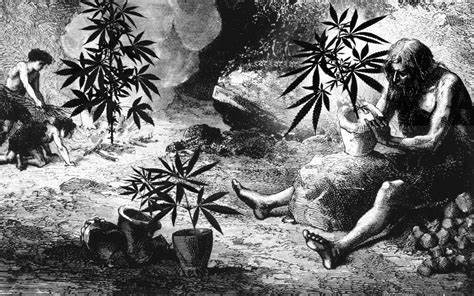
Cannabis has been intertwined with human history for millennia, serving both medicinal and cultural purposes across various ancient civilizations. Its applications and significance in these early societies provide a profound understanding of its long-standing role in medicine and daily life.
Ancient China
1. Medicinal Uses: Cannabis use in China dates back to at least 2700 BCE, with the legendary Emperor Shen Nong documenting its medicinal properties in the ancient text “Pen Ts’ao Ching.” Shen Nong, regarded as the father of Chinese medicine, described cannabis as a treatment for several conditions, including rheumatism, gout, malaria, and cognitive disorders. The seeds were noted for their laxative effects, while the roots were used to alleviate pain and inflammation.
2. Cultural Significance: Cannabis was considered a valuable crop in ancient China, used for its fibers to make textiles, ropes, and paper. Its psychoactive properties were also recognized and utilized in religious and spiritual rituals.
Ancient Egypt
1. Medicinal Applications: In ancient Egypt, cannabis played a significant role in medical practice. A medical treatise from approximately 1550 BCE called the Ebers Papyrus lists cannabis as a treatment for pain and inflammation. It was utilized in suppositories for treating hemorrhoids and as a topical application for eye conditions. Additionally, Egyptian women used cannabis to ease the pain of childbirth, indicating its broad medicinal use.
2. Religious and Ritual Use: Cannabis was associated with religious ceremonies and spiritual practices in ancient Egypt. It was believed to have protective and healing properties, often incorporated into rituals and offerings to the gods.
Ancient India
1. Ayurvedic Medicine: Cannabis holds a prominent place in Ayurvedic medicine, one of the oldest holistic healing systems, dating back to around 2000 BCE. Among the five sacred plants is cannabis, according to the ancient Indian book known as the Atharva Veda. In Ayurveda, cannabis was used to treat anxiety, improve digestion, relieve pain, and address various diseases such as epilepsy and leprosy.
2. Religious Context: In India, cannabis has been deeply embedded in religious practices, particularly in Hinduism. It is associated with the god Shiva, who is often depicted consuming cannabis. The plant is used during religious festivals such as Holi and Shivaratri, symbolizing spiritual enlightenment and purification.
Ancient Greece and Rome

1. Greek Medicine: In ancient Greece, cannabis was recognized for its medicinal properties. Historian Herodotus documented its use by the Scythians for its psychoactive effects. Greek physician Dioscorides, in his first-century work “De Materia Medica,” mentioned cannabis as a treatment for earaches, edema, and inflammation. Cannabis was also used in poultices and balms to alleviate pain.
2. Roman Medicine: Roman physician Galen wrote extensively about the medicinal uses of cannabis in treating pain and gastrointestinal disorders. Cannabis seeds were often used to prepare medicinal concoctions, and the plant’s analgesic properties were highly valued in Roman medicine.
3. Cultural Practices: Cannabis was integrated into various cultural practices in Greece and Rome. It was used in rituals, and its fibers were utilized to produce textiles and ropes, underscoring its economic importance.
Cannabis in the Middle Ages and Renaissance: A Medicinal Journey
The medicinal use of cannabis during the Middle Ages and the Renaissance underwent significant transformation. Despite facing periods of obscurity and prohibition, cannabis maintained its presence in the medical practices of various cultures. This period marks a fascinating era where ancient knowledge was preserved, adapted, and sometimes rediscovered.
Islamic Medicine
1. Preservation and Advancement: During the Islamic Golden Age (8th to 14th centuries), the Islamic world became a hub for medical knowledge and innovation. Muslim scholars translated and built upon the works of ancient civilizations, including the medicinal use of cannabis. Notable physicians such as Al-Razi (Rhazes) and Ibn Sina (Avicenna) made significant contributions to medical literature, integrating cannabis into their pharmacopeias.
2. Al-Razi (Rhazes): Al-Razi, a Persian polymath, documented the use of cannabis in his extensive medical texts. He described its application in treating epilepsy, migraines, and pain. Al-Razi’s comprehensive approach to medicine included detailed observations and treatments, making his work influential in both the Islamic world and Europe.
3. Ibn Sina (Avicenna): Ibn Sina’s “The Canon of Medicine,” a seminal medical encyclopedia, included references to cannabis as a therapeutic agent. Avicenna highlighted its diuretic, digestive, and anti-inflammatory properties. His work became a standard medical text in Europe for centuries, bridging the gap between ancient and medieval medical practices.
Medieval Europe
1. Monastic Medicine: In medieval Europe, much of the medical knowledge, including the use of cannabis, was preserved and practiced within monasteries. Monastic medicine, primarily conducted by monks, relied heavily on herbal remedies. Cannabis was among the plants cultivated in monastic gardens for its medicinal value.
2. Hildegard von Bingen: Hildegard von Bingen, a 12th-century Benedictine abbess and polymath, was a prominent figure in medieval herbal medicine. In her work “Physica,” she mentioned cannabis as a treatment for headaches and other ailments. Hildegard’s writings provided a detailed account of herbal remedies, emphasizing the therapeutic potential of plants, including cannabis.
3. Popular Medical Texts: Various herbal compendiums and medical texts of the medieval period mentioned cannabis. It was used to treat conditions such as pain, inflammation, and digestive disorders. The knowledge of cannabis’ medicinal properties was passed down through generations, although its use was not as widespread as in ancient times.
Renaissance
1. Revival of Ancient Knowledge: The Renaissance (14th to 17th centuries) was characterized by a renewed interest in classical texts and knowledge. This revival extended to medicine, where ancient texts were rediscovered, studied, and translated. Physicians and scholars sought to integrate this ancient wisdom with contemporary medical practices.
2. Nicholas Culpeper: One of the most influential figures in Renaissance herbal medicine was Nicholas Culpeper, an English botanist, herbalist, and physician. In his comprehensive work “The English Physician,” published in 1653, Culpeper described the medicinal uses of cannabis. He recommended it for treating inflammation, gout, and arthritis, among other conditions. Culpeper’s work made herbal medicine more accessible to the general public, promoting the use of cannabis and other herbs.
3. Medical Schools and Universities: The establishment of medical schools and universities during the Renaissance facilitated the formal study of medicine, including the use of medicinal plants. Cannabis was included in the curriculum of many medical schools, reflecting its recognized therapeutic potential. Scholars conducted systematic studies on its effects, contributing to the body of medical knowledge.
4. Paracelsus: Paracelsus, a Swiss physician and alchemist, was another key figure during the Renaissance who influenced the use of medicinal plants. Although not primarily focused on cannabis, his emphasis on chemical processes and the healing power of nature helped pave the way for future studies on plant-based medicines. Paracelsus’ holistic approach to medicine echoed the earlier traditions of using cannabis for various ailments.
Cannabis in the Early Modern Period: Scientific Exploration and Medicinal Applications
The Early Modern Period, spanning from the late 15th century to the early 18th century, marked a time of significant advancements in science and medicine. During this era, the study and use of cannabis for medicinal purposes evolved considerably. This period saw the rise of systematic scientific inquiry, leading to more detailed documentation and understanding of cannabis’ therapeutic properties.
18th Century
1. Systematic Studies and Publications: In the 18th century, European physicians and botanists began to study cannabis more systematically. This period was characterized by the publication of comprehensive medical texts and herbal guides that included detailed descriptions of cannabis and its uses. These texts were essential in disseminating knowledge about cannabis throughout Europe and beyond.
2. William Cullen: William Cullen, a prominent Scottish physician and professor, included cannabis in his influential medical textbook “A Treatise of the Materia Medica,” published in 1789. Cullen recognized the analgesic properties of cannabis and recommended it for treating various conditions such as coughs, venereal disease, and joint pain. His work helped establish cannabis as a recognized medicinal agent in European medicine.
3. Edmund Quincy: The American physician Edmund Quincy also recorded the therapeutic applications of cannabis in his 1733 article “Medical Essays and Observations.” Cannabis, according to Quincy, is a useful treatment for convulsions and epilepsy. His work highlighted the potential of cannabis in neurological treatments, contributing to its acceptance in medical practice.
19th Century
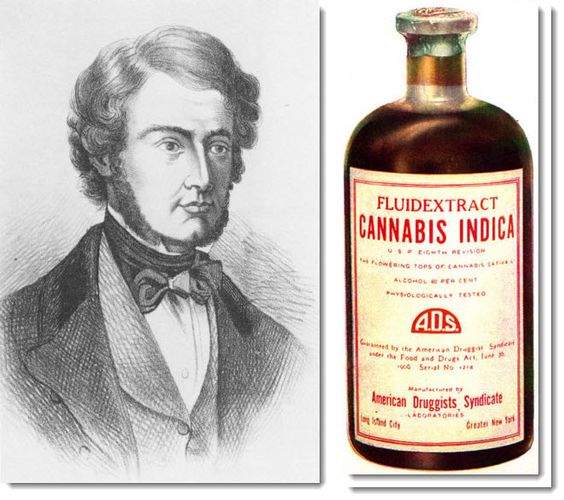
1. William O’Shaughnessy: One of the most significant figures in the history of medical cannabis during the 19th century was William Brooke O’Shaughnessy, an Irish physician and surgeon working in India. In the 1830s, O’Shaughnessy conducted extensive research on the medicinal uses of cannabis, documenting his findings in several scientific papers.
2. Introduction to Western Medicine: O’Shaughnessy’s work was groundbreaking, as he introduced cannabis to Western medicine. He highlighted its efficacy in treating rheumatism, convulsions, muscle spasms, and other conditions. His research included clinical trials and case studies that demonstrated the therapeutic potential of cannabis extracts. O’Shaughnessy’s contributions laid the foundation for the widespread use of cannabis in 19th-century medical practice.
3. Popularity in Victorian Medicine: Following O’Shaughnessy’s publications, cannabis gained popularity in Victorian medicine. It was included in the United States Pharmacopeia in 1850 and remained there until 1942. During this period, cannabis tinctures and extracts were widely available in pharmacies and prescribed by physicians for a variety of ailments, including labor pains, nausea, insomnia, and neuralgia.
4. Sir John Russell Reynolds: Sir John Russell Reynolds, a notable British neurologist and physician to Queen Victoria, was an advocate for the medical use of cannabis. In 1890, Reynolds published a paper in “The Lancet” detailing his extensive clinical experience with cannabis. He recommended cannabis for treating epilepsy, migraines, and insomnia, praising its effectiveness and safety compared to other medications available at the time.
5. Cannabis in American Medicine: In the United States, cannabis was widely used in medical practice during the 19th century. It was listed in various medical texts and pharmacopeias, and cannabis preparations were included in many patent medicines. Physicians commonly prescribed cannabis for conditions such as chronic pain, menstrual cramps, and gastrointestinal disorders.
Cultural and Medical Shifts: The Evolution of Cannabis Use
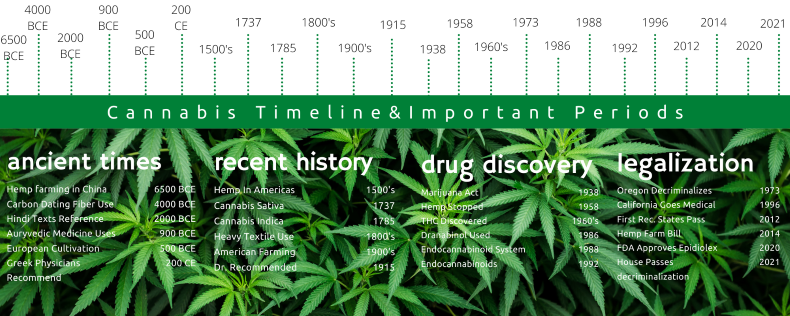
The history of cannabis has been marked by significant cultural and medical shifts, reflecting changes in societal attitudes, scientific understanding, and regulatory frameworks. These shifts have shaped the perception and use of cannabis from ancient times to the present day.
Early 20th Century: Shifts in Perception and Regulation
1. Rise of Anti-Drug Sentiments: The early 20th century saw the rise of anti-drug sentiments, driven by social, political, and racial factors. Cannabis, which had been widely accepted and used for medicinal purposes, began to be viewed with suspicion and stigma. This shift was partly influenced by the association of cannabis with immigrant communities, particularly Mexican immigrants in the United States, who used it recreationally.
2. The Marijuana Tax Act of 1937: In the United States, the Marijuana Tax Act of 1937 marked a significant turning point. This federal law effectively banned cannabis by imposing strict regulations and prohibitive taxes on its cultivation, distribution, and use. The act was influenced by a combination of anti-drug propaganda, economic interests, and racial prejudices. As a result, cannabis was removed from the United States Pharmacopeia in 1942, and its medical use declined sharply.
3. International Influence: The United States’ stance on cannabis influenced international drug policy. Through international treaties such as the Single Convention on Narcotic Drugs of 1961, many countries adopted similar prohibitive measures against cannabis. This global shift towards prohibition significantly impacted the medical use of cannabis worldwide.
Mid to Late 20th Century: Rediscovery and Advocacy
1. The Counterculture Movement: The 1960s and 1970s counterculture movement brought renewed attention to cannabis, particularly for its recreational and psychoactive effects. This period saw a resurgence of interest in cannabis, leading to increased advocacy for its legalization and medicinal use. The counterculture movement challenged the prevailing negative perceptions of cannabis and highlighted its potential benefits.
2. Scientific Research and the Discovery of THC: In the 1960s, pioneering research by Dr. Raphael Mechoulam and his colleagues in Israel led to the discovery of THC (tetrahydrocannabinol), the primary psychoactive compound in cannabis. This breakthrough provided a scientific basis for understanding the effects of cannabis and paved the way for further research into its medicinal properties.
3. Emergence of the Medical Cannabis Movement: The 1980s and 1990s saw the emergence of the medical cannabis movement, driven by patients and advocates who highlighted the therapeutic potential of cannabis for various conditions. High-profile cases, such as those of cancer and HIV/AIDS patients using cannabis to alleviate symptoms, garnered public attention and support for medical cannabis.
4. Legalization and Medical Use: In 1996, California became the first state in the United States to legalize medical cannabis with the passage of Proposition 215. This landmark decision set a precedent for other states and countries to follow. Over the next two decades, numerous states and countries legalized medical cannabis, allowing patients access to cannabis for therapeutic purposes.
21st Century: Modern Research and Legalization
1. Advances in Scientific Research: The 21st century has witnessed significant advances in scientific research on cannabis. Numerous illnesses, such as multiple sclerosis, chronic pain, epilepsy, and cancer-related symptoms, have been studied in relation to its possible therapeutic uses. The endocannabinoid system, a sophisticated cell-signaling mechanism in humans, has been discovered, which has expanded our knowledge of the ways in which cannabis interacts with the body.
2. Pharmaceutical Developments: Pharmaceutical companies have developed cannabis-based medications, such as Sativex (a cannabis extract used to treat spasticity in multiple sclerosis) and Epidiolex (a CBD-based medication for severe epilepsy). These advancements have aided in the expanding recognition of cannabis as an acceptable medical treatment.
3. Broader Legalization Efforts: The legalization of cannabis has continued to expand globally. In addition to medical cannabis, several countries and states have legalized recreational cannabis. Countries like Canada and Uruguay, as well as states like Colorado and California, have implemented regulatory frameworks for the legal sale and use of cannabis. These changes reflect a significant cultural shift towards acceptance and normalization of cannabis use.
4. Social Justice and Equity: The modern cannabis legalization movement has also emphasized social justice and equity. Advocates have highlighted the disproportionate impact of cannabis prohibition on marginalized communities and called for policies that address these disparities. Expungement of criminal records for cannabis-related offenses and inclusive business practices in the legal cannabis industry are key components of this movement.
Contemporary Challenges and Future Directions
1. Regulatory and Legal Challenges: Despite the progress in cannabis legalization, regulatory and legal challenges remain. Differences in federal and state laws, particularly in the United States, create complexities for the cannabis industry and consumers. Ongoing efforts to harmonize regulations and ensure consistent standards for cannabis products are crucial for the industry’s growth.
2. Public Health and Safety: Public health and safety concerns continue to be a focus in the context of cannabis legalization. Research on the long-term effects of cannabis use, particularly among adolescents, is essential to inform public health policies. Education and awareness campaigns are also important to promote responsible use and prevent potential adverse effects.
3. Research and Innovation: Continued research and innovation are vital for unlocking the full potential of cannabis as a medicine. Advances in genomics, biotechnology, and pharmacology can lead to the development of more targeted and effective cannabis-based treatments. Collaboration between scientists, healthcare professionals, and the cannabis industry will drive innovation and improve patient outcomes.
4. Global Perspective: The global landscape of cannabis legalization and use is evolving rapidly. Different countries are adopting various approaches to regulation, reflecting diverse cultural, social, and economic contexts. International cooperation and knowledge-sharing can enhance the understanding of cannabis and promote best practices in regulation and medical use.
Conclusion: The Journey of Cannabis in Medicine
The history of cannabis as a medicinal plant spans thousands of years and multiple civilizations, reflecting its deep-seated role in human health and culture. From ancient times through the Middle Ages, Renaissance, and into the early modern period, cannabis has been valued for its therapeutic properties, even as it has faced periods of prohibition and stigma.
Ancient Civilizations
In ancient societies including Greece, Egypt, China, and India, cannabis was a vital component of medicine. A wide range of illnesses, including pain, inflammation, digestive issues, and psychological disorders, were treated with it. These early uses laid the groundwork for the plant’s medical reputation, with detailed documentation in texts like the “Pen Ts’ao Ching” and the Ebers Papyrus.
Middle Ages and Renaissance
During the Middle Ages, cannabis continued to be used medicinally, although its applications were more localized within monastic communities and folk traditions. The Islamic Golden Age saw significant advancements in medical knowledge, with scholars like Al-Razi and Ibn Sina incorporating cannabis into their medical texts. The Renaissance brought a revival of classical knowledge, with figures like Nicholas Culpeper documenting the uses of cannabis in herbal medicine.
Early Modern Period
The 18th and 19th centuries marked a period of systematic study and integration of cannabis into Western medicine. Pioneering physicians like William O’Shaughnessy introduced cannabis to European medical practice, highlighting its efficacy in treating conditions such as rheumatism, convulsions, and chronic pain. This era also saw cannabis included in pharmacopeias and widely prescribed for a range of ailments.
Cultural and Medical Shifts
The early 20th century brought significant cultural and legal shifts, leading to the prohibition of cannabis in many parts of the world. Despite this, the latter half of the century saw a resurgence in the interest and advocacy for medical cannabis. Scientific discoveries, such as the identification of THC and the endocannabinoid system, provided a deeper understanding of cannabis’ medicinal properties. The medical cannabis movement gained momentum, leading to legalization in several states and countries.
Modern Era and Future Directions
Today, cannabis is recognized for its potential in treating various medical conditions, from chronic pain to epilepsy and multiple sclerosis. Advances in scientific research and the development of cannabis-based pharmaceuticals have further solidified its place in modern medicine. Legalization efforts continue to expand globally, emphasizing not only the medical benefits of cannabis but also the need for social justice and equity in its regulation.
Conclusion
The journey of cannabis in medicine is a testament to its enduring significance and potential as a therapeutic agent. From ancient remedies to modern pharmaceuticals, cannabis has proven to be a versatile and valuable medicinal plant. The evolving cultural and medical landscape reflects an increasing acceptance and integration of cannabis into healthcare, driven by scientific research, patient advocacy, and changing societal attitudes. As we continue to explore and understand the full potential of cannabis, its role in medicine and society is likely to grow, offering new possibilities for treatment and healing.
