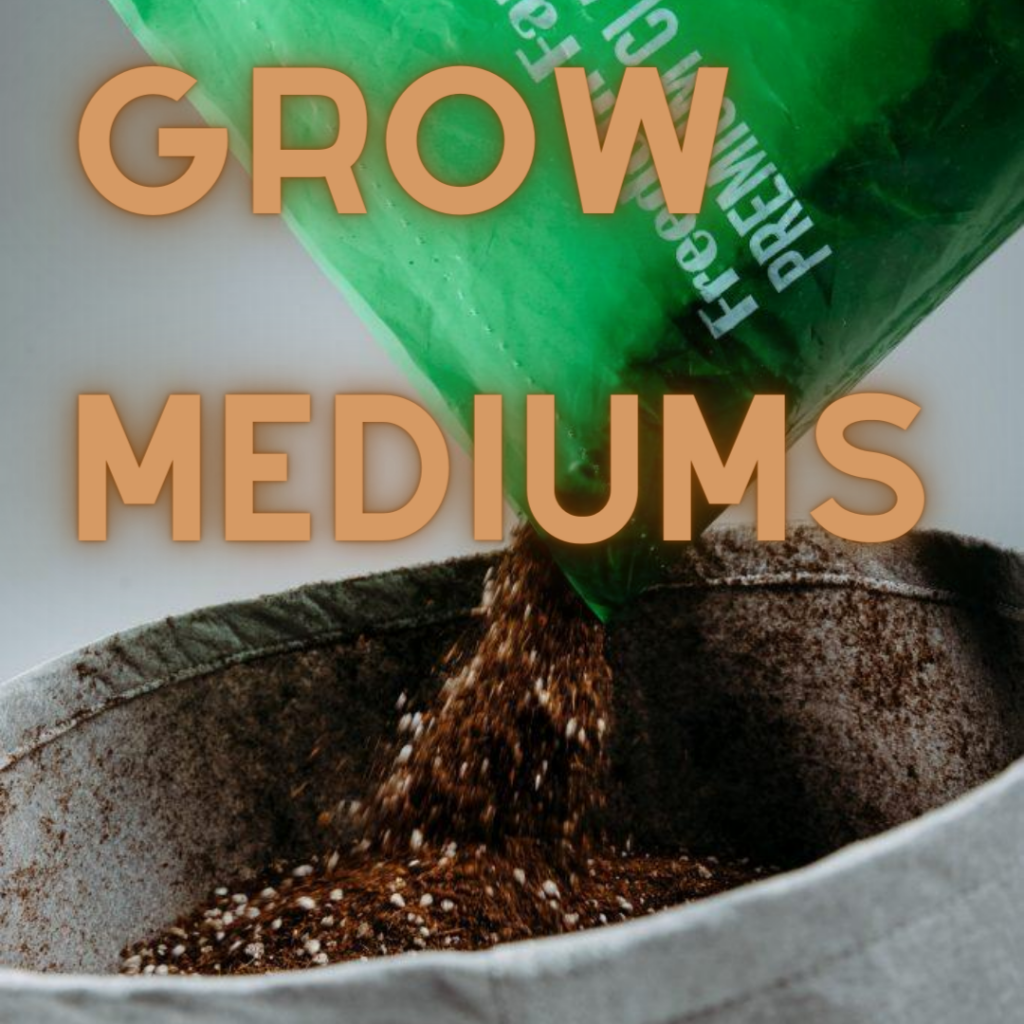
Cannabis Grow Mediums: Are They Reusable?
Growing cannabis for medical purposes requires careful consideration of various factors to ensure that the plants are healthy, potent, and free from contaminants. One of the most crucial aspects of cultivating medical cannabis is choosing the right grow medium. The grow medium, which can range from soil to soilless options like coco coir or hydroponic setups, plays a vital role in providing the necessary nutrients, water, and support to cannabis plants. Given the cost and environmental impact associated with these mediums, many growers question their reusability. This page will delve into the types of cannabis grow mediums, their suitability for reuse, and the best practices for reusing these mediums in a medical cannabis cultivation setting.
1. Overview of Cannabis Grow Mediums
Cannabis grow mediums can be broadly categorized into three types: soil, soilless (such as coco coir, perlite, and vermiculite), and hydroponic mediums (such as rock wool, clay pebbles, and water-based systems). Each medium has its unique properties, advantages, and challenges concerning reuse.
- Soil: The most traditional and natural medium, soil is popular due to its rich nutrient content and ability to support a wide range of microbial life, essential for healthy cannabis growth. However, its reusability depends on its condition after the first growth cycle, its microbial balance, and nutrient content.
- Soilless Mediums: These include coco coir, perlite, vermiculite, and peat moss. Soilless mediums are valued for their excellent drainage and aeration properties, making them ideal for growers looking for more control over the nutrient supply. Their reusability largely depends on their physical integrity and cleanliness after the initial use.
- Hydroponic Mediums: These mediums, such as rock wool, clay pebbles, and nutrient-enriched water solutions, are used in hydroponic systems. They are designed to deliver nutrients directly to the plant roots, often resulting in faster growth rates and higher yields. Reusability of these mediums depends on their ability to be sterilized and maintained free of pathogens and mineral build-up.
2. Reusability of Soil as a Grow Medium
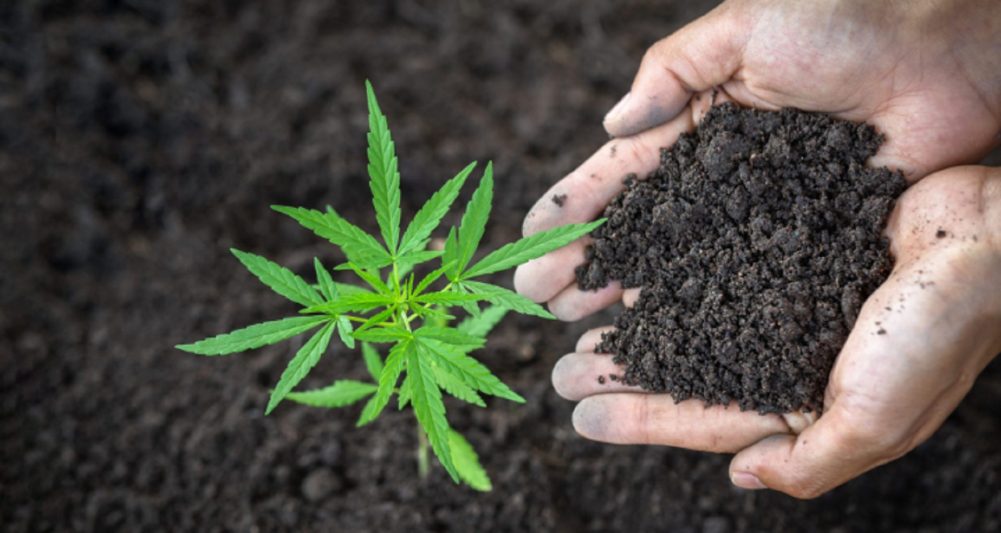
Pros and Cons of Reusing Soil
- Pros: Numerous helpful bacteria in soil aid in the breakdown of organic materials, releasing nutrients for plant uptake. Reusing soil can be economical and environmentally friendly, as it reduces waste and the need for new soil. Properly reused soil can also improve in quality over time as beneficial organisms multiply.
- Cons: Soil can be prone to contamination from pests, pathogens, or chemical residues if not managed properly. After a growth cycle, the nutrient content in the soil may be depleted, requiring supplementation. Compaction and degradation of soil structure over multiple uses can also pose challenges.
Best Practices for Reusing Soil
- Sterilization: To eliminate harmful pathogens, pests, and weeds, soil can be sterilized by baking it in an oven at 180-200°F (82-93°C) for 30 minutes. This action is essential to preserving a wholesome atmosphere for the production of medicinal cannabis.
- Amending Nutrients: After the first use, soil often lacks essential nutrients. Adding organic compost, worm castings, bone meal, or other organic fertilizers can replenish nutrient levels. It’s also helpful to test the soil pH and amend it if necessary to maintain an optimal range (typically 6.0 to 7.0 for cannabis).
- Improving Soil Structure: Mixing in perlite, vermiculite, or coco coir can help to aerate the soil and improve drainage, preventing root rot and other moisture-related issues.
- Rotating Crops: Consider rotating cannabis with other beneficial plants, such as legumes, which can restore nitrogen levels in the soil, ensuring it remains fertile and productive.
3. Reusability of Soilless Mediums
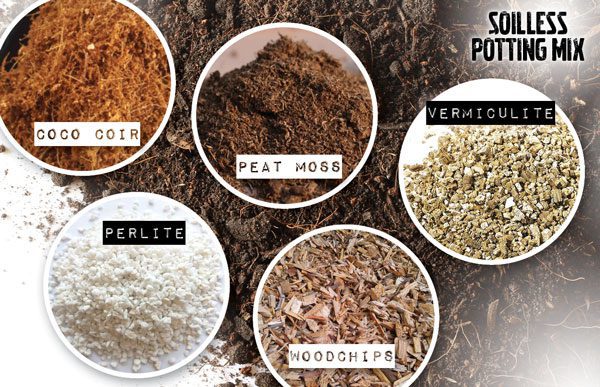
Coco Coir
- Pros: Coco coir is a renewable resource made from coconut husks. It is highly reusable, lightweight, and provides excellent aeration and water retention properties. It is also pH-neutral, which makes it a popular choice for medical cannabis cultivation.
- Cons: Over time, coco coir can break down, losing its structure and becoming compacted, which may reduce its effectiveness in providing aeration. It can also retain salts from nutrient solutions, which need to be flushed out before reuse.
Best Practices for Reusing Coco Coir
- Washing and Flushing: After each use, coco coir should be thoroughly washed to remove salt build-up and debris. Soaking it in a pH-balanced water solution can help reset its pH levels.
- Buffering: To maintain its natural cation-exchange capacity, coco coir may need to be buffered with calcium and magnesium solutions. This prevents nutrient lockout and ensures the plants can uptake the necessary nutrients efficiently.
- Conditioning: Adding new coco coir or mixing it with perlite can help maintain its structure and water retention properties. Regular inspection and mixing can help identify any compacted areas that may need to be replaced.
Perlite and Vermiculite
- Pros: Both perlite and vermiculite are excellent for improving aeration and drainage when mixed with other grow mediums. They are reasonably priced and, with careful maintenance, can be used repeatedly.
- Cons: Over time, perlite can break down into smaller particles, reducing its effectiveness. Vermiculite, while reusable, can retain water excessively, which may lead to root rot if not monitored.
Best Practices for Reusing Perlite and Vermiculite
- Sterilization: Both perlite and vermiculite can be sterilized using a 10% hydrogen peroxide solution or by baking them at 180-200°F (82-93°C) for about 30 minutes to kill pathogens.
- Mixing with Fresh Material: Mixing old perlite or vermiculite with a small percentage of new material can help maintain aeration and drainage properties.
- Regular Flushing: To prevent salt build-up, especially in soilless systems, flushing with clean, pH-balanced water is essential.
4. Reusability of Hydroponic Mediums
Rock Wool
- Pros: Rock wool is a popular hydroponic medium known for its excellent water retention and aeration properties. It can be reused multiple times if properly sterilized.
- Cons: Rock wool is not biodegradable and, if not managed correctly, can contribute to environmental waste. It can also retain salts and minerals from nutrient solutions, which may require thorough cleaning.
Best Practices for Reusing Rock Wool
- Sterilization: Submerge rock wool in a pH-balanced hydrogen peroxide solution or steam sterilize it to kill pathogens and pests.
- Soaking and Rinsing: Soak rock wool in pH-balanced water for several hours to flush out salt build-up and nutrient residues.
- Inspect for Degradation: Over time, rock wool can break down, becoming less effective at holding its shape. Examine it for wear indicators and replace it if required.
Clay Pebbles (Hydroton)
- Pros: Clay pebbles, or Hydroton, are reusable, pH-neutral, and offer excellent aeration and drainage. Because root oxygenation is so important in hydroponic systems, they are perfect.
- Cons: Clay pebbles can accumulate salt and algae over time, which can affect plant health if not cleaned properly.
Best Practices for Reusing Clay Pebbles
- Washing: Rinse the pebbles thoroughly with water to remove debris, salts, and algae. A brush or sieve can be used to clean them more thoroughly.
- Soaking in Hydrogen Peroxide: Soak the pebbles in a 10% hydrogen peroxide solution for about 30 minutes to disinfect them.
- Drying: Allow the pebbles to dry completely before reuse to prevent mold or fungal growth.
5. Reusability in Water-Based Hydroponic Systems
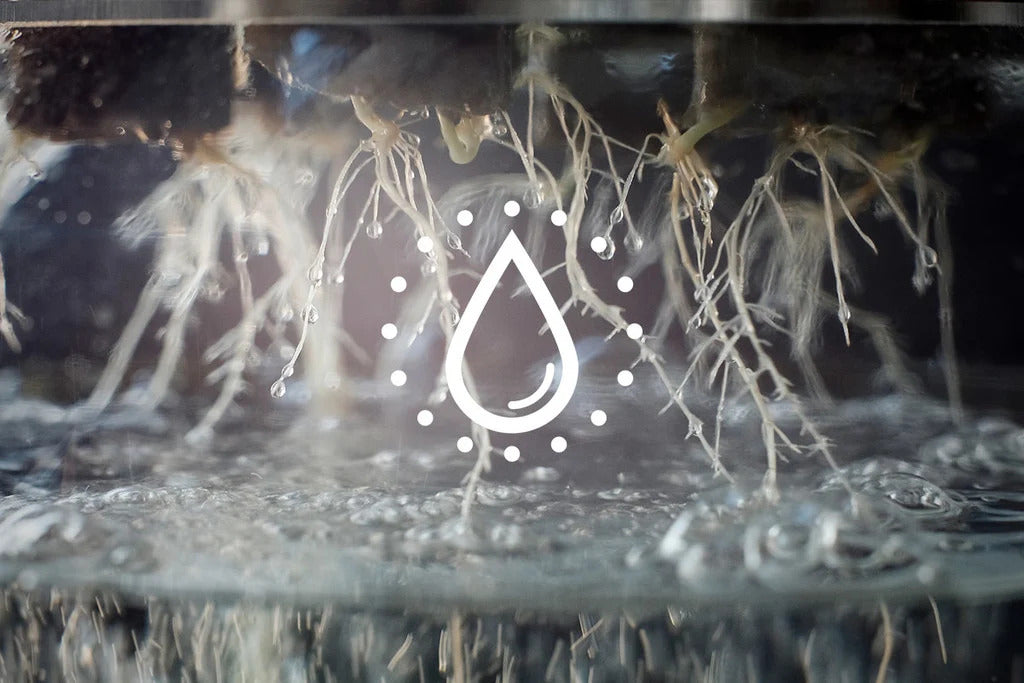
Water-Based Systems
- Pros: The primary grow medium in water-based hydroponic systems is water itself, often enriched with a nutrient solution. This medium is completely reusable with proper filtration and nutrient management.
- Cons: Reusing water without proper filtration can lead to the accumulation of pathogens, bacteria, and nutrient imbalances that may negatively impact plant health.
Best Practices for Reusing Water in Hydroponic Systems
- Filtration: Use a fine mesh filter or reverse osmosis system to remove any particulate matter and pathogens from the water.
- Regular Monitoring and Adjustment: Continuously monitor the pH and electrical conductivity (EC) levels to maintain optimal nutrient conditions for the plants.
- Sterilization: Consider using UV sterilization or ozone treatments to eliminate harmful microorganisms from the water.
6. Environmental and Economic Benefits of Reusing Grow Mediums
Reusing grow mediums in medical cannabis cultivation has several advantages:
- Cost Savings: Reusing grow mediums can significantly reduce costs associated with purchasing new materials for each growth cycle. This is particularly important for medical cannabis growers who aim to keep production costs manageable.
- Environmental Impact: By reusing mediums like soil, coco coir, or clay pebbles, growers reduce waste and minimize their environmental footprint. This is in line with ecological farming methods, which are becoming more and more crucial in the production of medical cannabis.
- Consistency in Plant Health: Reusing a grow medium, especially when it has been tailored to a specific strain or growing condition, can provide consistency in terms of nutrient availability and microbial life. This is crucial for medical cannabis, where uniformity in cannabinoid profiles is often required for patient treatments.
7. Challenges of Reusing Grow Mediums in Medical Cannabis Cultivation
While there are benefits to reusing grow mediums, there are also challenges:
- Risk of Contamination: Reusing mediums without proper sterilization can introduce pathogens, pests, and diseases into the growing environment, jeopardizing plant health and the final product’s safety.
- Nutrient Imbalances: Over time, certain mediums can accumulate salts or lose their pH balance, leading to nutrient lockout or deficiencies that could affect the quality of medical cannabis.
- Physical Degradation: Some mediums, like coco coir or perlite, may degrade over time, losing their ability to provide proper aeration and drainage, which are critical for healthy root development.
Restrictions on Using and Growing Cannabis in the Medical Field as a Last Resort
1. Overview of Medical Cannabis Use as a Last Resort
Worldwide recognition of medical cannabis has grown as a treatment for a number of illnesses, including multiple sclerosis, epilepsy, and chronic pain. But because it is frequently used as a “last resort,” it should only be used in cases where other therapies have failed or are not appropriate. This approach reflects the need to balance the potential benefits of cannabis with its risks, particularly its psychoactive effects, primarily due to THC (tetrahydrocannabinol).
2. Legal Restrictions on Medical Cannabis Use
- Legal Frameworks and Policies:
- Many countries have established strict legal frameworks governing the use of cannabis in the medical field. These regulations typically outline which conditions qualify for medical cannabis use, who can prescribe it, and in what form it may be administered.
- In countries such as the United States, cannabis remains federally classified as a Schedule I substance, implying it has no accepted medical use and a high potential for abuse. However, individual states have enacted laws permitting its medical use under specific circumstances, usually as a last resort.
- Prescription Restrictions:
- Medical cannabis is often prescribed only when other treatments have proven ineffective or when the patient cannot tolerate standard medications. For example, it may be used to manage severe chronic pain when opioids are unsuitable or have failed.
- In countries like Canada and Germany, doctors must document the failure of first-line treatments before prescribing medical cannabis, highlighting its role as a last-resort option.
- Limitations on Conditions Treated:
- Medical cannabis is typically restricted to specific conditions such as chemotherapy-induced nausea, epilepsy, and severe spasticity in multiple sclerosis. The use for other conditions, especially where less evidence of efficacy exists, may be limited or require special authorization.
- Age Restrictions:
- Many jurisdictions restrict medical cannabis use to adults over 18 or 21 years of age, except in cases of severe, treatment-resistant conditions like pediatric epilepsy, where it has shown significant benefits. In such cases, additional approvals from healthcare boards or authorities may be necessary.
3. Restrictions on Growing Medical Cannabis
- Licensing Requirements:
- Growing cannabis for medical use is heavily regulated. Cultivators must obtain licenses from the relevant health or agricultural authorities. These licenses typically require stringent checks, including background investigations, security measures, and adherence to cultivation standards that ensure product quality and safety.
- In the United States, for instance, each state has its own licensing requirements, which may include facility inspections, security protocols, and adherence to Good Manufacturing Practices (GMP).
- Regulation of Cultivation Practices:
- Regulations often dictate specific cultivation practices, such as the use of organic pesticides, specific growing mediums, and controlled environments to prevent contamination and ensure consistent quality. This is critical to guarantee the medical-grade purity of cannabis.
- Limits on Quantity:
- Licensed growers may face limits on the quantity of cannabis they can produce. These limits are often tied to patient needs or market demand. Overproduction may lead to the revocation of licenses or fines.
- Tracking and Reporting Requirements:
- Many jurisdictions require detailed tracking of cannabis plants from seed to sale. Growers must report on cultivation, harvesting, and distribution, ensuring full traceability of cannabis used for medical purposes. This is often enforced through digital tracking systems and regular audits.
4. Monitoring THC Levels in Medical Cannabis to Prevent Psychoactive Effects
- Importance of Monitoring THC Levels:
- The main psychoactive ingredient in cannabis, THC, gives users the “high” that comes with using it. For medical patients, particularly those who are vulnerable, such as the elderly or those with mental health conditions, minimizing THC levels is crucial to prevent unwanted psychoactive effects.
- Regulatory Limits on THC Content:
- Many countries impose strict limits on THC content in medical cannabis products. For example, in the European Union, the maximum allowable THC content in CBD products is 0.2%, whereas in the United States, it is 0.3% for hemp-derived products. Higher THC content in medical cannabis may only be allowed for certain medical conditions and under specific medical supervision.
- Product Testing and Standardization:
- Licensed producers are often required to test their cannabis products regularly to ensure they contain THC levels within the legally allowed limits. This testing usually involves third-party laboratories that verify the cannabinoid content and check for contaminants like pesticides and heavy metals.
- Standardization ensures that every batch of medical cannabis has a consistent THC and CBD ratio, crucial for patient safety and efficacy. This consistency helps healthcare providers prescribe specific dosages with confidence that patients will not experience unexpected psychoactive effects.
- Formulation Restrictions:
- In some jurisdictions, only specific formulations of medical cannabis are allowed. For example, low-THC or high-CBD formulations are often preferred to minimize psychoactive effects while maximizing therapeutic benefits.
- Restrictions may also be in place regarding the types of products available, such as oils, capsules, or patches, which offer more controlled dosing than raw flower or smokable products.
5. Strategies to Minimize Psychoactive Effects in Medical Cannabis
- Low-THC, High-CBD Products:
- High-CBD, low-THC cannabis strains are often recommended to reduce psychoactive effects. CBD can counteract some of the psychoactive effects of THC by modulating the body’s endocannabinoid system.
- Microdosing:
- Microdosing involves administering very low doses of THC to achieve therapeutic benefits without significant psychoactive effects. This approach is particularly useful for patients sensitive to THC or new to cannabis-based therapies.
- Administration Routes:
- Alternative administration routes, such as sublingual tinctures, capsules, or transdermal patches, can provide more controlled delivery of cannabinoids compared to inhalation methods. These methods allow for precise dosing and slower, more sustained absorption, reducing the likelihood of a sudden onset of psychoactive effects.
- Patient Education and Monitoring:
- Healthcare providers must educate patients on the correct use of medical cannabis, including understanding dosage, recognizing side effects, and knowing when to seek medical advice. Regular follow-ups are crucial to adjust dosing or formulations based on patient response.
- Use of Terpenes and Other Compounds:
- Terpenes, the aromatic compounds in cannabis, can influence the effects of cannabinoids. Some terpenes, such as myrcene, may enhance the sedative effects of THC, while others like limonene can reduce anxiety. By selecting strains with specific terpene profiles, patients may experience reduced psychoactive effects.
Conclusion
The use and cultivation of cannabis in the medical field are governed by a range of stringent regulations and restrictions, reflecting the need to balance its therapeutic benefits against potential risks, particularly those associated with its psychoactive compound, THC. Cannabis is typically considered a last-resort treatment option, only recommended when conventional therapies have failed or are unsuitable. Legal frameworks worldwide enforce strict controls on the conditions that qualify for medical cannabis use, the dosing, formulations, and even the age of the patients eligible to receive it.
Growing medical cannabis also faces heavy regulation, from obtaining licenses to adhering to specific cultivation standards that ensure quality and safety. These measures are necessary to maintain the medical-grade purity of cannabis and its consistency in cannabinoid profiles, essential for patient treatment. To prevent unwanted psychoactive effects, especially in vulnerable populations, rigorous monitoring of THC levels in medical cannabis products is essential. This involves regular product testing, adherence to legal limits, and the use of formulations designed to minimize psychoactivity, such as low-THC, high-CBD strains and microdosing techniques.
While the reusability of cannabis grow mediums and careful monitoring practices can help optimize cultivation and patient care, challenges remain, such as ensuring consistent testing standards and managing individual patient responses to THC. However, with proper oversight, education, and adherence to best practices, the medical community can effectively utilize cannabis as a valuable therapeutic tool, ensuring patient safety while maximizing its potential benefits.
By maintaining a balance between regulatory compliance and innovative practices in medical cannabis cultivation and use, healthcare providers can continue to offer a safe, controlled, and effective option for patients who have exhausted other treatment avenues, enhancing their quality of life while minimizing risks.
