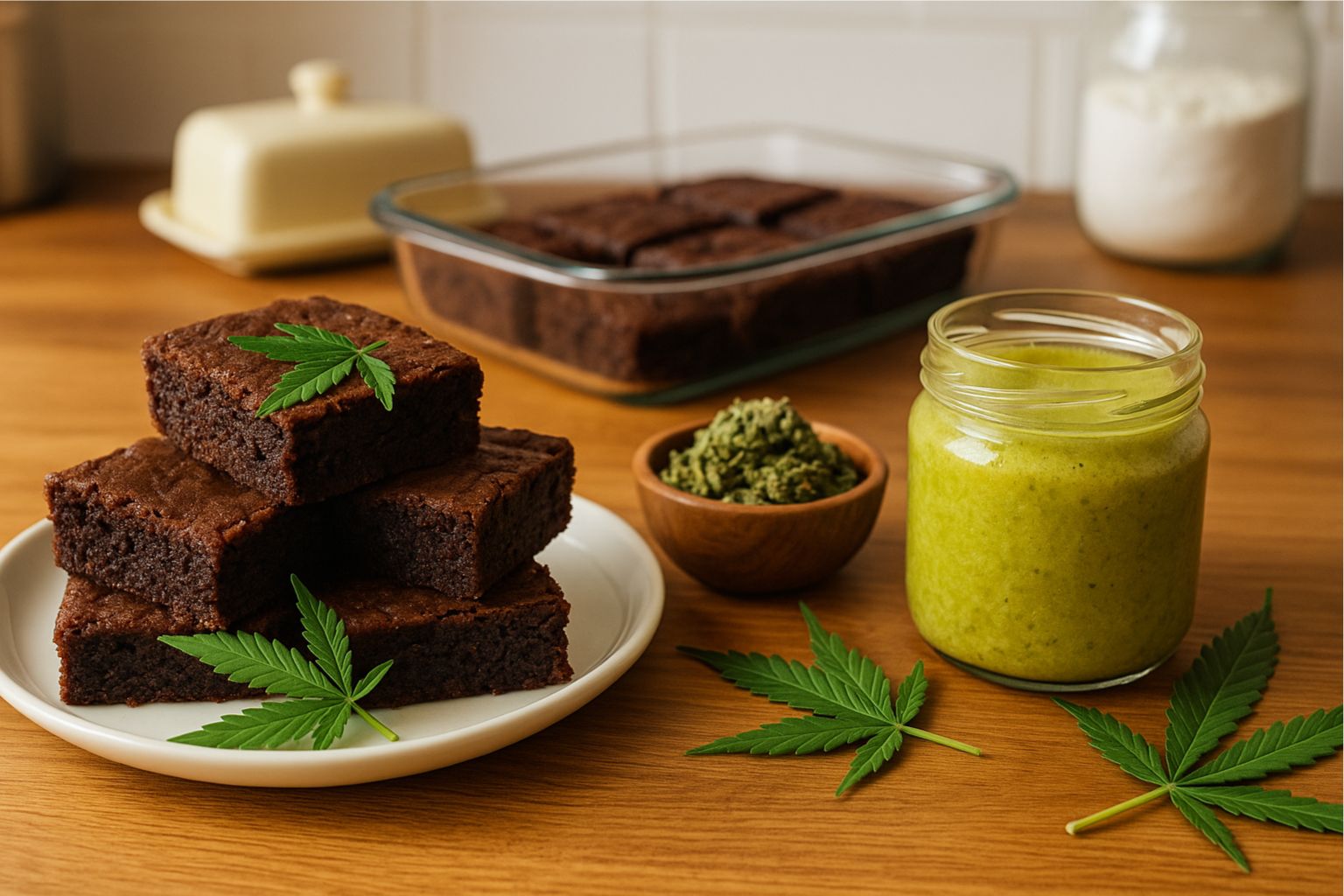
Why I Got Serious About Cannabis Edibles And Cannabutter Making
For years, I treated edibles as an afterthought. I would throw trim into a pot with butter, strain it badly, and hope the brownies did something. The results were all over the place. One batch of cannabis edibles would barely register; the next would send someone to the couch for the evening.
Once I started taking cannabis edibles and cannabutter making seriously, my results changed completely. I realized that the same attention I put into my indoor cannabis grow—controlling environment, nutrients, and harvest timing—needed to carry through to the kitchen. When I started following a consistent cannabutter recipe, focusing on decarboxylating cannabis flower correctly, and tracking doses, my edibles became predictable instead of a gamble.
Now, cannabis edibles and cannabutter making are part of how I plan my grows. Certain plants are earmarked for full-spectrum cannabis butter before I even pop the feminized cannabis seeds. In this guide, I will walk you through how I actually do it, step by step, with the trade-offs I have learned along the way.
How Edibles Fit Into A Grower’s World
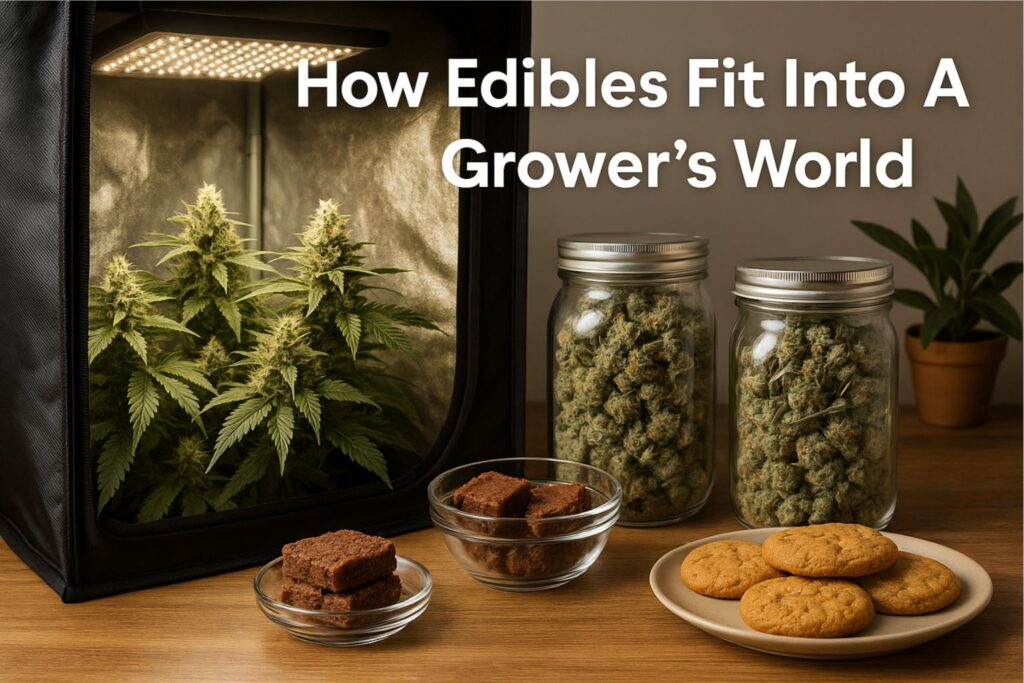
As a cultivator, I see edibles differently than someone buying a single gummy at a dispensary. I am looking at:
- What parts of the plant I am using
- How well my decarboxylating cannabis flower step preserves cannabinoids
- Whether my oil or butter is truly full-spectrum cannabis butter or more of a light infusion
- How I am dosing homemade edibles for friends with different tolerances
The big advantage of handling cannabis edibles and cannabutter making myself is control. Instead of mystery trim from who-knows-where, I use flower grown in my own indoor cannabis grow, from feminized cannabis seeds I chose for flavor and effect. That makes my cannabutter recipe more consistent, my marijuana brownie recipe more reliable, and my gummy weed edibles less likely to surprise anyone in a bad way.
Step 1: Decarboxylating Cannabis Flower The Right Way
Everything in cannabis edibles and cannabutter making starts with decarboxylating cannabis flower. If this step is wrong, nothing downstream will be right. I used to skip it or rush it, then wonder why my cannabutter recipe came out weak.
My basic approach to decarboxylating cannabis flower:
- Dry, cured flower or sugar trim only. No wet material.
- Break buds into small chunks, not dust.
- Spread evenly on a baking tray lined with parchment.
- Warm at a low, steady temperature for 30–45 minutes, checking occasionally.
The exact temperature/time combo is up to you, but the goal of decarboxylating cannabis flower is always the same: convert THCA to THC without burning off all the terpenes. In my experience, slower and gentler beats hot and rushed.
I decarb separately for each strain, especially when I plan to make full-spectrum cannabis butter that captures each plant’s unique profile. Decarboxylating cannabis flower this way gives me a predictable starting point before I ever touch butter or infused coconut oil for weed.
Step 2: Butter Or Infused Coconut Oil For Weed?
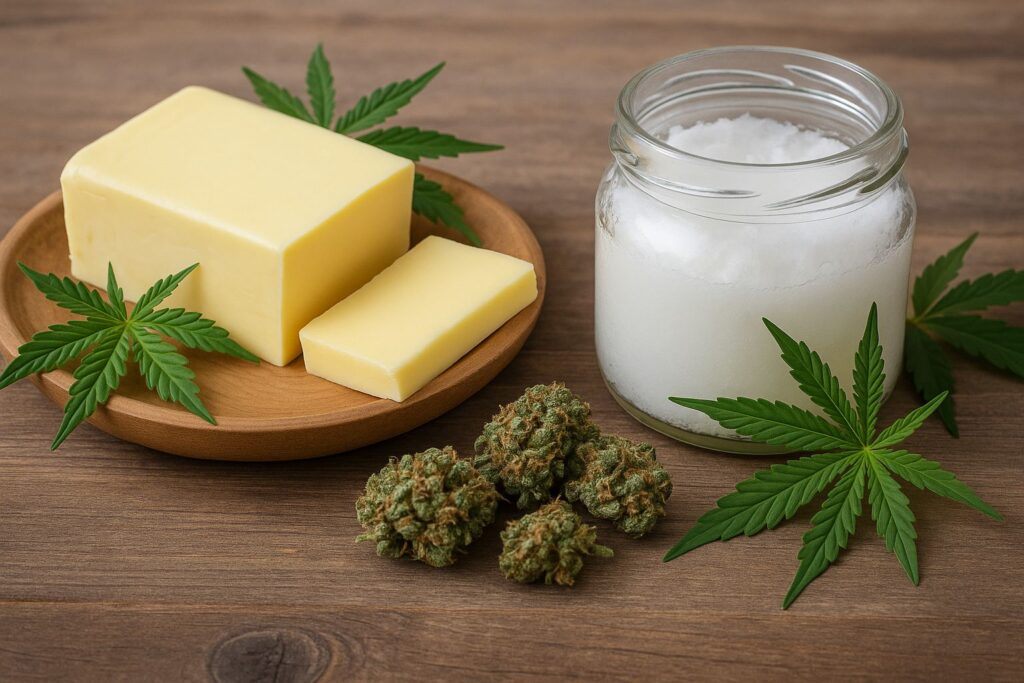
People love to argue about whether butter or infused coconut oil for weed is better. I use both, depending on what I am making.
Butter is classic, and a solid cannabutter recipe works beautifully in baked goods, sauces, and savory dishes. When I want that traditional taste and texture in a marijuana brownie recipe, butter is my go-to.
Infused coconut oil for weed has its own advantages:
- Stays stable at room temperature
- Works well for vegan recipes
- Mixes nicely into gummy weed edibles and no-bake treats
When I make infused coconut oil for weed, I use the same decarboxylating cannabis flower step, then simmer that decarbed material in coconut oil instead of butter. I treat it similarly to full-spectrum cannabis butter, keeping as much of the plant’s character as possible.
For a big batch day, I often split decarbed material into two pots: one for full-spectrum cannabis butter and one for infused coconut oil for weed. That gives me flexibility for different cannabis edibles and cannabutter making projects through the month.
Step 3: My Core Cannabutter Recipe (Stovetop Or Slow Cooker)
Over time, I settled on a simple, repeatable cannabutter recipe that works in a pot or slow cooker.
Basic cannabutter recipe outline:
- 14–28 g decarboxylated flower or sugar trim
- 1 cup (225 g) unsalted butter
- 1 cup water (helps buffer temperature and reduce scorching)
How I run this cannabutter recipe:
- Melt butter and water together on low heat.
- Stir in decarbed cannabis and keep the mixture just below a simmer.
- Maintain gentle heat for 2–4 hours, stirring occasionally.
- Strain through a fine mesh or cheesecloth into a container.
- Chill, then separate and discard the water layer.
That cannabutter recipe gives me a rich, greenish full-spectrum cannabis butter every time. I do not obsess over perfectly clear butter; full-spectrum cannabis butter retains more plant compounds and, in my experience, makes better-tasting edibles.
When using a slow cooker, I follow the same cannabutter recipe but set it on low and crack the lid slightly. The key is to never let it aggressively boil. Low, steady heat is what turns decarboxylating cannabis flower and butter into the base of great cannabis edibles and cannabutter making.
Step 4: Dosing Homemade Edibles Without Guessing
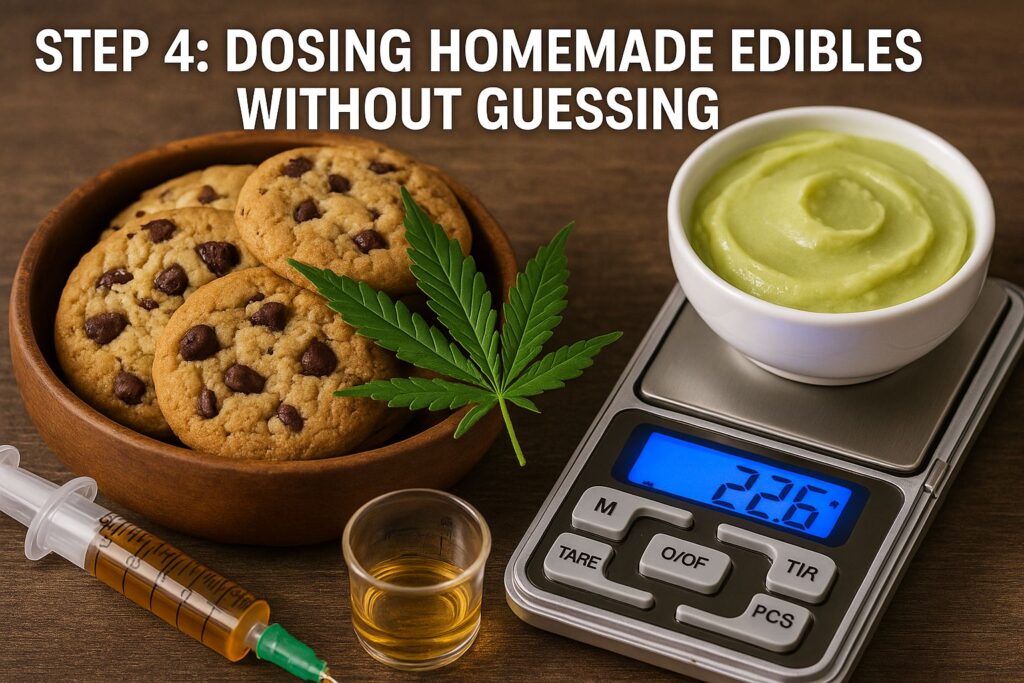
Dosing homemade edibles is where many growers stumble. I did too. Early on, my dosing homemade edibles strategy was “cut it small and hope.” Not great.
Now my dosing homemade edibles process looks like this:
- Estimate potency of the starting material (for example, 15–20 percent THC flower).
- Calculate total milligrams in the batch:
- 20% of 1 g is roughly 200 mg THC, so 20 g of material has around 4,000 mg before losses.
- Assume some loss during decarb and infusion and round down.
- Divide by the number of portions in the final marijuana brownie recipe or gummy weed edibles batch.
I write the math down. Dosing homemade edibles is easier when you treat it like a basic kitchen calculation. If a tray of brownies has 16 pieces and the batch contains roughly 800–1,000 mg of THC after losses, then each square lands around 50–60 mg. That is too high for new users, so I might cut pieces in half or make two trays and dilute the cannabutter recipe with regular butter.
When I share, I am honest about dose, remind people that edibles can take 1–2 hours to peak, and encourage them to start with a small portion. The more time I spend dialing in dosing homemade edibles, the fewer nervous texts I get later.
Baking Basics: My Real-World Marijuana Brownie Recipe
You can find a thousand brownie formulas online, but the marijuana brownie recipe I actually use is just a solid standard brownie with the butter swapped.
My marijuana brownie recipe steps:
- Make a batch of full-spectrum cannabis butter using the cannabutter recipe.
- Decide what dose I want per brownie and blend cannabutter with regular butter if needed.
- Use a simple marijuana brownie recipe that calls for melted butter, sugar, eggs, cocoa, flour, and salt.
- Fold in extras like chocolate chips or nuts after mixing.
I prefer slightly fudgy brownies because they hold more moisture and flavor. This marijuana brownie recipe is forgiving and carries the taste of full-spectrum cannabis butter without being overwhelming.
The nice part of tying this marijuana brownie recipe into my broader cannabis edibles and cannabutter making routine is that once I know the strength of one batch, I can tweak the next. More cannabutter for a stronger tray, less for a milder “session” pan—it is all about having a consistent base.
Beyond Brownies: Simple Gummy Weed Edibles And No-Bake Ideas
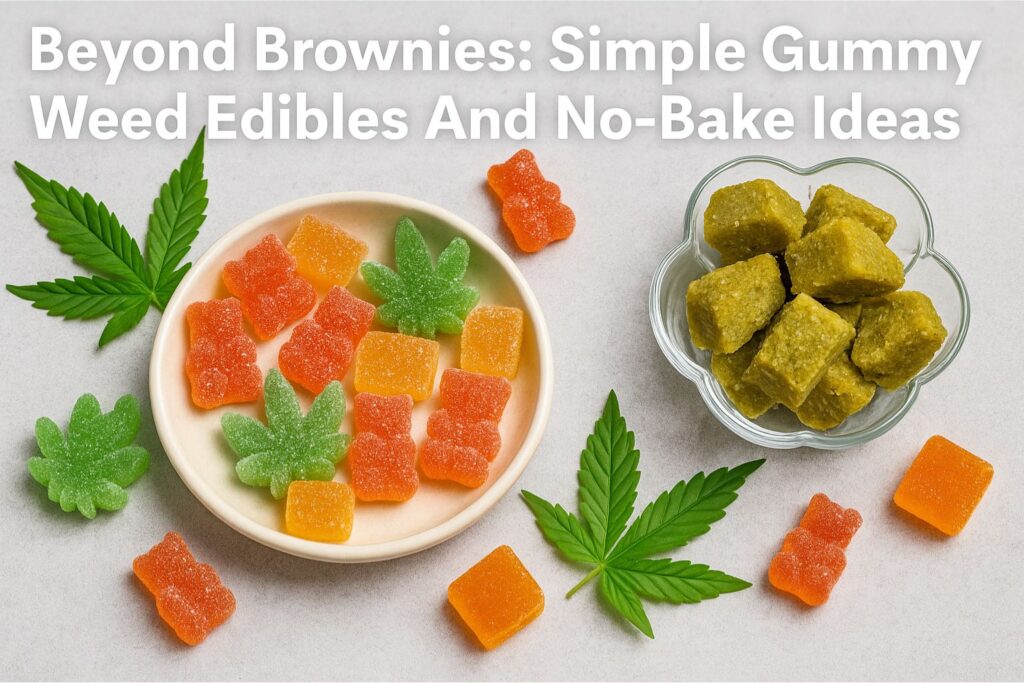
While brownies are a classic, they are not always practical. Sometimes I want gummy weed edibles or something lighter. I lean on two main options:
- Gummy weed edibles made with infused coconut oil for weed
- No-bake bars or truffles using full-spectrum cannabis butter
For gummy weed edibles, I use:
- Fruit juice or flavored drink
- Gelatin (or vegan alternative)
- A measured amount of infused coconut oil for weed
- A little sweetener and citric acid for tang
I warm everything gently, whisk thoroughly to disperse the infused coconut oil for weed, then pour into molds. Once they set, I know roughly how many milligrams each gummy carries, just like with the marijuana brownie recipe.
Gummy weed edibles travel well, are easy to divide into smaller doses, and are perfect for people who do not want baked goods. They also make it easier to work on dosing homemade edibles with more precision.
Storage, Safety, And Storing Cannabis Edibles
Making good products is only half the battle. Storing cannabis edibles properly keeps them safe, potent, and out of the wrong hands.
My rules for storing cannabis edibles:
- Always label: strain, approximate dose per piece, and date
- Keep full-spectrum cannabis butter in the fridge or freezer
- Store gummy weed edibles in airtight containers away from heat and light
- Separate infused items from regular food to avoid mix-ups
When I am storing cannabis edibles for longer periods, I freeze what I can. Brownies and bars hold up well frozen and thawed. Gummy weed edibles sometimes sweat when thawed, so I usually make them in smaller batches and keep them in the fridge.
Most importantly, storing cannabis edibles safely means keeping them away from kids, pets, and anyone who does not understand what they are. Locked boxes or dedicated shelves help. Good labeling makes it clear that these are not ordinary treats.
How Growing Choices Affect Edibles: Feminized Seeds And Indoor Setups
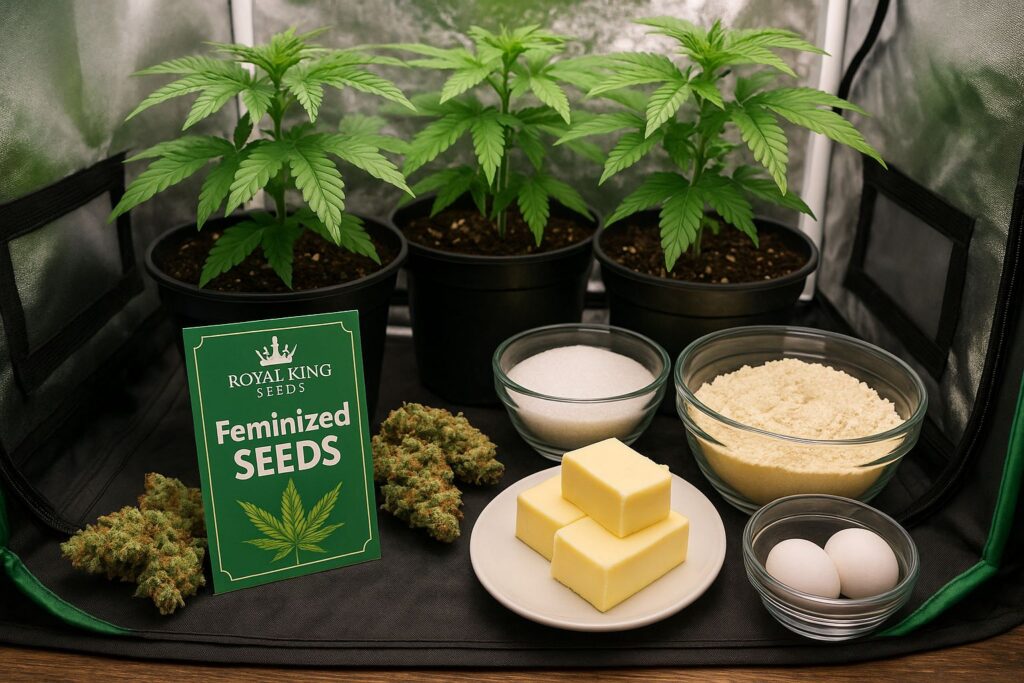
Cannabis edibles and cannabutter making do not start in the kitchen; they start when you select seeds and plan your indoor cannabis grow.
Some ways my cultivation decisions support better edibles:
- Choosing feminized cannabis seeds with terpene profiles I like in food (berries, citrus, vanilla, spice)
- Running an indoor cannabis grow with enough light to fully develop cannabinoids and terpenes
- Harvesting at the right moment for the desired effect profile
- Drying and curing carefully before decarboxylating cannabis flower
Feminized cannabis seeds make planning easier. If I dedicate one plant in the indoor cannabis grow to edibles, I know it will produce usable flower or sugar trim without worrying about males. Over time, I have noticed that certain feminized cannabis seeds consistently deliver fantastic full-spectrum cannabis butter—those go on my “edibles list” for future runs.
A clean, dialed-in indoor cannabis grow with stable environment also means fewer pests, less chance of mold, and cleaner material going into my cannabutter recipe and infused coconut oil for weed. Growing well is the first step in making excellent cannabis edibles and cannabutter making a joy instead of damage control.
FAQ: Cannabis Edibles And Cannabutter Making
How strong should I make my first batch of cannabutter?
For your first serious try at cannabis edibles and cannabutter making, I suggest keeping your first cannabutter recipe on the mild side. Aim for doses in the 5–10 mg range per piece in a simple marijuana brownie recipe or small gummy weed edibles. You can always make stronger batches later once you are comfortable with dosing homemade edibles.
Do I have to decarb if I am simmering for hours?
Yes. Decarboxylating cannabis flower separately gives you control and consistency. Simmering alone might decarb some cannabinoids, but it is uneven and can overcook the plant material. A focused decarboxylating cannabis flower step before you start your cannabutter recipe or infused coconut oil for weed leads to much more predictable results.
How long do homemade edibles last?
It depends on what you make and how you store them. Full-spectrum cannabis butter will last weeks in the fridge and months in the freezer if sealed. Brownies generally last several days on the counter, longer in the fridge, and much longer frozen. Storing cannabis edibles like gummy weed edibles in airtight containers in the fridge helps preserve texture and potency. Always label date and strain so you know what you are working with.
For me, cannabis edibles and cannabutter making turned from a messy side project into a core part of my grower routine once I treated it with the same respect as my indoor cannabis grow. By starting with good genetics like feminized cannabis seeds, dialing in decarboxylating cannabis flower, using a reliable cannabutter recipe or infused coconut oil for weed, and being meticulous about dosing homemade edibles and storing cannabis edibles safely, you can turn your harvest into jars, pans, and trays of reliable, enjoyable weed-based food that actually reflects the work you put into the plants.
