Understanding the Intersection of Cannabis and Respiratory Health
When I was first diagnosed with moderate asthma as a teenager, the idea that cannabis could be anything but harmful to my lungs seemed absurd. Smoking anything was out of the question. But years later, after exploring multiple treatment options and speaking with others in the medical cannabis community, I discovered a different reality—one grounded in emerging research, cautious experimentation, and lived experience.
For many of us living with asthma or related respiratory conditions, cannabis might seem like an unlikely ally. However, the evolving science, combined with smart methods of consumption, points toward a broader conversation around how cannabinoids affect the lungs—and whether cannabis has a place in responsible asthma care.
The Early Breakthroughs: Cannabis and Airway Expansion
Revisiting the 1973 UCLA Study
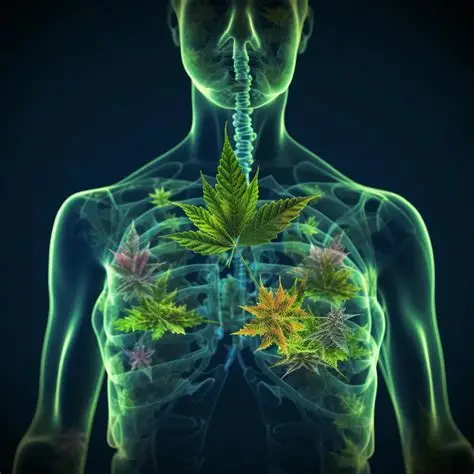
The earliest suggestion that cannabis might benefit asthma patients came from a 1973 UCLA study. The researchers observed that habitual cannabis users actually had wider airways compared to non-users. This effect, known as bronchodilation, is the opposite of what happens during an asthma attack when airways constrict, tighten, and reduce airflow.
I’ve personally experienced this paradox. During stressful periods when my asthma flared up, I found that certain cannabis strains—particularly low-THC hybrids—helped me breathe easier after vaporizing. That sensation of opening airways isn’t universal, but for some, it’s noticeable.
How Cannabis Works on the Airways
The primary psychoactive compound in cannabis, THC (tetrahydrocannabinol), plays a key role. Rather than simply numbing the experience of discomfort, THC seems to work at a physiological level by relaxing smooth muscle tissue in the bronchial walls. This is the same goal behind many prescription asthma inhalers, though they use entirely different mechanisms.
THC, unlike bronchodilators, doesn’t block acetylcholine receptors directly. Instead, it appears to prevent the production of acetylcholine itself—a molecule that causes muscle contractions in the airways. This action helps reduce the frequency and intensity of spasms and coughing fits, which I’ve personally witnessed during both allergic reactions and stress-triggered attacks.
The Challenge with Cannabis Inhalers
Why THC Isn’t in Your Rescue Inhaler
Researchers have tried to develop cannabis-based inhalers, but THC molecules are large and sticky, making them difficult to effectively aerosolize using traditional inhaler technology. I once tried a THC mist designed for sublingual use, hoping for quick relief. While it offered some calming effects, it didn’t have the same immediate respiratory impact I felt when vaping cannabis flower or oil.
Oral Ingestion and Delayed Effects
Edibles and tinctures are often touted as safer options for asthma sufferers who want to avoid smoking. While this is true from a carcinogen perspective, I’ve found edibles frustrating in acute situations. The delay between ingestion and effect (sometimes 30 minutes or more) makes them a poor choice for on-the-spot symptom relief. They shine more in preventative care or as part of a long-term management plan.
Vaporizers: A Game Changer for Asthma-Friendly Use
My Experience with Dry Herb Vaporizers
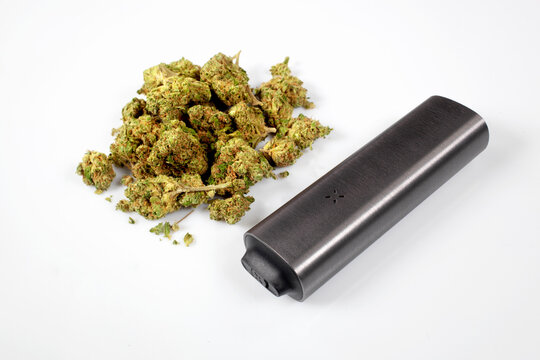
Switching from smoking to vaporizing was a pivotal moment for me. Using a quality dry herb vaporizer allowed me to heat cannabis to a point where cannabinoids were released without combusting the plant matter. This meant no smoke, fewer irritants, and a more targeted bronchodilating effect.
I use a convection vaporizer set between 350°F and 375°F, which releases both THC and other helpful cannabinoids like CBD and CBG. The vapor feels smoother and doesn’t trigger the harsh cough reflex that smoking can provoke. For me, it’s the safest compromise between efficacy and lung health.
Vapor vs. Smoke: What Research Shows
Studies continue to support the notion that vaporizing cannabis reduces respiratory harm. While not risk-free, vaporizers eliminate many of the tars and carcinogens present in smoke. If you’re dealing with asthma or COPD, this matters. A 2009 study published in the Canadian Medical Association Journal surveyed over 800 adults and found that those who smoked only cannabis (and not tobacco) didn’t show the same COPD risk patterns as those who smoked both.
THC, Anandamide, and the Paradox of Coughing
The Double-Edged Sword of Cannabinoids
One complexity in cannabis-asthma therapy is the body’s varying response to different cannabinoids under different conditions. In 2015, researchers found that marijuana contains both cough-inducing and cough-suppressing compounds. Anandamide, an endocannabinoid similar to THC, can calm irritated lungs—yet in already-relaxed airways, it may actually promote spasms.
I’ve learned this the hard way. When I used cannabis during a period of low asthma activity, I occasionally experienced increased coughing. But when my airways were already inflamed or tight, the same strain brought immediate relief. This shows how nuanced the effects of cannabis can be and why self-awareness is crucial when using it as a therapeutic tool.
Real-World Case Studies: Cannabis and COPD Relief
A Story of Cannabis Oil and Stage-Three COPD
Anecdotal evidence is powerful in the world of cannabis medicine. One compelling case involves a man in his 30s diagnosed with stage-three COPD. After incorporating cannabis oil into his routine, he claimed he was able to stop using supplemental oxygen entirely. While this isn’t a controlled study, it does align with hundreds of similar patient stories I’ve read and heard over the years.
Severe Emphysema and Cannabinoid Relief
Another group of patients who’ve found relief are those suffering from emphysema, a degenerative lung disease that limits elasticity and oxygen absorption. The anti-inflammatory properties of cannabis, particularly CBD, seem to reduce some of the chest tightness and anxiety that often accompany breathlessness. I’ve spoken with a few long-time users in online forums who swear by low-dose edibles combined with occasional vapor sessions.
Smoking Risks Still Exist—So Choose Wisely
Carcinogens in Cannabis Smoke
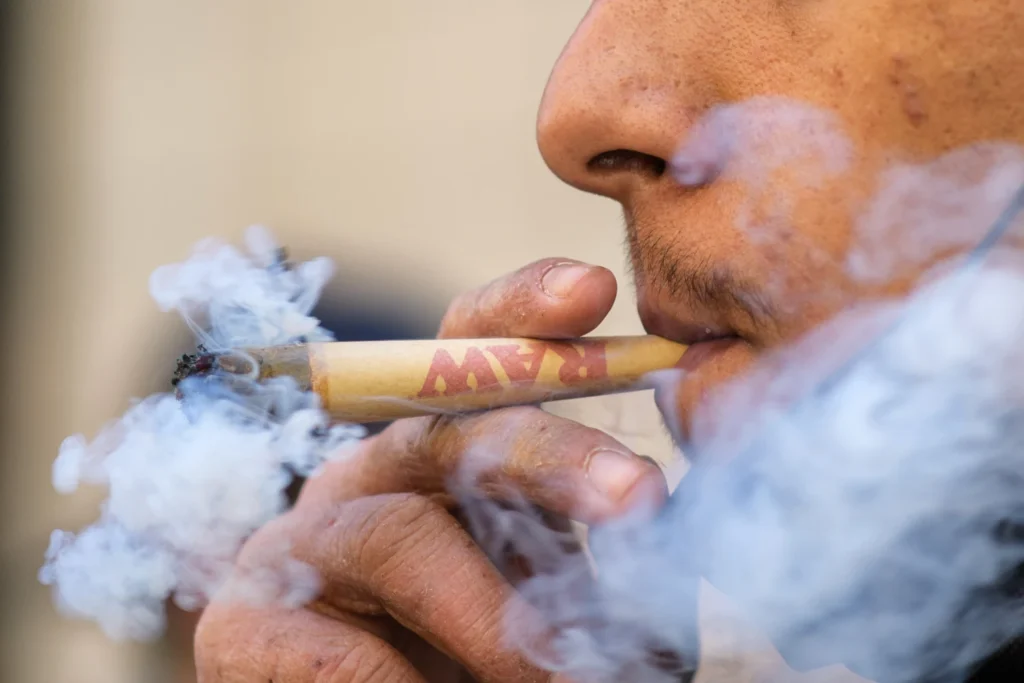
While I’m a cannabis advocate, I won’t pretend smoking it is harmless. Like any combustion process, burning cannabis produces carcinogens and tars. Even if marijuana alone doesn’t elevate COPD risk the same way tobacco does, that doesn’t mean long-term smoking is safe—especially for those with preexisting respiratory conditions.
Doctor-Recommended Alternatives
Every doctor I’ve consulted with—including those in cannabis-friendly clinics—has echoed the same advice: avoid smoking. Their preferred methods? Edibles, tinctures, and high-quality vaporizers. These offer the benefits of cannabis without exposing the lungs to unnecessary harm. When I bring my portable vape to my physician’s office, I always appreciate that the response is usually curiosity—not condemnation.
Best Practices for Using Cannabis to Manage Asthma
Start Low and Go Slow
Cannabis affects people differently. If you’re new to using it for asthma, begin with a small dose—especially if you’re trying a vaporizer or tincture. Monitor your breathing closely and keep rescue medication nearby just in case.
Track Strains and Symptoms
Keeping a cannabis journal changed the game for me. I log each strain, delivery method, and its effect on my breathing. Over time, I’ve identified strains that trigger coughing and others that promote relaxation and airflow. Strains with balanced THC:CBD ratios tend to work best for me.
Avoid High-Temperature Vaporizing
When using a vaporizer, avoid setting it too high. Exceeding 400°F can degrade cannabinoids and produce harmful byproducts. Staying in the 350–375°F range ensures a smoother hit and cleaner experience.
Consult with a Doctor Before Use
Cannabis Isn’t a Substitute for Medical Supervision
Even though cannabis can be a valuable supplement for managing asthma or COPD, it should never replace your prescribed medications without medical oversight. Always speak to your physician before beginning any new cannabis regimen. They can help guide safe dosing, delivery methods, and potential interactions with other medications.
Final Thoughts: Experience Over Theory
I didn’t start using cannabis for my asthma out of rebellion or trend-following. I did it out of frustration—when traditional treatments left gaps in my care. Through careful experimentation, research, and guidance, I found a method that enhances my quality of life.
Medical cannabis for asthma isn’t a cure-all. But for many of us, it’s a legitimate, experience-backed option that deserves thoughtful exploration—not dismissal.
Author
Hi, I’m Jaxon Wilder—a lifelong asthma patient, researcher, and medical cannabis advocate. My journey with cannabis began out of necessity, not curiosity. When traditional asthma treatments failed to fully support my respiratory health, I started exploring alternative options. Over the years, I’ve combined personal experimentation with scientific inquiry to better understand how cannabinoids interact with the lungs. This article is a reflection of my lived experience and the growing body of research around cannabis and respiratory care. My goal is to help others navigate this complex topic with caution, curiosity, and empowerment.
