Understanding the Relationship Between Cannabis and Depression
When I first began growing cannabis nearly two decades ago, I was mostly focused on plant health, yield, and terpene expression. But over the years, I started hearing more personal stories from patients—friends, family, and customers—who were using cannabis for depression and to help manage its symptoms. Their feedback, combined with my own cultivation and consumption experience, gave me a front-row seat to the nuanced and sometimes contradictory effects of cannabis on mental health.
Depression is far from a one-size-fits-all condition. Symptoms vary in intensity and cause, and so does the plant’s potential to help—or harm. From centuries-old medicinal use to modern scientific research, the connection between cannabis for depression and overall emotional well-being has been both promising and controversial.
The Science Behind Cannabis and Mood
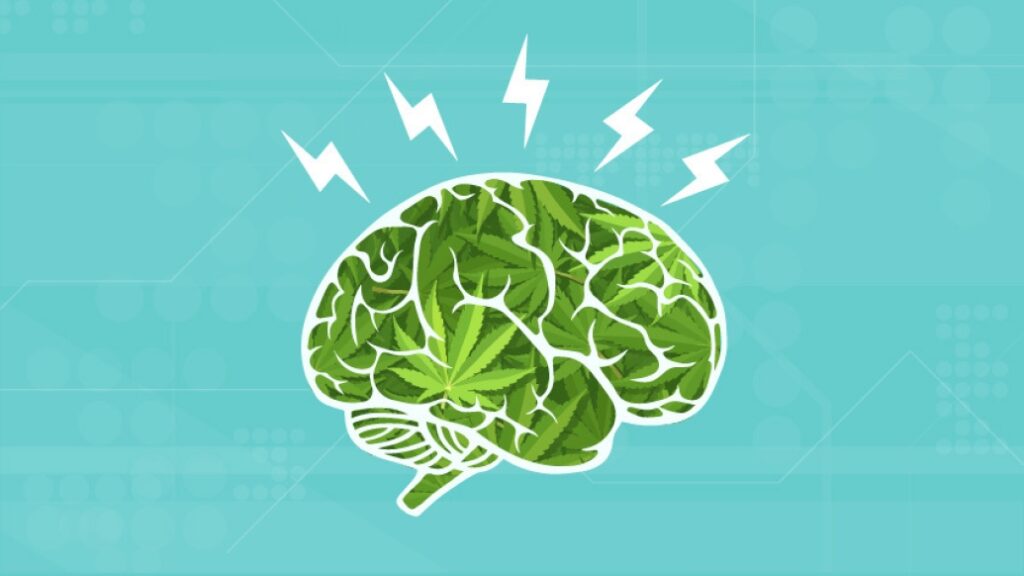
How the Endocannabinoid System Works in Depression
One of the key reasons cannabis can influence mood lies in our body’s endocannabinoid system (ECS)—a network of receptors and natural cannabinoids that help regulate everything from sleep and appetite to pain and emotional state.
When chronic stress hits, animal studies show that the body produces fewer endocannabinoids. Lower levels can lead to increased anxiety, reduced resilience, and in some cases, depressive symptoms. I’ve seen this play out with growers who take on too much, lose focus on self-care, and end up emotionally burnt out.
By introducing cannabinoids from the plant—especially THC and CBD—you can potentially restore balance. Cannabis compounds bind to the same CB1 and CB2 receptors as the body’s own cannabinoids, helping normalize brain function and stabilize mood.
Research Insights and Practical Takeaways
The University at Buffalo’s research into ECS activation highlights something I’ve experienced personally: cannabis can act as a mood stabilizer when stress is the trigger for depression. The plant seems to lift that mental fog and give the mind a reset—if you find the right strain, dose, and frequency.
In 2010, the Journal of the American Medical Association reported that traditional antidepressants work well for severe depression but offer less benefit for mild or moderate cases. This opened the door to exploring alternatives like medical marijuana. A 2007 study went further, finding that low doses of synthetic THC had antidepressant effects, likely by boosting serotonin—a chemical often linked to feelings of well-being.
The Role of Dosage in Cannabis and Depression
Low vs. High THC Impact
One lesson I’ve learned as both a grower and consumer: more THC is not always better. In small amounts, THC can lift mood and sharpen perspective. At high doses, however, I’ve seen it push people into mental sluggishness or even worsen anxiety and depression symptoms.
Science backs this up. Higher THC can reduce serotonin, reversing the very benefit it offers at lower doses. The result? An experience that feels mentally heavy, unmotivating, and counterproductive.
Finding Your Sweet Spot
- Through trial, observation, and patient feedback, here’s what often works best for depression management:
- Start Low: Begin with a minimal THC dose and track your mood over several days.
- Choose the Right Strain: Balanced THC:CBD strains tend to offer smoother mood elevation without the overstimulation that can come from high-THC sativas.
- Microdose if Necessary: Using small amounts throughout the day can keep mood steady without causing fatigue or paranoia.
- Avoid Heavy Sedation: Strains that “couch-lock” may help with nighttime anxiety but can drag mood lower during the day.
Strain Selection for Mood Support
My Go-To Strains for Lifting the Spirit
Over the years, I’ve cultivated and tested dozens of varieties specifically for mental wellness. While everyone’s body chemistry is different, these are strains that have consistently shown potential for mood support without overwhelming sedation:
- Harlequin – High in CBD with moderate THC; promotes a calm, clear-headed uplift.
- Canna-Tsu – Balanced cannabinoid profile; ideal for stress relief without mental fog.
- Blue Dream – Uplifting, fruity, and energizing—great for daytime productivity.
- ACDC – Extremely low THC; offers calming effects without intoxication.
- Jack Herer – Energizing and creative; good for morning or early afternoon use.
When to Use Indica, Sativa, or Hybrids
- Sativas: Can boost energy and creativity but risk overstimulation in sensitive users.
- Indicas: Often better for evening relaxation and stress relief but may be too sedating for daytime depression relief.
- Hybrids: Offer the flexibility of both worlds—ideal for tailoring effects to your daily needs.
Cannabis as Part of a Holistic Depression Treatment
Combining Cannabis with Other Lifestyle Choices
- While cannabis can be a helpful tool, I’ve found it works best when paired with supportive habits:
- Consistent Sleep Schedule: Both ECS function and mood regulation rely on adequate rest.
- Physical Activity: Exercise naturally boosts endocannabinoid production.
- Mindful Nutrition: Omega-3 fatty acids may enhance cannabinoid receptor health.
Therapy and Support Networks: Cannabis may help open emotional space, but guidance from a therapist or counselor is invaluable.
Risks and Considerations
From a grower’s standpoint, I’ve always cautioned patients about overuse. Chronic high-THC intake, especially without tolerance breaks, can dull the plant’s mood-lifting potential and possibly lead to emotional blunting.
Also, cannabis is not a direct replacement for prescribed medications without medical supervision. Tapering off antidepressants suddenly can cause withdrawal effects—something I’ve seen clients struggle with.
Firsthand Observations from Medical Cannabis Users
Over time, I’ve met individuals using cannabis to manage depression as a secondary symptom of other illnesses—cancer, multiple sclerosis, and chronic pain conditions among them. They often report improved motivation, reduced anxiety, and a brighter outlook, even during challenging treatment regimens.
One case stands out: a cancer patient in my circle found that a low-THC, CBD-rich tincture each morning allowed her to feel more present and engaged with her family. Another MS patient described how vaporizing small amounts of Blue Dream in the afternoon helped him avoid emotional crashes.
The Path Forward for Cannabis and Depression Research
The evidence is growing, but we’re still in the early stages of fully understanding cannabis for depression. We need more clinical studies, especially those that track long-term mental health outcomes across different strains, cannabinoid ratios, and delivery methods.
For now, my advice remains consistent: approach cannabis as a supplement to a broader mental health strategy, not a stand-alone cure. Track your reactions, experiment thoughtfully, and keep your doctor in the loop.
Final Thoughts from a Grower’s Standpoint
I’ve spent years learning how subtle changes in lighting, nutrients, and genetics influence a plant’s chemistry—and in turn, its therapeutic potential. Cannabis is a powerful ally when respected, but it’s also a plant that demands balance. The same principle applies to mental health: a carefully chosen dose, strain, and routine can help restore harmony, while careless use can tilt the scale in the wrong direction.
For those considering cannabis for depression, my experience suggests starting small, staying mindful, and letting the plant complement—not replace—the other tools in your wellness kit.
About the Author
Jaxon Wilder is a veteran cannabis cultivator with nearly 20 years of hands-on growing and strain development experience. Having worked with patients, caregivers, and fellow growers across the country, he blends deep horticultural knowledge with an empathetic understanding of cannabis as a wellness tool. His work focuses on selecting and cultivating strains with targeted cannabinoid and terpene profiles to support both physical and mental health. Drawing from years of first-hand observation and cultivation trials, Jaxon shares practical, experience-driven insights for growers and consumers looking to unlock cannabis’s full potential.
