Living with ADHD: The Real-World Struggles Behind the Diagnosis
For years, I’ve grown cannabis not just as a cultivator but as someone deeply connected to people looking for alternative relief. Many of the conversations I’ve had center around one condition in particular: ADHD. Whether it’s a frustrated parent, an overworked professional, or someone fed up with pharmaceuticals, there’s a consistent desire for a more natural approach. That’s where cannabis for ADHD enters the picture—not as hype, but as a growing reality in the search for ADHD natural treatment.
What ADHD Looks Like Beyond the Textbook
Attention Deficit Hyperactivity Disorder (ADHD) isn’t always hyperactivity. It often manifests as inability to concentrate, disorganized thoughts, or chronic impulsiveness. ADD, which some still use to refer to ADHD without hyperactivity, shares many of the same challenges: scattered focus, missed deadlines, and emotional turbulence.
People living with these symptoms often feel misunderstood. The world demands discipline and structure while their minds spin in a dozen directions. It’s not laziness—it’s neurodivergence. And that’s why many are now investigating ADHD natural treatment options that respect their individual brain chemistry. Those pursuing ADD cannabis therapy often report a sense of empowerment in managing their mental health without relying solely on pharmaceuticals.

The Limitations of Stimulants and the Shift Toward Cannabis
Conventional treatment often starts with stimulant medications like Adderall or Ritalin. These drugs increase dopamine to help with focus and impulse control. But for many users, they bring side effects that are tough to live with: anxiety, insomnia, appetite suppression, and emotional blunting.
That’s why a number of patients have explored cannabis for ADHD. They’re not looking to “get high”; they’re looking to function. What they find is that with the right strain and dose, cannabis offers a smoother ride—relief without the robotic aftertaste. Many describe it as finally being able to focus without feeling caged. It’s no surprise that alternative ADHD treatments like cannabis are gaining traction across diverse communities.
Understanding the Brain Chemistry: Cannabis and Dopamine
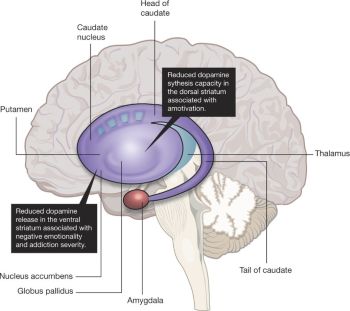
Cannabis doesn’t directly act as a stimulant, but it does influence dopamine via the endocannabinoid system. This system plays a key role in regulating mood, sleep, and executive function—the exact areas where ADHD tends to wreak havoc.
Anecdotally, people with ADHD describe cannabis for focus as allowing them to slow their thoughts down, cut through the noise, and become task-oriented. That’s a big deal. When your mind is usually a ping-pong match of ideas, even short bursts of focus can change your entire day. Patients using cannabis microdosing ADHD strategies often cite this as one of the most sustainable approaches to balance mental energy.
What the Research Tells Us: Promising but Early
We’re still a long way from clinical consensus. Large-scale studies are limited due to cannabis’s legal status in many regions. However, the existing data is compelling:
A 2015 German study observed 30 patients who used cannabis as an alternative ADHD treatment. Most reported improvement in focus, sleep, and mood. Over 70% continued use after the trial.
In multiple marijuana ADHD study reports, researchers found that low doses helped with symptom regulation, especially in patients resistant to traditional meds. As these marijuana ADHD study efforts continue, more targeted cannabinoid therapies may emerge.
Doctors like Dr. David Bearman have even argued that ADHD brains respond differently to cannabis than neurotypical ones—a distinction more research is beginning to acknowledge.
The Role of Microdosing: Getting the THC ADHD Dosage Right
One of the biggest breakthroughs I’ve seen among patients is the use of cannabis microdosing ADHD protocols. Taking tiny, precise amounts—1 to 2.5mg of THC—can create subtle cognitive support without intoxication.
Finding your THC ADHD dosage sweet spot often requires:
- Starting low and slow
- Logging effects in a journal
- Adjusting based on time of day and activity type
When dialed in, the correct THC ADHD dosage can deliver impressive results in terms of ADHD symptom management. Over time, this precision makes cannabis a reliable option in ADHD natural treatment.
Strains That Work: Tailoring to Your Needs
Cannabis is not one-size-fits-all. In my grow operation, I’ve worked with clients who responded completely differently to the same strain. That said, there are common preferences for those seeking ADHD symptom management.
CBD Strains for Focus
High-CBD, low-THC strains like:
These strains offer non-intoxicating clarity and are favored for daytime use. They are some of the most recommended CBD strains for focus by wellness-focused cultivators and patients alike. I’ve personally grown ACDC for clients using it to support both ADD cannabis therapy and daily task management.
Balanced THC/CBD Hybrids
Strains like:
These provide mood stabilization without strong cerebral effects, ideal for ADD cannabis therapy and for anyone testing different ADHD natural treatment options.
Low-THC Sativa Options
In limited doses, sativa-dominant strains can aid motivation:
Avoid heavy indicas during the day—they may increase fatigue and kill momentum. For those seeking cannabis for focus, these energetic sativas offer a better fit.
Delivery Methods and Best Practices
Just as important as the strain is how you consume it. Here’s what I’ve seen work best:
- Edibles (microdosed): Ideal for consistent, all-day support
- Tinctures: Great for fine-tuning THC/CBD ratios
- Dry Herb Vaporizers: Provide immediate effect without combustion
Keep a symptom journal. Note how each form affects attention span, emotional reactivity, and sleep. For sustainable ADHD symptom management, fine-tuning consumption methods is critical.
Cannabis Impulsivity Relief in Daily Life
Impulse control is one of the hardest battles for ADHD. That urge to interrupt, to make risky decisions, or abandon tasks halfway through? It’s exhausting. But I’ve seen cannabis provide relief here too.
With the right balance of cannabinoids, many report:
- Pausing before reacting
- More tolerance in frustrating situations
- Less restlessness in social environments
This form of cannabis impulsivity relief often feels subtle but powerful—like finally having a “brake” pedal in the brain. When used with discipline, cannabis impulsivity relief can become a life-changing part of someone’s ADHD routine. Many who turn to alternative ADHD treatments highlight impulse management as their greatest improvement.
A Real Case: Mark’s Path to Balance
Mark, a longtime community member, was burning out on stimulants. He experienced heart palpitations, sleep disruption, and midday crashes. Under guidance, he began a regimen using:
- A 1:1 CBD:THC tincture in the morning
- A low-THC indica vape at night
Within weeks, his focus improved, his mood leveled out, and his sleep returned. Over time, he reduced his pharmaceutical load significantly—all while maintaining productivity. His experience reflects the shift many are making toward cannabis for ADHD.
His story mirrors others in our circle, showing how impactful ADD cannabis therapy can be when approached with mindfulness. Mark found his stride using cannabis microdosing ADHD methods and journaling his results daily.
Legal and Medical Precautions
Let’s be clear: cannabis for ADHD isn’t yet FDA-approved. But some state programs allow it under anxiety or sleep disorders. Always:
- Consult a cannabis-knowledgeable physician
- Verify local legal policies
- Begin with microdosing and self-tracking
Stay transparent with all your healthcare providers. Cannabis may interact with other medications, and monitoring is essential. Despite legal gaps, many patients are choosing this route as one of the most accessible alternative ADHD treatments.
Combining Cannabis with Holistic Tools
Cannabis works best when integrated into a healthy lifestyle. For comprehensive ADHD symptom management, consider:
- Omega-3 fatty acids: Boosts cognitive function
- CBT or mindfulness: Strengthens emotional regulation
- Herbal nootropics: Rhodiola, L-theanine, Bacopa
- Consistent sleep/exercise routines
These additions can amplify the effects of cannabis for focus and reduce reliance on any single intervention. Together with CBD strains for focus and proper planning, this creates a foundation for daily stability.

Looking Forward: The Evolving Role of Cannabis in ADHD Care
As legal barriers fall, more funding and attention are turning toward the marijuana ADHD study landscape. We’re moving toward a future where personalized cannabinoid profiles may be part of standard ADHD care. The next wave of marijuana ADHD study trials will likely examine long-term impacts of cannabis microdosing ADHD users and compare them to standard drug treatments.
Until then, what matters most is the lived experience. I’ve seen firsthand how thoughtfully used cannabis can create transformation, not just sedation. The key is education, intention, and community support.
Alternative ADHD treatments like cannabis will only become more refined with time, especially as cannabis for ADHD moves toward mainstream therapeutic frameworks.
Final Thoughts from a Grower in the Field
If you’re exploring cannabis for ADHD, don’t chase a miracle—build a system. Track your reactions, consult experts, and stay grounded. Used mindfully, cannabis is more than a substance—it’s a tool for resilience, structure, and clarity.
About the Author
Sierra Langston is a cannabis cultivator, herbal wellness educator, and patient advocate with over 12 years of hands-on experience in organic cannabis farming and terpene science. She specializes in natural support protocols for ADHD, anxiety, and mood-related conditions. Sierra has worked directly with caregivers, medical patients, and dispensary staff to optimize cannabis use for symptom management, with a focus on sustainable cultivation and personalized plant medicine.
Her insights are grounded in real-world observations from hundreds of successful grows and patient outcomes. Through her work with Royal King Seeds and other wellness platforms, she continues to empower individuals with practical, experience-driven guidance on using cannabis as part of a holistic lifestyle.
Author Credentials:
- Certified Permaculture Design Grower
- Patient Consultant in Medical Cannabis Programs (California & Colorado)
- Contributor to RKS Educational Blog and Cultivation Resources
“Cannabis is a tool—not a cure—but when respected and understood, it becomes one of the most powerful allies for mental clarity, balance, and personal freedom.” — Sierra Langston
