Table of Contents
Cannabinoid
Introduction to Cannabinoids: Definition and Types
Cannabinoids constitute a class of varied chemical compounds that engage with cannabinoid receptors on cellular membranes to modulate neurotransmitter release in the brain. Predominantly found in the Cannabis sativa plant, cannabinoids are crucial in influencing a range of physiological functions. This document offers a comprehensive introduction to cannabinoids, detailing their definition, various types, and their effects on the human body.
1. Definition of Cannabinoids
Cannabinoids are chemical compounds that share a similar structure and activate the body’s cannabinoid receptors, which are part of the endocannabinoid system. This system is integral to regulating functions such as mood, memory, appetite, pain sensation, among others. Cannabinoids can be derived from plants, synthesized in laboratories, or produced naturally by humans and other animals.
2. Types of Cannabinoids
There are three primary categories of cannabinoids based on their source:
- Phytocannabinoids: Naturally occurring in the cannabis plant, these include well-known compounds like tetrahydrocannabinol (THC) and cannabidiol (CBD). THC is notable for its psychoactive effects that result in the cannabis “high,” while CBD is valued for its potential therapeutic benefits without inducing psychoactive effects.
- Endocannabinoids: These are cannabinoids that the body produces itself. Key examples are anandamide and 2-arachidonoylglycerol (2-AG), which function to maintain internal balance by interacting with the cannabinoid receptors in the endocannabinoid system.
- Synthetic Cannabinoids: Manufactured artificially, these compounds are designed to replicate the effects of natural cannabinoids and are used for research or therapeutic purposes. However, certain synthetic cannabinoids are also present in products marketed as “legal highs,” which can carry considerable health risks and are illegal in numerous locations.
3. Applications of Cannabinoids
The uses of cannabinoids range from recreational to medicinal:
- Medicinal Applications: Research has highlighted cannabinoids’ potential therapeutic effects, such as reducing inflammation, relieving pain, easing anxiety, and controlling seizures.
- Cannabinoids are medically utilized to alleviate symptoms associated with conditions such as chronic pain, epilepsy, multiple sclerosis, and chemotherapy-induced nausea.
- Recreational Use: Cannabinoids, especially THC, are popular for recreational use due to their psychoactive properties. Nevertheless, recreational consumption can lead to issues such as dependency and adverse effects on brain development in adolescents.
4. Conclusion
Cannabinoids are complex compounds that significantly impact the human body through the endocannabinoid system. Ongoing research continues to unravel their potential medicinal benefits, promising new therapeutic options. Nonetheless, the use of cannabinoids, particularly those from unregulated sources, should be approached cautiously to avoid health risks. Awareness and education on cannabinoids will help users make informed decisions about their applications and potential benefits.
The Role of THC: Effects and Medical Benefits
Tetrahydrocannabinol (THC) is the main psychoactive compound in the cannabis plant, accounting for most of the psychological effects linked to marijuana consumption. This document explores the pharmacological effects of THC, its impact on the human body, and the potential medical benefits that have captivated both the scientific community and the public.
1. Pharmacological Effects of THC
THC primarily functions by attaching to cannabinoid receptors located in the brain and throughout the body, which are integral components of the extensive endocannabinoid system. This system regulates various physiological processes including mood, memory, appetite, and pain sensation. When THC activates these receptors, it can modify various normal bodily functions in several ways:
- Psychoactive Effects: THC is most recognized for its psychoactive effects, which may include feelings of euphoria, altered sensory experiences, changes in time perception, and an increased appetite, often colloquially known as the “munchies.”
- Cognitive Effects: Consuming THC can impair cognitive functions, impacting short-term memory, coordination, and judgment. While these effects are generally temporary, they can present risks in situations like driving or operating heavy machinery.
2. Medical Benefits of THC
Despite its psychoactive effects, THC has several potential therapeutic properties that are of significant interest for medical treatment:
- Pain Relief: THC has proven effective in managing chronic pain, especially neuropathic pain, by modifying the pathways that perceive pain in the brain.
- Anti-nausea Effects: THC is effective in reducing nausea and vomiting, particularly in cancer patients undergoing chemotherapy. Medications such as dronabinol (Marinol) have been FDA-approved for this purpose.
- Appetite Stimulation: THC has been found to stimulate appetite and promote weight gain in individuals dealing with anorexia, HIV/AIDS, and other medical conditions that lead to significant weight loss.
- Neuroprotective Properties: Some studies suggest that THC has neuroprotective properties, potentially beneficial in neurodegenerative diseases such as Alzheimer’s disease and multiple sclerosis.
- Psychological Relief: THC has been used to alleviate symptoms of mental health conditions, including anxiety and post-traumatic stress disorder (PTSD). However, it should be noted that THC may also exacerbate symptoms in some individuals.
3. Risks and Considerations
While THC has potential medical benefits, it also poses several risks that must be considered, especially in recreational use:
- Psychological Dependency: Frequent use of THC-rich cannabis can lead to dependency, characterized by a reliance on the drug to function normally.
- Mental Health Risks: High doses or prolonged use of THC can lead to increased risk of psychiatric conditions, including psychosis, particularly in vulnerable individuals.
- Legal and Regulatory Issues: THC’s legal status varies by jurisdiction, affecting its availability and acceptability for medical use.
4. Conclusion
THC is a compound with complex effects on the human body, offering both potential medical benefits and significant risks. Its role as a psychoactive substance and a therapeutic agent makes it a subject of ongoing research and debate within both the medical community and society at large. As cannabis regulation continues to evolve, it is crucial for potential users to understand the effects of THC, weigh its benefits against its risks, and adhere to local laws governing its use.
CBD: Therapeutic Uses and Non-Psychoactive Properties
Cannabidiol (CBD) stands out as a significant cannabinoid from the cannabis plant, noted for its absence of psychoactive effects, which makes it appealing for those seeking medicinal benefits without experiencing the “high” associated with tetrahydrocannabinol (THC). This document delves into the therapeutic potential of CBD, examining its medical applications, mode of action, and the scientific evidence supporting its use.
1. Distinctive Non-Psychoactive Properties
CBD does not induce the psychoactive sensations such as euphoria commonly linked with THC. It interacts uniquely with the endocannabinoid system, primarily affecting receptors involved in regulating pain, inflammation, and mood without causing intoxication.
2. Medical Applications of CBD
CBD has been extensively researched for its potential to treat a variety of medical conditions, including:
- Pain Relief: CBD’s analgesic properties make it a candidate for managing chronic pain associated with conditions like arthritis and multiple sclerosis.
- Anti-inflammatory Effects: Its anti-inflammatory capabilities are being researched for potential effectiveness in treating inflammatory disorders like Crohn’s disease.
- Mental Health: CBD has shown promise in preliminary studies for its ability to reduce anxiety and depression, providing a potential alternative to traditional psychiatric medications.
- Neuroprotection: Preliminary research indicates that CBD may provide protective benefits against neurodegenerative diseases like Alzheimer’s and Parkinson’s by mitigating oxidative damage and inflammation in the brain.
- Seizure Control: CBD has attracted considerable interest due to its effectiveness in reducing seizures in specific types of epilepsy, which has led to the FDA’s approval of Epidiolex, a medication based on CBD.
3. How CBD Works
CBD’s effects are due to its complex interactions with the endocannabinoid system, though not through direct binding to the cannabinoid receptors like THC. Instead, CBD modulates other receptors and ion channels, including enhancing the activity of the serotonin receptor 5-HT1A, which may help alleviate anxiety.
4. Tolerability and Side Effects
Generally, CBD is well-tolerated with a favorable safety profile. Minor side effects include fatigue, gastrointestinal discomfort, and changes in appetite. It’s important to note that CBD can affect the metabolism of other drugs through its impact on liver enzymes, necessitating consultation with healthcare professionals when other medications are involved.
5. Legal and Regulatory Status
The legality of CBD varies depending on its source hemp or marijuana and local laws. CBD derived from hemp with less than 0.3% THC is legal in many places, while CBD from marijuana may still face restrictions.
6. Conclusion
The therapeutic promise of CBD is supported by its non-psychoactive properties and potential health benefits. Continued research and clinical trials are crucial to unravel the full scope of its therapeutic effects and ensure its safe integration into medical practice. As understanding grows, regulatory perspectives on CBD are likely to evolve, potentially broadening its availability for therapeutic use.
Minor Cannabinoids: CBG, CBN, and Beyond
While tetrahydrocannabinol (THC) and cannabidiol (CBD) are the most recognized cannabinoids due to their abundant presence and significant effects, the cannabis plant synthesizes over a hundred other minor cannabinoids, including cannabigerol (CBG) and cannabinol (CBN). These compounds, though less studied, offer a myriad of potential health benefits. This document delves into the properties and medical implications of these lesser-known cannabinoids.
1. Cannabigerol (CBG)
Frequently referred to as the “mother cannabinoid,” CBG acts as a precursor from which other cannabinoids are synthesized via enzymatic processes. CBG itself is non-psychoactive and has been noted for several potential health benefits:
- Neuroprotection: Early research points to CBG’s potential to protect nerve cells against degeneration, as seen in disorders like Huntington’s disease.
- Anti-inflammatory Effects: CBG may help mitigate inflammation, which is promising for treatments of conditions such as inflammatory bowel disease (IBD).
- Antibacterial Properties: Studies suggest that CBG can combat bacterial strains, including drug-resistant MRSA, due to its strong antibacterial effects.
2. Cannabinol (CBN)
CBN is a byproduct of THC degradation when cannabis is exposed to light and heat, making it mildly psychoactive. Its most notable potential uses include:
- Sedative Properties: CBN has been historically recognized for its sedative effects, potentially aiding those with sleep disorders.
- Analgesic Effects: Research indicates that CBN can act as a pain reliever, especially when used in conjunction with other cannabinoids.
- Anti-inflammatory Benefits: Similar to CBG, CBN may also provide anti-inflammatory effects useful in managing arthritis and similar conditions.
3. Additional Minor Cannabinoids
The cannabis plant also contains other minor cannabinoids with promising therapeutic properties:
- Cannabichromene (CBC): Known for its non-psychoactive properties, CBC contributes to the analgesic and anti-inflammatory effects of cannabis.
- Tetrahydrocannabivarin (THCV): Similar to THC in its psychoactive properties, THCV is recognized for its appetite-suppressing effects, which could be advantageous for weight management.
- Cannabidivarin (CBDV): This non-psychoactive cannabinoid is being researched for its potential to manage epilepsy and other neurological conditions.
4. Potential and Research Directions
Minor cannabinoids are gaining interest for their unique pharmacological properties. Although preliminary studies are promising, comprehensive clinical trials are necessary to fully ascertain their therapeutic potential and efficacy. Ongoing research could pave the way for new cannabis-based medical treatments with refined targeting capabilities and reduced side effects.
5. Conclusion
The study of minor cannabinoids such as CBG, CBN, CBC, THCV, and CBDV is expanding our understanding of cannabis’s chemical diversity. These cannabinoids represent an exciting area of potential in medical research, with the possibility of contributing new treatments to modern healthcare. As research progresses, the therapeutic landscape of cannabinoids is expected to evolve, offering new hope and possibilities for patient care globally.
Synthesis of Cannabinoids in the Cannabis Plant
Cannabinoids, the principal active compounds in cannabis, have garnered significant interest due to their varied therapeutic effects. This document outlines the biochemical processes involved in the synthesis of cannabinoids within the cannabis plant, detailing the enzymatic pathways and the factors that affect their production.
1. Process of Cannabinoid Synthesis
Cannabinoid production in cannabis involves a series of complex enzymatic reactions. The synthesis begins with the precursors olivetolic acid and geranyl pyrophosphate, which are combined by the enzyme CBGA synthase to produce cannabigerolic acid (CBGA), the foundational precursor for other major cannabinoids.
2. Transformation of CBGA
CBGA is a crucial intermediate that is enzymatically converted into three primary cannabinoids:
- THCA Synthase: Transforms CBGA into tetrahydrocannabinolic acid (THCA), the precursor of THC. When THCA undergoes decarboxylation, it converts into THC, the psychoactive component of cannabis.
- CBDA Synthase: Changes CBGA into cannabidiolic acid (CBDA), which decarboxylates into CBD, noted for its therapeutic benefits without inducing a high.
- CBCA Synthase: Alters CBGA into cannabichromenic acid (CBCA), which can further convert to CBC, another non-psychoactive cannabinoid.
3. Influences on Cannabinoid Production
Several genetic and environmental factors impact the synthesis of cannabinoids:
- Genetic Determinants: A plant’s genetic structure primarily dictates its cannabinoid production capabilities and the effectiveness of its biosynthetic pathways.
- Environmental Factors: Elements such as light exposure, temperature, soil pH, and nutrient levels can significantly influence cannabinoid levels. For instance, exposure to UV light tends to enhance THC concentrations, whereas stress conditions like drought may boost overall cannabinoid synthesis.
- Developmental Stages: Cannabinoid levels generally rise as the plant grows, peaking during the flowering phase before tapering off.
4. Regulatory Mechanisms
The synthesis of cannabinoids is rigorously controlled by the plant’s genetic regulatory systems, which govern the activity of biosynthetic enzymes. Recent advances in biotechnology and genetic engineering are exploring methods to increase cannabinoid yields, including altering genetic pathways and cultivating cannabinoids in controlled bioreactor environments.
5. Conclusion
The synthesis of cannabinoids involves intricate biochemical pathways influenced by a combination of genetic factors, environmental conditions, and plant maturity. Gaining a deeper understanding of these processes not only clarifies how these powerful compounds are produced but also enhances the potential for biotechnological enhancements of cannabinoid profiles for specific medical applications. As research progresses, optimizing cannabinoid synthesis could significantly improve the therapeutic efficacy of cannabis-derived products.
Cannabinoid Receptors: CB1 and CB2 in the Human Body
Cannabinoid receptors, specifically CB1 and CB2, are crucial components of the endocannabinoid system, which regulates a wide range of physiological and cognitive activities, including appetite, pain sensation, mood, and memory. This system also mediates the effects of cannabinoids from the cannabis plant. This document provides a comprehensive analysis of CB1 and CB2 receptors, detailing their structure, localization, and role in human physiology.
1. Introduction to Cannabinoid Receptors
The cannabinoid receptors are integral to the endocannabinoid system, involved in managing various body processes and the psychoactive effects of cannabis.
2. CB1 Receptors
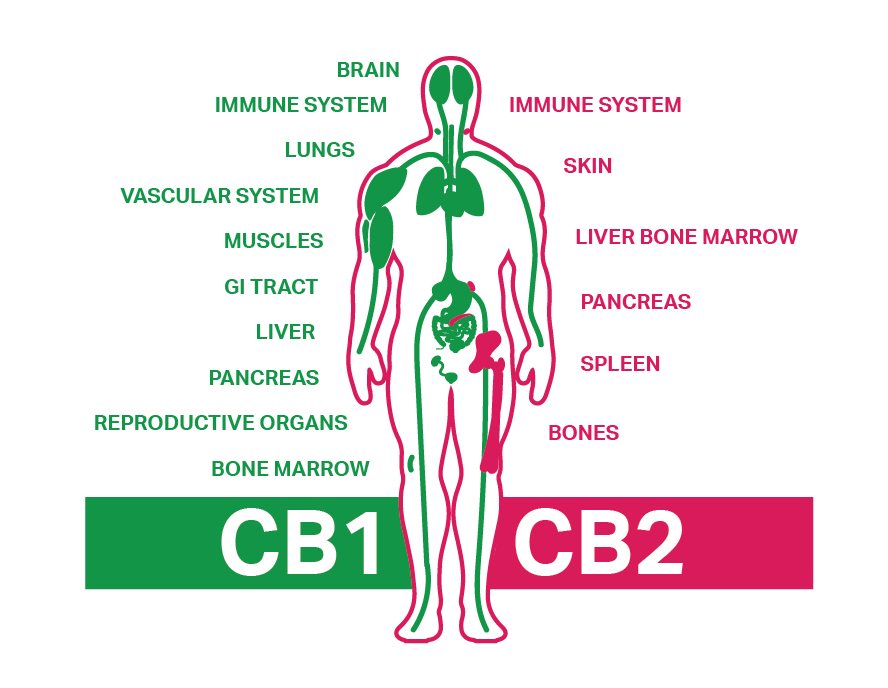
Predominantly located in the central nervous system, CB1 receptors are abundant in the brain, especially in areas tied to cognitive and emotional functions, and motor skills.
- Neurological Impact: The psychoactive effects of THC, such as the cannabis “high,” are primarily due to its action on CB1 receptors, which can be leveraged therapeutically to manage pain, nausea, and muscle spasticity.
- Endogenous Ligands: Natural endocannabinoids like anandamide also target CB1 receptors, affecting mood, pain perception, and other central nervous functions.
3. CB2 Receptors
CB2 receptors are mainly found in the peripheral nervous system and the immune system, where they influence immune cell behavior, playing a key role in managing inflammation and autoimmune disorders.
- Immune Response and Inflammation: CB2 activation is pivotal in modulating immune responses and inflammatory processes, crucial for treating pain, inflammation, and potentially some types of cancer.
- CBD Interactions: CBD is believed to interact with CB2 receptors, modulating immune responses without the psychoactive effects associated with CB1 receptor activation.
4. Therapeutic Implications and Research
The unique roles and distributions of CB1 and CB2 receptors across the body underscore their potential as therapeutic targets:
- Pharmaceutical Advances: Insights into CB1 and CB2 receptor pathways aid in the development of cannabinoid-based medications that can address specific medical issues while minimizing side effects.
- Selective Receptor Agonists: The research into and development of selective agonists for CB1 and CB2 receptors could enhance the specificity and effectiveness of treatments, improving outcomes for various medical conditions.
5. Conclusion
CB1 and CB2 receptors are vital to the endocannabinoid system’s regulatory functions in the human body. Their extensive influence on physiological processes presents significant opportunities for developing cannabinoid-based therapeutic options. Continued research into these receptors is likely to broaden their application in medicine, offering new avenues for the treatment of pain, immune diseases, and more, potentially transforming therapeutic strategies for these conditions.
Extraction Methods: Isolating Cannabinoids from Cannabis
The isolation of cannabinoids from cannabis is a pivotal step in manufacturing both medicinal and recreational cannabis products. Selecting effective extraction methods is crucial to obtain these compounds in their most refined form, ensuring both the potency and safety of the end products. This document offers an in-depth analysis of the various extraction techniques used to isolate cannabinoids, highlighting their operational principles, efficiency, and common applications.
1. Introduction to Cannabinoid Extraction
The process of extracting cannabinoids, such as tetrahydrocannabinol (THC) and cannabidiol (CBD), from cannabis involves separating these active elements from the plant matter. The selection of an extraction method greatly influences the quality, purity, and chemical profile of the final products. The method selection is influenced by the desired spectrum of cannabinoids, the properties of the final product, and safety considerations.
2. Solvent-Based Extraction Methods
These methods involve using solvents to dissolve plant materials and extract desired cannabinoids and terpenes effectively.
- Ethanol Extraction: Ethanol is favored for its efficiency in extracting a broad array of cannabinoids and terpenes and is recognized for its safety. Precision in temperature control is crucial to avoid degrading sensitive compounds during extraction.
- Hydrocarbon Extraction: Utilizing solvents such as butane and propane, this method is adept at extracting potent concentrations, resulting in products like waxes and oils. The primary challenge lies in eliminating solvent traces from the final product to meet health standards.
- Supercritical CO2 Extraction: This technique employs carbon dioxide under extreme pressure and temperature to extract cannabinoids. Known for its precision and environmental safety, supercritical CO2 extraction leaves no harmful residues and is ideal for producing premium, pharmaceutical-grade extracts.
3. Mechanical and Physical Methods
These solvent-free techniques use physical means to separate cannabinoids from the cannabis plant.
- Cold Pressing: This mechanical method extracts cannabinoids and oils by pressing the plant material, similar to olive oil extraction. It effectively preserves the natural terpenes and avoids solvent contamination.
- Dry Sifting: Employing screens of various micron sizes, this method sifts through the plant material to separate the cannabinoid-rich trichomes, yielding a powdery substance known as kief, which can be pressed into hash.
- Rosin Pressing: Applying heat and pressure, this method extracts a resinous substance known as rosin from the cannabis plant. It is a quick, solvent-free process that produces a potent concentrate.
4. Ensuring Safety and Compliance
It is crucial that all extraction operations comply with strict safety and regulatory standards to ensure consumer safety. This includes regular monitoring and testing for solvent residues and other contaminants in the extracts. Facilities must also be designed to comply with local safety regulations regarding the handling and storage of solvents and pressurized substances.
5. Conclusion
Choosing the right extraction method is essential to maximize the effectiveness and quality of cannabinoid extractions. Whether opting for solvent-based or mechanical methods, maintaining the integrity of the extracted compounds while ensuring safety standards is paramount. With technological advancements, extraction methods are anticipated to become more efficient and safer, consistently enhancing the variety and quality of cannabis-derived products in the market.
Legal Status of Cannabinoids Around the World
The legal framework surrounding cannabinoids like tetrahydrocannabinol (THC) and cannabidiol (CBD) varies extensively across the globe, influenced by cultural views, historical usage, medical evidence, and shifts in regulatory policies. As the acceptance of both medicinal and recreational uses of cannabinoids increases worldwide, understanding the diverse legal contexts that govern their use, distribution, and sale becomes essential. This document outlines the current legal statuses of cannabinoids, delineating the complex and varied regulations that shape global cannabis policies.
1. General Legal Frameworks
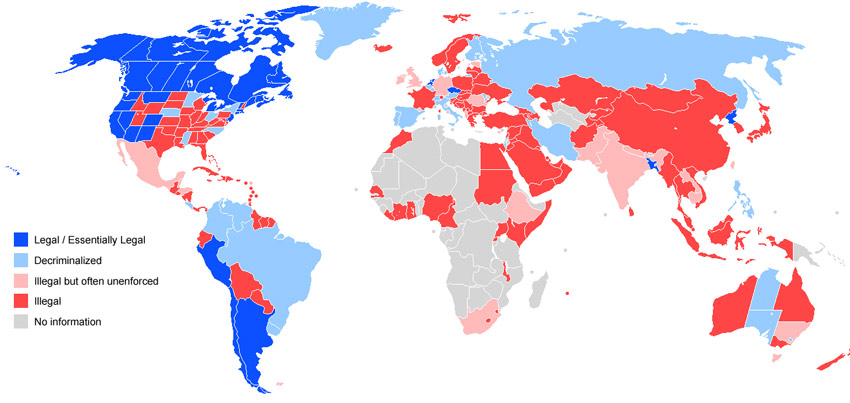
Globally, nations adopt varying stances on cannabinoids, generally categorized into several distinct legal approaches:
- Prohibition: Many countries enforce complete bans on all forms of cannabis, imposing strict penalties for its possession, distribution, and cultivation.
- Medical Legalization: An increasing number of jurisdictions recognize the medicinal value of cannabis, permitting its use for patients under medical guidance.
- Decriminalization: Some regions have reduced penalties associated with small-scale cannabis possession, often to lessen the impact of drug laws on the general populace.
- Full Legalization: A select number of countries and some U.S. states have fully legalized cannabis, regulating its use among adults in ways similar to how alcohol and tobacco are regulated.
2. Distinctions Between Cannabinoids
Legal distinctions between various cannabinoids, especially between THC and CBD, significantly influence their regulatory treatment:
- THC: Known for its psychoactive effects, THC is tightly regulated in many areas, yet it is legally available under controlled conditions in regions with established medical or recreational cannabis laws.
- CBD: CBD, which lacks psychoactive effects but is noted for potential health benefits, typically faces less regulatory hurdles. Many nations permit the sale of CBD products provided they contain minimal THC levels.
3. Regional Legal Variations
- North America: In Canada, cannabis is legal for both medicinal and recreational purposes nationally. In contrast, the United States shows considerable variation by state.
- At the federal level, CBD derived from hemp containing less than 0.3% THC is legal, although state laws vary concerning its extraction and commercialization.
- Europe: The European Union lacks a unified stance on cannabis, leading to varied regulations across member states. Several countries, like Germany and Italy, permit medicinal cannabis, while others like the Netherlands tolerate limited recreational use. Generally, CBD products with less than 0.2% THC are legal throughout the EU.
- Asia and the Middle East: These regions typically uphold some of the strictest cannabis regulations worldwide, with harsh penalties for cannabis activities. Nonetheless, nations such as Thailand and Israel are advancing legal medical cannabis frameworks.
- South America: Uruguay and Colombia are pioneers in progressive cannabis legislation, having legalized the plant for both medical and recreational use, encouraging a growing legal cannabis industry.
4. Conclusion
As cannabinoid research progresses and societal attitudes evolve, global cannabis regulations continue to change. While some nations advance towards embracing the therapeutic potentials of cannabinoids by easing restrictions, others maintain rigorous prohibitions. For entities engaged with the cannabis industry, whether directly or indirectly, keeping abreast of the intricate and dynamic legal environment is crucial for ensuring compliance and leveraging emerging opportunities in this rapidly evolving sector.
Future Directions in Cannabinoid Research and Therapeutics
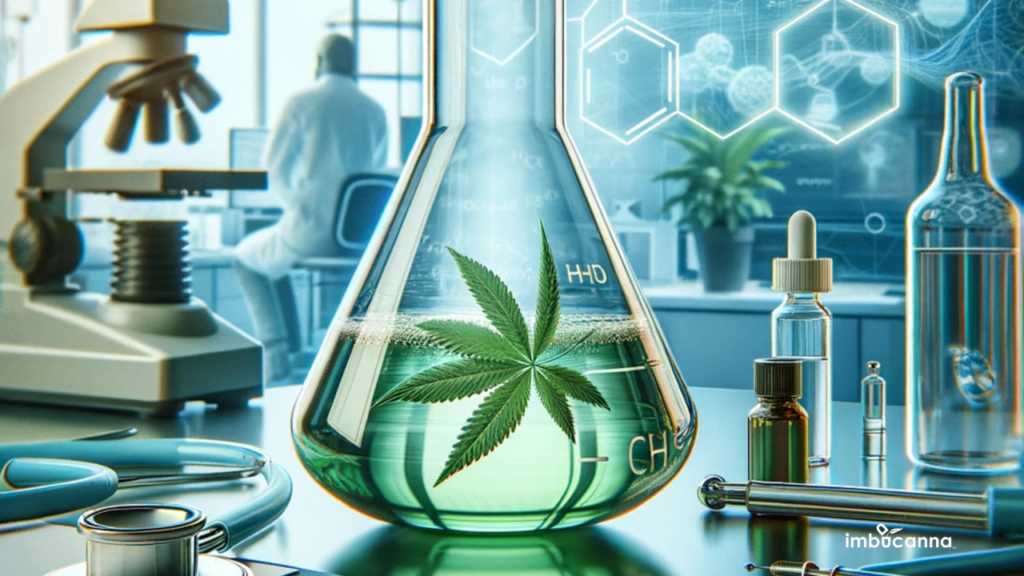
As the field of medical research progresses, the exploration of cannabinoids has emerged as a significant area of interest due to their potential therapeutic applications. This document discusses the future directions in cannabinoid research and therapeutics, emphasizing potential impacts and the challenges that may arise in this expanding field.
1. Broadening Research into Cannabinoids
Research is extending beyond the commonly known cannabinoids like THC and CBD to encompass lesser-studied cannabinoids such as CBG, CBN, and THCV. These compounds have shown potential for addressing a wide range of medical conditions. Future investigations will likely focus on understanding the detailed pharmacological actions of these cannabinoids and exploring their therapeutic potentials.
2. Deeper Insights into the Endocannabinoid System
The endocannabinoid system (ECS) is crucial for maintaining homeostasis within the body and influences various physiological processes including pain sensation, mood, and appetite. Enhancing our knowledge of how the ECS functions and its interaction with cannabinoids could lead to groundbreaking therapeutic avenues.
3. Development of Precision Therapies
Leveraging the specific effects of cannabinoids offers the potential to develop targeted therapies for difficult-to-treat diseases. Research is increasingly aimed at understanding how cannabinoids can specifically interact with certain pathways or receptors, potentially leading to more efficient and side-effect-free treatments.
4. Rigorous Clinical Trials
For cannabinoids to become integrated into mainstream medicine, they must undergo rigorous clinical trials that establish their effectiveness and safety across diverse populations. Future efforts will include extensive randomized, controlled trials that are necessary to gain regulatory approvals and acceptance in the medical community.
5. Navigating Regulatory Landscapes
The complex regulatory frameworks governing cannabinoid research and therapeutic use present both obstacles and opportunities. As interest in cannabinoids continues to rise, regulatory bodies will be pressured to formulate clear, supportive guidelines that facilitate research while ensuring safety for users.
6. Incorporation into Conventional Medical Practices
The integration of cannabinoid-based treatments into conventional medical practices requires that medical professionals be well-informed about their therapeutic benefits and risks. Medical education programs will need to evolve to include comprehensive training on the use of cannabinoids in clinical settings.
7. Influencing Public Perception
The public’s perception significantly affects the adoption of cannabinoid therapies. Ongoing educational initiatives are crucial to correct misconceptions and provide accurate information about the benefits and limitations of cannabinoids, promoting a well-informed public.
8. Conclusion
The trajectory of cannabinoid research and therapeutics is poised for significant advancements, with the potential to impact various medical fields profoundly. As we gain a deeper understanding and broader acceptance, cannabinoids could offer new therapeutic options for patients with conditions inadequately addressed by current treatments. Success in this endeavor will require a collaborative approach involving researchers, healthcare practitioners, regulatory authorities, and the general public to fully harness the therapeutic capabilities of cannabinoids.
