Table of Contents
Candyland is a well-known cannabis strain that has gained popularity due to its sweet flavors, uplifting effects, and medicinal benefits. This sativa-dominant hybrid is cherished by both recreational and medical users for its ability to provide energy, creativity, and relief from various ailments. The following document explores Candyland in-depth, covering its origins, genetics, terpene profile, cannabinoid content, medical and recreational applications, and the latest scientific insights.
Origins and Genetics
Candyland is a cross between Granddaddy Purple (GDP) and Bay Platinum Cookies. Both parent strains contribute unique characteristics to Candyland:
- Granddaddy Purple (GDP): A famous indica strain known for its deep purple hues, strong body relaxation, and grape-like aroma.
- Bay Platinum Cookies: A hybrid phenotype of Girl Scout Cookies, contributing a sweet, earthy flavor and balanced effects.
Candyland was bred by Ken Estes, a renowned cannabis cultivator, who sought to create a strain that maintained the relaxing properties of GDP while incorporating a more energetic and uplifting effect from the Cookies lineage.
Cannabinoid Profile
Candyland has a potent cannabinoid profile, typically containing:
- THC: 18% – 24% (potent, but not overwhelming for most users)
- CBD: <1% (minimal, making it less effective for certain medical conditions requiring high CBD levels)
- CBG: 0.5% – 1%
- Other Cannabinoids: Small amounts of CBC, CBN, and THCV
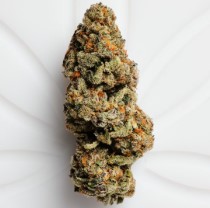
This composition makes Candyland primarily a THC-rich strain, ideal for recreational use and specific medical applications.
Terpene Profile and Aroma
Candyland boasts a unique terpene composition that contributes to its effects, aroma, and flavor:
- Myrcene – Sedative and relaxing properties (also found in mangoes, thyme, and hops)
- Caryophyllene – Anti-inflammatory and pain-relieving effects (found in black pepper and cloves)
- Limonene – Uplifting and mood-enhancing (found in citrus fruits)
- Pinene – Enhances focus and may counteract THC-induced paranoia (found in pine needles)
Flavor and Aroma
- Sweet, candy-like aroma
- Earthy and spicy undertones
- Hints of berry and vanilla
These characteristics make Candyland a favorite among users who enjoy flavorful and aromatic cannabis strains.
Effects and Recreational Uses
Candyland is known for producing a euphoric, uplifting, and energetic high, making it ideal for daytime use. The effects are heavily influenced by its sativa dominance, despite having indica lineage from Granddaddy Purple.
Common Effects:
- Euphoria – Immediate mood enhancement, making it useful for social interactions.
- Energy Boost – Users report a surge in motivation and focus.
- Creativity Enhancement – Ideal for artistic and brainstorming activities.
- Relaxation Without Sedation – Unlike pure indicas, Candyland relaxes the body without causing excessive drowsiness.
- Mild Psychoactivity – Some users experience mild visual distortions or heightened sensory perception.
Best Recreational Uses:
- Social Gatherings – Keeps conversations flowing and enhances engagement.
- Outdoor Activities – Hiking, biking, or exploring nature.
- Creative Pursuits – Music, painting, writing, and problem-solving.
- Gaming and Entertainment – Enhances immersion in video games and movies.
Medical Uses and Benefits
While Candyland is primarily a recreational strain, it also has significant therapeutic properties. Medical marijuana patients use Candyland for relief from a variety of conditions, including mental health disorders, pain management, and inflammation.
Medical Applications:
1. Mental Health Disorders
- Depression: The high levels of limonene and THC can help combat negative thoughts and boost mood.
- Anxiety & Stress: The combination of caryophyllene (anti-anxiety) and pinene (focus-enhancing) can promote relaxation without sedation.
- PTSD: May help alleviate intrusive thoughts and improve emotional regulation.
- ADHD/ADD: Provides focus-enhancing effects, making it useful for individuals struggling with concentration.
2. Pain Management
- Chronic Pain: THC binds to CB1 receptors, modulating pain perception.
- Arthritis: Caryophyllene’s anti-inflammatory properties may reduce joint pain.
- Migraines & Headaches: Works by reducing tension and inflammation in the nervous system.
3. Appetite Stimulation & Digestive Issues
- Nausea Relief: Helpful for patients undergoing chemotherapy or dealing with digestive disorders.
- Appetite Boost: Stimulates hunger, which can benefit individuals with eating disorders or those recovering from illness.
The effects of Candyland cannabis strain vary significantly depending on the method of ingestion, with differences in onset time, duration, and bioavailability. Below is a scientific breakdown of how different consumption methods influence the user experience.
Methods of Ingestion and Their Scientific Basis
A. Inhalation (Smoking/Vaporizing)
Mechanism:
- THC and other cannabinoids are absorbed through the alveoli in the lungs, directly entering the bloodstream.
- The blood-brain barrier is quickly crossed, resulting in rapid effects.

Onset & Duration:
| Factor | Smoking | Vaporizing |
|---|---|---|
| Onset | 1-5 minutes | 30 seconds – 3 minutes |
| Peak Effects | 20-30 minutes | 15-25 minutes |
| Total Duration | 2-4 hours | 1.5-3 hours |
| Bioavailability | 25-30% | 35-50% |
Scientific Advantages of Vaporizing Over Smoking:
- Higher cannabinoid bioavailability (~50% vs. 30% from smoking).
- Less harmful toxins: Vaporization avoids combustion, reducing carcinogens.
- Temperature control: Preserves terpenes (limonene, myrcene, pinene) for enhanced effects.
B. Oral Ingestion (Edibles & Tinctures)
Mechanism:
- THC is metabolized in the liver (hepatic metabolism), converting Δ9-THC to 11-hydroxy-THC.
- 11-hydroxy-THC is more potent and has a longer half-life, leading to prolonged effects.
Onset & Duration:
| Factor | Edibles | Tinctures (Sublingual) |
|---|---|---|
| Onset | 30-90 minutes | 15-45 minutes |
| Peak Effects | 2-4 hours | 1-2 hours |
| Total Duration | 6-8 hours | 3-6 hours |
| Bioavailability | 4-20% | 15-35% |
Scientific Considerations for Edibles:
- Lower bioavailability (4-20%) due to first-pass metabolism in the liver.
- Effects last longer, making them ideal for chronic pain management.
- Higher risk of overdose due to delayed onset.
C. Sublingual Absorption (Tinctures & Sprays)
Mechanism:
- The mucosal membranes beneath the tongue allow cannabinoids to enter the bloodstream immediately.
- Avoids first-pass metabolism, leading to faster onset than edibles.
Scientific Benefits:
- Controlled dosing with tinctures allows precise effects.
- Faster THC absorption compared to edibles.
- Ideal for patients needing quick relief without smoking.
D. Topical and Transdermal Applications
Mechanism:
- Topicals (lotions, creams): Act on CB2 receptors in the skin, do not enter the bloodstream.
- Transdermal patches: Use carrier molecules (lipophilic enhancers) to allow cannabinoids to penetrate into the bloodstream.
Onset & Duration:
| Factor | Topicals | Transdermal Patches |
|---|---|---|
| Onset | 15-30 minutes | 20-45 minutes |
| Duration | 2-6 hours | 8-12 hours |
| Bioavailability | Local effects only | 30-40% |
Scientific Uses:
- Topicals: Effective for localized pain, inflammation, and arthritis.
- Transdermal patches: Suitable for systemic effects, providing slow, controlled THC release.
Scientific Analysis of Onset, Peak, and Duration by Method
| Method | Onset (Min) | Peak Effects (Min-Hr) | Total Duration (Hr) | Bioavailability |
|---|---|---|---|---|
| Smoking | 1-5 min | 20-30 min | 2-4 hr | 25-30% |
| Vaporizing | 30 sec – 3 min | 15-25 min | 1.5-3 hr | 35-50% |
| Edibles | 30-90 min | 2-4 hr | 6-8 hr | 4-20% |
| Tinctures (Sublingual) | 15-45 min | 1-2 hr | 3-6 hr | 15-35% |
| Topicals | 15-30 min | N/A (local only) | 2-6 hr | Local effects only |
| Transdermal Patches | 20-45 min | 1-2 hr | 8-12 hr | 30-40% |
Factors Affecting Onset and Duration
- Metabolism & Body Composition
- People that have a higher metabolism have a speedier onset.
- Higher body fat leads to prolonged THC retention (THC is lipophilic).
- Tolerance & Dosage
- Frequent users experience shorter onset & reduced effects due to receptor desensitization.
- Higher doses of THC extend duration but can increase side effects (paranoia, dizziness).
- Strain-Specific Terpenes (Candyland)
- Limonene → Faster onset, mood enhancement.
- Myrcene → Enhances THC absorption, prolongs effects.
- Caryophyllene → Anti-inflammatory, extends relaxation effects.
Recommendations Based on Use Case
| Use Case | Best Method | Reason |
|---|---|---|
| Rapid Onset & Short Duration (Immediate Relief) | Vaporizing | High bioavailability, minimal combustion toxins. |
| Long-Lasting Effects (Chronic Pain, Sleep Issues) | Edibles or Transdermal | Extended THC release, reduced re-dosing need. |
| Discreet & Precise Dosing | Sublingual Tinctures | Fast absorption, controlled effects. |
| Localized Pain Relief | Topicals | Direct anti-inflammatory action, no psychoactive effects. |
Scientific Insights & Research
Although specific studies on Candyland are limited, research on its primary cannabinoids and terpenes provides valuable insights:
1. THC and Cognitive Enhancement
- Studies suggest that THC in moderate doses can improve creativity and divergent thinking.
- Higher doses may lead to temporary impairment in working memory and coordination.
2. Terpenes and Their Benefits
- Limonene: Studies indicate it has antidepressant and anti-anxiety effects.
- Caryophyllene: Functions as a cannabinoid by interacting with CB2 receptors, reducing inflammation and pain.
- Pinene: May counteract THC-induced paranoia and enhance cognitive function.
3. Candyland’s Potential for Neuroprotection
- CBD and CBG in small amounts contribute to neuroprotective effects, potentially aiding in neurodegenerative conditions.
Cultivation Information
Candyland is favored by growers for its high yield and relatively short flowering time.
Growing Characteristics:
Growing Candyland effectively requires scientific precision in environmental control, nutrient management, and pest prevention. Below is a breakdown of the best scientific methods for optimizing yield, potency, and plant health.
1. Environmental Control
Candyland thrives in warm, Mediterranean climates, but controlled environments can optimize growth for indoor cultivation.

Optimal Conditions
| Factor | Optimal Range |
|---|---|
| Temperature | 70-80°F (21-27°C) |
| Humidity (Veg) | 55-65% |
| Humidity (Flower) | 40-50% |
| CO₂ Levels | 1000-1500 ppm |
| Light Schedule | 18/6 (Veg), 12/12 (Flower) |
- Temperature Control: Use HVAC systems to maintain stable temperatures.
- Humidity Management: High humidity in vegetative stage promotes growth; lower humidity in flowering prevents mold.
- CO₂ Supplementation: Boosts photosynthesis and increases yields when combined with high-intensity lighting.
2. Lighting and Photoperiod Optimization
As a sativa-dominant hybrid, Candyland requires strong lighting to develop dense buds.
Lighting Recommendations
| Growth Stage | Recommended Lights | PPFD (μmol/m²/s) |
|---|---|---|
| Seedling | LED (30W) or CFL | 100-300 |
| Vegetative | LED (200W+) or MH | 400-700 |
| Flowering | LED (600W+) or HPS (1000W) | 800-1000 |
- LED vs HPS:
- LEDs (Light Emitting Diodes) produce higher THC levels and use less energy.
- HPS (High-Pressure Sodium) is effective but generates more heat.
- Photoperiod: Switch from 18/6 (18 hours light, 6 dark) in veg to 12/12 to induce flowering.
3. Soil vs. Hydroponic Cultivation
Soil-Based Growth (Organic)
- Pros: Natural terpene enhancement, resilient to fluctuations.
- Soil pH: Maintain at 6.0 – 6.5.
- Organic Additives: Worm castings, bat guano, mycorrhizae fungi.
Hydroponic Growth (Soilless)
- Pros: Faster growth, precise nutrient control.
- Types of Hydroponics:
- Deep Water Culture (DWC) – Roots submerged in oxygenated nutrient solution.
- Ebb & Flow – Nutrient solution floods and drains periodically.
- Aeroponics – Fine mist nourishes roots, maximizing oxygen absorption.
- Hydroponic pH: Keep between 5.5 – 6.0 for optimal nutrient uptake.
4. Nutrient Management & Feeding Schedules
Essential Nutrients:
| Nutrient Type | Key Elements | Function |
|---|---|---|
| Macronutrients | N, P, K (Nitrogen, Phosphorus, Potassium) | Growth, root strength, flower production |
| Secondary Nutrients | Ca, Mg, S (Calcium, Magnesium, Sulfur) | Cell wall strength, enzyme activity |
| Micronutrients | Zn, Mn, Fe, B, Cu | Enzyme function, chlorophyll production |
Feeding Schedule
| Growth Stage | NPK Ratio | Notes |
|---|---|---|
| Seedling | 2-1-2 | Low nutrients to avoid burning. |
| Vegetative | 4-2-3 | High nitrogen for foliage growth. |
| Pre-Flower | 3-3-4 | Balance of nutrients for transition. |
| Flowering | 1-4-5 | High phosphorus and potassium for bud formation. |
| Late Flower | 0-3-6 | Reduce nitrogen, increase PK. |
- Flushing: In the last 1-2 weeks before harvest, use plain water or mild-flush solution to remove excess nutrients, improving flavor.
5. Pest & Disease Control (IPM – Integrated Pest Management)
Common Threats:
- Pests: Spider mites, aphids, fungus gnats.
- Fungal Diseases: Powdery mildew, bud rot.
Preventative Measures:
- Companion Plants: Marigolds and basil deter pests naturally.
- Neem Oil: Organic pesticide effective against mites and mold.
- Beneficial Insects: Ladybugs and predatory mites eliminate pests without chemicals.
- UV-C Light Treatment: Kills mold spores without harming plants.
6. Training Techniques for Maximum Yield
Candyland benefits from training methods to control height and improve yields.
Best Training Methods:
| Method | Benefit | When to Apply |
|---|---|---|
| Low-Stress Training (LST) | Bends stems for even canopy. | Early Vegetative |
| Topping | Creates multiple colas. | 4th-6th Node Growth |
| Screen of Green (SCROG) | Maximizes light exposure. | Mid-Vegetative |
| Defoliation | Improves airflow, prevents mold. | Pre-Flower Stage |
7. Harvesting and Curing for Maximum Potency
Proper harvesting and curing enhance THC potency and terpene preservation.
Harvest Indicators:
- Trichome Color:
- Clear = Too early
- Milky White = Peak THC
- Amber = More CBN (sedative effect)
- Pistil Color:
- 70-80% orange-brown = Ready for harvest
Curing Process:
- Drying: Hang branches at 60°F (16°C) & 55% RH for 10-14 days.
- Curing: Store buds in airtight glass jars, burping (opening) them daily to release moisture.
- Optimal Curing Time: 3-6 weeks for best flavor and potency.
Conclusion
Candyland is a highly sought-after cannabis strain due to its sweet flavor, uplifting effects, and diverse medical applications. With a balanced genetic background, potent THC levels, and a unique terpene profile, it provides both therapeutic comfort and leisure enjoyment.
Whether you’re a medical marijuana patient looking for relief from stress and pain or a recreational user seeking a euphoric and creative high, Candyland is a versatile and rewarding choice. Scientific research continues to validate its medicinal properties, making it an exciting strain for cannabis enthusiasts and medical professionals alike.
For a complete directory of cultivars, visit our Cannabis Strain Reviews.
