Table of Contents
Candy Kush, also known as Kandy Kush, is a hybrid cannabis strain known for its balanced indica and sativa effects, sweet flavor profile, and strong potency. Originating from a cross between OG Kush and Trainwreck, Candy Kush has gained significant popularity among both recreational and medical users due to its unique effects, high THC content, and therapeutic properties.
This document provides a comprehensive analysis of Candy Kush, including its genetic background, terpene profile, medical benefits, recreational applications, scientific properties, and potential side effects.
Genetic Lineage and Strain Background
Candy Kush is a well-balanced hybrid with a slightly indica-dominant ratio, typically 70 percent indica and 30 percent sativa. It originates from two powerhouse strains:
- OG Kush (Indica-dominant hybrid) – Renowned for its relaxing, sedative properties and earthy-pine aroma.
- Trainwreck (Sativa-dominant hybrid) – Known for its energizing cerebral high and lemony aroma.
The combination of these two legendary strains results in a well-rounded cultivar that delivers both a euphoric head high and a deeply relaxing body effect.
Appearance, Aroma, and Flavor Profile
Appearance:
- Medium-sized, dense buds with a traditional indica structure.
- Covered in a thick layer of frosty white trichomes, indicating high THC potency.
- Vibrant green leaves with occasional purple and blue hues due to anthocyanin pigments.
- Its vivid orange pistils add to its aesthetic charm.
Aroma:
- Sweet and fruity scent, reminiscent of cotton candy and citrus.
- Underlying hints of earthiness, pine, and skunk, inherited from OG Kush.
- A slightly spicy, herbal undertone.
Flavor:
- Prominent sweet, candy-like taste with a smooth smoke.
- Notes of berries, citrus, and vanilla.
- A slightly pungent exhale, common in Kush varieties.
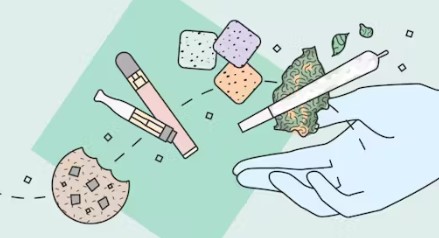
Candy Kush, like other cannabis strains, can be consumed through various methods, each affecting the onset, peak effects, duration, and bioavailability of cannabinoids differently. Understanding the pharmacokinetics (how cannabinoids are absorbed, distributed, metabolized, and excreted) is crucial for optimizing both recreational and medicinal use.
Methods of Ingestion
Each method of ingestion alters how THC, CBD, and other cannabinoids interact with the endocannabinoid system (ECS), affecting bioavailability, onset time, and duration of effects.
A. Inhalation (Smoking and Vaping)
Process:
- Inhalation allows cannabinoids to enter the bloodstream via alveoli in the lungs.
- THC is rapidly absorbed, leading to fast effects.
Onset & Duration:
- Onset: 2-5 minutes (fastest method)
- Peak Effects: 15-30 minutes
- Duration: 2-4 hours
Bioavailability:
- Smoking: ~25-30% of THC absorbed.
- Vaping: 40-60% bioavailability, as vaporization preserves more cannabinoids.
Scientific Considerations:
- Pros: Fast-acting, easier dose control.
- Cons: Combustion releases harmful toxins; vaping is a cleaner alternative.
B. Oral Consumption (Edibles, Capsules, Tinctures)
Process:
- The liver is where THC undergoes first-pass metabolism.
- Converts Δ9-THC into 11-hydroxy-THC, which is more potent and longer-lasting.
Onset & Duration:
- Onset: 30 to 90 minutes (delayed because of digestion)
- Peak Effects: 2-4 hours
- Duration: 6-12 hours (longest-lasting effects)
Bioavailability:
- Edibles: ~4-20% (low due to metabolism)
- Tinctures (sublingual): 15-35% (higher, as cannabinoids absorb directly into blood via mucosal membranes).
Scientific Considerations:
- Pros: Longer-lasting, stronger effects, ideal for medical use.
- Cons: Harder to dose, risk of overconsumption.
C. Sublingual (Tinctures, Sprays, Dissolvable Strips)
Process:
- Cannabinoids absorb through oral mucosa directly into the bloodstream, bypassing liver metabolism.
Onset & Duration:
- Onset: 15-45 minutes
- Peak Effects: 60-90 minutes
- Duration: 4-6 hours
Bioavailability:
- Sublingual absorption: 15-35% (higher than edibles, lower than inhalation).
Scientific Considerations:
- Pros: Avoids hepatic metabolism and has a quicker onset than edibles.
- Cons: Some loss due to swallowing.
D. Topical Application (Lotions, Balms, Transdermal Patches)
Process:
- Cannabinoids do not enter the bloodstream when applied as lotions.
- Transdermal patches, however, allow THC/CBD to penetrate the bloodstream for systemic effects.
Onset & Duration:
- Topical creams: 30-60 minutes (localized relief)
- Transdermal patches: Onset in 1-2 hours, lasting 6-12 hours.
Bioavailability:
- Topical creams: Negligible systemic absorption (acts locally).
- Transdermal patches: Up to 40% absorption rate, depending on formulation.
Scientific Considerations:
- Pros: Non-psychoactive localized relief (lotions), sustained systemic effects (patches).
- Cons: Patches can be expensive, slow onset.
Factors Affecting Onset, Peak, and Duration
Several physiological and external factors influence the effects of Candy Kush.
A. Individual Metabolism & Body Composition
- Faster metabolism → Shorter duration of effects.
- Higher body fat → THC stored in fat cells, leading to prolonged effects.
B. Food Intake
- Edibles with high-fat content (butter, oils) increase THC absorption.
- Empty stomach → Faster onset but more intense effects.
C. Cannabinoid Profile
- Higher THC (>20%) → More potent psychoactive effects.
- CBD presence → Moderates THC effects, reducing paranoia or anxiety.
D. Tolerance & Frequency of Use
- Chronic users may have downregulated CB1 receptors, leading to reduced effects.
- Tolerance resets with THC breaks (2-3 weeks without use).
Scientific Summary of Ingestion Methods
| Method | Onset | Peak | Duration | Bioavailability |
|---|---|---|---|---|
| Smoking | 2-5 min | 15-30 min | 2-4 hours | 25-30% |
| Vaping | 2-5 min | 15-30 min | 2-4 hours | 40-60% |
| Edibles | 30-90 min | 2-4 hours | 6-12 hours | 4-20% |
| Sublingual | 15-45 min | 60-90 min | 4-6 hours | 15-35% |
| Topical | 30-60 min | N/A | Localized | Negligible |
| Transdermal | 1-2 hours | 2-6 hours | 6-12 hours | Up to 40% |
Final Thoughts
- Fastest Onset: Inhalation (smoking, vaping)
- Longest-Lasting: Edibles
- Most Efficient Absorption: Vaping and Transdermal
- Best for Controlled Dosing: Sublingual and Transdermal patches
- Best for Localized Relief: Topical lotions and balms
Cannabinoid and Terpene Profile
Candy Kush has a high THC content ranging between 18 to 24 percent, with minimal CBD levels (usually below 1 percent). The dominant terpenes contribute to its aroma, flavor, and therapeutic effects.
Major Cannabinoids:
- THC: 18-24 percent (Primary psychoactive component, provides euphoric effects)
- CBD: Less than 1 percent (Minimal, but may contribute to minor therapeutic benefits)
- CBG: 1 percent (May contribute to anti-inflammatory and neuroprotective effects)
Dominant Terpenes:
- Myrcene – (Herbal, earthy) Sedative and pain-relieving properties.
- Limonene – (Citrusy, sweet) Uplifting, stress-relief, and mood-enhancing effects.
- Caryophyllene – (Peppery, spicy) Anti-inflammatory, pain relief, and stress reduction.
- Linalool – (Floral, lavender) Relaxation, anti-anxiety, and sedative effects.
Effects and Recreational Uses
Candy Kush is known for delivering a well-balanced high, making it a favorite for both depending on the dosage, both during the day and at night.
Initial Effects (Sativa Influence)
- Euphoria and Happiness: The Trainwreck genetics provide an uplifting cerebral effect, inducing euphoria and a positive mood.
- Creativity and Focus: Moderate doses can enhance creativity and motivation, making it suitable for artistic activities.
- Mild Energy Boost: Some users report an initial burst of energy before the indica effects set in.
Later Effects (Indica Influence)
- Deep Relaxation: The OG Kush lineage provides a full-body melt, reducing stress and tension.
- Couch-Lock at Higher Doses: When taken in larger amounts, Candy Kush can become quite sedating, leading to a heavy, lazy feeling.
- Pain Relief and Muscle Relaxation: Strong physical relief, making it beneficial for muscle tension and body aches.
- Sleep Induction: At higher doses, it may cause drowsiness, making it useful for insomnia relief.
Best Recreational Uses:
- Relaxing after a long day
- Social settings (low doses) due to its uplifting effects
- Creative endeavors like painting or writing
- Watching movies or gaming due to its relaxing and euphoric effects
Medical Benefits and Therapeutic Applications
Candy Kush is widely used in medical cannabis communities due to its versatile therapeutic effects.

Mental Health Benefits:
- Stress and Anxiety Relief: Limonene and linalool terpenes contribute to calming effects, making it beneficial for generalized anxiety disorder and PTSD.
- Depression Management: Its uplifting and mood-boosting effects may help those suffering from mild to moderate depression.
- Sleep Aid for Insomnia: Myrcene and THC work together to induce deep, restful sleep in higher doses.
Physical Health Benefits:
- Chronic Pain Relief: Effective for managing conditions like arthritis, migraines, and fibromyalgia.
- Muscle Relaxation and Spasms: Often used by patients with multiple sclerosis and muscle spasticity disorders.
- Appetite Stimulation: Useful for those undergoing chemotherapy or suffering from loss of appetite due to illness.
- Nausea and Gastrointestinal Relief: May provide relief for nausea and digestive disorders.
Scientific Insights and Pharmacological Properties
Research on Candy Kush’s primary compounds (THC, myrcene, limonene) has provided evidence for its potential pharmacological effects:
- THC’s Neuroprotective Role: Studies suggest THC has neuroprotective properties, which may be useful for Alzheimer’s disease and neurodegenerative disorders.
- Myrcene’s Sedative Properties: Research shows myrcene has muscle relaxant and sedative effects, contributing to Candy Kush’s relaxing nature.
- Caryophyllene’s Anti-Inflammatory Potential: Caryophyllene interacts with CB2 receptors, making it useful for inflammation-related disorders.
Potential Side Effects
While Candy Kush is well-tolerated by most users, some potential side effects include:
- Dry Mouth and Dry Eyes: Common with THC-rich strains.
- Dizziness or Lightheadedness: Especially in novice users or those with low tolerance.
- Mild Anxiety or Paranoia: In sensitive users, high doses may lead to temporary anxiety.
- Sedation and Lethargy: At higher doses, it can cause couch-lock and drowsiness.
Cultivation and Growing Information
Candy Kush is relatively easy to grow, making it popular among home cultivators.
Cultivating Candy Kush effectively requires precise control over environmental conditions, nutrient management, and plant training techniques. Below are the key scientific methods applied in its cultivation:
1. Optimizing Environmental Conditions
- Temperature: Ideal range is 70-80°F (21-27°C) during the day and slightly lower at night.
- Humidity Levels:
- Vegetative Stage: 50-60% RH
- Flowering Stage: 40-50% RH to prevent mold and bud rot.
- Lighting:
- Indoor cultivation requires high-intensity discharge (HID) lights (HPS or LED) with a PAR range of 400-700 nm.
- Light cycle: 18/6 for vegetative phase, switching to 12/12 for flowering to trigger bud development.
2. Soil and Hydroponic Growing Methods
- Soil Cultivation:
- Best soil pH: 6.0-6.5.
- Use organic soil enriched with perlite, vermiculite, and compost for better aeration.
- Hydroponic Cultivation:
- Increased yields and quicker growth as a result of direct nutrient absorption.
- Requires a pH range of 5.5-6.0 and consistent EC monitoring for nutrient balance.
3. Nutrient Management
- Macronutrients:
- Nitrogen (N) for vegetative growth.
- Phosphorus (P) and Potassium (K) for flowering and bud density.
- Micronutrients:
- Calcium (Ca) and Magnesium (Mg) prevent deficiencies leading to yellowing leaves.
- Silica supplements strengthen plant cell walls, increasing resistance to pests.
- Feeding Schedule:
- Adjust nutrient PPM (Parts Per Million) based on plant stage:
- Seedling: 100-250 PPM
- Vegetative: 500-800 PPM
- Flowering: 1000-1600 PPM (reduce nitrogen in late flowering)
- Adjust nutrient PPM (Parts Per Million) based on plant stage:
4. Training Techniques for Higher Yields
- Low-Stress Training (LST): Gently bending branches to create even light exposure.
- Screen of Green (ScrOG): Uses a horizontal net to encourage even canopy development.
- Topping and FIMing: Cutting the main stem to promote multiple colas instead of a single dominant one.
5. Pest and Disease Management
- Common Threats: Spider mites, powdery mildew, and fungus gnats.
- Preventive Measures:
- Use Neem oil and organic insecticides.
- Maintain good airflow with oscillating fans.
- Sterilize equipment to prevent contamination.
6. Harvesting and Curing
- Harvest Time Indicators:
- Trichomes turn milky-white with some amber for peak THC potency.
- Pistils darken to reddish-brown.
- Drying Process:
- Hang buds in a dark room at 60°F (15°C) with 50% humidity for 7-10 days.
- Curing for Enhanced Potency and Flavor:
- Store dried buds in airtight glass jars, burping them daily for 2-3 weeks to develop a smoother smoke.
Conclusion
Candy Kush is a versatile hybrid strain with powerful recreational and medicinal benefits. Its sweet flavor, well-balanced effects, and high THC content make it a favorite among cannabis enthusiasts. Whether used for stress relief, pain management, or relaxation, Candy Kush remains one of the most popular strains available today.
Best For:
- Relaxation
- Pain relief
- Stress reduction
- Mild euphoria
- Insomnia relief (higher doses)
With its easy cultivation process, strong genetics, and well-rounded effects, Candy Kush continues to be a top-tier cannabis strain for both medical and recreational users.
For a complete directory of cultivars, visit our Cannabis Strain Reviews.
