Table of Contents
Candy Jack is a Sativa-dominant hybrid known for its sweet, citrusy flavor and invigorating effects. It is a cross between the classic Jack Herer and Cotton Candy strains, resulting in a potent and well-balanced cannabis variety that offers both euphoria and cerebral stimulation. With an average THC content ranging from 18% to 27%, Candy Jack is a favorite among users who seek a clear-headed high combined with a burst of energy.
Genetics and Lineage
- Parent Strains:
- Jack Herer – A legendary Sativa-dominant strain known for its uplifting effects and earthy, pine-like aroma.
- Cotton Candy – A hybrid strain recognized for its sugary sweetness and relaxing qualities.
- Dominance: Sativa-dominant (Approximately 70% Sativa, 30% Indica)
- THC Content: 18% – 27%
- CBD Content: ~0.2% – 0.5%
Appearance, Aroma, and Flavor
Appearance
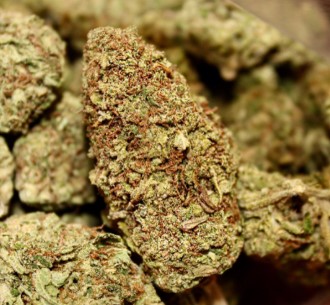
Candy Jack’s buds are compact, dense, and coated in a thick layer of trichomes, indicating a high potency. The buds exhibit vibrant lime green hues with orange pistils weaving throughout, giving them an enticing look. The resin-rich surface adds to its overall appeal, making it a visually striking strain.
Aroma
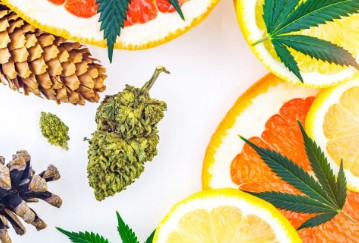
Candy Jack features a sweet, citrusy, and skunky aroma, inherited from its Jack Herer lineage. Upon grinding, users will notice hints of pine, earth, and a touch of diesel, giving it a complex and robust scent.
Flavor Profile
- Sweet candy-like taste with undertones of citrus and tropical fruit
- Hints of earthy pine and spicy herbs
- Smooth smoke with a slightly skunky and sour aftertaste
Effects and Benefits
Recreational Uses
Candy Jack is widely appreciated for its energetic and uplifting effects, making it a great daytime strain. It offers a clear-headed high with intense euphoria and creativity, making it suitable for various activities:
- Creative Enhancement – Artists, musicians, and writers enjoy Candy Jack for its ability to boost imagination and focus.
- Socializing – The euphoric buzz makes social interactions more enjoyable and stimulating.
- Outdoor Activities – Ideal for hikes, workouts, and adventures where an extra boost of energy is needed.
- Gaming and Productivity – Many users report that it helps maintain concentration and engagement in tasks that require attention.
Medical Uses
Candy Jack is not only a recreational delight but also offers numerous medical benefits. Its Sativa-heavy effects make it suitable for treating conditions that require mental clarity and motivation.
1. Mood Disorders (Depression, Anxiety, and Stress Relief)
- The uplifting and euphoric effects of Candy Jack can combat depression and chronic stress.
- It promotes a sense of happiness and well-being, making it beneficial for individuals struggling with anxiety and PTSD.
- Candy Jack helps reduce mental fatigue and enhances positive emotions.
2. Fatigue and Lack of Motivation
- With its energizing effects, Candy Jack is excellent for individuals experiencing fatigue and lethargy.
- It provides a natural boost of energy without the jitters associated with caffeine.
3. Pain Management
- Though not as strong as Indica strains for pain relief, Candy Jack helps with mild to moderate pain conditions such as:
- Headaches and migraines
- Chronic pain from arthritis
- Muscle tension
- Its anti-inflammatory properties may help alleviate discomfort associated with joint pain and inflammation.
4. Appetite Stimulation and Digestive Issues
- Some users report increased appetite after consuming Candy Jack, making it useful for those with eating disorders or appetite loss brought on by medical interventions.
- It may help with nausea relief, making it beneficial for cancer patients undergoing chemotherapy.
Scientific Analysis and Cannabinoid Profile
THC and CBD Ratios
- THC: 18% – 27%
- CBD: 0.2% – 0.5%
- CBG: ~1%
- Terpenes:
- Limonene (Citrus aroma, mood-enhancing properties)
- Pinene (Anti-inflammatory, respiratory benefits)
- Caryophyllene (Pain relief, stress reduction)
- Myrcene (Sedative effects, muscle relaxation)
Neurological and Cognitive Effects
Studies suggest that Sativa strains like Candy Jack may promote dopamine release, enhancing cognitive functions such as focus, memory retention, and motivation. It may also have neuroprotective properties, potentially aiding individuals with neurodegenerative conditions like Alzheimer’s and Parkinson’s disease.

Endocannabinoid System Interaction
Candy Jack primarily interacts with CB1 receptors in the brain, leading to increased dopaminergic and serotonergic activity. This explains its effectiveness in mood regulation and stress reduction.
Consumption Methods and Dosage
The method of ingestion significantly affects the onset time, peak effects, and duration of Candy Jack’s psychoactive and therapeutic properties. Below is a detailed scientific breakdown of the various methods of consumption, their absorption mechanisms, and how they influence the experience.
Methods of Ingestion and Their Pharmacokinetics
a) Inhalation (Smoking and Vaping)
- Absorption Mechanism:
- Via the lungs’ alveoli, cannabinoids enter the bloodstream.
- Direct interaction with CB1 receptors in the brain, leading to rapid onset of effects.
- Onset Time:
- Smoking (Joints, Bongs, Pipes): 1–5 minutes
- Vaporizing: 1–3 minutes (faster due to higher bioavailability)
- Peak Effects: 10–30 minutes after inhalation
- Duration: 2–4 hours
- Bioavailability: ~20–56% (varies based on depth of inhalation and lung capacity)
- Advantages:
- Fastest onset of effects.
- Allows precise dosage control.
- Higher bioavailability compared to oral ingestion.
- Disadvantages:
- Possible respiratory irritation due to combustion byproducts.
- Effects that last less time than edibles.
b) Oral Consumption (Edibles, Capsules, Tinctures, Sublinguals)
1. Edibles (Gummies, Baked Goods, Beverages, Oils)
- Absorption Mechanism:
- THC is metabolized in the liver into 11-hydroxy-THC, which is 5–10 times more psychoactive than Δ9-THC.
- Slower absorption due to digestion and metabolism in the gastrointestinal tract.
- Onset Time: 30–120 minutes
- Peak Effects: 2–4 hours
- Duration: 6–12 hours
- Bioavailability: ~4–20% (lower due to first-pass metabolism)
- Advantages:
- Longer-lasting effects.
- More intense body high due to 11-hydroxy-THC conversion.
- Disadvantages:
- Delayed onset can lead to overconsumption if users are impatient.
- Harder to precisely control dosage compared to inhalation.
2. Tinctures (Sublingual Administration)
- Absorption Mechanism:
- Absorbed through the sublingual mucosa (under the tongue) into the bloodstream, bypassing first-pass metabolism.
- Onset Time: 15–45 minutes
- Peak Effects: 1–2 hours
- Duration: 4–8 hours
- Bioavailability: ~12–35% (higher than edibles but lower than inhalation)
- Advantages:
- Faster onset than edibles.
- Easier to dose precisely with a dropper.
- Disadvantages:
- Taste can be strong or bitter depending on formulation.
- Shorter duration than edibles but longer than smoking.
c) Transdermal Patches (Topicals for Systemic Absorption)
- Absorption Mechanism:
- Cannabinoids penetrate the skin and enter the bloodstream for sustained systemic effects.
- Avoids first-pass metabolism, leading to consistent, steady cannabinoid release.
- Onset Time: 30–60 minutes
- Peak Effects: 2–4 hours
- Duration: 8–12 hours
- Bioavailability: Higher than edibles (~30–50%) due to direct absorption into blood vessels.
- Advantages:
- Steady release of cannabinoids, avoiding fluctuations in effects.
- Non-psychoactive options available (e.g., CBD patches).
- Disadvantages:
- Limited availability of THC-dominant transdermal patches.
- Slower onset than inhalation or sublingual methods.
Comparative Analysis of Onset, Peak, and Duration
| Method | Onset Time | Peak Effects | Duration | Bioavailability |
|---|---|---|---|---|
| Smoking | 1–5 min | 10–30 min | 2–4 hours | 20–56% |
| Vaping | 1–3 min | 10–20 min | 2–4 hours | 40–60% |
| Edibles | 30–120 min | 2–4 hours | 6–12 hours | 4–20% |
| Tinctures | 15–45 min | 1–2 hours | 4–8 hours | 12–35% |
| Transdermal | 30–60 min | 2–4 hours | 8–12 hours | 30–50% |
Factors Affecting Duration and Onset
a) Individual Physiology
- Metabolism Rate: Faster metabolism leads to shorter duration and quicker onset.
- Body Fat Percentage: THC is fat-soluble, meaning higher fat stores lead to longer duration.
- Tolerance Level: Regular users experience faster onset but shorter duration due to desensitization of CB1 receptors.
b) Food Intake
- Consuming edibles on an empty stomach leads to faster onset but increased intensity.
- A high-fat meal before ingestion enhances THC absorption and prolongs effects.
c) Cannabinoid and Terpene Profile
- High Myrcene Content: Increases THC absorption, leading to a quicker onset.
- Presence of CBD: Modulates THC effects by reducing anxiety and extending duration.
Growing Information
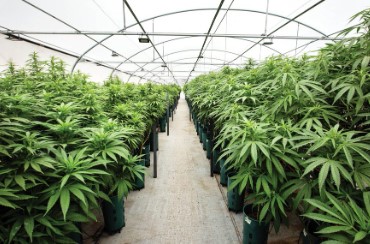
Cultivating Candy Jack successfully requires precision in environmental control, nutrient management, and training techniques to maximize yield and potency. Here’s a scientific breakdown of the best methods to optimize its growth:
Environmental Conditions for Optimal Growth
a) Temperature and Humidity Control
- Vegetative Stage:
- Temperature: 72–80°F (22–27°C)
- Humidity: 50–60%
- Reason: Higher humidity supports transpiration and nutrient uptake while preventing excessive water loss.
- Flowering Stage:
- Temperature: 68–78°F (20–25°C)
- Humidity: 40–50% (gradually reduced to 30% in late flowering)
- Reason: Lower humidity reduces the risk of mold and bud rot while enhancing resin production.
b) Light Requirements and Photoperiod Management
- Indoor:
- Seedling Stage: 18–24 hours of light daily
- Vegetative Stage: 18/6 light-dark cycle
- Flowering Stage: 12/12 light-dark cycle
- Optimal PPFD: 600–900 µmol/m²/s during flowering
- Recommended Spectrum: Full-spectrum LED or HPS lamps for maximizing THC and terpene development
- Outdoor:
- Best grown in Mediterranean climates with at least 10–12 hours of sunlight daily.
- Requires south-facing exposure in the Northern Hemisphere to optimize light absorption.
Soil, Nutrients, and pH Management
a) Soil vs. Hydroponics
- Soil:
- Best for organic cultivation, using living soil with microbial diversity.
- Ideal Soil Composition:
- Loamy texture for optimal drainage and aeration.
- pH Range: 6.0–6.8
- Nutrient Enrichment: Compost, worm castings, bat guano, perlite for aeration.
- Hydroponics:
- Ideal for maximum yield and faster nutrient absorption.
- Optimal Hydroponic pH: 5.5–6.2
- EC Levels: 1.2–1.8 mS/cm in vegetative, 1.6–2.2 mS/cm in flowering.
- Common Systems: Deep Water Culture (DWC), Nutrient Film Technique (NFT), and Aeroponics.
b) Nutrient Management
- Vegetative Stage:
- High Nitrogen (N): Promotes strong leaf and stem growth.
- Phosphorus (P) & Potassium (K): Moderate levels to develop root structure.
- Micronutrients: Calcium, Magnesium, and Iron essential for photosynthesis.
- Flowering Stage:
- Higher Phosphorus and Potassium: Enhances bud formation and trichome production.
- Lower Nitrogen: Reduces excess vegetative growth that can interfere with bud development.
- Flushing:
- Conducted 1–2 weeks before harvest using pH-balanced water to remove residual nutrients for a smoother smoke.
3. Training and Growth Optimization
a) Low-Stress Training (LST)
- Gently bending and tying branches to improve light exposure and enhance airflow.
- Encourages even bud distribution and higher cannabinoid production.
b) High-Stress Training (HST) Techniques
- Topping: To encourage more than one cola, cut the primary stem.
- Supercropping: Gently breaking stems to increase resin production and structural integrity.
c) Sea of Green and Screen of Green (ScrOG)
- ScrOG: A mesh screen is used to train branches, ensuring even canopy development.
- SOG: Growing many small plants close together to maximize yield in limited space.
Pest and Disease Control
- Common Threats: Spider mites, powdery mildew, aphids.
- Preventative Measures:
- Neem oil, predatory insects (ladybugs), and organic fungicides for pest control.
- Proper airflow and humidity control to prevent mold.
Harvesting and Curing
a) Trichome Analysis for Harvest Timing
- Clear Trichomes: Not ready.
- Milky Trichomes: Peak THC potency.
- Amber Trichomes: More sedative effects, higher CBN content.
b) Drying and Curing Process
- Drying: 7–14 days at 60–70°F and 50–60% humidity.
- Curing: 2–8 weeks in airtight glass jars to enhance terpene profile.
Conclusion
Candy Jack is a powerful, Sativa-dominant hybrid with a blend of sweet flavors, cerebral stimulation, and therapeutic benefits. Its high THC content makes it a top choice for both recreational and medical users, offering mental clarity, energy, and euphoria. While it can be overwhelming for beginners, proper dosing and responsible consumption can help users maximize its benefits while minimizing side effects.
Whether you are looking for an uplifting, creativity-boosting strain or a natural remedy for stress, fatigue, and pain, Candy Jack remains an exceptional cannabis variety worth exploring.
For a complete directory of cultivars, visit our Cannabis Strain Reviews.
