Table of Contents
Candy Cream is an indica-dominant hybrid cannabis strain that has gained popularity for its sweet flavor profile, relaxing effects, and medicinal potential. Known for its resin-rich buds and captivating aroma, Candy Cream offers a unique experience that serves both medical patients and recreational consumers.
This comprehensive guide delves into the history, genetics, chemical composition, cultivation practices, and specific applications of Candy Cream cannabis.
Genetics and Origins
Candy Cream is the result of meticulous breeding, often combining parent strains with indica-heavy genetics to produce its signature effects. While the exact lineage may vary depending on the breeder, the strain is commonly believed to be a cross of Blue Black, Maple Leaf Indica, and White Rhino. These parent strains contribute to its distinctive characteristics:
- Blue Black: Known for its sedative effects and fruity flavor, Blue Black adds depth to Candy Cream’s relaxing properties.
- Maple Leaf Indica: Renowned for its sweet, hashy aroma, this strain contributes significantly to Candy Cream’s flavor profile and potency.
- White Rhino: A powerful indica-dominant strain, White Rhino enhances Candy Cream’s relaxing and therapeutic effects.
Appearance, Aroma, and Flavor
Appearance: Candy Cream’s buds are dense, medium-sized, and heavily coated in trichomes, giving them a frosty appearance. The leaves are a mix of forest green and purple hues, often accented with fiery orange pistils.
Aroma: The strain’s aroma is a blend of sweet and earthy notes, with hints of vanilla, caramel, and a subtle skunky undertone. When ground, it releases a rich, dessert-like fragrance.
Flavor: Candy Cream lives up to its name with a sugary, creamy taste that’s reminiscent of candies or baked goods. The flavor profile includes:
- Sweet caramel
- Vanilla undertones
- Earthy and woody notes on exhale
Chemical Composition
Candy Cream’s effects and applications are deeply rooted in its chemical makeup. Here’s a breakdown of its primary compounds:
1. Cannabinoids:
- THC: Typically ranges from 18% to 24%, making it potent but not overwhelmingly so. The high THC content contributes to its euphoric and sedative effects.
- CBD: Present in trace amounts (0.1% to 0.5%), CBD plays a minor role in balancing the strain’s psychoactivity but is not a primary component.
2. Terpenes:
Candy Cream’s terpene profile enhances its aroma, flavor, and therapeutic properties. Key terpenes include:
- Myrcene: Promotes relaxation and is often associated with sedative effects.
- Caryophyllene: Known for its anti-inflammatory and analgesic properties, it also adds a spicy kick to the flavor.
- Limonene: Provides citrusy notes and mood-enhancing effects.
- Linalool: Contributes to the strain’s floral aroma and calming effects.
3. Flavonoids: Although not as widely studied as cannabinoids and terpenes, flavonoids like cannaflavins may contribute to Candy Cream’s anti-inflammatory and antioxidant properties.
Effects and Experience
Candy Cream’s effects are primarily indica-driven, making it ideal for evening or nighttime use. Users can expect the following experiences:
- Initial Onset: A mild cerebral euphoria that uplifts the mood and promotes a sense of happiness.
- Body Relaxation: Deep physical relaxation sets in, often leading to a couch-lock effect.
- Sedation: As the high progresses, users typically feel drowsy and ready for sleep.
This combination makes Candy Cream a favorite among those seeking stress relief, pain management, and improved sleep quality.
Recreational Uses
Candy Cream’s enjoyable flavor and relaxing effects make it a popular choice among recreational users. Specific uses include:
- Relaxation: Ideal for unwinding after a long day, Candy Cream helps users achieve a state of deep relaxation.
- Social Settings: While it’s more sedative than energizing, small doses can make for a mellow, sociable experience.
- Culinary Exploration: The strain’s sweet and creamy flavor makes it a favorite for cannabis-infused edibles like brownies, cookies, and gummies.
Medical Applications
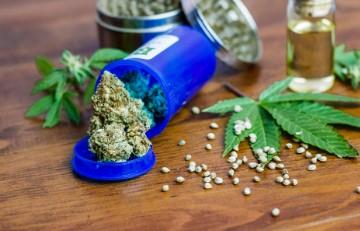
Candy Cream is highly regarded for its therapeutic potential, addressing a range of medical conditions. Here’s a detailed look at its specific applications:
1. Pain Relief: The high THC content and presence of caryophyllene make Candy Cream effective in alleviating chronic pain, muscle spasms, and migraines.
2. Stress and Anxiety: With its uplifting and calming effects, the strain is beneficial for managing stress, anxiety, and mild depression. The limonene and linalool terpenes contribute to its anxiolytic properties.
3. Insomnia: Thanks to its sedative nature, Candy Cream is a go-to strain for individuals struggling with sleep disorders. It promotes restful sleep without causing grogginess the next morning.
4. Appetite Stimulation: Candy Cream can help combat appetite loss, making it a valuable option for patients undergoing treatments like chemotherapy.
5. Inflammation: The anti-inflammatory properties of myrcene and caryophyllene make the strain suitable for conditions like arthritis and Crohn’s disease.
Scientific Insights
Research into Candy Cream and similar indica-dominant hybrids provides valuable insights into its efficacy and safety:
1. Cannabinoid-Terpene Synergy: Studies highlight the “entourage effect,” where cannabinoids and terpenes work together to enhance therapeutic outcomes. Candy Cream’s blend of THC, myrcene, and caryophyllene exemplifies this synergy.
2. Sedative Effects: Research on myrcene suggests that it significantly contributes to the “couch-lock” effect associated with indica strains. Candy Cream’s high myrcene levels align with these findings.
3. Neuroprotective Properties: Preliminary studies indicate that THC and certain terpenes may have neuroprotective effects, potentially benefiting patients with neurodegenerative disorders like Alzheimer’s disease.
4. Pain Management: The analgesic properties of caryophyllene, a unique terpene that interacts with CB2 receptors, make Candy Cream a promising candidate for non-opioid pain relief.
Candy Cream Cultivation
1. Understanding Growth Phases
Candy Cream, like other cannabis plants, undergoes several key stages of growth:
- Germination: Seeds sprout and develop roots within 1–7 days.
- Seedling Stage: A critical phase lasting 2–3 weeks, where the plant develops its first true leaves.
- Vegetative Stage: Lasting 4–8 weeks, plants grow rapidly, focusing on stem and leaf development.
- Flowering Stage: Typically 8–10 weeks, where buds form and mature. This is the most critical phase for maximizing yield and quality.
Each stage requires tailored environmental conditions and nutrient regimens.
2. Ideal Growing Environment
Scientific research highlights optimal conditions for cannabis growth:
- Light: Candy Cream thrives under high-intensity light, especially during flowering.
- Recommendation: Full-spectrum LED lights with 600–1000 μmol/m²/s PAR output.
- Temperature: Maintain between 70–85°F (21–29°C). Slightly cooler temperatures during flowering enhance resin and color development.
- Humidity:
- Vegetative Stage: 60–70% relative humidity (RH).
- Flowering Stage: Gradually decrease to 40–50% RH to prevent mold and enhance trichome production.
- CO₂ Levels: Increasing CO₂ to 1200–1500 ppm during flowering boosts photosynthesis and yields.
3. Soil vs. Hydroponics
- Soil Cultivation: Rich, organic soil with a pH of 6.0–7.0 is ideal. Amendments like compost, perlite, and mycorrhizal fungi improve aeration and nutrient uptake.
- Hydroponics: Using inert mediums like coco coir or rockwool in combination with nutrient solutions provides precise control over nutrient delivery. Ideal pH: 5.5–6.5.
Tip: Hydroponics often results in faster growth and higher yields but requires advanced monitoring systems.
4. Nutritional Needs
Nutrient requirements vary by growth stage:
- Seedling Stage: Minimal nutrients, focus on root development.
- Vegetative Stage: High nitrogen (N) levels to promote leaf and stem growth.
- Flowering Stage: Reduce nitrogen, increase phosphorus (P) and potassium (K) for bud development.
Supplemental Nutrients:
- Calcium and magnesium (Cal-Mag) for healthy cell walls and photosynthesis.
- Micronutrients like iron, zinc, and manganese for enzymatic functions.
5. Training Techniques for Maximum Yield
Candy Cream compact structure benefits from advanced training methods:
- Low-Stress Training (LST): Gently bending stems to create an even canopy and increase light penetration.
- Topping: To promote lateral growth and more bud sites, the main stem should be cut.
- Screen of Green (ScrOG): Using a horizontal screen to guide plant growth, maximizing light efficiency.
6. Pest and Disease Management
Preventative measures are key to healthy plants:
- Common Pests: Aphids, spider mites, and whiteflies.
- Control: Neem oil sprays, predatory insects (ladybugs), or insecticidal soaps.
- Diseases: Powdery mildew and root rot.
- Control: Proper airflow, consistent monitoring of soil moisture, and use of fungicides.
Scientific Insight: Beneficial microorganisms like Trichoderma and Bacillus subtilis can improve root health and protect against pathogens.
7. Flowering and Harvest
Candy Cream flowering phase lasts 8–10 weeks. Key scientific considerations include:
- Lighting: Switch to a 12/12 light cycle (12 hours light, 12 hours dark) to trigger flowering.
- Harvest Timing: Monitor trichomes with a magnifying glass:
- Clear trichomes = Immature.
- Cloudy trichomes = Peak THC levels.
- Amber trichomes = More sedative effects.
- Flushing: Stop nutrient feeding 1–2 weeks before harvest and water with pH-balanced water to improve flavor and reduce harshness.
8. Post-Harvest: Drying and Curing
Proper drying and curing are crucial for preserving Candy Cream flavor, potency, and aroma:
- Drying:
- Environment: 60–70°F (15–21°C) with 50–60% RH.
- Time: 7–10 days, until stems snap cleanly.
- Curing:
- Place dried buds in airtight glass jars.
- For the first week, open the jars every day to let the moisture out (also known as “burping”).
- Keep for two to four weeks in a cool, dark area.
9. Yield Optimization
Scientific studies show that training techniques, CO₂ supplementation, and consistent monitoring of environmental variables can increase Candy Cream yield to 500–600 grams per square meter indoors under optimal conditions.
Consumption Methods
Candy Cream’s versatility extends to various consumption methods:
- Smoking: The classic method, providing quick onset of effects.
- Vaporizing: Preserves terpenes and reduces exposure to harmful byproducts.
- Edibles: Ideal for longer-lasting effects, especially for medical users.
- Tinctures and Oils: Allow for precise dosing and discreet use.
Candy Cream Cannabis Ingestion, Duration, Onset, and Effects
1. Methods of Ingestion
Candy Cream diverse chemical profile lends itself to various ingestion methods, each with unique characteristics in terms of onset, duration, and effects.
A. Smoking
- Process: Combusting the flower in joints, pipes, or bongs.
- Onset: 1–5 minutes.
- Duration: 1–3 hours.
- Advantages: Quick onset allows users to titrate their dosage effectively.
- Drawbacks: Combustion produces harmful byproducts that may irritate the respiratory system.
- Scientific Note: Studies show smoking delivers cannabinoids rapidly to the bloodstream through pulmonary absorption, but approximately 30% of THC is lost during combustion.\n\n—
B. Vaporizing (Dry Herb or Concentrates)
- Process: Heating flower or concentrates to release cannabinoids and terpenes without combustion.
- Onset: 1–5 minutes.
- Duration: 2–3 hours.
- Advantages: Preserves terpenes and minimizes harmful byproducts.
- Scientific Note: Vaporization typically operates at 315–440°F (157–227°C), optimizing the release of THC, CBD, and key terpenes like myrcene and caryophyllene.
C. Edibles
- Process: Consuming infused foods or beverages.
- Onset: 30–120 minutes, depending on individual metabolism and stomach contents.
- Duration: 4–8 hours, with peak effects lasting 2–4 hours.
- Advantages: Long-lasting effects, discreet, and ideal for patients requiring extended relief.
- Drawbacks: Difficult to titrate dosage due to delayed onset.
- Scientific Note: When ingested, THC is metabolized by the liver into 11-hydroxy-THC, a compound more potent and longer-lasting than delta-9-THC.
D. Tinctures and Sublingual Sprays

- Process: Cannabis extracts suspended in alcohol or oils, administered under the tongue.
- Onset: 15–45 minutes.
- Duration: 2–6 hours.
- Advantages: Faster onset compared to edibles, with precise dosing.
- Scientific Note: Sublingual administration allows cannabinoids to bypass first-pass metabolism, increasing bioavailability.

E. Topicals (Lotions, Balms, and Patches)
- Process: Applied directly to the skin for localized relief.
- Onset: 15–30 minutes.
- Duration: 2–6 hours (longer for transdermal patches).
- Advantages: Non-psychoactive, ideal for localized pain and inflammation.
- Scientific Note: Topical application primarily interacts with CB2 receptors in the skin, while transdermal patches may allow cannabinoids to enter the bloodstream for systemic effects.
2. Duration and Onset by Method
| Method | Onset | Peak Effects | Total Duration | Key Factors |
|---|---|---|---|---|
| Smoking | 1–5 minutes | 20–30 minutes | 1–3 hours | Pulmonary absorption is rapid. |
| Vaporizing | 1–5 minutes | 20–30 minutes | 2–3 hours | Heat optimizes cannabinoid release. |
| Edibles | 30–120 minutes | 2–4 hours | 4–8 hours | Liver metabolism enhances potency. |
| Sublingual | 15–45 minutes | 1–2 hours | 2–6 hours | Absorbed directly into the bloodstream. |
| Topicals | 15–30 minutes | N/A | 2–6 hours | Localized effects only. |
3. Effects of Candy Cream by Ingestion Method
The effects of Candy Cream are influenced by its cannabinoid and terpene profile, which interacts with the body endocannabinoid system. Key terpenes like myrcene, caryophyllene, and limonene contribute to the strain unique experience.
- Smoking/Vaporizing:
Users report an almost immediate sense of euphoria and relaxation. The rapid absorption results in a balanced cerebral and physical effect, transitioning into deep relaxation within 20 minutes. - Edibles:
Edibles often produce a more intense, body-heavy effect due to the conversion of THC into 11-hydroxy-THC. Users report profound relaxation, sometimes leading to couch-lock, ideal for pain relief or insomnia. - Tinctures:
Tinctures offer a balanced experience, with faster onset than edibles. They are popular among medical users for their precise dosing and sustained effects. - Topicals:
Provide targeted relief for pain and inflammation without psychoactive effects, making them suitable for conditions like arthritis or localized injuries.
4. Scientific Insights into Cannabinoid Onset and Bioavailability
- Smoking: THC bioavailability via smoking is approximately 25–30%. Effects are felt within minutes due to rapid diffusion across alveolar membranes in the lungs.
- Edibles: THC bioavailability in edibles ranges from 4–12%, as cannabinoids must pass through the digestive system. The conversion to 11-hydroxy-THC, however, enhances potency.
- Sublingual: Offers higher bioavailability than edibles (10–35%) because it bypasses first-pass metabolism.
5. Interaction with the Endocannabinoid System (ECS)
The effects of Candy Cream are mediated through the ECS, which regulates pain, mood, appetite, and sleep. Key interactions include:
- CB1 Receptors: THC binding to CB1 receptors in the brain leads to euphoria and relaxation.
- CB2 Receptors: Caryophyllene interaction with CB2 receptors contributes to its anti-inflammatory and analgesic effects.
6. Factors Influencing Onset and Duration
- Individual Tolerance: Frequent cannabis users may experience reduced sensitivity due to receptor downregulation.
- Metabolism: Faster metabolism results in quicker onset and shorter duration.
- Terpene Profile: Myrcene enhances THC absorption, intensifying the sedative effects of Candy Cream.
7. Long-Term Considerations
- Tolerance Development: Chronic use of high-THC strains like Candy Cream can lead to tolerance. Cycling strains or using lower doses helps maintain efficacy.
- Synergistic Effects: Research highlights the “entourage effect,” where cannabinoids and terpenes work synergistically. This explains why Candy Cream effects differ from THC alone.
Potential Side Effects
Like all cannabis strains, Candy Cream may cause side effects, especially when consumed in high doses. Common issues include:
- Dry mouth and dry eyes
- Dizziness
- Mild paranoia or anxiety (in THC-sensitive individuals)
- Increased appetite
Start with a low dose and increase it gradually as necessary to reduce negative effects.
Conclusion
Candy Cream is a well-rounded cannabis strain that appeals to a wide range of users. Its sweet flavor, relaxing effects, and therapeutic benefits make it a valuable addition to the cannabis market. Whether you’re a recreational user seeking a flavorful experience or a medical patient looking for relief, Candy Cream offers a balanced and satisfying option.
By understanding its genetics, chemical composition, and applications, consumers and cultivators alike can make informed decisions about incorporating Candy Cream into their cannabis repertoire.
For a complete directory of cultivars, visit our Cannabis Strain Reviews.
