Table of Contents
Can you travel on a plane with medical marijuanas
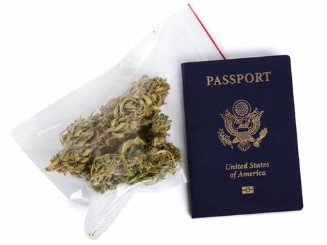
Traveling with medical marijuana can be complex due to the intersection of federal and state laws in the United States, as well as varying international regulations. While medical cannabis is legal in many U.S. states and some countries, it remains a Schedule I controlled substance under U.S. federal law. This creates legal gray areas, particularly when traveling by air, which falls under federal jurisdiction. Below is a detailed exploration of the key considerations, regulations, and practical tips for traveling with medical marijuana.
1. Federal vs. State Law: The Legal Conflict
The primary complication for traveling with medical marijuana stems from the legal conflict between federal and state laws:
- Federal Status: Cannabis, including medical marijuana, is classified as a Schedule I substance under the Controlled Substances Act. This means it’s considered to have no accepted medical use and a high potential for abuse, making it illegal under federal law to possess or transport it.
- State Laws: Many U.S. states have legalized medical marijuana. In these states, individuals with valid medical marijuana cards can legally purchase, possess, and use cannabis according to local regulations.
- Conflict at Airports: Air travel in the U.S. is regulated by the Transportation Security Administration (TSA), a federal agency. TSA officers are required to enforce federal laws and not state-specific cannabis laws.
2. TSA’s Role and Policy on Medical Marijuana
While TSA’s primary role is ensuring air travel security, it does have policies regarding marijuana:
- TSA Screening Procedures:
- TSA agents do not actively look for illegal narcotics like marijuana.
- If marijuana is discovered during screening (in a carry-on or checked bag), TSA officers must refer the matter to local law enforcement.
- Medical Marijuana and TSA:
- TSA allows FDA-approved cannabis-derived products, such as Epidiolex (a CBD-based medication).
- The TSA website explicitly states: “Possession of marijuana and cannabis-infused products, such as cannabidiol (CBD) oil, is illegal under federal law,” unless the product is approved by the FDA or contains less than 0.3% THC derived from hemp (as permitted under the 2018 Farm Bill).
3. State-by-State Variability in the U.S.
Because states have differing laws, traveling even between two states where medical marijuana is legal can still present challenges:
- Reciprocity: Some states recognize out-of-state medical marijuana cards, while others do not.
- Airport Rules:
- Airports in legal states (e.g., LAX in California, Denver International in Colorado) may have cannabis amnesty boxes or policies allowing possession within state limits.
- Once inside the airport’s secure area, federal law takes precedence, increasing the risk of legal consequences.
4. Domestic Air Travel: Key Considerations
If you must travel with medical marijuana within the U.S., consider the following:

a. Documentation:
- Always carry your valid state-issued medical marijuana card.
- Bring a copy of your physician’s recommendation or medical documentation.
- Keep cannabis in its original packaging, clearly labeled from a licensed dispensary.
b. Quantity Restrictions:
- Only carry the amount legally permitted by your home state or the state you’re visiting.
- Exceeding possession limits may be considered intent to distribute, a more serious offense.
c. Storage and Discretion:
- Use smell-proof, child-resistant containers.
- Avoid carrying cannabis in checked luggage to reduce risk of complications.
- Keep products out of sight and don’t advertise your possession.
d. Alternative Forms:
- Opt for non-smokable forms like capsules, tinctures, or edibles for travel, which are more discreet and easier to justify as medication.
- Ensure edibles do not resemble traditional food packaging to avoid confusion during TSA inspection.
5. International Travel: Significantly More Complicated
Traveling internationally with medical marijuana is highly discouraged unless you are completely certain of the laws in both your departure and destination countries:
- Legal Risk: Many countries have zero-tolerance policies, and being caught with cannabis—even for medical use—can lead to severe penalties, including imprisonment.
- Countries with Legal Medical Cannabis:
- Canada, Germany, Israel, and several others allow the use of medical marijuana but usually have strict rules for non-citizens or travelers.
- Even in legal countries, importing cannabis may be prohibited or require special authorization.
- Customs and Border Protection (CBP):
- U.S. Customs officers may confiscate cannabis upon reentry.
- Declaring cannabis at customs—even with a prescription—can result in denial of entry or deportation (for non-citizens).
6. Alternative Options for Medical Marijuana Patients
If traveling with cannabis isn’t viable, patients can consider these alternatives:
- Contacting Dispensaries in the Destination State:
- If the destination state allows reciprocity, it may be possible to obtain cannabis there legally.
- Using Hemp-Derived CBD Products:
- These contain less than 0.3% THC and are legal under federal law.
- Useful for managing conditions like anxiety or inflammation without violating federal travel rules.
- Consulting a Physician:
- Discuss options for alternative medications or therapies for the duration of your travel.
7. Special Cases and Notable Exceptions
a. Flying in California:
- LAX allows passengers to possess cannabis in compliance with California law.
- However, TSA still must report findings to law enforcement, although local police rarely act unless larger quantities or trafficking is suspected.
b. Private and Charter Flights:
- These may offer more flexibility but are still subject to federal law.
- Transporting cannabis across state lines—even between legal states—remains illegal under federal law.
8. Practical Travel Tips
- Know the Laws of Departure and Destination: Research the cannabis laws in both states (or countries), including possession limits and rules for out-of-state patients.
- Do Not Travel with Cannabis Across International Borders: Even medical users face strict penalties.
- Consider a Doctor’s Note: While not a legal shield, a medical justification may influence how law enforcement handles a situation.
- Do Not Use Cannabis on the Plane: Smoking or vaping cannabis on an aircraft is strictly prohibited and could result in severe federal penalties.
9. Recent Legal Developments and Trends
- Increasing Tolerance: More states have begun legalizing both medical and recreational cannabis, and TSA agents are increasingly treating minor possession as a non-issue if local laws are followed.
- Federal Policy Discussions: There is growing momentum to reclassify cannabis to a lower drug schedule, which could eventually harmonize state and federal treatment.
- Cannabis Amnesty Boxes: Some airports have installed boxes where passengers can voluntarily dispose of cannabis before passing through security, avoiding legal consequences.
10. Conclusion
Traveling with medical marijuana is a legal minefield due to the clash between state-level legality and federal restrictions. While patients in legal states have protections on the ground, once they enter an airport especially past TSA security federal law governs. Though TSA’s focus is not on drug enforcement, they are obligated to refer any cannabis findings to law enforcement. International travel with cannabis should be avoided due to strict laws and harsh penalties in many countries. To reduce risks, patients should be well-informed, discreet, and consider legal alternatives like CBD products or local dispensary options at their destination.
Being prepared with the right documentation, knowledge of applicable laws, and alternative treatment options can help medical marijuana users navigate air travel more safely and confidently.
