Table of Contents
Can you overdose on weed?
Understanding Cannabis Overconsumption
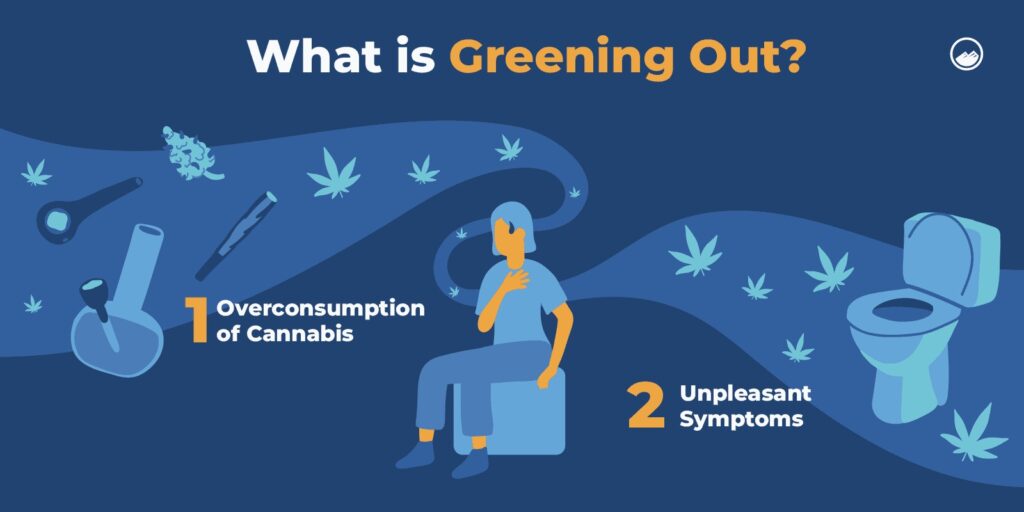
As cannabis legalization expands globally, it is essential to understand the risks linked to its overconsumption and develop measures to safeguard public health. This document offers a detailed exploration of the potential negative effects associated with excessive cannabis use, identifies vulnerable groups, and proposes effective prevention and management strategies.
1. Conceptualizing Cannabis Overconsumption
Cannabis overconsumption occurs when an individual consumes an amount or at a frequency beyond what is medically advised or personally sustainable, potentially leading to adverse health effects. This threshold varies among individuals, influenced by factors such as personal tolerance, body chemistry, and the potency of the cannabis consumed.
2. Identifying Symptoms and Associated Risks
Symptoms of cannabis overconsumption can vary from mild discomfort to severe distress, including:
- Psychological Responses: Increased anxiety, paranoia, panic attacks, and potential hallucinations.
- Physical Reactions: Symptoms such as nausea, vomiting, dizziness, palpitations, and coordination problems.
- Cognitive Effects: Impaired memory, confusion, and concentration difficulties.
Chronic overconsumption may result in more severe conditions, including:
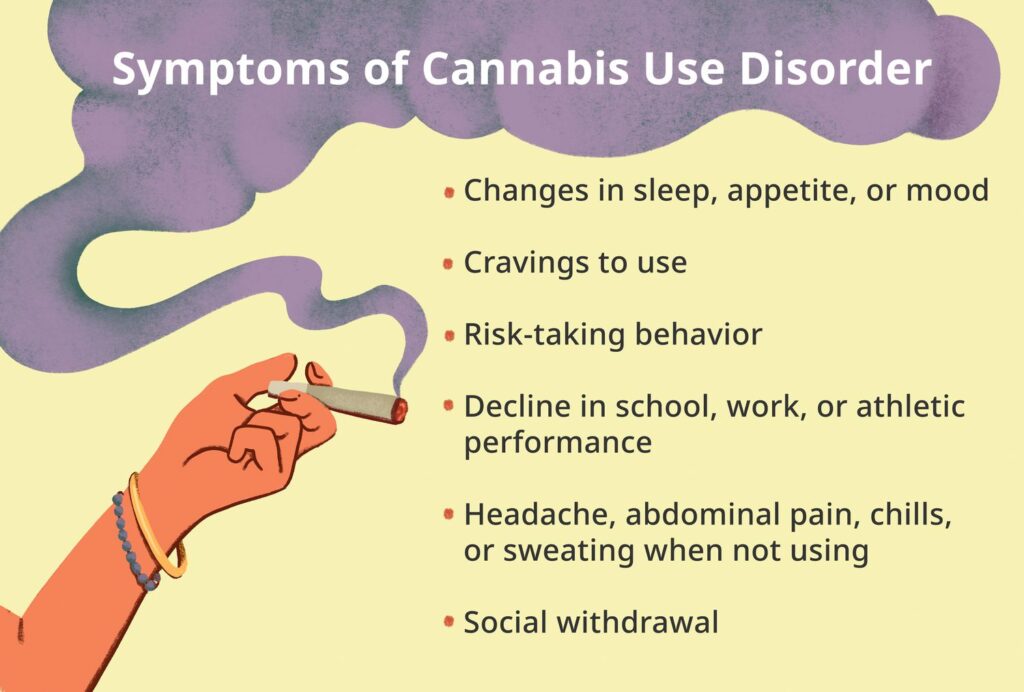
- Cannabis Use Disorder: Dependency that leads to withdrawal symptoms like mood instability and cravings.
- Aggravation of Mental Health Conditions: Potential worsening of existing mental health issues, such as depression or schizophrenia.
- Respiratory Problems: Particularly for smokers, issues can be similar to those seen with tobacco use, including chronic bronchitis and lung infections.
3. Vulnerable Populations
Groups particularly susceptible to the dangers of cannabis overconsumption include:
- Adolescents: Young people are at higher risk due to the vulnerability of their developing brains.
- Novice Users: Those new to cannabis, especially with edibles, might consume excessive amounts due to the delayed effects.
- Individuals with Pre-existing Mental Health Issues: Overconsumption can exacerbate symptoms for those with mental health disorders.
4. Strategies for Prevention and Management
To combat the risks of cannabis overconsumption, several strategies can be employed:
- Educational Initiatives: Promote safe usage practices through comprehensive education on proper dosages and the recognition of overconsumption symptoms.
- Strict Regulations and Clear Labeling: Enforce regulations on cannabis sales and ensure products are clearly labeled with THC content and consumption guidelines.
- Guided Medical Use: Advise those using cannabis for medical purposes to do so under professional supervision.
- Access to Support and Treatment: Provide accessible support networks and treatment options for those dealing with cannabis use disorder.
5. Conclusion
With the normalization of cannabis use, addressing the issue of overconsumption is imperative. By enhancing awareness of its risks and implementing strong preventive measures, communities can minimize the negative impacts while encouraging responsible cannabis use. Ongoing public health initiatives and adaptive policies are crucial as our understanding of cannabis’s effects continues to evolve, ensuring that the legalization of cannabis benefits society without harming individual health.
Defining Overdose: What Does It Mean for Weed?
The notion of overdose is commonly linked to severe health crises often associated with drugs such as opioids, but in the context of cannabis, the term assumes a different meaning. While a cannabis overdose is not life-threatening, it is essential to understand its definition, the symptoms it triggers, and the potential health consequences involved. This document explores the concept of overdose as it pertains to cannabis, delineating its symptoms, and discussing essential preventative measures.
1. Defining Cannabis Overdose
An overdose in the context of cannabis occurs when an individual consumes more than their body can comfortably handle, leading to a range of adverse and uncomfortable symptoms. Although non-fatal, a cannabis overdose can still significantly impact one’s health and well-being.
2. Symptoms of Cannabis Overdose
The symptoms of a cannabis overdose can differ widely and are influenced by factors such as the individual’s tolerance, the method of consumption, and the potency of the cannabis.
Typical symptoms include:
- Cognitive Effects: Confusion, disorientation, and difficulty concentrating.
- Psychological Reactions: Increased anxiety, paranoia, panic attacks, and occasionally hallucinations.
- Physical Symptoms: Nausea, vomiting, dizziness, a rapid heartbeat, and heart palpitations.
3. Contributing Factors to Cannabis Overdose
Certain factors heighten the risk of a cannabis overdose:
- Strain Potency: Strains with high THC levels are more likely to cause overdose, especially in individuals new to cannabis or with low tolerance.
- Method of Consumption: Edibles, which have delayed effects due to slower metabolic processes, are particularly associated with overdose risks because users might consume more due to the delayed onset of effects.
- Individual Differences: Factors such as a person’s metabolism, body weight, and cannabis tolerance can influence their susceptibility to overdose.
4. Strategies for Prevention and Management
Effective management and prevention of a cannabis overdose focus on responsible consumption and informed user choices:
- Educational Initiatives: Users should be educated about appropriate dosages and the time it takes for cannabis effects to manifest, particularly with edibles and high-THC products.
- Cautious Consumption Practices: Adopting a ‘start low and go slow’ approach can help prevent overdose, especially in unfamiliar consumption scenarios.
- Seeking Medical Help: In cases where symptoms are severe or do not resolve, medical intervention may be necessary. Recognizing when to seek help is vital for safety.
5. Conclusion
Understanding the implications of a cannabis overdose is imperative for users who wish to use cannabis safely and effectively. Although not lethal, cannabis overdose can cause significant distress and health issues. Through informed, cautious use and a strong grasp of one’s responses to different cannabis products, users can minimize the risk of overdose and enhance their overall experience with the substance. Education and awareness are crucial in fostering a safe environment for cannabis consumption.
Symptoms of Cannabis Overconsumption
As cannabis becomes more widely accepted and used, understanding the symptoms of overconsumption is crucial. While cannabis is generally safer than many other substances, excessive intake can lead to a range of uncomfortable or even severe symptoms. This document examines the symptoms associated with excessive cannabis use, detailing both the physical and psychological effects and the conditions that exacerbate them.
1. Overview of Cannabis Overconsumption
Cannabis overconsumption happens when an individual consumes more cannabis than their body can manage, leading to pronounced side effects. This is particularly prevalent with edibles, due to their prolonged effect onset, and with products high in THC content.
2. Physical Symptoms
Physical symptoms of overconsumption can vary with the amount ingested and individual sensitivity:
- Dizziness and Nausea: These common symptoms can cause significant discomfort and a loss of orientation.
- Vomiting: Severe nausea may progress to vomiting, which, while potentially relieving, can also cause dehydration.
- Increased Heart Rate: Consuming large amounts of cannabis can lead to tachycardia, where the heart beats faster than normal, which can be unsettling and provoke anxiety.
- Motor Impairment: Cannabis overconsumption can hinder fine motor skills, increasing the risk of accidents, particularly in activities that require precise coordination.
3. Psychological Symptoms
The psychological effects of cannabis overconsumption can be diverse and intensely affect mental and emotional health:
- Increased Anxiety and Paranoia: These feelings can intensify, particularly in individuals who are naturally anxious or have existing anxiety disorders.
- Panic Attacks: Extreme anxiety may escalate into panic attacks, marked by intense fear, palpitations, and difficulty breathing.
- Hallucinations: Though uncommon, some individuals might experience visual or auditory hallucinations under the influence of high THC levels.
- Cognitive Impairment: Overconsumption can lead to concentration difficulties, memory disruptions, and disoriented thinking, which impair cognitive functioning.
4. Risk Factors
Certain elements heighten the risk and intensity of overconsumption symptoms, including:
- THC Concentration: Products with higher THC concentrations are more likely to cause severe symptoms.
- Consumption Method: Edibles, with their delayed effects, often lead to overconsumption as users might ingest more due to the slow onset.
- Individual Differences: Those new to cannabis or with low tolerance are more prone to adverse effects due to overconsumption.
5. Conclusion
Awareness of the symptoms of cannabis overconsumption is vital for users and medical professionals to effectively address and mitigate these effects. Education regarding appropriate dosage is essential, particularly for those new to cannabis or those using new forms like edibles or high-potency concentrates. As usage increases, public health messages should focus on educating about signs of overconsumption and responsible usage practices to ensure safety and reduce negative outcomes.
Medical Perspective: What Experts Say About Cannabis Overdose
As the legal and social landscapes for cannabis evolve, so does the need to fully understand its health implications, including the potential for overdose. While a cannabis overdose is distinctly non-lethal compared to substances like opioids, it involves significant acute physiological and psychological effects that can be distressing and harmful. This document gathers expert opinions and medical research to elucidate the concept of cannabis overdose, detailing its symptoms, risk factors, and strategies for effective management and prevention.
1. Definition of Cannabis Overdose
Medical experts define a cannabis overdose as the occurrence of severe undesirable reactions after consuming excessive amounts of cannabis. It’s characterized not by the potential for fatality, which is extremely rare with cannabis, but by a range of uncomfortable or harmful symptoms.
2. Recognizing the Symptoms
Health professionals highlight several primary symptoms associated with a cannabis overdose:
- Cognitive Effects: This includes impaired memory, confusion, and difficulty concentrating.
- Psychological Reactions: Users may experience heightened anxiety, paranoia, severe panic attacks, and occasionally hallucinations.
- Physical Symptoms: Symptoms can include an elevated heart rate, nausea, vomiting, and difficulties with motor coordination.
These symptoms often necessitate medical attention, especially for those inexperienced with cannabis or those with pre-existing health conditions.
3. Identifying Risk Factors
Certain conditions heighten the likelihood of a cannabis overdose:
- Potency of Cannabis: The availability of high-THC strains increases overdose risks due to their strong psychoactive effects.
- Consumption Methods: Edibles pose a particular risk due to their delayed effects, which can lead users to consume larger amounts than intended.
- Individual Differences: Factors like an individual’s tolerance, metabolism, and body weight can influence their sensitivity to cannabis, with novice and younger users being more at risk.
4. Expert Recommendations for Prevention and Response
To prevent and address cannabis overdoses, health experts recommend:
- Educational Initiatives: There is a need for comprehensive user education about safe consumption practices, focusing on understanding dosages and the effects of various cannabis products.
- Guided Use: Especially for those using cannabis medicinally, consumption should be guided by or discussed with healthcare providers, particularly when starting or adjusting dosages.
- Seeking Medical Help: In instances of severe overdose symptoms, immediate medical intervention is crucial to mitigate symptoms and manage any complications effectively.
5. Conclusion
While cannabis overdose is not life-threatening, it poses significant health concerns that require careful attention and education. Given the increasing potency of cannabis products and the rise of edibles, it is imperative that users are well-informed about the risks and appropriate response strategies. Continued medical research and public health education will play vital roles in navigating the challenges posed by cannabis consumption and ensuring safe use practices among the populace.
Long-Term Health Implications of High THC Intake
As the global landscape for cannabis use broadens, it is critical to understand the long-term health consequences associated with the consumption of high levels of tetrahydrocannabinol (THC), the primary psychoactive component in cannabis. This document delves into the potential health risks linked to prolonged high THC use, drawing from current scientific research and expert opinions to provide a detailed assessment.
1. Neurological Impact
Chronic high consumption of THC has been associated with several long-term neurological effects, particularly among users who start at a young age when the brain is still developing.
- Cognitive Impairment: Research indicates that long-term, high THC use can lead to diminished cognitive abilities, including impairments in memory, attention, and decision-making. These effects may persist long after cannabis use has ceased, although some cognitive recovery might occur over time.
- Mental Health Risks: There is significant evidence that high THC levels can elevate the risk of developing psychiatric conditions such as schizophrenia, particularly in predisposed individuals. It may also exacerbate anxiety and depression in certain users.
2. Respiratory Issues
Frequent inhalation of cannabis smoke, high in THC, poses potential respiratory risks, albeit generally less harmful than tobacco smoke.
- Respiratory Symptoms: Regular smoking of cannabis can lead to chronic bronchitis symptoms, including persistent coughs, wheezing, and mucus production. The likelihood of developing severe conditions such as COPD or lung cancer remains under investigation, with research showing inconclusive results.
- Airway Damage: Cannabis smoke can cause airway irritation and inflammation, potentially leading to a decrease in respiratory efficiency over time.
3. Cardiovascular Concerns
Preliminary studies suggest that high THC intake may impact cardiovascular health, particularly in older adults or those with existing heart conditions.
- Cardiac Effects: THC can immediately elevate heart rate and blood pressure, potentially raising the risk of heart attack and stroke, particularly in individuals with cardiovascular conditions.
- Vascular Inflammation: High levels of THC might contribute to long-term vascular inflammation and a heightened risk of developing cardiovascular diseases, though more research is needed to clarify these links.
4. Dependency and Behavioral Effects
Continuous high intake of THC heightens the likelihood of cannabis use disorder (CUD), featuring dependency and potential addiction.
- Withdrawal and Dependency: Users with CUD might experience withdrawal symptoms such as irritability, mood changes, sleep difficulties, and cravings when attempting to quit.
- Life Disruption: Excessive consumption of THC can significantly disrupt personal and professional life, adversely affecting relationships, job performance, and academic success.
5. Conclusion
The risks associated with prolonged high THC consumption are extensive and require careful consideration, especially by those vulnerable to its effects. While cannabis has valid medical applications, excessive THC can lead to significant health complications. Ongoing research is crucial to deepen our knowledge of THC’s long-term effects and to guide public health strategies and individual usage decisions. This continued research will also enable informed conversations between healthcare professionals and patients about the therapeutic use of cannabis, ensuring its safe and effective application.
Safety Guidelines: Preventing Overconsumption
As cannabis becomes increasingly available through legalization and changing societal norms, establishing robust safety protocols to prevent overconsumption is paramount. This document outlines essential practices and strategies to mitigate risks associated with excessive cannabis use, highlighting the importance of comprehensive education, stringent regulatory frameworks, and personal responsibility in promoting safe consumption practices.
1. Defining Overconsumption
Overconsumption occurs when an individual consumes more cannabis than their body can comfortably handle, resulting in negative physical and psychological effects. It is vital for users to recognize early signs of overconsumption, such as intense anxiety, impaired coordination, paranoia, and disorientation.
2. Educational Initiatives
Education is a cornerstone in preventing cannabis overconsumption. Effective educational efforts should focus on:
- Understanding Cannabis Effects: Educating both new and experienced users about the variable effects of cannabis, including differences by strain and potency, and personal physiological responses.
- Guidance on Dosage: Offering clear, accessible guidelines on dosing, especially for edibles which have a higher risk of overconsumption due to their delayed effects.
- Recognition of Overconsumption Symptoms: Educating individuals to identify the signs of overconsumption and the immediate steps to take if they or someone else exhibits these symptoms.
3. Regulatory Oversight
Regulatory measures are crucial for controlling the consumption and safety of cannabis products:
- Potency Regulations: Requiring clear labeling of THC content on cannabis products, enabling consumers to make informed decisions.
- Packaging and Sales Restrictions: Implementing standards for child-resistant packaging to prevent accidental ingestion by children and limiting THC amounts in edible products to reduce the likelihood of overconsumption.
- Enforcing Age Limits: Restricting the sale of cannabis products to adults over the legal age limit to help protect younger, more susceptible populations from potential harm.
4. Personal Responsibility
While regulations and education are essential, the importance of personal responsibility in preventing overconsumption must also be emphasized:
- Self-Regulation: Encouraging users to monitor their own consumption habits closely and understand their personal thresholds.
- Avoiding Mixed Substance Use: Cautioning against the use of cannabis in conjunction with other substances, such as alcohol or prescription drugs, which can exacerbate effects and increase the risk of adverse outcomes.
- Consulting Healthcare Providers: Advising individuals using cannabis for medical reasons to consult with medical professionals to establish appropriate usage dosages and methods.
5. Conclusion
The prevention of cannabis overconsumption requires a concerted effort from individuals, regulatory bodies, healthcare providers, and the broader community. By following strict safety protocols, fostering educational outreach, and implementing regulatory measures, the risks associated with cannabis use can be significantly reduced. As cannabis policies continue to evolve, so should our strategies for ensuring its safe use, protecting the well-being of users and the community at large.
Treatment and Management of Acute Cannabis Intoxication
While acute cannabis intoxication is generally not life-threatening, it can cause significant distress and health complications, necessitating informed management and intervention strategies. This document offers guidelines for healthcare professionals and caregivers on effectively treating and managing acute cannabis intoxication, ensuring the safety and comfort of patients.
1. Clinical Overview of Acute Cannabis Intoxication
Acute cannabis intoxication occurs when an individual consumes an amount of cannabis that exceeds their personal tolerance, resulting in immediate and potent symptoms. These symptoms can range from severe anxiety and paranoia to enhanced sensory perception, nausea, and vomiting. Such incidents are more common among novice users, those who consume high-THC cannabis, or through potent consumption methods like edibles and concentrates.
2. Initial Evaluation and Stabilization
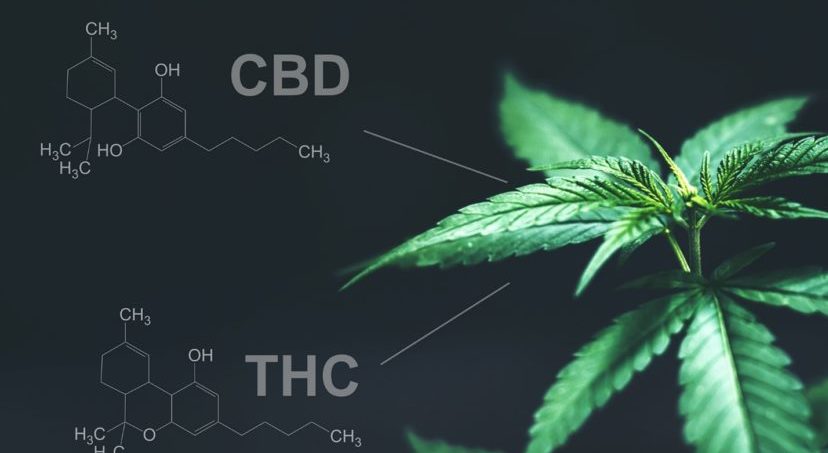
The management of acute cannabis intoxication begins with a thorough assessment of the patient’s vital signs and mental state, followed by necessary stabilization measures.
- Vital Signs Monitoring: Continuous monitoring of heart rate, blood pressure, and respiratory function is essential to manage any potentially life-threatening changes.
- Hydration: Due to the risk of dehydration from nausea and vomiting, assessing and addressing the patient’s hydration status is crucial, potentially requiring fluid administration.
3. Managing Symptoms
As there is no antidote for cannabis intoxication, treatment focuses on symptomatic relief and supportive care.
- Anxiety and Psychotic Symptoms: Administration of antipsychotics or benzodiazepines may be needed for severe anxiety or psychosis, tailored to the patient’s health profile and history.
- Nausea Management: Antiemetic medications can help control nausea, improving patient comfort and preventing further dehydration.
- Sedation: For extreme agitation, sedation may be necessary to protect both the patient and healthcare providers.
4. Providing Psychological Support
Creating a calming environment is critical for patients experiencing intense psychological effects.
- Comfort and Reassurance: Keeping the patient in a quiet, calming environment helps alleviate stress and anxiety.
- Continuous Observation: Patients should be closely monitored to ensure their safety and the efficacy of treatment interventions.
5. Long-Term Considerations
Post-incident management should include strategies to prevent future episodes and promote overall well-being.
- Education on Responsible Consumption: Patients should receive guidance on safer consumption practices, emphasizing the importance of understanding dosage and cannabis potency.
- Counseling and Support: Referring patients to substance use counseling or support groups may be beneficial, especially for those with recurring intoxication or potential dependency issues.
- Follow-Up Care: Organizing follow-up visits to monitor recovery and address any residual health concerns is essential.
6. Conclusion
Managing acute cannabis intoxication effectively is crucial for alleviating immediate symptoms and ensuring long-term health. Treatment is largely supportive, focusing on symptom management, psychological support, and patient education. Healthcare providers are instrumental in providing comprehensive care that addresses both immediate symptoms and longer-term health planning to prevent further episodes of intoxication.
Legal and Social Considerations of Cannabis Use
As perspectives on cannabis undergo significant transformation worldwide, the legal frameworks and social implications associated with its use become increasingly relevant. This document delves into the complex legal and social aspects of cannabis usage, offering a thorough exploration intended to inform stakeholders, policymakers, and the general public.
1. Legal Aspects
Cannabis regulation varies markedly across different regions, reflecting a spectrum of historical, cultural, and political influences. These regulations define the legal boundaries within which cannabis is used, grown, and sold.
- Legalization and Decriminalization: Some areas have fully legalized cannabis for both medicinal and recreational use, creating regulated markets with specific rules on purchase and consumption. Others have decriminalized possession, removing or reducing criminal penalties without legalizing the sale.
- Regulatory Compliance: In regions where cannabis is legal, stringent regulations govern its market. Entities involved must comply with extensive regulations concerning age limits, marketing, packaging, and comprehensive tracking from cultivation to sale to curb illegal distribution.
- International Regulations: Globally, cannabis is still categorized as a controlled substance under several international treaties, complicating legalization efforts in individual countries and affecting international relations and commerce.
2. Social Aspects
Social attitudes towards cannabis vary widely, influenced by cultural norms, historical usage, and ongoing research into its effects.
- Changing Perceptions and Stigma: Historically, cannabis use has been stigmatized in many cultures. However, as legalization spreads and its medicinal benefits gain recognition, societal views are evolving.
- Health and Safety Concerns: Public debates often center on the health effects of cannabis, discussing its potential for addiction, mental health implications, and its impact on young people. Public education about safe cannabis usage and its risks is vital in fostering responsible attitudes and behaviors.
- Community Impact: The legalization of cannabis significantly affects communities, influencing crime rates, economic conditions, and public health resources. Transitioning from illicit markets to regulated ones can reduce crime but also presents challenges such as ensuring fair access and rectifying historical injustices related to cannabis enforcement.
3. Ethical and Economic Considerations
The economic and ethical considerations surrounding cannabis use are intertwined, affecting both legal structures and societal views.
- Economic Impact: Legal cannabis industries have generated jobs, substantial tax revenues, and economic growth. However, the benefits can be unevenly distributed, prompting discussions on social equity and inclusion.
- Social Justice: The move toward cannabis legalization highlights critical social justice concerns, especially concerning the expungement of cannabis-related criminal records and addressing the disproportionate impact of drug laws on marginalized populations.
4. Conclusion
Grasping the legal and social considerations of cannabis usage is vital for navigating its complexities and implications effectively. As laws evolve and societal attitudes shift, continuous dialogue and research are essential to ensure that cannabis policies are well-informed by comprehensive considerations of legal, social, and ethical factors. Stakeholders must persistently assess and adjust their approaches to cannabis legislation and education to align with public health goals and social justice objectives.
Myths vs. Reality: Debunking Common Misconceptions About Weed Overdose
As discussions around cannabis use continue to evolve, misconceptions about the nature of cannabis overdose remain widespread, often influencing both public opinion and policy. This document aims to dispel these myths by contrasting them with the realities, grounded in the latest scientific research and clinical findings. The goal is to offer an accurate understanding of what cannabis overdose entails, its symptoms, and the true risks involved.
1. Myth: Cannabis Overdose Can Be Lethal
Reality: There is no known case of a death directly caused by cannabis overdose, distinguishing it significantly from substances like opioids. Cannabis interacts with the body’s endocannabinoid system in a way that does not threaten life, even when taken in large quantities. Nonetheless, this does not mean that cannabis overdose is harmless; severe non-lethal symptoms can still occur and pose significant health concerns.
2. Myth: Cannabis Overdose is Harmless
Reality: Although cannabis overdose is not deadly, it can induce acute and severe symptoms such as intense anxiety, paranoia, elevated heart rate, and disorientation. These symptoms can lead to hazardous behavior or necessitate medical intervention, particularly for individuals with underlying health issues or those who react strongly to cannabis.
3. Myth: Only Novices Overdose on Cannabis
Reality: While new users are indeed more vulnerable to overdosing due to their unfamiliarity with personal tolerance and proper dosing, seasoned users are not immune, especially when they use new, higher-potency products or different consumption methods like edibles, which have delayed effects.
4. Myth: There Are No Long-Term Effects from Cannabis Overdose
Reality: Although physical symptoms of a cannabis overdose typically subside relatively quickly without long-term harm, there can be lasting psychological effects. Regularly consuming large amounts of cannabis can aggravate or induce mental health problems such as anxiety disorders or cannabis use disorder in susceptible individuals.
5. Myth: Recognizing a Cannabis Overdose is Difficult
Reality: While certain products like edibles complicate the immediate recognition of overdose due to their delayed onset, users can learn to identify the signs of excessive consumption. Being educated on expected effects and attentively observing one’s own reactions helps users avoid surpassing their limits and experiencing an overdose.
6. Conclusion
Demystifying cannabis overdose is crucial for developing a knowledgeable public capable of making informed decisions regarding cannabis consumption. Education is key to this process, as is the continuation of research into cannabis’s effects. Recognizing the actual risks associated with cannabis overdose and understanding the contributing factors are essential for safe usage. As perceptions and laws around cannabis evolve, it is vital that public understanding keeps pace with the facts, guided by scientific evidence and clinical experience.
