Table of Contents
Can You OD on Marijuana ?
The question of whether someone can overdose on marijuana is both medically nuanced and socially significant. While cannabis is widely regarded as one of the safest psychoactive substances in terms of lethality, it is not without potential for harm, especially when used irresponsibly or in large amounts. An “overdose” in the classical sense implying death or permanent physiological damage due to a toxic dose is virtually impossible with marijuana. However, adverse effects from excessive use do occur and can be serious.
What Is an Overdose?
An overdose occurs when a substance is consumed in a quantity that overwhelms the body’s ability to metabolize or tolerate it, leading to harmful physiological effects. Overdoses can be lethal or non-lethal. In the context of marijuana, we differentiate between:
- Toxic overdose: A level of drug exposure that is fatal or causes severe organ damage.
- Functional overdose: Acute overconsumption leading to intense but generally non-lethal symptoms, such as paranoia, panic, or psychosis.
Can You Die from a Marijuana Overdose?
The short answer is no, at least not in the way one might die from opioids, alcohol, or benzodiazepines. According to data from the U.S. Drug Enforcement Administration (DEA) and the Centers for Disease Control and Prevention (CDC), there are no confirmed human deaths directly attributable to marijuana toxicity alone. Animal studies indicate that the lethal dose (LD50) for THC the primary psychoactive compound is extraordinarily high. Estimates suggest a human would need to consume 15,000 pounds of cannabis in 15 minutes to reach a fatal dose, which is physically impossible.
Pharmacology and the Endocannabinoid System
Marijuana acts on the endocannabinoid system (ECS), a complex network of receptors (primarily CB1 and CB2) and endogenous ligands that regulate mood, appetite, pain, immune function, and neuroplasticity.
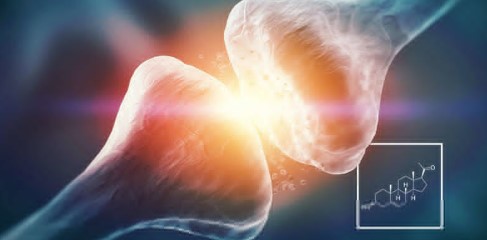
- THC binds primarily to CB1 receptors in the central nervous system, producing psychoactive effects such as euphoria, altered perception, and impaired coordination.
- CBD (cannabidiol), another major cannabinoid, has anxiolytic and antipsychotic properties and does not cause intoxication.
Unlike opioids, marijuana does not significantly affect the brainstem, the region responsible for breathing and heart rate, which explains the absence of fatal respiratory depression in cannabis overdose.
Symptoms of Marijuana Overdose
Although not lethal, acute overconsumption of marijuana can cause a range of distressing symptoms. These include:
1. Psychological Effects
- Paranoia
- Severe anxiety or panic attacks
- Hallucinations
- Short-term psychosis
- Disorientation
2. Neurological and Cognitive Effects
- Impaired short-term memory
- Confusion
- Slowed reaction time
- Coordination problems
3. Physiological Effects
- Increased heart rate (tachycardia)
- Hypotension or hypertension
- Dry mouth (xerostomia)
- Red eyes
- Nausea and vomiting (especially in edible-induced overdoses)
Cannabis Hyperemesis Syndrome (CHS)
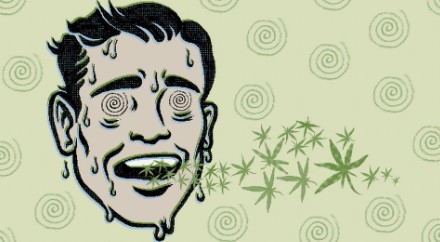
CHS is a condition marked by cyclical vomiting, abdominal pain, and nausea due to chronic high-dose marijuana use. Though rare, it can result in dehydration and hospitalization. It is paradoxical because marijuana is typically used to suppress nausea. The mechanism is poorly understood but may involve desensitization of cannabinoid receptors or effects on the hypothalamus.
Edibles and the Risk of Overconsumption
One of the most common contexts for marijuana overdose is edible cannabis products. Because edibles must pass through the liver (first-pass metabolism), THC is converted into 11-hydroxy-THC, a more potent and longer-lasting metabolite. The onset of effects can be delayed by 30 minutes to 2 hours, leading some users to consume more than intended, believing the initial dose was ineffective. This delay increases the risk of acute intoxication and associated negative effects.
Vulnerable Populations
Certain groups are more susceptible to adverse outcomes from marijuana overdose:
- Children: Accidental ingestion of edibles can lead to significant intoxication and require emergency care.
- Adolescents: Developing brains are more vulnerable to THC, with potential long-term impacts on memory, executive function, and emotional regulation.
- Elderly: May experience worsened cardiovascular symptoms or confusion due to slowed metabolism and drug interactions.
- Individuals with psychiatric conditions: High doses of THC can exacerbate or trigger psychosis, especially in those with underlying schizophrenia or bipolar disorder.
Cannabinoid-Induced Psychosis
Although rare, acute marijuana intoxication can trigger temporary psychotic episodes, particularly in high doses or among people who are prone to mental disease. Delusions, hallucinations, and disordered thought patterns are among the symptoms. Repeated high-dose use may increase the long-term risk of developing schizophrenia in genetically susceptible individuals.
Polydrug Use and Complications
Cannabis is often consumed alongside other substances, including alcohol, stimulants, and opioids. While cannabis alone may not be fatal, it can potentiate the effects of other drugs:

- Alcohol: Combined use can increase sedation and impair motor coordination more than either substance alone.
- Opioids: Cannabis may amplify respiratory depression from opioids, though some research suggests it might also reduce opioid tolerance and dependency at low doses.
- Stimulants: Concurrent use can lead to cardiovascular strain, increasing the risk of heart attack or stroke.
Treatment of Marijuana Overdose
There is no antidote for cannabis overdose. Treatment is supportive and symptomatic, often involving:
- Hydration
- Benzodiazepines for severe anxiety or agitation
- Antipsychotics for psychotic symptoms
- Reassurance and a calm environment
Most symptoms resolve within 6–12 hours, although disorientation or anxiety may persist longer in some cases.
Long-Term Consequences of Frequent Overuse
While acute overdose is rarely life-threatening, chronic heavy use of marijuana can lead to:
- Cannabis use disorder (CUD)
- Cognitive deficits
- Motivational decline (“amotivational syndrome”)
- Social and occupational impairment
- Respiratory problems (from smoking)
- Tolerance and dependence
Although marijuana is not physically addictive in the way opioids are, psychological dependence can occur, especially with high-THC strains.
Public Health and Legal Implications
As marijuana becomes more widely legalized, reports of emergency room visits for cannabis-related complications have increased. Many public health campaigns now focus on:
- Educating users on proper dosing, especially with edibles.
- Labeling THC content clearly on products.
- Preventing pediatric exposure through child-resistant packaging.
- Promoting awareness of impaired driving risks.
These efforts aim to reduce non-lethal but disruptive overdose events that strain healthcare systems and affect quality of life.
Conclusion
While it is nearly impossible to die from a marijuana overdose, it is very possible to consume too much and experience significant adverse effects particularly in the form of psychological distress, physical discomfort, or acute behavioral disturbances. The risks are higher with edibles, high-potency strains, and in vulnerable populations such as children as well as people who already have mental health issues. Responsible use, education, and harm-reduction strategies are essential in mitigating the non-lethal but real dangers of marijuana overconsumption.
In summary:
- Lethal overdose: No (under normal human consumption)
- Non-lethal overdose: Yes (especially with edibles or concentrates)
- Treatment: Supportive care
- Prevention: Dose control, education, proper labeling
Understanding the difference between toxicity and over-intoxication is key to evaluating cannabis safety in both medical and recreational contexts.
