Table of Contents
Can You Get Addicted to Marijuana ?
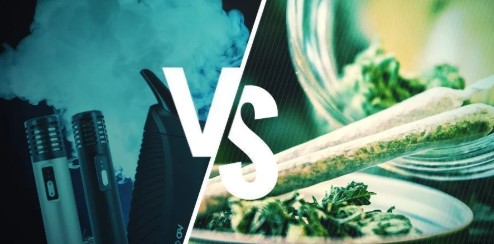
While marijuana can lead to habitual use in some individuals, it is far less addictive than many legal substances like alcohol, nicotine, or opioids. Most people who use marijuana do not develop addiction, and many consume it responsibly for medical or recreational benefits without significant harm.
Addiction Risk Compared to Other Substances
- Only about 9% of users may develop Cannabis Use Disorder (CUD), compared to:
- 32% for tobacco
- 23% for heroin
- 15% for alcohol
- This risk is even lower among adults who begin use in moderation and avoid daily, high-potency consumption.
Dependence vs. Addiction
- Dependence involves mild withdrawal symptoms (e.g., sleep disruption, irritability) and is not the same as addiction, which includes compulsive use with serious life disruption.
- Most marijuana users who stop do not experience severe withdrawal, and symptoms, if present, are short-lived and manageable.
Medical and Therapeutic Benefits
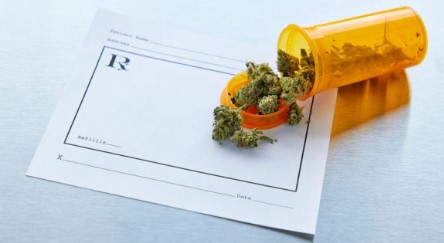
- Marijuana is increasingly used to manage chronic pain, anxiety, PTSD, epilepsy, and insomnia.
- For many patients, the benefits far outweigh the risks, especially when monitored by healthcare professionals.
- THC and CBD interact with the endocannabinoid system to restore balance in several physiological processes.
Use Patterns and Control
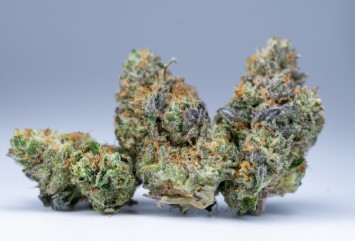
- Unlike addictive drugs, marijuana does not create intense cravings or chemical dependencies in most users.
- Many individuals can and do take tolerance breaks, regulate their intake, or stop entirely without professional help.
Conclusion
Although a small percentage of users may develop mild dependence, marijuana is not inherently addictive for most people. With responsible use, it offers significant therapeutic and recreational value without the high addiction potential seen in other substances.
