Table of Contents
Can You Eat Marijuana ?

1. Raw Marijuana (Uncooked)
- Yes, but non-psychoactive: Raw cannabis contains THCA and CBDA, which are not intoxicating.
- No “high”: Eating raw cannabis will not produce the effects typically associated with THC.
2. Activation: Decarboxylation
- What it is: Heating cannabis converts THCA → THC (psychoactive).
- How it’s done: Baking, cooking, or vaping at ~220–240°F (104–116°C) for 30–40 minutes.
3. Edible Marijuana (Cooked/Processed)

- Yes, and psychoactive: When properly decarboxylated, marijuana can be eaten in edibles (brownies, gummies, oils).
- How it works: THC is absorbed via the digestive system → liver → converted to 11-hydroxy-THC (stronger, longer-lasting).
- Onset: 30–120 minutes.
- Duration: 4–12+ hours.
- Intensity: Stronger than smoking due to liver metabolism.
4. Dosing
- Beginners: Start with 2.5–5 mg THC.
- Standard dose: 10 mg THC per edible.
- Overconsumption risks: Anxiety, paranoia, nausea, hallucinations.
5. Medical Benefits
- Common uses: Chronic pain, insomnia, appetite stimulation, nausea, inflammation.
- Advantages: Long-lasting effects, no lung irritation.
6. Raw Cannabis for Wellness
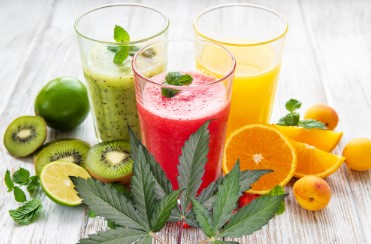
- Juicing: Some consume raw cannabis for non-psychoactive benefits (e.g., anti-inflammatory effects).
- Nutritional use: Contains cannabinoids, terpenes, vitamins.
Summary:
Yes, marijuana can be eaten, but it must be heated (decarboxylated) to activate THC. Raw cannabis has health value but won’t get you high. Edibles offer strong, long-lasting effects and must be dosed carefully.
