Table of Contents
Can you absorb marijuana through the mouth without inhaling
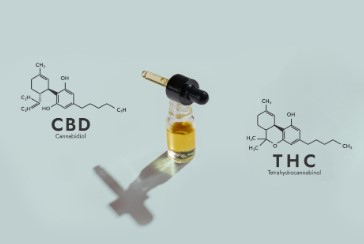
Yes, marijuana can be absorbed through the mouth without inhaling, and this method is both scientifically valid and therapeutically significant. The process, known as oral mucosal or sublingual absorption, offers a distinct alternative to traditional smoking or vaping methods. This method involves delivering cannabinoids (such as THC or CBD) directly into the bloodstream through the mucous membranes of the mouth, particularly under the tongue or along the cheeks.
1. Mechanisms of Absorption Through the Mouth
A. Oral Mucosal Absorption
The mouth contains several vascular areas, including the sublingual region (beneath the tongue), the buccal mucosa (inside of the cheeks), and the gums. These regions are lined with permeable membranes that allow small molecules to pass directly into the capillaries and then into the systemic circulation. When a cannabis preparation like tincture or lozenge is held in the mouth, cannabinoids can diffuse through these membranes and bypass the digestive system and liver (known as first-pass metabolism).
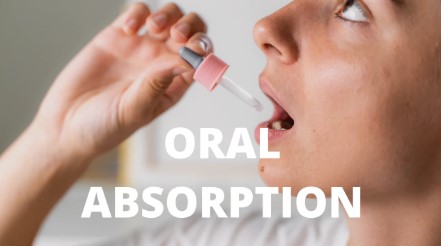
This method offers relatively fast absorption of THC, CBD, and other cannabinoids into the bloodstream, though it still tends to be slower than inhalation.
B. Distinction from Edible Consumption
Edibles, such as brownies or gummies, are swallowed and pass through the digestive tract. In contrast, sublingual or buccal absorption does not involve swallowing the active ingredients. If cannabis oils or tinctures are swallowed instead of held under the tongue, they act more like traditional edibles with slower onset and different metabolic pathways.
2. Bioavailability and Efficiency
Cannabinoid bioavailability refers to how much of the active substance enters the bloodstream. The efficiency of mucosal absorption lies somewhere between inhalation and edibles:
- Inhalation (smoking or vaping): Bioavailability of THC ranges from 10% to 35% depending on technique.
- Sublingual absorption: Bioavailability of THC is estimated between 13% and 19% for well-formulated tinctures.
- Edibles: Typically lower, around 4% to 12%, due to breakdown in the digestive system and liver.
This makes mucosal absorption a favorable non-inhalation method when someone wants better efficiency and a faster onset than edibles.
3. Onset Time and Duration
- Sublingual method: Effects are typically felt within 15 to 45 minutes, peaking at around 60 to 90 minutes, and may last 4 to 6 hours.
- Edibles: May take 1 to 2 hours to start, with effects peaking between 2 to 4 hours and lasting up to 8 hours or more.
This timing makes sublingual delivery useful for people who seek fairly quick but sustained effects without the need to inhale smoke or vapor.
4. Types of Cannabis Products for Oral Mucosal Use
There are several non-inhaled cannabis formats specifically designed for mouth absorption:
A. Sublingual Tinctures
- Alcohol or oil-based cannabis extracts applied under the tongue.
- Usually administered with a dropper.
- Users are advised to hold the liquid under the tongue for at least 60–90 seconds before swallowing.
B. Sprays
- Aerosolized cannabis products sprayed inside the mouth, often sublingually or against the cheeks.
C. Lozenges and Oral Strips
- Slowly dissolve in the mouth, allowing cannabinoids to absorb through mucosal tissues.
- Often flavored for palatability and designed to remain in the mouth for several minutes.
D. Chewing Gum
- Designed for buccal absorption, though effectiveness depends on how long the user chews and holds it in the mouth.
5. Advantages of Absorbing Marijuana Through the Mouth
A. Healthier Than Inhalation
Avoiding smoke and vapor reduces exposure to combustion byproducts, carcinogens, or potential lung irritation associated with vaping oils.
B. Discreet and Convenient
Tinctures, strips, and sprays are portable, odorless, and can be used without drawing attention. This makes them suitable for patients or users in public or professional settings.
C. More Controlled Dosing
Unlike inhaling, where the dosage varies depending on puff size, temperature, and retention time, oral mucosal products are more consistent in cannabinoid concentration and dose per use.
D. Bypasses First-Pass Metabolism
This allows for quicker onset and potentially more potent effects than traditional edibles.
6. Medical Applications
Sublingual and buccal cannabis administration is popular among medical marijuana users due to its reliable onset and less invasive nature. Conditions that may benefit include:
- Chronic pain
- Nausea or vomiting
- Anxiety and PTSD
- Epilepsy (especially with CBD-based tinctures)
- Muscle spasms or multiple sclerosis
Sublingual administration allows a patient to titrate their dose more easily than with edibles, finding the smallest effective dose with fewer side effects.
7. Limitations and Challenges
While sublingual and mucosal absorption has advantages, there are a few limitations:
A. Requires User Patience
To be effective, the product must be held in the mouth for an extended period. Swallowing too early drastically reduces efficiency, turning it into a slower-acting edible.
B. Variable Absorption
Absorption can be inconsistent due to salivary flow, product formulation, and how well the person follows instructions. For example, oil-based tinctures may not absorb as readily as alcohol-based ones.
C. Taste and Texture
Some users find cannabis tinctures bitter or unpleasant. This can deter proper sublingual use.
D. Lower Peak Intensity Than Inhalation
While effective, this method may not provide the rapid, intense onset that some users prefer from smoking or vaping. It’s generally more subtle in onset and effect.
8. Formulation Considerations
The chemical form of the cannabinoids affects how well they absorb through the mouth:
- Decarboxylated THC (Δ9-THC) is required for psychoactivity.
- Products must be formulated to maintain stability and absorption efficiency. Nanotechnology or emulsification techniques are often used to increase solubility and bioavailability.
- Alcohol-based tinctures generally absorb better than oil-based ones in the mouth.
Terpenes and other minor cannabinoids also influence the pharmacodynamics of sublingual products, adding therapeutic or flavor properties.
9. Comparison With Transdermal and Rectal Routes
Though also non-inhalation routes, transdermal patches (through the skin) and rectal suppositories work very differently and have their own unique pharmacokinetics.
Mouth absorption is superior in terms of:
- Speed of onset (compared to skin)
- Discretion (compared to rectal)
- User acceptance and product variety
10. Conclusion
Yes, it is entirely possible and increasingly popular to absorb marijuana through the mouth without inhaling. This is accomplished through sublingual or buccal delivery systems like tinctures, sprays, and lozenges. The process relies on direct diffusion of cannabinoids into the bloodstream through the oral mucosa, bypassing both the lungs and the digestive tract.
This method offers significant advantages, particularly for those seeking discreet, smoke-free, and medically appropriate cannabis delivery. While not as fast-acting as inhalation, it provides more consistent dosing than edibles and avoids the health risks associated with combustion or vaping. With proper product formulation and patient education, oral mucosal cannabis delivery represents a viable and effective therapeutic route for both recreational and medicinal users.
