Can Medical Cannabis Help You Get a Good Night’s Sleep?
Introduction
Sleep is essential for maintaining overall health and well-being. It is essential for immune system function, physical recuperation, emotional control, and cognitive function. On the other hand, a lot of people experience sleep problems, which include restless legs syndrome, sleep apnea, insomnia, and other issues that impair the length and quality of sleep. Traditional treatment options for these disorders include lifestyle changes, cognitive-behavioral therapy, and prescription medications. However, some patients may not find adequate relief through these methods, leading them to explore alternative therapies, such as medical cannabis.
In recent years, medical cannabis has drawn interest due to its possible therapeutic benefits for treating a wide range of illnesses. Among its possible uses, cannabis is increasingly studied for its ability to improve sleep quality. This exploration delves into whether medical cannabis can effectively help individuals get a good night’s sleep, focusing on its medical applications, mechanisms, scientific evidence, potential benefits, and limitations. Importantly, this discussion will exclude recreational use and emphasize the medical context in which cannabis might aid sleep.
The Science of Sleep and Sleep Disorders
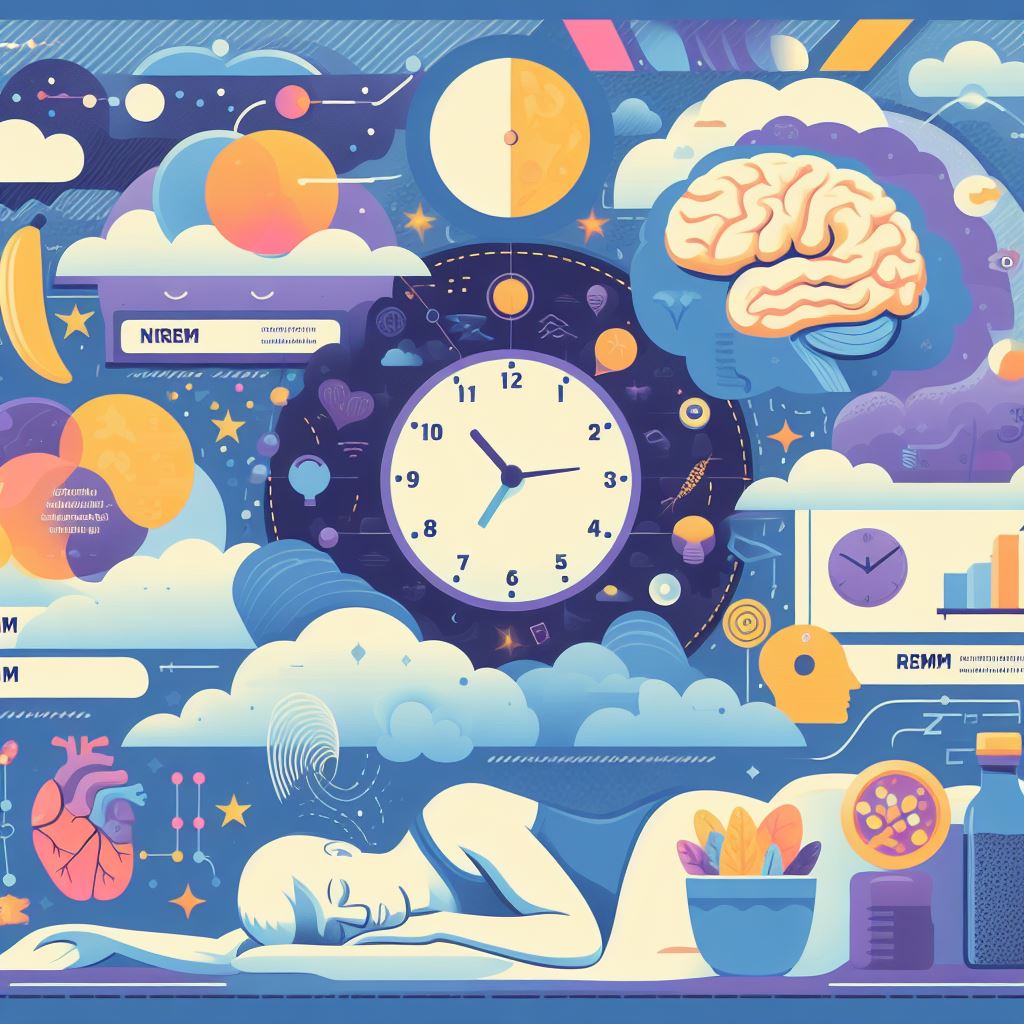
To understand how medical cannabis might help with sleep, it is important to first grasp the fundamentals of sleep itself. Sleep is a multifaceted physiological condition that occurs in multiple stages, such as non-REM (deeply relaxed awareness) and rapid eye movement (REM) sleep. Each stage has distinct characteristics and functions:
- NREM Sleep: This is divided into three stages, progressing from light to deep sleep. Slow-wave sleep (SWS), often known as deep sleep, is especially crucial for growth hormone release, immunological response, and physical recuperation.
- REM Sleep: Elevated brain activity, vivid dreams, and fast eye movements are the hallmarks of this period. Cognitive processes like learning, memory consolidation, and emotional processing all depend on REM sleep.
Sleep disorders can cause fragmentation, shorter sleep durations, and lower-quality sleep by upsetting the regular architecture of sleep. Common sleep disorders include:
- Insomnia: Inability to fall or keep asleep, frequently accompanied by weariness during the day, mood swings, and cognitive decline.
- Sleep Apnea: Breathing irregularities that occur frequently during sleep, resulting in disturbed sleep and low oxygen levels.
- Restless Legs Syndrome (RLS): A neurological condition causing uncomfortable sensations in the legs, often resulting in an irresistible urge to move them, particularly at night.
- Circadian Rhythm Disorders: Disorders that disrupt the body’s internal clock, causing misalignment between the body’s sleep-wake cycle and the external environment.
Medical Cannabis: Key Components and Their Impact on Sleep
Medical cannabis contains a variety of active compounds, known as cannabinoids, that interact with the body’s endocannabinoid system (ECS). The ECS is essential for controlling mood, hunger, pain, sleep, and other physiological functions. The two most popular cannabis compounds are:
- Tetrahydrocannabinol (THC): The primary psychoactive component of cannabis, THC binds to cannabinoid receptors in the brain, particularly CB1 receptors. While THC is associated with the “high” experienced with recreational use, it also has potential therapeutic benefits. In the context of sleep, THC may reduce sleep latency (the time it takes to fall asleep) and alter the overall sleep architecture by decreasing REM sleep and increasing deep sleep.
- Cannabidiol (CBD): Unlike THC, CBD is non-psychoactive and is known for its anxiolytic, anti-inflammatory, and analgesic properties. CBD has a more complex relationship with sleep. In low doses, CBD may promote wakefulness, while in higher doses, it might have sedative effects. Additionally, CBD may reduce anxiety, which can indirectly improve sleep quality by addressing one of the common causes of insomnia.
Other cannabinoids, such as cannabinol (CBN) and terpenes (aromatic compounds found in cannabis), may also contribute to the plant’s sleep-inducing properties. For instance, CBN is often touted for its sedative effects, while certain terpenes like myrcene and linalool are believed to promote relaxation and reduce anxiety.
Mechanisms of Action: How Medical Cannabis May Aid Sleep
Medical cannabis may help improve sleep through several mechanisms:
- Reducing Sleep Latency: THC has been found to reduce the time it takes to fall asleep. By binding to CB1 receptors in the brain, THC influences the release of neurotransmitters like dopamine and serotonin, which play a role in sleep regulation. This reduction in sleep latency can be particularly beneficial for individuals who have difficulty falling asleep, such as those with insomnia.
- Altering Sleep Architecture: Studies suggest that THC may reduce REM sleep while increasing the amount of deep sleep (slow-wave sleep). While the reduction in REM sleep might raise concerns for those requiring REM-rich sleep (such as for memory consolidation), for others, reducing REM could help mitigate nightmares or other REM-associated sleep disturbances, as observed in conditions like PTSD.
- Alleviating Anxiety and Pain: Two of the most common causes of sleep difficulties are pain and anxiety. It has been demonstrated that CBD in particular have anxiolytic qualities, which can help soothe anxiety and get the body ready for sleep. Additionally, both THC and CBD have analgesic effects that may relieve pain-related sleep disturbances, such as those caused by conditions like arthritis, fibromyalgia, or neuropathic pain.
- Regulating Circadian Rhythms: The body’s internal clock, or circadian rhythm, is responsible for regulating the sleep-wake cycle. There is growing evidence that suggests the circadian rhythms are maintained in part by the endocannabinoid system. Cannabis, by interacting with the ECS, may help reset or stabilize circadian rhythms disrupted by shift work, jet lag, or circadian rhythm disorders.
- Reducing Sleep Apnea Episodes: Some preliminary studies suggest that cannabinoids like THC may help reduce sleep apnea episodes by improving upper airway stability. Nevertheless, research in this field is still ongoing, and additional studies are required to determine the safety and effectiveness of cannabis in the treatment of sleep apnea.
Scientific Evidence: What Does the Research Say?
Research on medical cannabis and sleep is still in its early stages, but several studies have provided promising results:
- Insomnia: A study published in the journal Sleep in 2019 investigated the effects of medical cannabis on sleep in patients with chronic insomnia. The researchers found that cannabis use significantly improved sleep quality and reduced the time it took to fall asleep. Patients also reported feeling more rested in the morning, suggesting that cannabis may help improve overall sleep satisfaction.
- PTSD-Related Sleep Disturbances: A 2019 study published in Frontiers in Neuroscience examined the effects of medical cannabis on sleep in patients with PTSD. The study found that cannabis, particularly THC-rich strains, reduced the frequency and severity of nightmares, improved overall sleep quality, and reduced sleep latency. This suggests that cannabis may be particularly beneficial for individuals whose sleep disturbances are related to traumatic experiences.
- Chronic Pain: A 2017 review published in Sleep Medicine Reviews explored the effects of cannabis on sleep in patients with chronic pain conditions. The review found that cannabis may help improve sleep quality by reducing pain levels, which in turn reduces sleep disturbances. Both THC and CBD were found to have analgesic properties, but the study highlighted the need for more research to understand the optimal dosage and formulations.
- Anxiety-Related Insomnia: A 2019 study published in The Permanente Journal examined the effects of CBD on anxiety and sleep. The study found that CBD reduced anxiety levels in 79.2% of patients and improved sleep scores in 66.7% of patients within the first month of use. This suggests that CBD may be an effective treatment option for anxiety-related insomnia.
- Sleep Apnea: A small clinical trial published in Sleep in 2013 investigated the effects of THC on obstructive sleep apnea. The study found that THC significantly reduced the number of apneas (breathing interruptions) during sleep. The scientists did point out that more extensive, larger research are required to validate these results and establish the long-term safety and effectiveness of cannabis for sleep apnea.
Potential Benefits of Medical Cannabis for Sleep
Medical cannabis may offer several benefits for individuals struggling with sleep disorders:
- Natural Alternative: For individuals who are unable or unwilling to take prescription medications, medical cannabis may offer a natural alternative. Unlike some prescription sleep aids, cannabis is less likely to cause dependency and may have a more favorable side effect profile.
- Multifaceted Approach: Cannabis has the potential to address multiple factors that contribute to poor sleep. Whether it’s anxiety, pain, or circadian rhythm disruption, cannabis’ diverse mechanisms of action allow it to target several underlying causes of sleep disturbances simultaneously.
- Tailored Treatment: The wide variety of cannabis strains, each with different cannabinoid and terpene profiles, allows for a personalized approach to treatment. Patients can work with their healthcare providers to find the strain and dosage that works best for their specific condition.
- Improved Sleep Quality: Research suggests that cannabis may improve both the quality and duration of sleep, particularly in patients with conditions like PTSD, chronic pain, or anxiety. This can lead to better overall health outcomes and improved quality of life.
- Reduced Nightmares: For patients suffering from PTSD or other conditions that cause frequent nightmares, medical cannabis, particularly strains high in THC, may help reduce the frequency and severity of nightmares, thereby improving sleep quality.
Potential Limitations and Risks
While medical cannabis may offer several benefits for sleep, it is important to consider its limitations and potential risks:
- Variable Effects: The effects of cannabis on sleep can vary depending on the individual, the strain, the dosage, and the method of administration. What works for one person may not work for another, and finding the right combination can require some trial and error.
- Tolerance and Dependency: Regular use of cannabis, especially THC-rich strains, can lead to tolerance, where higher doses are needed to achieve the same effects. This can increase the risk of dependency, although this risk is generally lower than with many prescription sleep aids.
- Side Effects: Cannabis use can have side effects, such as dizziness, dry mouth, impaired concentration, and changes in mood or appetite. The strain and dosage that are utilized can affect the severity and duration of these side effects.
- Impact on REM Sleep: While reducing REM sleep can be beneficial for some conditions, such as PTSD, it may not be ideal for others. REM sleep is important for cognitive function and emotional regulation, and prolonged suppression of REM sleep may have negative effects on mental health.
- Legal and Regulatory Considerations: The legal status of medical cannabis varies widely by country and region. In some places, it may be difficult to obtain or use medical cannabis due to legal restrictions, limited access to licensed providers, or lack of comprehensive regulatory frameworks.
- Lack of Standardization: Due to the lack of standardization in cannabis products, patients may experience inconsistency in the effects of different products. The quality, potency, and cannabinoid profile of cannabis can vary widely, making it challenging to predict its effects on sleep.
Guidelines for Medical Use of Cannabis for Sleep
If considering medical cannabis for sleep, patients should follow these guidelines:
- Consult a Healthcare Provider: It is crucial to speak with a healthcare professional who is experienced with cannabis and sleep issues prior to utilizing medicinal cannabis. The provider can help determine whether cannabis is a suitable option, recommend specific strains and dosages, and monitor progress.
- Start Low and Go Slow: It’s best to start with a modest dosage of cannabis and raise it gradually as needed while beginning treatment. By using this method, the patient may determine the right dosage for their condition and the chance of adverse consequences is reduced.
- Choose the Right Strain: Different strains of cannabis have different effects on sleep. For instance, sativa strains might be more stimulating, whereas indica strains are frequently suggested for their calming and soothing qualities. In order to select a strain that best suits their needs for sleep, patients should consult with their healthcare physician.
- Monitor for Side Effects: Patients should be vigilant in monitoring for any side effects, such as dizziness, impaired concentration, or mood changes. If side effects occur, they should consult their healthcare provider to adjust the dosage or try a different strain.
- Consider Long-Term Effects: While cannabis may provide short-term relief from sleep disturbances, it is important to consider the potential long-term effects, such as tolerance and dependency. Regular monitoring and follow-up with a healthcare provider are crucial to ensure safe and effective use.
Restrictions on Using Cannabis in the Medical Field as a Last Resort
- Legal and Regulatory Framework: Many countries and regions impose strict regulations on the use of cannabis in medical settings. Cannabis is often only permitted as a treatment when all other conventional therapies have failed, or if the patient experiences intolerable side effects from standard medications. In such cases, cannabis may be prescribed as a “last resort” option, requiring extensive documentation and justification by the healthcare provider.
- Prescription and Access Control: Medical cannabis must typically be prescribed by a licensed healthcare provider who is authorized to recommend cannabis-based treatments. This prescription often requires evidence of previous unsuccessful treatments and a clear medical need. Access is usually limited to specific dispensaries or pharmacies regulated by the government.
- Patient Eligibility Criteria: Not all patients qualify for medical cannabis. Eligibility is usually restricted to those with specific conditions, such as chronic pain, epilepsy, or multiple sclerosis, where conventional treatments have been inadequate. Patients may also undergo regular assessments to evaluate their response to cannabis treatment.
Monitoring THC Levels in Medications to Prevent Psychoactive Effects
- Standardized Dosage and Composition: Medical cannabis products must have standardized THC and CBD levels to ensure consistent dosing. Products with high THC levels may be restricted or not recommended for certain patients to avoid psychoactive effects. Formulations with higher CBD-to-THC ratios are often preferred to minimize psychoactive impact.
- Regular Monitoring and Adjustments: Healthcare providers must monitor patients regularly for signs of psychoactive effects, such as altered mental status, cognitive impairment, or mood changes. If such effects are observed, providers may adjust the dosage, switch to a different cannabinoid profile, or discontinue use.
- Quality Control and Testing: Medical cannabis products are subject to rigorous quality control, including lab testing for THC levels. These tests ensure that products meet legal limits and maintain the appropriate cannabinoid profile for medical use, thereby minimizing the risk of unintended psychoactive effects on patients.
Conclusion
Medical cannabis has emerged as a potential therapeutic option for improving sleep, particularly for individuals who struggle with sleep disorders like insomnia, PTSD-related sleep disturbances, chronic pain, and anxiety-induced insomnia. By interacting with the body’s endocannabinoid system, cannabis can reduce sleep latency, alter sleep architecture, alleviate anxiety and pain, and potentially help regulate circadian rhythms. For certain conditions, it offers a natural alternative to traditional sleep medications, with the added benefits of addressing multiple underlying causes of sleep disruption simultaneously.
However, the use of cannabis in medical settings is carefully regulated, often permitted only as a “last resort” after conventional treatments have proven ineffective or intolerable. Strict guidelines on patient eligibility, dosage, and ongoing monitoring are critical to ensuring its safe and effective use. Products must meet standardized quality controls, including specific THC levels, to prevent unwanted psychoactive effects, and healthcare providers play a crucial role in managing and adjusting treatment as needed.
While promising, medical cannabis is not without limitations. Its effects can vary widely between individuals, and there is a potential for side effects, tolerance, and dependency with prolonged use. Furthermore, its legal status and accessibility differ across regions, adding another layer of complexity for patients and providers.
Ultimately, medical cannabis may offer a valuable solution for sleep issues when used under appropriate medical supervision. As research continues to expand, further insights into its long-term efficacy, optimal dosing, and potential benefits will help shape its role in the medical field, ensuring that it remains a viable and safe option for those seeking better sleep and overall health.
