Table of Contents
Can Marijuana Kill You ?
One of the most widely used psychoactive chemicals in the world is marijuana, sometimes known as cannabis. Its increasing legalization for medical and recreational use has prompted important questions about its safety, including whether marijuana can kill a person. Scientifically, cannabis has a high safety margin, especially when compared to alcohol, opioids, or stimulants. However, the answer requires examining both direct toxicological effects and indirect consequences—including behavioral risks, comorbid conditions, and interactions with other substances.
1. Can You Die from a Marijuana Overdose?
Direct Overdose – Extremely Unlikely
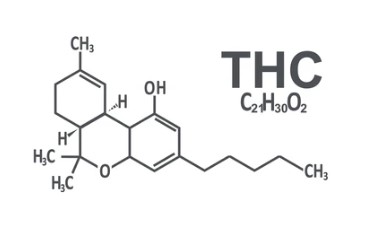
From a toxicological standpoint, it is almost impossible to die from consuming too much marijuana. The active psychoactive compound in cannabis, delta-9-tetrahydrocannabinol (THC), interacts with the CB1 receptors in the brain but does not affect the brainstem centers that control breathing and heart rate. This makes lethal respiratory or cardiovascular suppression, like that seen in opioid or alcohol overdoses, biologically implausible from cannabis alone.
Lethal Dose Estimates (LD50)
- In animal models, the estimated LD50 (lethal dose for 50% of subjects) of THC is extremely high.
- Extrapolated to humans, a person would need to consume approximately 20,000 to 40,000 times the average dose in a short period to risk death from THC alone.
- For example, a human would need to smoke or eat approximately 1,500 pounds (700 kg) of marijuana in about 15 minutes—a physical impossibility.
Scientific Conclusion
THC overdose is not a mechanism of death in humans. There are no documented fatalities attributed solely to consuming too much natural cannabis.
2. Can Synthetic Cannabinoids Kill You?
Yes – Synthetic Cannabinoids Are Dangerous

Unlike natural cannabis, synthetic cannabinoids (e.g., “Spice,” “K2”) are chemically manufactured to mimic THC but often bind more strongly to cannabinoid receptors and can interact with other biological systems.
Health Risks Include:
- Seizures
- Psychosis
- Stroke
- Cardiac arrest
- Kidney failure
- Death
These products are often unregulated, contaminated, and unpredictable in strength. Several confirmed fatalities have been linked to synthetic cannabinoid use.
Conclusion
Synthetic cannabinoids pose a real risk of death and should not be considered equivalent to natural cannabis.
3. Indirect Cannabis-Related Deaths: How Marijuana May Contribute to Fatal Outcomes
While cannabis itself rarely causes death directly, its indirect effects can lead to life-threatening or fatal situations.
A. Cardiovascular Events
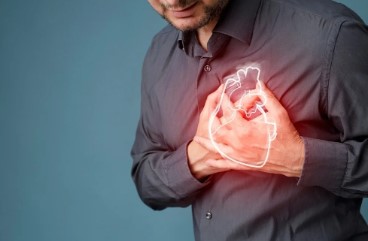
THC can increase heart rate, blood pressure, and myocardial oxygen demand—particularly within 1–2 hours after use. In individuals with underlying heart disease, this can increase the risk of:
- Heart attacks (myocardial infarction)
- Arrhythmias
- Stroke
Several case reports and observational studies associate cannabis use with acute cardiac events, especially in those with pre-existing diseases or those who are older.
Conclusion:
Risk is low in healthy individuals but elevated in vulnerable populations.
B. Driving Impairment and Accidents
THC impairs:
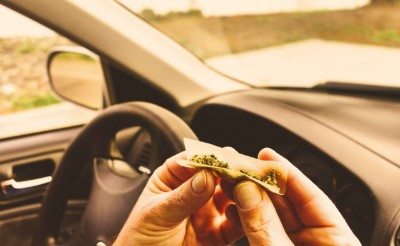
- Reaction time
- Motor coordination
- Situational judgment
These impairments significantly increase the risk of traffic accidents, including fatal ones. Studies in jurisdictions with legal cannabis show:
- Increased rates of drivers testing positive for THC in fatal crashes.
- Higher rates of injury and death from impaired driving.
Conclusion:
Driving under the influence of cannabis can be fatal, even if cannabis isn’t directly toxic.
C. Cannabinoid Hyperemesis Syndrome (CHS)
CHS is a condition found in chronic, heavy cannabis users, marked by:
- Recurrent, severe vomiting
- Dehydration
- Electrolyte imbalances
In rare cases, CHS has led to:
- Acute renal failure
- Severe cardiac arrhythmias
- Death (via complications, not THC directly)
Conclusion:
CHS is rare but potentially fatal if left untreated.
D. Psychosis, Mental Health, and Suicide
Cannabis, especially high-THC strains, can trigger:
- Acute psychosis
- Paranoia
- Hallucinations
In some individuals—particularly those with a family history of schizophrenia or bipolar disorder—THC can exacerbate or initiate severe psychiatric symptoms.
Epidemiological studies link cannabis use with:
- Increased risk of suicidal ideation
- Higher suicide rates in youth and young adults
- Worsening of depression and anxiety in vulnerable individuals
Conclusion:
Cannabis can contribute indirectly to death by intensifying psychiatric illness and promoting self-harm or suicide.
E. Polydrug Use
Many people use cannabis in combination with other substances:
- Alcohol
- Opioids
- Benzodiazepines
- Stimulants
These combinations can:
- Increase sedation
- Lead to respiratory depression
- Overload the cardiovascular system
In many reported overdose deaths where cannabis is present, other substances are also involved.
Conclusion:
Cannabis alone may not kill, but combined use increases the risk of fatal outcomes.
4. Vulnerable Populations
Children
- Accidental ingestion of cannabis edibles can result in severe sedation, loss of airway reflexes, and respiratory failure.
- Emergency departments report rising cases of pediatric cannabis poisoning.
- While no confirmed deaths have occurred from natural cannabis in children, intensive care admission is sometimes required.
Pets
- Dogs are especially vulnerable to THC.
- Deaths have occurred due to cannabis edible ingestion, particularly when mixed with chocolate or xylitol.
Adolescents
- Adolescent brains are more sensitive to THC’s psychiatric effects.
- Early, frequent use is associated with:
- Poor mental health
- Impaired cognition
- Increased suicide risk
- Higher likelihood of risky behavior
Conclusion:
Vulnerable groups are at increased risk of cannabis-related harm and require strict safety precautions.
5. Cannabis Potency and Legalization Impacts
Increased Potency
- THC levels in modern cannabis products have risen from ~3% (1970s) to 20–30% today.
- Concentrates (“dabs,” “wax”) can exceed 80% THC.
Higher potency is linked to:
- Increased risk of psychosis
- More ER visits
- Greater dependence potential
Post-Legalization Data
- In states like Colorado and California:
- More emergency visits related to panic, psychosis, or vomiting
- More cases of accidental ingestion in children
- More THC-positive drivers involved in fatal crashes
Conclusion:
Legalization has brought benefits (e.g., reduced opioid deaths), but also increased some public health risks.
6. Cannabis vs. Other Substances
| Substance | Lethal Overdose Possible? | Common Fatal Risks |
|---|---|---|
| Opioids | Yes | Respiratory depression |
| Alcohol | Yes | Alcohol poisoning, liver failure |
| Cocaine | Yes | Stroke, heart attack |
| Benzodiazepines | Yes | Respiratory arrest (esp. with opioids) |
| Tobacco | Yes (long-term) | Heart disease, cancer |
| Cannabis (natural) | No | Indirect risks only (accidents, heart events) |
Conclusion:
Cannabis is among the least toxic substances, but not risk-free.
Final Verdict: Can Marijuana Kill You?
| Mechanism | Can It Kill? | Notes |
|---|---|---|
| THC overdose | No | No fatal respiratory/cardiac depression from THC |
| Synthetic cannabinoids | Yes | Highly dangerous; multiple confirmed deaths |
| Driving under the influence | Yes | Increased risk of fatal crashes |
| Cardiac complications (pre-existing disease) | Possibly | Reported cases of heart attacks |
| Psychosis/suicide | Indirectly | In high-risk individuals |
| CHS complications | Rarely | Vomiting-related dehydration or arrhythmias |
| Accidental ingestion (kids, pets) | Potentially serious | ICU admissions, rare deaths (pets) |
| Polydrug interactions | Yes | Fatalities often involve multiple substances |
Conclusion
Natural marijuana is not fatal in the sense of direct toxicity. Unlike opioids, alcohol, or synthetic drugs, you cannot fatally overdose on THC alone. However, cannabis can indirectly contribute to fatal outcomes through impaired driving, psychiatric disturbances, cardiovascular strain, or dangerous interactions—particularly in vulnerable populations or combined drug use scenarios.
Marijuana is safer than many legal substances, but it is not without risks. Education, regulation, and responsible use remain essential to prevent preventable tragedies.
