Can Feminized Seeds Become Male? A Comprehensive Analysis for Medical Cannabis Growing
Introduction
Feminized cannabis seeds have gained immense popularity in the cultivation of medical cannabis due to their ability to produce primarily female plants, which are valued for their cannabinoid-rich flowers. The question of whether feminized seeds can turn male is a common concern among growers, particularly in medical contexts where consistency and potency are critical. This detailed exploration will cover the biological foundations, environmental factors, and cultivation techniques that influence the sex of cannabis plants, particularly feminized seeds, while focusing on their implications for medical use.
Understanding Feminized Seeds
1. What Are Feminized Seeds?
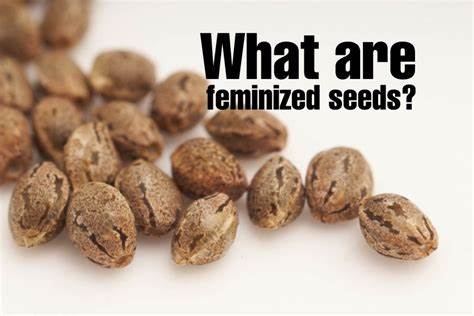
Feminized cannabis seeds are specially bred to ensure that they produce female plants, which are the source of cannabinoid-rich flowers used for medical purposes. This is achieved through a breeding process that involves the manipulation of female plants to produce pollen, which is then used to fertilize other female plants. The resulting seeds are predominantly, if not exclusively, female.
2. The Breeding Process of Feminized Seeds
To create feminized seeds, breeders use a process called “reversal,” where female plants are exposed to certain environmental stresses or treated with chemicals like silver thiosulfate or colloidal silver. This causes the female plant to develop pollen sacs, effectively turning the plant into a “male” that can fertilize other females. Because this “male” plant is genetically female, the pollen it produces lacks male chromosomes, resulting in seeds that are 99.9% female.
3. Why Use Feminized Seeds in Medical Cannabis Cultivation?
For medical growers, feminized seeds are valuable because they reduce the likelihood of male plants, which do not produce usable flowers and can pollinate female plants, leading to seeded buds that are less potent and harder to process. By ensuring a female crop, cultivators can maximize yields, ensure higher cannabinoid content, and maintain the consistency required for medical cannabis production.
The Science Behind Cannabis Plant Sex Determination
1. Genetic Basis of Sex in Cannabis
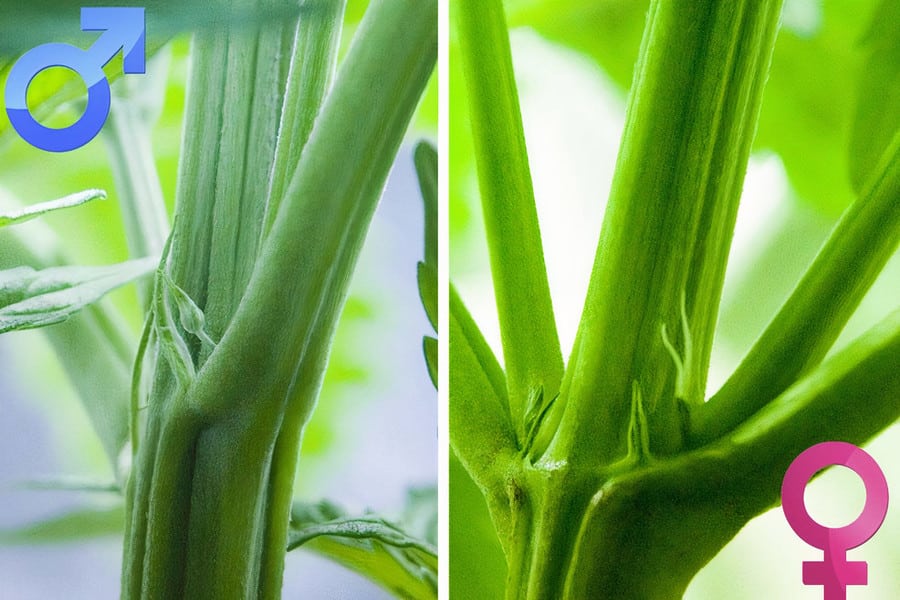
Cannabis is a dioecious plant, meaning it naturally occurs in both male and female forms. The plant’s sex is determined by its chromosomes, with male plants typically possessing XY chromosomes and female plants possessing XX chromosomes. Feminized seeds are genetically predisposed to develop into female plants due to their XX chromosome pairing.
2. Environmental Influences on Plant Sex
While the genetic makeup of a plant heavily influences its sex, environmental factors can sometimes cause a plant to express characteristics of the opposite sex. This phenomenon, known as hermaphroditism, can result from various stress factors, such as:
- Light Stress: Irregular light cycles or light leaks during the dark period can stress plants and cause them to develop male flowers.
- Nutrient Stress: Inconsistent or incorrect nutrient levels, particularly nitrogen or potassium deficiencies, can also trigger sex changes.
- Temperature Fluctuations: Extreme temperature variations, especially high temperatures, can stress plants and lead to hermaphroditism.
- Physical Damage: Pruning, bending, or breaking branches can stress plants and cause them to produce male flowers.
Can Feminized Seeds Become Male?
1. Hermaphroditism: The Middle Ground Between Male and Female
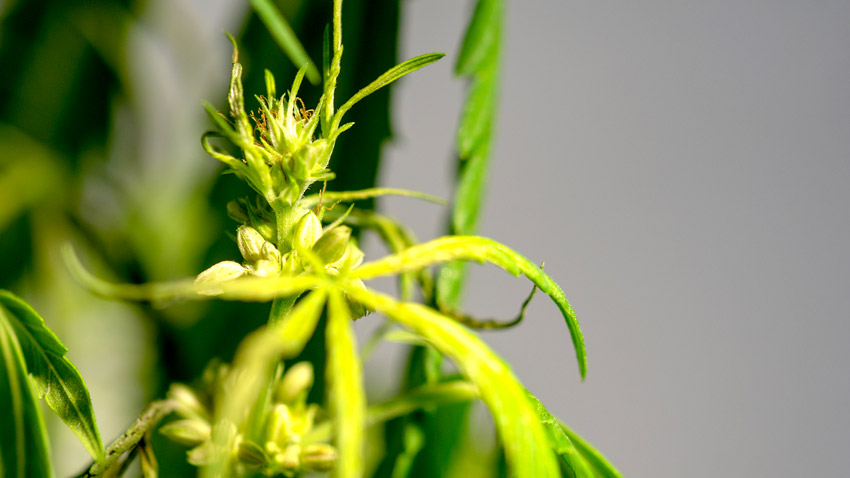
While feminized seeds are designed to produce female plants, they can sometimes exhibit hermaphroditic traits, particularly when exposed to environmental stressors. A hermaphroditic plant possesses both male and female reproductive organs and can self-pollinate, which is undesirable in medical cultivation due to its impact on cannabinoid potency and purity.
2. True Sex Reversion vs. Hermaphroditism
True sex reversion, where a feminized seed develops into a fully male plant, is extremely rare due to the genetic makeup of feminized seeds. However, under severe environmental stress or suboptimal growing conditions, feminized seeds may produce plants with both male and female flowers. This phenomenon is not a true male but rather a female plant that exhibits hermaphroditic characteristics.
3. Factors Leading to Hermaphroditism in Feminized Seeds
Several factors can contribute to the development of hermaphroditic traits in feminized seeds:
- Genetic Predisposition: Certain strains are more likely than others to be hermaphrodites. Knowing the genetic background and selecting strains with a low tendency for hermaphroditism is crucial in medical cannabis cultivation.
- Stressful Growing Conditions: As mentioned, light leaks, nutrient imbalances, temperature extremes, and physical damage are common stressors that can trigger hermaphroditism.
- Chemical Exposure: Exposure to certain chemicals or incorrect use of feminization agents can also induce hermaphroditic traits.
Preventing Hermaphroditism in Feminized Seeds
1. Choose the Right Genetics
Selecting strains with a proven track record of stability and resistance to hermaphroditism is the first step in preventing this issue. Research and data from breeders and growers can provide valuable insights into which strains are less likely to exhibit hermaphroditic traits.
2. Maintain Optimal Growing Conditions
- Light Management: Ensure consistent light cycles, particularly during the flowering stage. Use blackout curtains and light-proof grow tents to prevent light leaks.
- Temperature and Humidity Control: Keep temperatures stable, ideally between 20-28°C (68-82°F), and monitor humidity levels to avoid stress.
- Proper Nutrient Management: Use a balanced feeding regimen appropriate for the plant’s growth stage. Avoid nutrient deficiencies or toxicities by regularly testing the soil and adjusting as needed.
3. Minimize Physical Stress
- Gentle Pruning Techniques: If pruning or training is necessary, use gentle methods that do not overly stress the plants.
- Careful Handling: Handle plants with care to avoid breaking branches or causing other physical damage.
Implications for Medical Cannabis Cultivation
1. Consistency in Cannabinoid Profiles
Medical cannabis cultivation demands high consistency in cannabinoid and terpene profiles to ensure predictable effects for patients. Hermaphroditic plants can result in seeded buds, which may alter cannabinoid concentrations and reduce overall yield. Ensuring that feminized seeds do not turn hermaphroditic is critical for maintaining the quality and reliability of medical cannabis products.
2. Risk of Self-Pollination and Contamination
Hermaphroditic plants have the potential to self-pollinate, leading to seeded flowers that are less desirable for medical purposes. The presence of seeds reduces the potency of the final product and complicates extraction processes. Self-pollination can also affect nearby plants, leading to an entire crop becoming contaminated with seeds, thus reducing overall efficiency and profitability.
3. Cultivation Practices to Ensure Feminized Stability
Growers must adopt best practices to maintain the stability of feminized plants:
- Monitoring Environmental Conditions: Continuous monitoring and controlling of the grow environment, including temperature, humidity, and light cycles, is essential.
- Regular Inspections: Regularly inspect plants for signs of stress or hermaphroditic traits. Early detection allows for quick removal of any affected plants to prevent cross-contamination.
- Quarantine Measures: To keep hermaphrodite plants from harming the remainder of the crop, isolate any that exhibit these symptoms.
Case Studies: Feminized Seeds in Medical Cultivation
1. Successful Medical Cannabis Operations Using Feminized Seeds
Several medical cannabis operations have successfully utilized feminized seeds to achieve consistent and high-quality yields. For instance, a Canadian medical cannabis grower reported an increase in cannabinoid consistency and yield by switching to feminized seeds and implementing strict environmental controls. This approach minimized the risk of hermaphroditism and ensured the production of high-potency, contaminant-free medical cannabis.
2. Challenges Faced by Medical Growers
On the other hand, some growers have faced challenges with feminized seeds turning hermaphroditic due to fluctuating environmental conditions or genetic instability in certain strains. These case studies emphasize the importance of strain selection, environmental control, and regular monitoring in minimizing the risk of hermaphroditism.
Restrictions on Growing Medical Cannabis

1. Legal Framework for Medical Cannabis Cultivation
The cultivation of medical cannabis is highly regulated and varies significantly from one country to another. Common restrictions include:
- Licensing and Permits: Only licensed entities are permitted to cultivate cannabis for medical purposes. Obtaining a license typically involves rigorous background checks, financial assessments, and proof of compliance with strict agricultural and pharmaceutical standards.
- Designated Growing Areas: Some countries specify areas where medical cannabis can be grown, often restricting cultivation to secure, indoor facilities to prevent theft, cross-pollination, and unauthorized access.
- Security Measures: Medical cannabis growers must implement comprehensive security measures, including surveillance systems, restricted access, and secure storage facilities, to prevent diversion to the black market.
- Environmental Controls: Regulations often mandate specific environmental conditions for growing medical cannabis, such as controlled lighting, temperature, and humidity, to ensure product quality and consistency.
2. Restrictions on Genetic Strains and Seed Sources
- Approved Strains: Many jurisdictions only permit the cultivation of approved cannabis strains that have been scientifically studied for their medicinal properties. In order to reduce their euphoric effects, these strains are usually developed for particular cannabinoid profiles, such as low THC and high CBD concentration.
- Certified Seed Sources: Growers are often required to use certified seeds from authorized suppliers to ensure genetic consistency and compliance with regulatory standards.
3. Use of Pesticides and Additives
Medical cannabis must meet stringent quality standards to ensure patient safety. Regulations often prohibit or strictly limit the use of pesticides, herbicides, and synthetic additives. Growers must comply with good agricultural practices (GAP) and conduct regular testing for contaminants.
Restrictions on Using Cannabis as a Last Resort in the Medical Field
1. Medical Cannabis as a Last-Resort Treatment
In many countries, medical cannabis is considered a “last-resort” treatment, meaning it is only prescribed when conventional therapies have failed or caused significant side effects. This restriction is often enforced through several mechanisms:
- Medical Justification Requirements: Physicians must provide documented evidence that other treatment options were ineffective or unsuitable before prescribing medical cannabis. This requirement is intended to ensure that cannabis is not used indiscriminately and is reserved for cases where its potential benefits outweigh the risks.
- Specialist Approval: In some jurisdictions, only certain specialists, such as oncologists, neurologists, or pain management experts, are authorized to prescribe medical cannabis. This restriction is designed to ensure that cannabis is prescribed by professionals with specific expertise in managing complex conditions.
- Treatment Plans and Monitoring: Physicians must develop a comprehensive treatment plan that includes ongoing monitoring and evaluation of the patient’s response to medical cannabis. It is frequently necessary to schedule follow-up sessions in order to evaluate the efficacy of the treatment and modify dosages as necessary.
2. Patient Eligibility Criteria
- Specific Medical Conditions: Many countries and states have established lists of qualifying medical conditions for which cannabis can be prescribed. These typically include severe or chronic conditions such as cancer, epilepsy, multiple sclerosis, and intractable pain. The use of medical cannabis for other conditions may require special approval from health authorities.
- Age Restrictions: In most jurisdictions, minors (under 18 or 21 years) are only eligible for medical cannabis under strict conditions, often requiring parental consent, multiple medical opinions, and close monitoring by healthcare providers.
- Contraindications and Risk Assessment: Before prescribing medical cannabis, physicians must assess patients for potential contraindications, such as a history of substance abuse, mental health disorders, or cardiovascular issues, to minimize the risk of adverse effects.
Monitoring THC Levels to Prevent Psychoactive Effects
1. Importance of Monitoring THC Levels in Medical Cannabis
When cannabis is used, the main psychoactive ingredient that gives users a “high” is tetrahydrocannabinol, or THC. While THC can provide therapeutic benefits, particularly in pain relief and appetite stimulation, its psychoactive properties pose risks, especially in a medical context. Monitoring and controlling THC levels in medical cannabis is crucial for the following reasons:
- Preventing Adverse Effects: High THC levels can cause unwanted side effects, such as dizziness, paranoia, cognitive impairment, and anxiety. These effects can be particularly problematic for patients with mental health conditions, elderly patients, or those with a history of substance abuse.
- Ensuring Patient Safety: By controlling THC levels, healthcare providers can minimize the risk of accidental overdose or negative drug interactions, ensuring that cannabis is used safely and effectively.
- Maintaining Therapeutic Consistency: Monitoring THC levels ensures that each dose delivers a consistent therapeutic effect, which is essential for managing chronic conditions and maintaining patient trust.
2. Methods for Monitoring THC Levels in Medical Cannabis Products
- Laboratory Testing: All medical cannabis products must undergo rigorous testing for cannabinoid content, including THC, CBD, and other compounds. Accredited laboratories use advanced techniques such as gas chromatography and mass spectrometry to ensure precise measurements of THC levels.
- Batch Control and Quality Assurance: Producers must implement strict quality assurance protocols to monitor THC levels throughout the cultivation, extraction, and production processes. Each batch of cannabis must be tested to verify compliance with regulatory standards.
- Standardized Dosing Forms: Many jurisdictions require medical cannabis to be available in standardized dosing forms, such as capsules, oils, or tinctures, with clearly labeled THC content. This standardization helps prevent dosing errors and ensures consistent therapeutic outcomes.
3. Regulatory Limits on THC Content in Medical Cannabis Products
- Maximum THC Concentration: Some countries have established maximum THC concentrations for medical cannabis products to limit their psychoactive potential. For example, the European Union often limits THC levels in medical cannabis to below 1%, while certain U.S. states have established caps of 5% to 10% for specific products.
- Differentiation Between High-THC and Low-THC Products: In some jurisdictions, low-THC cannabis products (containing less than 0.3% THC) are subject to fewer restrictions and are more widely available for medical use. High-THC products, on the other hand, may be restricted to specific patient groups or conditions.
Best Practices for Preventing Psychoactive Effects in Medical Cannabis Use
1. Choosing the Right Strain and Formulation
- High-CBD, Low-THC Strains: To minimize the risk of psychoactive effects, medical cannabis growers and producers often focus on cultivating high-CBD, low-THC strains. Because CBD is non-psychoactive and can mitigate some of THC’s psychotropic effects, medical applications are better suited for these strains of cannabis.
- Balanced Formulations: Some medical cannabis products are formulated to provide a balanced ratio of THC and CBD, which can enhance therapeutic benefits while reducing the risk of adverse effects. These formulations are particularly useful for conditions like neuropathic pain or spasticity.
2. Dose Titration and Gradual Escalation
- Start Low, Go Slow: It is recommended that doctors begin with the lowest effective dose and increase it gradually in accordance with the patient’s response. This method helps determine the ideal therapeutic dose without having a psychoactive impact and enables close observation of any negative effects.
- Patient Education: Educating patients about the potential risks of THC, including how to recognize and manage side effects, is essential. Patients should be informed about the importance of adhering to prescribed dosages and avoiding the use of additional cannabis products that may contain higher THC levels.
3. Regular Monitoring and Adjustments
- Continuous Monitoring: Physicians should regularly monitor patients using medical cannabis, particularly those with a higher risk of experiencing psychoactive effects, such as the elderly or those with pre-existing mental health conditions.
- Adjusting Treatment Plans: Based on the patient’s response, healthcare providers may need to adjust dosages, switch to lower-THC formulations, or discontinue cannabis treatment altogether if adverse effects outweigh the benefits.
Conclusion
While feminized seeds are a powerful tool in medical cannabis cultivation, ensuring their stability is crucial to avoid the development of hermaphroditic traits. By understanding the genetic and environmental factors that can cause feminized seeds to express male characteristics, medical growers can implement strategies to maintain the quality and consistency of their crops. This focus on stability and environmental control is essential for producing high-quality medical cannabis that meets the rigorous standards required for patient care.
The cultivation and use of cannabis in the medical field are governed by strict regulations to ensure safety, therapeutic efficacy, and responsible usage. These regulations often consider medical cannabis a last-resort treatment, reserved for cases where conventional therapies have proven ineffective or unsuitable. The stringent oversight includes detailed criteria for growing cannabis, such as licensing, environmental controls, and the use of approved genetic strains. Medical cannabis must also meet high standards for quality and safety, which involve restrictions on pesticide use, stringent security measures, and rigorous testing.
The monitoring of THC levels in medical cannabis products is a critical aspect of these regulations, as it helps prevent the unwanted psychoactive effects associated with THC. Controlling THC levels ensures patient safety by minimizing the risk of side effects such as dizziness, paranoia, or cognitive impairment, which can be particularly concerning for vulnerable populations, including elderly patients and those with mental health conditions. Rigorous testing, batch control, and standardized dosing forms are all employed to ensure that THC levels are consistent and within prescribed limits.
