Table of Contents
California Orange, often called Cali-O, C.O.B., or California Orange Bud, is a balanced hybrid strain that has stood the test of time since its emergence in the 1980s. Known for its distinct citrus aroma, moderate THC levels, and diverse applications, this strain is cherished by both medical and recreational users. This document delves into the detailed profile of California Orange, exploring its genetic background, cannabinoid and terpene composition, cultivation characteristics, and specific medical and recreational uses.
Genetic Background and Origin
California Orange is a hybrid strain with a balanced sativa-to-indica ratio, typically hovering around 50:50. Its exact genetic lineage remains somewhat ambiguous due to its long history and the secrecy surrounding early cannabis breeding practices. However, it is widely believed to have originated from a cross between two landrace strains: one indica-dominant and one sativa-dominant. The strain was likely developed in California during the cannabis boom of the late 20th century, where it quickly gained popularity for its unique citrus profile and uplifting effects.
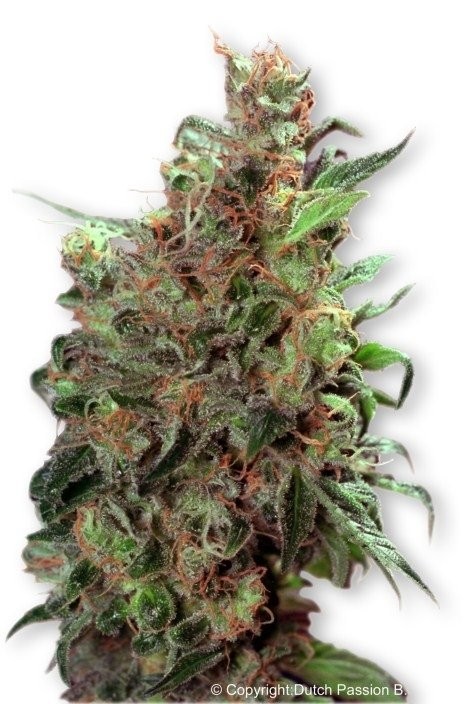
Appearance and Aroma
Appearance: California Orange plants typically produce medium-sized buds that are dense and well-formed. The buds are light green in color with vibrant orange pistils that resemble the fruit it is named after. A light dusting of trichomes gives the buds a frosty appearance, indicating a moderate resin content.
Aroma and Flavor: The standout feature of California Orange is its signature citrus aroma, which combines sweet, tangy, and slightly earthy notes. Upon grinding, the buds release an intense fragrance reminiscent of fresh oranges and tropical fruits. The flavor mirrors the aroma, offering a smooth smoking or vaping experience with a lingering citrus aftertaste.

Cannabinoid Profile
California Orange is known for its moderate THC levels, which typically range from 10% to 15%. This makes it a great choice for users seeking a mild yet noticeable psychoactive experience. The strain also contains trace amounts of CBD (usually below 1%), adding a subtle layer of therapeutic potential.
Common Cannabinoids Found in California Orange:
- THC: 10–15% (psychoactive effects)
- CBD: <1% (anti-inflammatory and anxiolytic properties)
- CBG: <1% (potential neuroprotective and anti-inflammatory effects)
Terpene Profile
The terpenes in California Orange contribute significantly to its aroma, flavor, and therapeutic properties. The dominant terpenes include:
- Limonene:
- Aroma: Citrus, sweet, and tangy
- Effects: Mood elevation, stress relief
- Myrcene:
- Aroma: Earthy, herbal, musky
- Effects: Sedation, muscle relaxation
- Caryophyllene:
- Aroma: Peppery, spicy
- Effects: Anti-inflammatory, analgesic
- Pinene:
- Aroma: Pine, fresh
- Effects: Improved focus, anti-inflammatory
Cultivation Characteristics
California Orange is a versatile strain suitable for both indoor and outdoor cultivation. Its moderate growing difficulty makes it an appealing choice for experienced growers and motivated beginners.
Growing Information:
- Climate: Prefers a Mediterranean climate with warm, sunny days and low humidity.
- Indoor Growth:
- Flowering time: 8–10 weeks
- Yield: Approximately 14–18 ounces per square meter
- Outdoor Growth:
- Harvest time: Late September to early October
- Yield: Up to 18–20 ounces per plant
Growth Traits:
- Medium height with bushy foliage
- Resistant to mold and pests
- Requires regular pruning to ensure proper airflow and light penetration
Recreational Uses
California Orange’s balanced effects make it a versatile strain for recreational users. It provides an uplifting cerebral high accompanied by a mild body relaxation, making it suitable for various activities.
- Social Settings:
- The euphoric and mood-enhancing effects of California Orange make it ideal for social gatherings. Users often report increased sociability and creativity, enhancing conversations and interactions.
- Daytime Use:
- With its moderate THC levels and balanced effects, California Orange is an excellent choice for daytime use. It promotes mental clarity and focus without overwhelming sedation.
- Creative Endeavors:
- Artists, writers, and musicians often turn to California Orange for its ability to stimulate creative thinking and break through mental blocks.
- Outdoor Activities:
- The energetic and uplifting qualities of this strain make it a great companion for hiking, biking, or other outdoor adventures.
Medical Applications
California Orange is favored by medical cannabis patients for its ability to address a wide range of physical and psychological ailments. Its balanced cannabinoid and terpene profile contributes to its therapeutic versatility.

Common Medical Uses:
- Stress and Anxiety Relief:
- The limonene content provides mood-lifting and anxiolytic effects, helping to reduce symptoms of stress and anxiety without inducing paranoia.
- Depression:
- California Orange’s uplifting and euphoric effects can help improve mood and combat feelings of sadness or lethargy associated with depression.
- Chronic Pain Management:
- Caryophyllene and myrcene contribute anti-inflammatory and analgesic properties, making this strain effective for managing mild to moderate pain conditions, such as headaches, muscle soreness, and arthritis.
- Fatigue:
- The energizing effects of California Orange make it suitable for combating fatigue and promoting productivity.
- Appetite Stimulation:
- Some users report increased appetite after consuming California Orange, which can benefit individuals undergoing treatments like chemotherapy or struggling with appetite loss due to medical conditions.
- Insomnia:
- While primarily an energizing strain, the myrcene content can provide mild sedation in higher doses, aiding in sleep for users who struggle with insomnia.
Methods of Ingestion
California Orange can be consumed in a variety of ways, each providing unique pharmacokinetics (onset, duration, and intensity of effects). Below are the primary methods:
1. Smoking
- Description: Traditional method involving inhalation of combusted cannabis flower.
- Onset Time: 1–5 minutes.
- Duration: 2–3 hours.
- Effects: Rapid onset with immediate psychoactive effects, ideal for users seeking quick relief from symptoms like stress, anxiety, or pain.
- Pros: Instant effects; easy dose control by adjusting inhalation.
- Cons: Combustion can irritate the respiratory system and produce harmful byproducts.
2. Vaporizing (Vaping)
- Description: Involves heating cannabis to release active compounds (THC, CBD, terpenes) without combustion.
- Onset Time: 1–5 minutes.
- Duration: 2–3 hours.
- Effects: Cleaner, more flavorful effects compared to smoking, with similar onset speed.
- Pros: Reduced exposure to harmful byproducts; preserves terpenes.
- Cons: Requires equipment (vape pens, desktop vaporizers).
3. Edibles
- Description: Cannabis-infused food or drinks, often containing decarboxylated THC and other cannabinoids.
- Onset Time: 30–90 minutes (depending on metabolism and stomach contents).
- Duration: 4–8 hours.
- Effects: A more intense and body-focused experience, potentially accompanied by mild sedation.
- Pros: Discreet and long-lasting effects.
- Cons: Difficult to control dosage due to delayed onset.
4. Tinctures (Sublingual Consumption)
- Description: Liquid cannabis extracts taken under the tongue for direct absorption into the bloodstream.
- Onset Time: 15–45 minutes.
- Duration: 2–4 hours.
- Effects: Balanced effects, quicker than edibles but slower than inhalation.
- Pros: Precise dosage; discreet and easy to administer.
- Cons: Longer onset compared to inhalation.

5. Topicals
- Description: Cannabis-infused creams, balms, or transdermal patches applied to the skin.
- Onset Time: 15–60 minutes.
- Duration: Varies (2–8 hours for localized effects, up to 72 hours for patches).
- Effects: Non-psychoactive, providing localized relief for inflammation, pain, or skin conditions.
- Pros: Ideal for targeted relief; no psychoactive effects.
- Cons: Ineffective for systemic conditions or psychological effects.
Onset and Duration (By Method)
| Method | Onset Time | Peak Effects | Duration | Notes |
|---|---|---|---|---|
| Smoking | 1–5 minutes | 15–30 minutes | 2–3 hours | Best for immediate relief of symptoms. |
| Vaping | 1–5 minutes | 15–30 minutes | 2–3 hours | Cleaner experience with enhanced flavor. |
| Edibles | 30–90 minutes | 2–3 hours | 4–8 hours | Delayed onset; be cautious with dosing. |
| Tinctures | 15–45 minutes | 30–60 minutes | 2–4 hours | Flexible and precise for most users. |
| Topicals | 15–60 minutes | 1–2 hours | 2–8 hours (localized) | Non-psychoactive; great for pain relief. |
Effects of California Orange by Ingestion Method
- Smoking and Vaping:
- Immediate Effects: Uplifting cerebral euphoria, heightened senses, and a light body relaxation.
- Terpene Influence: Limonene and pinene contribute to an energizing and focused mental state.
- Duration: Relatively short, making it suitable for quick symptom relief or short recreational use.
- Edibles:
- Delayed Onset: Users may feel no effects for 30–90 minutes, leading some to unintentionally overconsume.
- Intense Body High: The effects can be more sedating and body-focused due to the liver metabolizing THC into 11-hydroxy-THC, a more potent compound.
- Prolonged Effects: Can last up to 8 hours, making it ideal for conditions requiring sustained relief (e.g., chronic pain or insomnia).
- Tinctures:
- Gradual Effects: Less intense than edibles but longer-lasting than smoking/vaping.
- Controlled Dosing: Allows for precise adjustment of effects, making it suitable for medical applications like anxiety or appetite stimulation.
- Topicals:
- Localized Relief: Non-psychoactive, focusing on inflammation, muscle pain, or joint stiffness.
- Long-Lasting: Particularly effective for conditions like arthritis or sports injuries without systemic effects.
Scientific Insights Into Effects
California Orange interacts with the Endocannabinoid System (ECS) primarily through THC binding to CB1 receptors (central nervous system) and terpenes modulating these effects. Below is a scientific breakdown of its effects:
Immediate Effects (Acute Phase)
- Euphoria and Mood Enhancement:
- Mechanism: THC activates CB1 receptors in the brain’s reward system, increasing dopamine release.
- Terpenes Role: Limonene boosts serotonin and dopamine, enhancing mood and reducing stress.
- Increased Sociability:
- Pinene may enhance alertness and cognitive focus, making social interactions more engaging.
- Heightened Sensory Perception:
- Mechanism: Activation of CB1 receptors enhances sensory processing, making colors appear more vivid, sounds richer, and flavors more intense.
Prolonged Effects (Subacute Phase)
- Relaxation: As the peak effects subside, the presence of myrcene induces muscle relaxation and a calming body high.
- Focus: The balanced hybrid nature promotes mental clarity, useful for creative or focused tasks.
Summary Chart of Effects by Type and Duration
| Effect | Timeframe | Mechanism | Terpenes Contributing |
|---|---|---|---|
| Euphoria | 5–30 minutes (acute) | Dopamine release via CB1 receptor activation | Limonene, pinene |
| Creativity | 15–60 minutes | Enhanced prefrontal cortex activity | Pinene, caryophyllene |
| Body Relaxation | 1–3 hours (subacute) | Muscle relaxation from myrcene | Myrcene |
| Anxiety Reduction | Immediate–3 hours | Limonene and caryophyllene modulating GABA | Limonene, caryophyllene |
| Sleep Induction (high dose) | 2–8 hours (edibles) | Myrcene sedation at high concentrations | Myrcene |
Scientific Insights
Pharmacological Effects: California Orange’s effects are primarily mediated by its interaction with the endocannabinoid system (ECS). THC binds to CB1 receptors in the brain, producing its characteristic psychoactive effects, while terpenes modulate these effects through the entourage effect.
Entourage Effect:
- The combination of cannabinoids and terpenes in California Orange creates a synergistic effect that enhances the strain’s therapeutic potential. For instance, limonene’s mood-lifting properties may amplify the euphoric effects of THC, while caryophyllene’s anti-inflammatory action complements CBD’s benefits.
Research Highlights:
- Mood Disorders: Studies suggest that limonene and pinene may have antidepressant-like effects by modulating serotonin and dopamine levels.
- Pain Management: Caryophyllene, a unique terpene that interacts with CB2 receptors, has demonstrated significant anti-inflammatory and analgesic properties in preclinical studies.
- Focus and Cognitive Function: Pinene has been linked to improved memory and focus, potentially counteracting the short-term memory impairment sometimes associated with THC.
Potential Side Effects
While California Orange is generally well-tolerated, some users may experience side effects, especially at higher doses. Common side effects include:
- Dry mouth and dry eyes
- Mild dizziness or lightheadedness
- Increased heart rate
- Rare cases of mild paranoia or anxiety (typically in users sensitive to THC)
To minimize adverse effects, it is recommended to start with a low dose and gradually increase as needed.
Consumer Tips
- Consumption Methods:
- California Orange can be enjoyed through various methods, including smoking, vaping, edibles, and tinctures. Each method offers a unique onset time and duration of effects.
- Ideal Dosage:
- Beginners should start with 2–5 mg of THC (for edibles) or a single inhalation (for smoking/vaping) to gauge their tolerance.
- Pairing Suggestions:
- This strain pairs well with citrus-flavored beverages, light snacks, and activities that require creativity or social interaction.
Conclusion
California Orange stands out as a timeless cannabis strain that balances recreational enjoyment with significant medical benefits. Its moderate THC levels, distinct citrus profile, and balanced hybrid effects make it an excellent choice for a wide range of users. Whether you’re seeking to alleviate stress, boost creativity, or manage chronic pain, California Orange offers a versatile and approachable option.
As the cannabis industry continues to evolve, California Orange remains a classic strain that appeals to both connoisseurs and newcomers. Its enduring popularity is a testament to its unique qualities and consistent performance. For those looking to explore a strain with a rich history and diverse applications, California Orange is undoubtedly worth considering.
For a complete directory of cultivars, visit our Cannabis Strain Reviews.
