Table of Contents
California Grapefruit is a hybrid cannabis strain renowned for its citrusy aroma, balanced effects, and potential therapeutic benefits. This strain is a cross between Grapefruit and California Orange, two legendary cannabis varieties known for their uplifting and euphoric properties. The resulting hybrid boasts a unique terpene and cannabinoid profile that appeals to both recreational and medicinal users.
This document provides an in-depth exploration of California Grapefruit, including its genetics, appearance, aroma, flavor, effects, medical applications, and scientific insights.
Genetic Lineage and Classification
California Grapefruit is a well-balanced hybrid, typically exhibiting a 50/50 or slightly sativa-dominant composition. Its parent strains, Grapefruit and California Orange, contribute to its distinct citrus-forward profile and effects. Below is a breakdown of its genetic lineage:
- Grapefruit (Sativa-dominant hybrid) – Known for its energetic and mood-enhancing effects with a strong grapefruit aroma.
- California Orange (Balanced hybrid) – Offers a sweet citrus flavor with relaxing and mildly euphoric effects.
As a result, California Grapefruit inherits the best of both worlds—providing cerebral stimulation from Grapefruit and a mellow body relaxation from California Orange.
Appearance
California Grapefruit features dense, medium-sized buds with a striking coloration that includes:
- Bright green and orange hues – A reflection of its citrus lineage.
- Amber-colored pistils – Indicating a rich terpene profile.
- Generous trichome coverage – Giving the buds a frosty appearance, signifying high potency.
Aroma and Flavor Profile
Aroma
California Grapefruit is famous for its sharp citrus scent, reminiscent of freshly cut grapefruit and sweet oranges. The aroma is enhanced by underlying earthy and skunky notes, likely due to its myrcene and caryophyllene content.
Flavor
The flavor profile mirrors its aroma, featuring:
- Dominant citrus flavors – A mix of sweet grapefruit and tangy orange.
- Mild tropical undertones – Hints of mango and pineapple.
- Subtle spicy and earthy notes – Adding depth to the flavor experience.
Cannabinoid Profile
California Grapefruit has a moderate to high THC content, generally ranging between 17-24% THC, with minimal CBD levels (usually under 1%).
Primary Cannabinoids
- THC (17-24%) – Responsible for psychoactive effects, euphoria, and pain relief.
- CBD (<1%) – Provides minor therapeutic benefits without intoxication.
- CBG (0.5-1.5%) – Known for potential neuroprotective and anti-inflammatory properties.
Terpene Profile
Terpenes play a significant role in the effects and aroma of California Grapefruit. The dominant terpenes include:
- Limonene – Provides citrus aroma, enhances mood, and offers stress relief.
- Myrcene – Adds earthy and herbal notes, promotes relaxation and sedation.
- Caryophyllene – Spicy and peppery, known for its anti-inflammatory benefits.
- Pinene – Sharp pine scent, enhances focus and counteracts THC-induced memory loss.
Effects and Usage
Recreational Effects
California Grapefruit is widely sought after for its balanced effects, making it ideal for daytime or early evening use. Its effects include:
- Euphoria and uplifted mood – Commonly experienced within minutes of consumption.
- Creativity and focus boost – Great for artistic endeavors and problem-solving.
- Relaxation without sedation – Offers a gentle body high without heavy couch-lock.
- Social enhancement – Encourages conversation and laughter, ideal for social settings.
Medical Applications
California Grapefruit is frequently used in medical cannabis treatments due to its diverse therapeutic potential. Below are its key medical benefits:
Mental Health Benefits
- Depression Relief – The uplifting and mood-enhancing effects can alleviate symptoms of depression and chronic stress.
- Anxiety Reduction – Limonene and myrcene contribute to anti-anxiety properties without excessive sedation.
- PTSD Management – May help in reducing flashbacks and promoting relaxation.
Physical Health Benefits
- Pain Relief – Mild to moderate pain conditions, including headaches and muscle tension, respond well to California Grapefruit.
- Anti-inflammatory Properties – Caryophyllene and CBG contribute to reducing inflammation in conditions like arthritis.
- Migraine Prevention – The cerebral effects can help ease migraine-related symptoms.
- Appetite Stimulation – Useful for those experiencing appetite loss due to medical conditions or treatments like chemotherapy.
Scientific Insights
Pharmacology and Mechanism of Action
The effects of California Grapefruit are attributed to its interaction with the endocannabinoid system (ECS). The key mechanisms include:
- THC activation of CB1 receptors – Induces euphoria and pain relief.
- CBD (if present) modulation of CB2 receptors – Provides anti-inflammatory benefits.
- Limonene’s effect on serotonin and dopamine – Enhances mood and relieves stress.
- Caryophyllene acting as a CB2 agonist – Adds potential neuroprotective and anti-inflammatory effects.
California Grapefruit, being a hybrid strain with moderate to high THC levels (17-24%), can be consumed through various methods. Each ingestion method influences the onset, peak effects, and duration of action based on bioavailability, metabolism, and absorption rate. Below is a scientific breakdown of the different consumption methods.
Inhalation Methods: Smoking and Vaporization
A. Smoking (Combustion)
- Bioavailability: ~30%
- Onset Time: 1-5 minutes
- Peak Effects: 15-30 minutes
- Duration: 2-4 hours
- Best For: Immediate relief of symptoms, recreational use, social settings
Scientific Insights on Smoking Cannabis
- The decarboxylation process occurs instantly at high temperatures (600-900°F or 315-482°C).
- THC is rapidly absorbed into the bloodstream via the alveolar capillaries in the lungs.
- Peak plasma THC concentration occurs within 3-10 minutes after inhalation.
- Oxidation and pyrolysis lead to some cannabinoid loss, reducing efficiency compared to vaporization.
Pros and Cons of Smoking
- Fastest onset for quick relief
- Full-spectrum effects (terpenes and cannabinoids preserved)
- Inhalation of combustion byproducts (carbon monoxide, tar)
- Loss of THC due to high combustion temperatures
B. Vaporization (Dry Herb or Concentrates)
- Bioavailability: ~40-56% (higher than smoking)
- Onset Time: 1-3 minutes
- Peak Effects: 10-30 minutes
- Duration: 2-4 hours
- Best For: Controlled dosing, medical patients, flavor preservation
Scientific Insights on Vaporization
- Heats cannabis between 315-430°F (157-220°C) to release cannabinoids without combustion.
- Higher bioavailability than smoking due to reduced THC degradation.
- Terpenes and cannabinoids remain chemically intact, resulting in enhanced entourage effects.
- Vaporized cannabis produces fewer carcinogenic byproducts than smoking.
Pros and Cons of Vaporization
- Higher efficiency than smoking
- Lower lung irritation (no tar or harmful combustion byproducts)
- Preserves terpene profile for better flavor
- Requires specialized equipment
- Can have a steep learning curve for temperature control
Oral Consumption Methods

A. Edibles (Cannabis-Infused Food and Beverages)
- Bioavailability: 4-20% (low due to first-pass metabolism)
- Onset Time: 30-90 minutes
- Peak Effects: 2-3 hours
- Duration: 6-8 hours (sometimes up to 12 hours)
- Best For: Long-lasting relief, chronic pain, sleep disorders
Scientific Insights on Edible Cannabis Absorption
- Requires gastrointestinal digestion and liver metabolism (first-pass effect).
- 11-hydroxy-THC, which is more strong and persistent, is produced from THC.
- Delayed onset because cannabinoids must pass through the stomach and liver before entering circulation.
Pros and Cons of Edibles
- Longer-lasting effects than inhalation
- Ideal for sustained symptom relief
- Discreet and smoke-free
- Difficult to dose accurately
- Overconsumption risk because of delayed onset
B. Tinctures and Sublingual Administration
- Bioavailability: 20-35%
- Onset Time: 15-45 minutes
- Peak Effects: 1-2 hours
- Duration: 4-6 hours
- Best For: Fast-acting medical use, precise dosing
Scientific Insights on Sublingual Absorption
- Cannabinoids diffuse directly into the bloodstream via the oral mucosa, bypassing first-pass metabolism.
- Effects occur faster than edibles but last longer than smoking.
- Sublingual absorption reduces THC degradation, increasing efficiency.
Pros and Cons of Sublingual Use
- Faster onset than edibles
- More controlled and predictable dosing
- Discreet and convenient
- Requires holding liquid under the tongue for absorption
- Some users may dislike the taste of tinctures
Topical and Transdermal Applications

A. Cannabis Topicals (Creams, Lotions, and Balms)
- Bioavailability: Low, as cannabinoids do not enter the bloodstream
- Onset Time: 15-30 minutes
- Peak Effects: 1-2 hours
- Duration: 2-6 hours
- Best For: Localized pain, inflammation, skin conditions
Scientific Insights on Topical Cannabis Absorption
- Cannabinoids interact with CB1 and CB2 receptors in the skin.
- Effects remain localized and do not cause psychoactive effects.
- Best suited for arthritis, muscle pain, and skin conditions like eczema.
Pros and Cons of Topicals
- Non-psychoactive
- Ideal for localized pain relief
- Does not enter the bloodstream
- Requires regular reapplication for sustained effects
B. Transdermal Patches
- Bioavailability: High, as cannabinoids enter systemic circulation
- Onset Time: 30-60 minutes
- Peak Effects: 2-4 hours
- Duration: 8-12 hours
- Best For: Long-term symptom management, consistent dosing
Scientific Insights on Transdermal Cannabis Absorption
- Cannabinoids pass through the skin barrier into the bloodstream, allowing systemic effects.
- Controlled and steady release of cannabinoids over time.
- Some patches include permeation enhancers to improve absorption.
Pros and Cons of Transdermal Patches
- Provides long-lasting effects
- Bypasses first-pass metabolism
- Discreet and convenient
- Higher cost compared to other methods
- Slower onset than inhalation
Suppositories (Rectal and Vaginal Administration)
- Bioavailability: 50-70%
- Onset Time: 15-30 minutes
- Peak Effects: 1-2 hours
- Duration: 4-8 hours
- Best For: Chronic pain, gastrointestinal conditions, menstrual relief
Scientific Insights on Cannabis Suppositories
- Absorbed through rectal or vaginal mucosa, bypassing first-pass metabolism.
- Higher bioavailability than oral ingestion, leading to potent effects.
- Commonly used for gastrointestinal disorders, menstrual pain, and cancer-related symptoms.
Pros and Cons of Suppositories
- High absorption rate
- Non-psychoactive in some cases
- Provides relief for patients unable to ingest or inhale cannabis
- Requires refrigeration for stability
- Less socially accepted method of administration
Potential Risks and Side Effects
While California Grapefruit is well-tolerated by most users, some adverse effects may include:
- Dry mouth and eyes – Common with THC-rich strains.
- Mild paranoia or anxiety – In higher doses, particularly in sensitive users.
- Dizziness – Rare but possible in those with low THC tolerance.
- Short-term memory impairment – Can occur at high doses.
Toxicology and Drug Interactions
- Alcohol and sedatives – Combining California Grapefruit with alcohol or benzodiazepines can enhance sedation.
- Blood pressure medications – May cause a temporary drop in blood pressure.
- Antidepressants (SSRIs) – Possible interaction leading to intensified effects.
Cultivation Information
California Grapefruit is moderately easy to grow, making it suitable for both novice and experienced cultivators.
Growing California Grapefruit successfully requires a combination of scientific principles, optimized environmental conditions, and strategic cultivation techniques. Below, I’ll cover scientific aspects of cultivation, including genetics, growth phases, environmental controls, nutrient management, pest prevention, and optimization techniques.
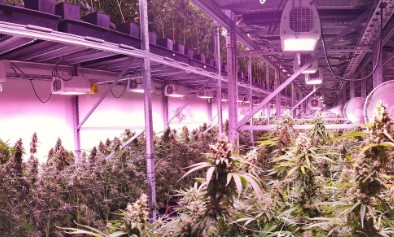
Genetic Considerations
California Grapefruit is a hybrid derived from Grapefruit (sativa-dominant) and California Orange (balanced hybrid). Understanding its genetic makeup is crucial for optimizing growth conditions.
- Hybrid Vigor: California Grapefruit exhibits heterosis, meaning it benefits from the diverse genetics of its parent strains, leading to stronger growth, increased resistance to stress, and higher yields.
- Phenotype Variability: Due to hybrid genetics, phenotypic expression can vary, meaning plants may lean sativa- or indica-dominant, requiring careful selection of mother plants for cloning.
Growth Stages and Environmental Requirements
Each stage of cannabis cultivation requires precise environmental control to maximize terpene and cannabinoid production.
| Growth Stage | Light Cycle | Temperature | Humidity | Nutrient Needs |
|---|---|---|---|---|
| Seedling | 18-24 hrs light | 70-78°F (21-26°C) | 60-70% RH | High phosphorus for root growth |
| Vegetative | 18/6 light cycle | 72-85°F (22-29°C) | 50-60% RH | High nitrogen (N) |
| Flowering | 12/12 light cycle | 65-78°F (18-26°C) | 40-50% RH | Higher phosphorus (P) and potassium (K) |
| Late Flowering | 12/12 light cycle | 65-75°F (18-24°C) | 30-40% RH | Reduce nitrogen, increase flushing |
Optimized Cultivation Techniques
A. Hydroponics vs. Soil Cultivation
- Hydroponic Systems:
- Replaces soil with nutrient-rich water solutions.
- Faster growth and higher yields due to direct nutrient uptake.
- Requires pH monitoring (5.5-6.5) and electrical conductivity (EC) adjustments.
- Ideal systems: Deep Water Culture (DWC), Ebb & Flow, Aeroponics.
- Soil Cultivation:
- Organic living soil enhances terpene and cannabinoid development.
- Best for outdoor and greenhouse growth, mimicking natural conditions.
- pH range: 6.0-7.0, with well-aerated soil mixes (e.g., perlite, coco coir).
B. Training Techniques for Yield Maximization
- Low-Stress Training (LST): Bending and tying down branches to increase light exposure and improve bud development.
- Screen of Green (ScrOG): Using a net to create an even canopy, maximizing light penetration.
- Topping and FIMing: Cutting the top growth to encourage lateral branching, leading to more bud sites.
- Defoliation: Selective leaf removal to improve airflow and light exposure for lower bud sites.
Nutrient Management and Feeding Schedule
California Grapefruit, like most hybrid strains, benefits from a three-phase nutrient plan.
Essential Nutrients
- Nitrogen (N): Promotes vegetative growth and chlorophyll production.
- Phosphorus (P): Critical for root development and flower production.
- Potassium (K): Enhances resistance to stress and terpene production.
- Secondary Nutrients: Calcium (Ca), Magnesium (Mg), Sulfur (S) improve cell structure and enzyme activation.
- Micronutrients: Iron (Fe), Zinc (Zn), Copper (Cu), Manganese (Mn) support hormonal and metabolic functions.
| Growth Phase | N-P-K Ratio | Feeding Frequency |
|---|---|---|
| Seedling | 2-1-2 | Light feeding, once per week |
| Vegetative | 3-1-2 | 2-3 times per week |
| Early Flowering | 1-3-3 | 2-3 times per week |
| Late Flowering | 0-2-4 | Once per week (flush before harvest) |
pH and Electrical Conductivity (EC) Monitoring
- Soil pH: 6.0 – 7.0
- Hydroponic pH: 5.5 – 6.5
- EC Levels: 1.2-2.2 mS/cm (depends on growth stage)
Regular monitoring ensures optimal nutrient absorption and prevents nutrient lockout.
Environmental Control: Light, Temperature, and Humidity
A. Light Spectrum Optimization
- Seedling Stage: Blue light (400-500nm) promotes healthy root and leaf development.
- Vegetative Stage: Full spectrum (400-700nm) with emphasis on blue light for robust growth.
- Flowering Stage: Red light (600-700nm) enhances bud density and resin production.
Light Intensity:
- Seedlings: 200-300 PPFD (Photosynthetic Photon Flux Density)
- Vegetative: 400-700 PPFD
- Flowering: 700-1000 PPFD
B. Temperature & Humidity Adjustments
- Cooler temperatures (65-75°F) during flowering enhance terpene retention.
- Humidity reduction in late flowering (30-40%) prevents bud rot.
- CO₂ Supplementation (1000-1500 PPM) boosts photosynthesis and yield when combined with high-intensity lighting.
Pest and Disease Prevention
California Grapefruit is moderately resistant to mold and pests, but proactive management is essential.
Common Threats and Prevention Methods
| Pest/Disease | Symptoms | Prevention/Treatment |
|---|---|---|
| Spider Mites | Yellow spotting on leaves | Neem oil, predatory mites |
| Powdery Mildew | White powder on leaves | Maintain low humidity, use potassium bicarbonate sprays |
| Fungus Gnats | Larvae in soil, weak plants | Dry soil between waterings, use sticky traps |
| Bud Rot (Botrytis) | Gray mold inside buds | Proper airflow, dehumidifiers |
Advanced Optimization Techniques
Flushing for Purity
- 2 weeks before harvest, stop feeding nutrients and use pure water (pH 6.0-6.5).
- Flushing removes excess salts, improving flavor and smoothness of the final product.
Cold Shock for Terpene Enhancement
- Exposing plants to cooler temperatures (55-65°F) in the final week can enhance anthocyanin production, leading to deeper colors and richer flavors.
Harvest and Curing for Maximum Potency
- Harvest when trichomes are milky-white (50-70% amber for relaxation effects).
- Drying: Hang buds in a dark, ventilated space at 60°F and 50-55% RH for 7-10 days.
- Curing: Store dried buds in airtight glass jars, burping daily for the first 2 weeks to release moisture and develop optimal flavors.
Conclusion
California Grapefruit is a versatile, well-balanced hybrid with a refreshing citrus aroma and a range of medical and recreational applications. Its uplifting and relaxing effects make it an excellent choice for stress relief, creativity, and social interaction, while its therapeutic benefits extend to mood disorders, chronic pain, and inflammation.
With a moderate THC content, strong terpene presence, and straightforward cultivation requirements, California Grapefruit remains favored by both medical patients and cannabis aficionados. Whether for recreational enjoyment or medical relief, California Grapefruit stands out as a top-tier cannabis strain.
Summary Table: California Grapefruit Strain Overview
| Attribute | Details |
|---|---|
| Strain Type | Hybrid (50% Indica / 50% Sativa) |
| Genetics | Grapefruit x California Orange |
| THC Content | 17-24% |
| CBD Content | <1% |
| Dominant Terpenes | Limonene, Myrcene, Caryophyllene, Pinene |
| Effects | Uplifting, Euphoric, Creative, Relaxing |
| Medical Uses | Depression, Anxiety, Pain, Inflammation, Migraines |
| Flavor Profile | Grapefruit, Orange, Tropical, Earthy |
| Growing Difficulty | Moderate |
| Flowering Time | 8-9 weeks (Indoor), Early October (Outdoor) |
For those seeking an energetic yet calming cannabis experience, California Grapefruit delivers an exceptional balance of effects and flavors, making it a must-try strain for cannabis enthusiasts and medical users alike.
For a complete directory of cultivars, visit our Cannabis Strain Reviews.
