Table of Contents
1. Buying, Storing, and Growing Advice
A. Understand What You Need
Before purchasing, know your intent. Are you seeking relaxation, focus, creativity, pain relief, or sleep aid? Based on your goal, select:
- Sativa-dominant strains (for energy, creativity, mood uplift)
- Indica-dominant strains (for relaxation, sleep, pain)
- Hybrids (balanced effects)
- CBD-rich strains (non-intoxicating, medicinal use)
B. Choose a Trusted Source
Always buy from licensed dispensaries or certified online retailers. Reputable sellers:
- Test products through third-party labs (for cannabinoid and terpene profiles, and contaminants)
- Offer product transparency (COA: Certificate of Analysis)
- Provide staff guidance for strain selection and dosage
Avoid street purchases. They often lack safety guarantees and can be contaminated with pesticides, molds, or unverified potency.
C. Read Labels Carefully
Look beyond just THC or CBD percentages. Pay attention to:
- Terpenes: These aromatic compounds affect effects (e.g., myrcene = sedative; limonene = uplifting).
- Harvest Date: Fresher is usually better; cannabis loses potency with time.
- Batch Number & Testing Info: Ensures quality control and traceability.
D. Types of Products
- Flower: The most traditional form, available in pre-rolls or loose buds.
- Vapes: Convenient, discrete, fast-acting.
- Edibles: Long-lasting but delayed onset (start low, go slow).
- Concentrates: Potent, not for beginners.
- Topicals & Tinctures: Ideal for localized pain or subtle effects.
2. Storing Cannabis: Keeping It Fresh and Potent
Cannabis is sensitive to environmental conditions. Proper storage helps preserve cannabinoids, terpenes, and flavor while preventing mold and degradation.
A. The Enemies of Cannabis Storage
- Light – UV rays degrade THC into CBN, reducing potency.
- Air – Oxygen oxidizes cannabinoids, decreasing effectiveness.
- Heat – Accelerates degradation of cannabinoids and terpenes.
- Humidity – Too much causes mold; too little dries out the flower.
B. Ideal Storage Conditions
- Temperature: Keep cannabis between 60–70°F (15–21°C)
- Humidity: Maintain 55–62% RH (Relative Humidity)
- Light: Store in a dark place away from sunlight
- Airflow: Use airtight containers
C. Best Storage Containers
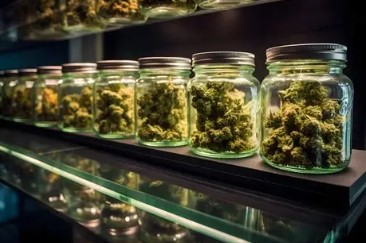
- Glass jars with airtight lids (e.g., mason jars) are best
- Opaque or dark-colored jars protect from light
- Humidity packs (e.g., Boveda) can maintain optimal RH
- Avoid plastic bags or containers they attract static and degrade trichomes
D. Refrigeration or Freezing?
- Not recommended unless long-term storage (6+ months) is necessary
- Can cause moisture condensation and trichome damage
- If freezing, vacuum-seal and thaw slowly to reduce mold risk
3. Growing Cannabis: Essential Guidance for Beginners and Hobbyists
Whether for personal medicinal use or recreational interest, cultivating your own cannabis offers control over quality and strain selection. Here’s how to begin.
Growers looking for a complete foundation—from germination through harvest—can explore our cannabis seed growing guides for step-by-step cultivation resources.
A. Legal Considerations
Before anything, check your local and national laws. In some regions, growing even one plant is a criminal offense. Where permitted, limits usually apply:
- Plant counts (e.g., 4–6 plants per household)
- Indoor vs. outdoor regulations
- Licensing (medical grow permits may differ from recreational ones)
B. Choosing Your Seeds or Clones
Seeds:
- Feminized Seeds: Guaranteed to produce bud-bearing female plants.
- Autoflowering Seeds: Flower without needing light cycle changes; ideal for beginners.
- Regular Seeds: May produce male or female plants — males are typically culled.
Clones:
- Cuttings from mature female plants, genetically identical, no germination time.
- Risk of passing on pests or diseases if not sourced carefully.
C. Indoor vs. Outdoor Growing
| Feature | Indoor Grow | Outdoor Grow |
|---|---|---|
| Control | High (light, humidity, pests) | Low |
| Cost | High (equipment, electricity) | Low (natural sun and air) |
| Yield Potential | Medium | High (depends on sunlight) |
| Privacy | Easy to conceal | Needs fencing/security |
Indoor Setup Requires:
- Grow lights (LEDs preferred for efficiency)
- Ventilation (intake and exhaust fans)
- Grow tent or dedicated space
- Timers for light cycles (18/6 veg, 12/12 flower)
Outdoor Requirements:
- South-facing exposure (for maximum light)
- Rich soil or grow containers
- Protection from pests, animals, and prying eyes
D. Growth Cycle Basics
- Germination (3–10 days):
- Use paper towel method or directly in seedling starter.
- Seedling Stage (2–3 weeks):
- Needs 18–24 hours of light; avoid overwatering.
- Vegetative Stage (3–8 weeks):
- Plants grow leaves and branches; transplant as needed.
- Train your plant (topping, LST) for better yields.
- Flowering Stage (6–12 weeks):
- Light switch to 12/12 if indoor; natural outdoors.
- Watch for pests and nutrient needs.
- Harvest Time:
- Pistils darken, trichomes turn milky/cloudy (some amber for relaxation effects).
- Use magnification to inspect trichomes.
E. Post-Harvest Processing
- Drying (7–14 days): Hang buds upside down in a dark, ventilated room at 50–60% RH and 60–70°F.
- Curing (2+ weeks): Store in airtight glass jars, burp daily (open briefly to release moisture).
- Curing improves smoothness, flavor, and potency.
F. Common Mistakes to Avoid
- Overwatering: Leads to root rot; cannabis prefers wet-dry cycles.
- Overfeeding: Nutrient burn can occur; follow feeding schedules carefully.
- Poor light management: Inadequate light leads to stretching, weak plants.
- Harvesting too early: Reduces potency and flavor profile.
- Ignoring pH: Water and soil pH should be around 6.0–6.5.
4. Sustainable and Organic Practices
Consider environmentally friendly and health-conscious approaches:
- Compost teas and organic nutrients for soil health
- Companion planting outdoors (e.g., basil, marigolds) for pest control
- Avoid synthetic pesticides opt for neem oil or insecticidal soap
- Reusing soil: With proper amendment, soil can be used across cycles
5. Final Thoughts
Buying, storing, and growing cannabis successfully demands awareness, care, and intention. For buying, prioritize transparency and terpene profiles over THC percentage. For storage, treat your flower like a delicate herb protect it from light, heat, and moisture. When growing, invest time in understanding plant biology, optimize your environment, and harvest with patience.
With these principles, you’ll be empowered to enjoy cannabis in its highest quality whether you’re lighting up a freshly cured home-grown flower, baking an edible with trusted dispensary herb, or using tinctures for relief.
