Table of Contents
Looking to Buy Cannabis Seeds in Spain:
The History and Origin of Cannabis in Spain
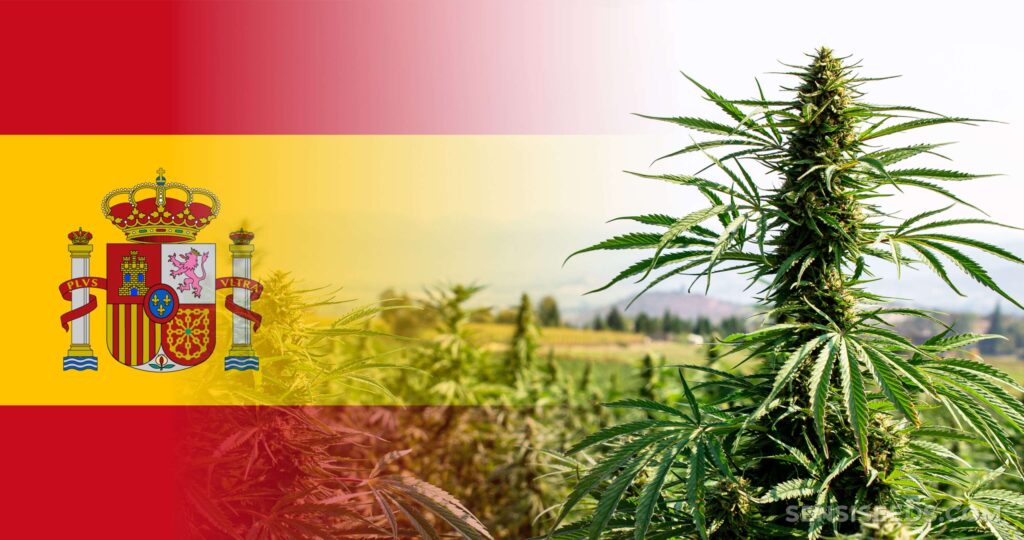
The history of cannabis in Spain presents a rich and layered exploration of the plant’s integration into various facets of Spanish life over the centuries. From its earliest recorded use to the ongoing debates surrounding its legality and societal impact, cannabis has played a multifaceted role in Spanish history. This account aims to comprehensively outline the journey of cannabis through the epochs of Spanish civilization, emphasizing its economic, medicinal, and social implications.
Early Historical References and Islamic Influence
Historical evidence suggests that cannabis was introduced to the Iberian Peninsula around the 8th century during the Islamic conquest of Spain. The Moors, who governed Spain for almost 800 years, played a crucial role in bringing new agricultural methods and plants from the Middle East and North Africa to Spain, such as cannabis. The Arabic term hashish is believed to have been familiar in the Moorish medical and social practices, although the extent of its use is not thoroughly documented for this period.
Agricultural Importance in Medieval Spain
During the medieval era, the cultivation of cannabis, known locally as cáñamo, was primarily for its fibrous properties. Cannabis fibers were indispensable in the manufacture of ropes, sails, and other maritime equipment which were crucial to naval exploration and trade. The robust naval capabilities enabled by hemp products significantly contributed to the Spanish Empire’s expansion and its dominance over global sea routes.
Ethnobotanical Uses and Regional Variations
In rural Spain, different regions adopted cannabis for various ethnobotanical uses. In addition to its applications in textiles and ropemaking, cannabis seeds and oils were utilized in folk remedies. These applications included the treatment of ailments such as inflammation, pain relief, and various skin conditions. The practice varied significantly from one region to another, with some areas developing a rich tradition of using cannabis in herbal medicine.
20th Century: Regulation and Cultural Shifts
The onset of the 20th century saw the introduction of strict regulations against cannabis. Influenced by international drug control treaties, notably the International Opium Convention of 1925, Spain began to impose laws that curtailed the cultivation, use, and distribution of cannabis. This period saw the alignment of Spanish drug policies with global trends towards prohibition, which were heavily influenced by the United States’ stance on narcotics.
As the century progressed, especially post-World War II, the global counterculture movement began to challenge these norms. In Spain, this period coincided with political upheaval and a transition towards democracy following the dictatorship of Francisco Franco. The passing of Franco in 1975 marked the start of a new era of liberty, encompassing enhanced freedom in personal lifestyle choices, which for many involved the use of cannabis.
The Contemporary Scene: Legal Loopholes and Advocacy
In contemporary Spain, the approach to cannabis is characterized by a complex legal framework. The establishment of cannabis clubs, especially prevalent in regions like Catalonia and the Basque Country, highlights a unique model within Europe. These clubs are based on a system where cannabis is grown and consumed collectively amongst members, operating in a gray area between private and public consumption that is technically legal under Spanish law.
These clubs and their supporters argue that such models promote safe and responsible use of cannabis, offering an alternative to the black market. However, the Spanish government remains in a precarious position, balancing between local autonomy and the enforcement of national and international drug laws.
Conclusion: Continuing Discussions and Future Outlook
Today, Spain stands at a crossroads in its relationship with cannabis. The debate over its legalization for recreational use continues to evolve, influenced by shifts in public opinion, economic considerations, and international trends. While some advocate for a more liberal policy akin to that of Canada or certain U.S. states, others remain cautious, emphasizing public health and social order.
The historical journey of cannabis in Spain from a valuable agricultural commodity to a subject of modern legal and cultural discourse illustrates the complex and often contentious role of this plant in society. As Spain navigates its future policies, it will undoubtedly continue to reflect a broader global dialogue on the role of cannabis in modern society.
Advantages of Cannabis Cultivation in Spain
The cultivation of cannabis in Spain, utilizing both outdoor and indoor methodologies, offers distinct advantages shaped by the country’s geographical, climatic, and legal contexts. This detailed analysis explores the myriad benefits associated with different cultivation practices, highlighting their impact on agricultural productivity, economic viability, and potential contributions to medical and scientific fields.
The Outdoor Benefits of Cannabis in Spain
1. Favorable Climatic Conditions
Spain’s varied climate, from the cooler regions in the north to the warmer Mediterranean climates in the south, provides optimal conditions for the outdoor cultivation of cannabis. The ample sunlight and extended growing seasons in southern regions like Andalusia are particularly conducive to growing photoperiod-sensitive cannabis varieties.
2. Economic Efficiency
The reliance on natural sunlight for outdoor cultivation drastically reduces the necessity for artificial lighting, heating, and air-conditioning systems required in indoor setups. This reduction in energy consumption translates into lower operational costs and enhances the economic feasibility of large-scale production.
3. Environmental Sustainability
Growing cannabis outdoors can be more ecologically sustainable than indoor cultivation. The use of natural light decreases the carbon footprint associated with energy consumption from artificial sources. Moreover, the adoption of organic agricultural practices can improve local biodiversity and soil quality, yielding broader ecological benefits.
4. Scalability of Production
The extensive agricultural landscapes in Spain facilitate large-scale cannabis farming, which can satisfy both the domestic market and potential legal exports, pending the relaxation of international regulations in the future.
The Indoor Benefits of Cannabis in Spain
1. Precise Environmental Control
Indoor cultivation environments allow for meticulous control over conditions such as temperature, humidity, lighting, and CO2 levels. This precision is essential for cultivating high-quality, potent cannabis, especially strains intended for medicinal use where consistency and quality control are crucial.
2. Continuous Production Capability
Indoor cultivation is not constrained by seasonal variations, enabling year-round production. This continuous operation is advantageous for consistently meeting the demands of the medical cannabis market and ensuring stable economic returns.
3. Enhanced Security and Compliance
Indoor facilities offer superior security features and facilitate easier adherence to Spain’s stringent cannabis regulations. Controlled access and the ability to monitor growing conditions closely help maintain legal compliance and safeguard against unauthorized interference.
4. Technological Advancements
Spain’s indoor cannabis sector is a leader in integrating cutting-edge agricultural technologies, including hydroponics, aeroponics, and advanced lighting systems like LEDs. These technological advancements not only boost yield and operational efficiency but also foster ongoing research into cannabis genetics and cultivation techniques.
Conclusion
Outdoor and indoor cannabis cultivation each bring unique advantages that serve various strategic interests. Outdoor methods leverage Spain’s natural climatic benefits for cost-effective and sustainable production, while indoor methods focus on generating high-quality products with reliable, year-round output, supported by modern technological innovations. As global attitudes towards cannabis evolve, Spain is ideally positioned to exploit these advantages, potentially leading to significant advancements in its agricultural, economic, and scientific sectors. The choice between outdoor and indoor cultivation depends on specific objectives, available resources, and compliance with the regulatory landscape in Spain.
Diverse Cannabis Usage Patterns Across Age Groups in Spain
Cannabis consumption in Spain varies widely across different age groups, influenced by a mix of cultural, societal, and regulatory factors. This detailed analysis seeks to elucidate the distinctive consumption patterns across these cohorts, providing insights essential for policymakers, healthcare professionals, and social scientists. This understanding is pivotal in developing targeted public health strategies and crafting interventions that are appropriately tailored to each demographic.
Cannabis Use Among Adolescents and Young Adults
1. Incidence and Trends
Cannabis usage is particularly high among the youth and young adult segments in Spain, specifically those aged between 15 and 24 years. This demographic is more likely to initiate and regularly use cannabis, influenced significantly by peer interactions and the exploratory behaviors typical of this life stage.
2. Influences of Social and Cultural Dynamics
Cannabis consumption is often a component of social interactions and leisure activities among young Spaniards. The portrayal of cannabis in both local and international media has contributed to its normalization within youth cultures, affecting young individuals’ perceptions and acceptance of cannabis use. Additionally, the visibility of cannabis clubs and the depiction of cannabis on various social media platforms play roles in reinforcing its use among this age group.
3. Associated Risks
The prevalence of cannabis use among younger Spaniards carries potential risks, including adverse effects on mental health, cognitive development, and educational attainment. The particular susceptibility of the adolescent brain to substances makes early cannabis exposure a significant concern from a develop mental health perspective.
Cannabis Consumption Among Adults
1. Patterns by Demographics
Within the adult age group, ranging from 25 to 64 years, cannabis use shows a decline as age increases. Nonetheless, a considerable segment of the middle-aged population continues to use cannabis, often extending patterns developed during younger years or resuming use after a hiatus. Adults typically engage with cannabis less frequently than their younger counterparts, often within social or therapeutic contexts.
2. Therapeutic Applications
Cannabis use for therapeutic purposes becomes more prevalent among older adults, especially those nearing or beyond retirement. This cohort increasingly considers cannabis for managing age-associated conditions such as chronic pain and inflammation. The broader acceptance and legalization of medical cannabis are influencing perceptions and consumption trends within this demographic, contributing to a reduction in stigma associated with its use.
3. Challenges Including Legal Considerations
Adult cannabis users encounter distinct challenges, including legal issues and societal stigma, particularly in professional environments. While there is a trend toward liberalizing cannabis laws, particularly concerning private use, public consumption remains prohibited and is subject to stringent penalties.
Cannabis Use Among the Elderly
1. Growing User Base
Although they represent a smaller proportion of total cannabis users, the elderly demographic is exhibiting a growing trend in cannabis consumption. This increase is driven by the demographic’s expanding need to manage diverse chronic ailments and by a growing body of research affirming the effectiveness of cannabis in treating such conditions.
2. Integration into Healthcare
The incorporation of cannabis into the healthcare routines of the elderly is approached with both interest and caution. Medical professionals are increasingly tasked with guiding older patients on the safe use of cannabis, considering potential drug interactions and specific health issues related to aging.
Conclusion
The diverse patterns of cannabis use across varying age cohorts in Spain reflect complex interactions among cultural acceptance, social practices, and legal structures. Each age group exhibits unique characteristics and faces specific challenges that must be considered in policy development and healthcare delivery. As Spain progresses in refining its cannabis policies, a deep understanding of these varied consumption patterns will be crucial for devising strategies that safeguard public health and recognize the changing cultural context.
The Environmental Benefits of Growing Cannabis Seeds in Spain
Growing cannabis seeds in Spain offers a multitude of environmental benefits that align with sustainable agricultural practices. These benefits not only contribute to the health of local ecosystems but also promote resource conservation and biodiversity. The following points elaborate on these advantages in a formal manner:
Enhanced Reduction in Pesticide Usage
Cannabis is inherently robust against many pests, reducing the necessity for chemical pesticides. This trait is particularly beneficial in preserving surrounding natural ecosystems and preventing the accumulation of toxic chemicals in the soil and water bodies, thereby safeguarding wildlife and reducing health risks to humans.
Improvement and Restoration of Soil Quality
The cultivation of cannabis can significantly enhance soil structure due to its deep rooting system. These roots help in aerating the soil and improving its texture, which can prevent soil erosion and promote the retention of nutrients. Over time, these effects cumulatively enhance soil fertility and support sustainable farming practices, making the land more viable for future crops.
Efficient Water Usage
Some strains of cannabis are well-suited to environments with limited water resources, making them ideal for cultivation in Spain’s dryer regions. The plant’s ability to thrive with minimal water reduces the strain on local water supplies and contributes to overall water conservation efforts, an essential factor in sustainable agricultural practices.
Contribution to Carbon Sequestration
Cannabis plants participate in carbon dioxide absorption during their photosynthetic processes. This process of carbon sequestration can help mitigate climate change by capturing CO2 from the atmosphere. The scalable cultivation of cannabis could potentially lead to significant reductions in atmospheric carbon levels, aligning with global efforts to combat climate change.
Promotion of Biodiversity
Introducing cannabis into agricultural rotations can diversify the landscape, thus promoting ecological balance and supporting local biodiversity. The variety introduced by cannabis cultivation can provide a habitat for a wide range of organisms, which contributes to the health and stability of ecosystems.
Minimization of Agricultural Waste
Cannabis plants offer a unique advantage in that almost every part of the plant has utility. The flowers are used for medicinal and recreational products, the stalks for industrial fibers, and the seeds for nutritional products and oils.
This versatile usage minimizes waste and fosters a more sustainable approach to resource utilization.
Energy Conservation in Cultivation Processes
The natural adaptability of cannabis to Spain’s sunny climate allows for outdoor cultivation that maximizes the use of natural sunlight. This technique significantly cuts reliance on energy-intensive and expensive artificial lighting, thus saving energy and lowering the carbon footprint linked to cannabis cultivation.
Support for Crop Rotation and Companion Planting
Including cannabis in a crop rotation schedule can enhance soil health and reduce dependencies on chemical inputs. This practice helps in managing pests and diseases naturally and improves crop yields. Furthermore, companion planting with cannabis can lead to synergistic interactions between different plant species, which can enhance biological pest control and nutrient uptake.
These expanded points clearly demonstrate the significant environmental benefits associated with the cultivation of cannabis seeds in Spain. These practices not only bolster sustainable agriculture but also aid in wider environmental conservation efforts, aligning with ecological, economic, and social objectives.
Where to Find Cannabis Seeds?
At Royal King Seeds, our promise to deliver the highest quality is not merely a claim—it is a steadfast commitment. We take immense pride in offering a select assortment of meticulously tested 100% feminized cannabis seeds. Additionally, our commitment to quality is matched by our exceptional customer service, ensuring that we consistently stand by the superiority of our top-selling cannabis seeds.
Our comprehensive selection of feminized cannabis seeds is readily available via our easy-to-use online platform, enabling you to effortlessly place orders from the comfort of your home. Royal King Seeds is dedicated to providing these outstanding seeds at prices that are both competitive and affordable. As a leading online destination for acquiring cannabis seeds from Holland and worldwide, we are pleased to grant you access to premium cannabis seeds sourced from various international locations.
Now is an ideal time to purchase cannabis seeds online. Our catalog features a diverse range of options, including CBD-rich varieties and auto-flowering seeds that are simple to grow. These seeds represent the highest standard of quality in the cannabis seed market available for online purchase today. Explore our online store to find the ideal seeds for your garden and be assured that your payment will be securely handled through our reliable server.
Our efficient delivery service ensures that your order will reach your home within a week, while maintaining strict privacy. We encourage you to take action now and start your journey to acquire the best cannabis seeds on the market.
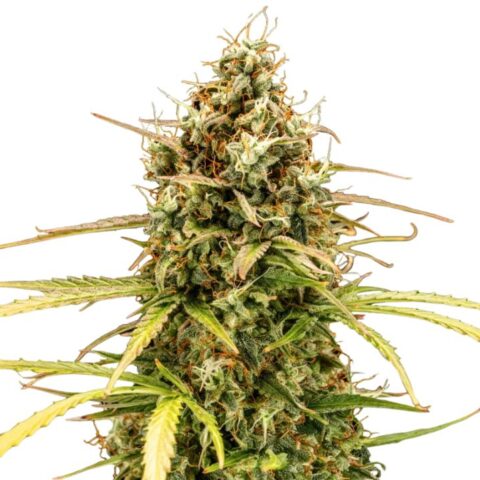
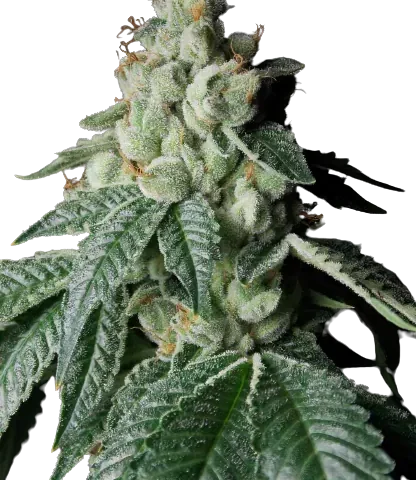
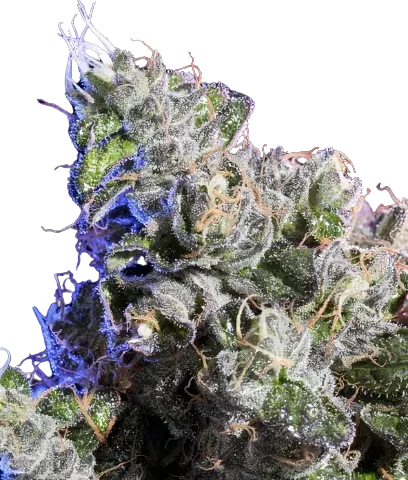
Here are some of the best cannabis seeds:
-
 Night Train Cannabis SeedsFrom: $24.99
 -
 Milky Way Cannabis SeedsFrom: $24.99
 -
 Lee Roy Cannabis SeedsFrom: $24.99
 -
 Huckleberry Cannabis SeedsFrom: $24.99
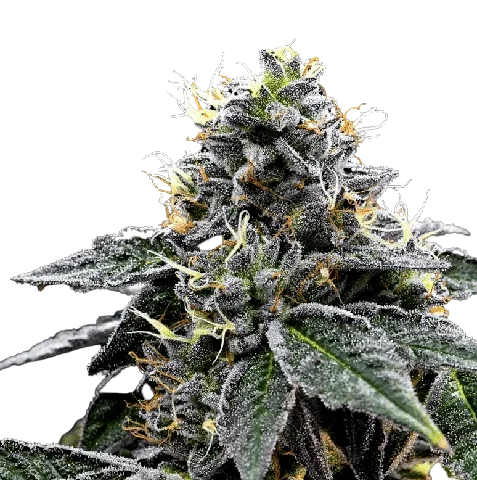
Find the best seeds from each province:
- A Coruña
- Álava
- Albacete
- Alicante
- Almería
- Asturias
- Ávila
- Badajoz
- Balearic Islands
- Barcelona
- Biscay
- Burgos
- Cáceres
- Cádiz
- Cantabria
- Castellón
- Ciudad Real
- Córdoba
- Cuenca
- Girona
- Granada
- Guadalajara
- Gipuzkoa
- Huelva
- Huesca
- Jaén
- León
- Lleida
- Lugo
- Madrid
- Málaga
- Murcia
- Navarre
- Ourense
- Palencia
- Las Palmas
- Pontevedra
- La Rioja
- Salamanca
- Santa Cruz de Tenerife
- Segovia
- Seville
- Soria
- Tarragona
- Teruel
- Toledo
- Valencia
- Valladolid
- Zamora
- Zaragoza
