Table of Contents
Buy Cannabis Seeds in Quebec:
The History and Origin of Cannabis in Quebec
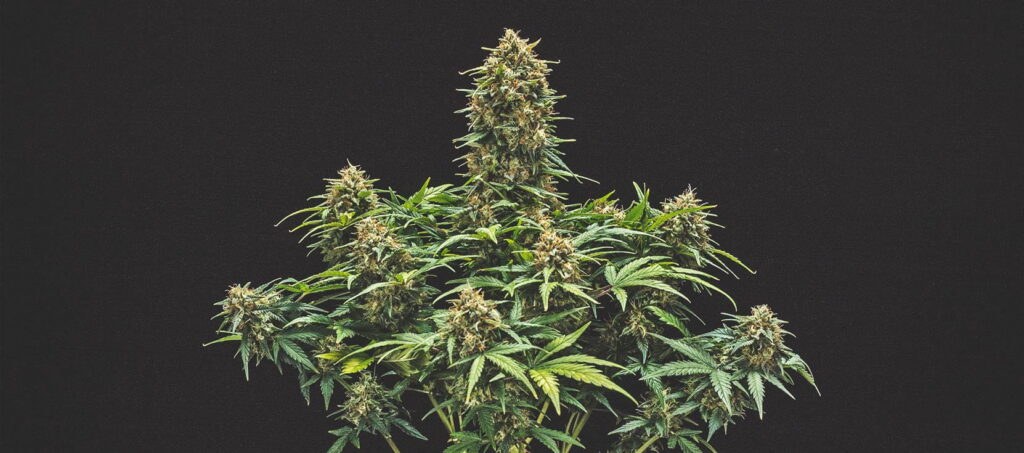
The history and origin of cannabis in Quebec, Canada, is a narrative that intricately weaves through the fabric of the province’s cultural, legal, and social evolution. This comprehensive examination aims to illuminate the journey of cannabis from its initial introduction to the region to its present-day legal status, highlighting the complex interplay between societal attitudes, legislative actions, and economic considerations.
Early Encounters and Cultural Integration
The story of cannabis in Quebec begins before the formal establishment of the province, tracing back to the indigenous populations and early European settlers. Indigenous peoples across North America had long utilized various plants for medicinal, spiritual, and practical purposes, though specific documentation of cannabis use is sparse. European settlers introduced hemp to North America in the 1600s, valuing it for its strong fibers used in making ropes, sails, and clothing. While initially focused on hemp as a crop, there’s little evidence to suggest widespread use of cannabis for its psychoactive properties during these early periods in Quebec.
The Era of the 20th Century: Prohibition and Transformative Cultural Changes
The beginning of the 20th century signified a pivotal moment in the trajectory of cannabis in Quebec, mirroring the nationwide trend with the implementation of prohibitionist legislation. Cannabis was added to the Confidential Restricted List under the Narcotics Drug Act Amendment Bill of 1923, making its possession, production, and distribution illegal. This period did not see significant public discourse on cannabis; it was largely a non-issue for most Quebecers, reflected in minimal law enforcement actions and public debate.
However, the latter half of the 20th century witnessed a gradual shift in societal attitudes toward cannabis. The 1960s and 1970s, in particular, brought about a cultural revolution, with Quebec’s vibrant arts and music scenes becoming hotbeds for countercultural movements that challenged conventional norms, including those surrounding substances use. Cannabis began to symbolize resistance and freedom for many, leading to increased visibility and advocacy for decriminalization.
Towards Legalization: Quebec’s Path
The journey towards cannabis legalization in Quebec, mirroring the broader Canadian landscape, was marked by debates, research, and policy shifts. The Le Dain Commission of 1972, which investigated non-medical cannabis use in Canada, marked a significant, albeit initial, step towards re-evaluating cannabis laws, although its recommendations were not immediately implemented.
The early 2000s saw renewed efforts towards cannabis reform in Canada, with Quebec playing a critical role in the dialogue. Medical cannabis became regulated across Canada in 2001, setting the stage for further legislative changes. After years of discussion and evolving public opinion, the federal Cannabis Act was passed in June 2018, legalizing recreational cannabis use nationwide on October 17, 2018.
Quebec’s Unique Approach to Cannabis
Quebec’s approach to the implementation of the Cannabis Act has been characterized by caution and a focus on public health. The province has set stricter regulations compared to some other regions, including higher legal age limits for purchase and consumption and restrictions on public use. The Société Québécoise du cannabis (SQDC) was established to oversee the sale and distribution of cannabis, emphasizing education and safety in its operations.
Economic and Social Impact
The legalization of cannabis has had significant economic and social impacts on Quebec. Economically, the cannabis industry has contributed to job creation, business opportunities, and tax revenue. Socially, legalization has sparked discussions on public health, safety, and the implications of cannabis use in society. Moreover, it has prompted a reevaluation of past convictions for cannabis-related offenses, aligning with broader shifts towards social justice.
Conclusion
The history and origin of cannabis in Quebec reflect the province’s unique cultural, legal, and social journey. From early hemp cultivation to contemporary debates on legalization and regulation, cannabis has played a multifaceted role in Quebec’s development. As the province navigates the challenges and opportunities of a post-legalization era, it continues to balance the integration of cannabis within its social fabric with a commitment to public health, safety, and economic prosperity.
Advantages of Cannabis Cultivation in Quebec
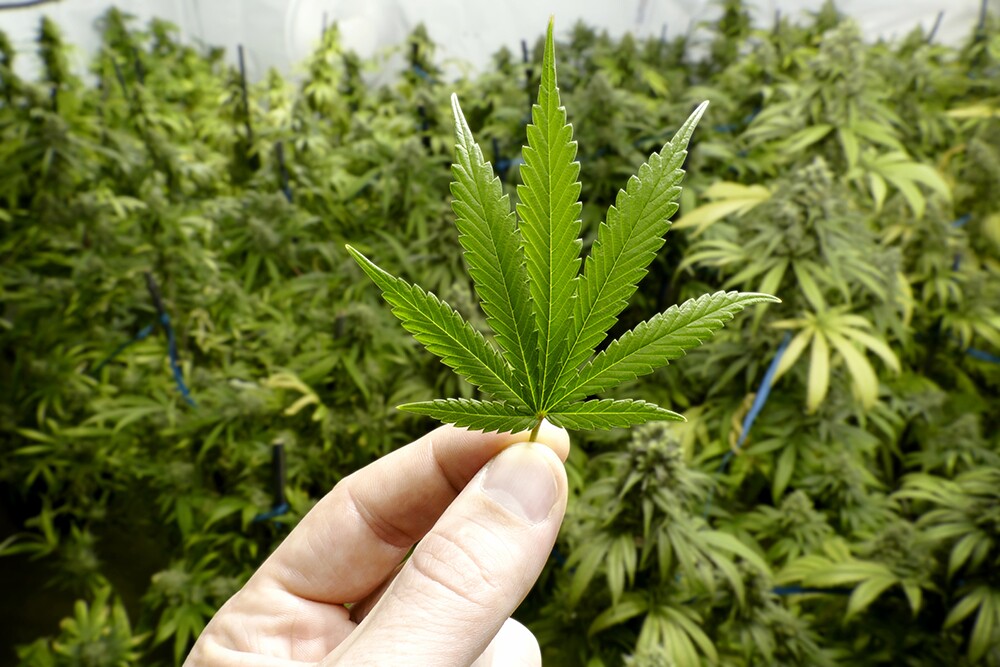
Cannabis cultivation in Quebec presents several advantages, rooted in the province’s rich agricultural heritage and progressive regulatory environment. Quebec’s diverse climate and fertile lands offer suitable conditions for cultivating a wide range of cannabis strains, catering to both the medical and recreational markets. The province’s commitment to research and development in agriculture extends to cannabis, fostering innovation and sustainable cultivation practices. Additionally, Quebec’s stringent regulatory framework ensures product quality and safety, positioning the local cannabis industry for competitive advantage both domestically and internationally. The combination of natural resources, a supportive regulatory environment, and a focus on quality and innovation makes Quebec an attractive location for cannabis cultivation, contributing to economic growth and job creation within the province.
The Advantages of Outdoor Cannabis Cultivation in Quebec
- Natural Growth Conditions: Quebec’s climatic diversity, from its cold winters to warm summers, offers a conducive environment for outdoor cannabis cultivation, particularly during the warmer months. This natural setting allows cannabis plants to thrive under the sun, leading to enhanced cannabinoid and terpene profiles due to the stressors and benefits of outdoor growth. The rich, varied soil across the province further supports the cultivation of a wide range of strains, each benefiting from the unique terroir, much like the province’s famed agricultural products.
- Cost-Effectiveness: The reliance on natural sunlight and environmental conditions in outdoor cultivation significantly reduces the overhead costs associated with artificial climate control systems necessary for indoor growing operations. This reduction in energy consumption and equipment not only lowers production costs but also makes outdoor cultivation a more economically viable option for producers, potentially leading to lower prices for consumers and higher profit margins for growers.
- Environmental Sustainability: Outdoor cannabis cultivation in Quebec harnesses the power of natural resources, reducing the need for artificial lighting, heating, and air conditioning. This approach aligns with sustainable agricultural practices, minimizing the ecological footprint of cannabis production. By utilizing rainwater and reducing energy consumption, outdoor cultivation contributes to the conservation of natural resources, offering an environmentally friendly alternative to more resource-intensive indoor cultivation methods.
- Scalability: The vast and varied agricultural landscape of Quebec presents significant opportunities for scaling up outdoor cannabis production. The ability to cultivate cannabis on a large scale enables producers to efficiently meet the increasing demand for cannabis products, both within the province and beyond. This scalability is crucial for the growth and competitiveness of Quebec’s cannabis industry, allowing it to respond dynamically to market needs and trends.
- Organic Cultivation Potential: The outdoor environment facilitates the adoption of organic cultivation practices, which are increasingly demanded by health-conscious consumers. Growing cannabis outdoors in Quebec allows producers to minimize or eliminate the use of synthetic pesticides and fertilizers, leveraging natural pest control and soil management techniques instead. Products derived from organically grown cannabis can command premium prices in the market, reflecting consumers’ willingness to pay more for environmentally sustainable and health-friendly options.
- Biodiversity Enhancement: Integrating cannabis cultivation into Quebec’s outdoor agricultural spaces can have positive effects on local biodiversity. Outdoor cannabis plants can become part of the ecosystem, contributing to soil health and providing habitats for beneficial insects and wildlife. This integration can enhance the ecological balance, promoting a healthier environment and contributing to the sustainability of agricultural practices in the province.
- Market Diversification: The ability to grow different cannabis strains outdoors enables producers in Quebec to diversify their product offerings. This variety accommodates a wide range of consumer preferences and healthcare requirements, bolstering the competitiveness of Quebec’s cannabis market. Outdoor cultivation allows for the exploration of unique strain characteristics influenced by the natural environment, offering consumers a wide range of choices and fostering innovation in product development.
- Community and Economic Development: The development of the outdoor cannabis sector in Quebec has the potential to drive economic growth and support community development, particularly in rural areas. By creating jobs in cultivation, processing, and sales, and by generating tax revenue, outdoor cannabis cultivation can contribute to the vitality of local economies. Additionally, the sector supports ancillary businesses, such as agricultural supply companies, logistics, and retail, further embedding the cannabis industry within the broader economic fabric of the province.
The Advantages of Indoor Cannabis Cultivation in Quebec
- Year-Round Production: Indoor cultivation allows producers in Quebec to grow cannabis throughout the year, unaffected by the province’s harsh winters and variable climate. This continuous production cycle ensures a stable supply of cannabis to meet market demand, providing consistency in both quality and availability.
- Precise Environmental Control: Indoor cultivation environments enable growers to meticulously control temperature, humidity, light intensity, and CO2 levels. This precise control over growing conditions can significantly enhance plant health, cannabinoid profiles, and yield, allowing for the cultivation of premium cannabis strains with specific characteristics.
- Reduced Pest and Disease Risk: By growing cannabis indoors, producers can effectively isolate their crops from external pests and diseases. This controlled environment minimizes the need for chemical pesticides and herbicides, leading to cleaner, safer cannabis products for consumers.
- Space Efficiency and Vertical Farming: Indoor cultivation techniques, such as vertical farming, optimize the use of space, allowing for higher plant density and yield per square foot. This is particularly advantageous in Quebec, where agricultural land may be limited or where producers wish to operate within urban areas.
- Enhanced Security Measures: Indoor cannabis facilities in Quebec can implement comprehensive security measures, including surveillance cameras, controlled access, and alarm systems. These security protocols help protect valuable crops from theft and vandalism while ensuring compliance with regulatory requirements.
- Genetic Preservation and Innovation: Indoor cultivation provides an ideal environment for genetic experimentation and preservation. Growers can develop new strains, preserve genetic diversity, and ensure the consistency of clone-based propagation in a way that is not always feasible outdoors due to environmental variability.
- Market Responsiveness: Indoor cannabis cultivation enables producers to quickly respond to market trends and consumer preferences. The ability to adjust production plans and experiment with new strains or cultivation techniques allows for agility in meeting consumer demands and capitalizing on emerging market opportunities.
- Sustainability Through Technology: While indoor cultivation is energy-intensive, advances in technology, such as LED lighting, energy-efficient climate control systems, and water recirculation methods, are reducing its environmental impact. Producers in Quebec are increasingly adopting these technologies, contributing to more sustainable cultivation practices.
- Local Economic Development: Indoor cannabis cultivation contributes to local economies in Quebec by creating jobs in cultivation, processing, and retail sectors. It also stimulates growth in related industries such as construction, technology, and professional services, further supporting economic diversification.
- Quality and Consistency: The controlled conditions of indoor cultivation result in consistent product quality, with predictable cannabinoid and terpene profiles. This reliability is essential for medical cannabis patients who depend on particular strains for therapeutic benefits, as well as for recreational users in search of a consistent product experience.
Diverse Cannabis Usage Patterns Across Age Groups in Quebec

Cannabis usage in Quebec varies across age groups. Younger people, especially those aged 18-24, use it more for recreational purposes, often influenced by social factors and liberal attitudes. They prefer smoking and vaping. On the other hand, older individuals, particularly those aged 50 and above, are increasingly interested in cannabis for medicinal benefits like pain management and sleep disturbances. They prefer non-smoking options like oils and edibles. The legalization of cannabis in Canada in 2018 has further complicated these trends, with a growing industry catering to the preferences of different age groups.
Youth (18-24 years):
This age group exhibits the highest prevalence of cannabis use, largely influenced by peer interactions, social gatherings, and a curiosity to experiment with psychoactive substances. The consumption among this demographic is characterized by a preference for traditional methods such as smoking joints or using vaporizers. Recreational use dominates, with many young individuals engaging in cannabis consumption to enhance social experiences, explore altered states of consciousness, or simply as a form of leisure activity. There’s also a noticeable trend of cannabis being used as a self-medicated remedy for stress, anxiety, and sleep disturbances among this cohort, although recreational purposes remain primary.
Young Adults (25-34 years):
As individuals transition into young adulthood, there’s a slight moderation in cannabis use, reflecting a shift towards more responsible consumption habits. This age group continues to use cannabis recreationally but with a growing awareness of health and wellness benefits. Many within this cohort explore cannabis for stress relief, to enhance creativity, or as a supplement to wellness routines, indicating a broader understanding and acceptance of cannabis’s potential benefits beyond mere recreation. The consumption methods diversify to include edibles, oils, and topical applications, reflecting a nuanced approach to cannabis use that balances enjoyment with health considerations.
Middle-aged Adults (35-49 years):
Among middle-aged adults, there’s a noticeable pivot from recreational to medicinal use of cannabis. This demographic increasingly turns to cannabis for its therapeutic benefits, seeking relief from chronic pain, anxiety, stress, and sleep disorders that may arise from the pressures of professional and personal responsibilities. The preference shifts towards non-smokable forms of cannabis, such as oils, capsules, and edibles, driven by health-conscious choices and the discretion these forms offer. This age group often engages in more informed consumption, seeking out specific strains and products tailored to their health needs, indicative of a mature approach to cannabis use within the legal framework.
Older Adults (50 years and older):
The fastest-growing demographic of cannabis users in Quebec, older adults, are predominantly turning to cannabis for medicinal purposes. This cohort explores cannabis as an alternative or supplement to traditional medicine, targeting age-related conditions like arthritis, chronic pain, insomnia, and the general aches and pains associated with aging. There’s a strong preference for non-inhalable cannabis forms, such as tinctures, edibles, and topical creams, which are perceived as safer and more health-friendly. The interest among older adults reflects a significant shift in societal attitudes towards cannabis, with legalization playing a key role in demystifying its use and making it more accessible for therapeutic purposes.
Where to find Cannabis Seeds in Quebec
When we state our dedication at Royal King Seeds to providing only the highest quality, rigorously tested, and 100% feminized cannabis seeds, we wholeheartedly stand behind our words. Moreover, we back up our claims by providing exceptional customer service and standing firmly behind the excellence of our top-selling cannabis seeds.
Order high-quality feminized cannabis seeds from Royal King Seeds online today. We offer a wide selection of premium seeds sourced globally at affordable prices. Whether you’re looking for CBD-rich strains or auto-flowering varieties, we have the perfect seeds for your garden. Enjoy the convenience of online ordering with secure payment and discreet delivery right to your door. Take action now and order your cannabis seeds from us.
Here are some suggestions for you:
-
 Yoda OG Cannabis SeedsFrom: $24.99
 -
Alien Gorilla Glue Cannabis SeedsFrom: $24.99
-
 The Truth Cannabis SeedsFrom: $24.99
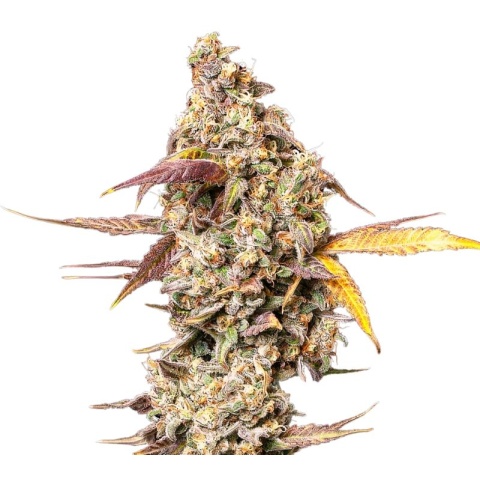
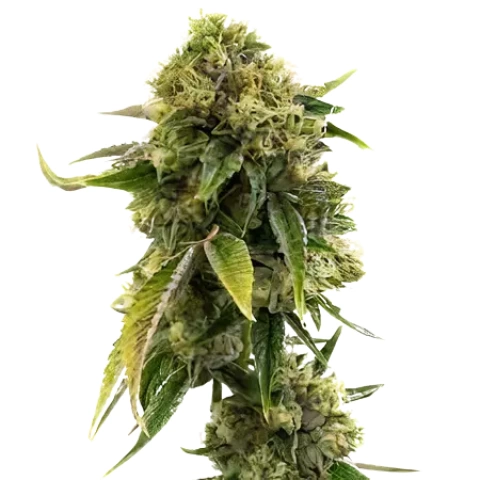
Find the best seeds from each city:
- Montreal
- Quebec City
- Laval
- Gatineau
- Longueuil
- Sherbrooke
- Saguenay
- Levis
- Trois-Rivières
- Saint-Jean-sur-Richelieu
- Drummondville
- Granby
- Saint-Jérôme
- Châteauguay
- Saint-Hyacinthe
Looking for a broader overview? Visit our complete guide to buying Marijuana seeds in Canada for provincial laws, growing considerations, and trusted seed options nationwide.
