Table of Contents
Buy Cannabis Seeds in Ontario:
The History and Origin of Cannabis in Ontario
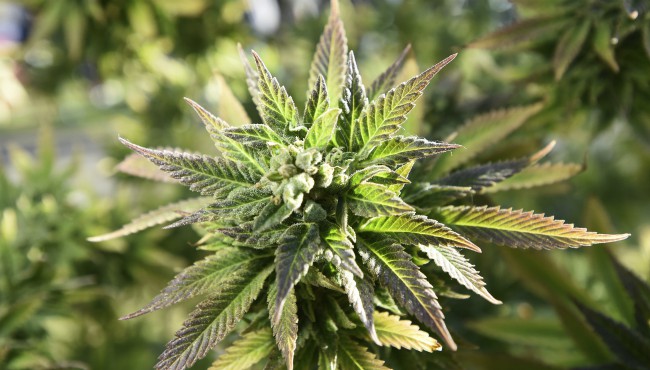
The history and origin of cannabis in Ontario, Canada, is a rich and multifaceted narrative that reflects broader trends in Canadian society and the evolving attitudes towards cannabis use, regulation, and its economic impact. This extensive exploration seeks to illuminate the journey of cannabis from its early days to its current legal status, offering insights into the complex interplay between cultural shifts, legislative changes, and the socioeconomic dimensions of cannabis within Ontario.
Early History and Cultural Context
Cannabis’s presence in Canada predates confederation, with hemp cultivation encouraged by the British crown in the 1600s for its utility in creating ropes, sails, and other goods essential for the colonial economy. However, the use of cannabis for its psychoactive properties did not gain prominence until much later. Ontario, with its rich agricultural history, was among the regions where hemp was cultivated, laying an early albeit indirect foundation for the cannabis culture that would emerge.
The 20th Century: Prohibition and Shifts in Perception
The onset of the early 20th century saw the initiation of cannabis prohibition in Canada, as the plant was included in the Confidential Restricted List in 1923 through the enactment of the Narcotics Drug Act Amendment Bill. This era saw cannabis use largely marginalized, associated with criminality and moral panic rather than its medicinal or recreational benefits. For decades, cannabis remained under the radar in Ontario, with usage primarily confined to certain subcultures and artistic communities.
The latter half of the 20th century, however, witnessed a significant shift in public opinion and policy approach towards cannabis. The counterculture movements of the 1960s and 1970s, particularly prominent in urban hubs such as Toronto and Ottawa in Ontario, questioned established societal conventions and campaigned for the decriminalization of cannabis. This period also saw the emergence of advocacy groups pushing for recognition of cannabis’s medicinal benefits.
Towards Legalization: The Path to Cannabis Act
As the new century unfolded, there was a growing momentum towards legalization, and Ontario, Canada’s most populous province and an economic hub, played a crucial part in driving this shift. The landmark case of R. v. Parker in 2000, which involved an Ontario resident, was instrumental in shaping Canada’s medical cannabis policy. The court decision acknowledged the constitutional entitlement to obtain cannabis for medical use, resulting in the implementation of the Marihuana Medical Access Regulations (MMAR) in 2001.
The momentum for change continued to build, with public opinion increasingly in favor of legalization. Ontario’s cities hosted numerous rallies and public demonstrations advocating for cannabis reform. This groundswell of support, combined with evolving legal and policy discussions, culminated in the federal government’s decision to legalize cannabis for recreational use with the Cannabis Act, which came into effect on October 17, 2018.
Implementation in Ontario
Ontario’s approach to implementing the Cannabis Act was characterized by an evolving strategy that sought to balance public health and safety with economic opportunities. Initially, the province opted for a government-run retail model operated through the Ontario Cannabis Store (OCS), the sole online retailer, and planned for a network of brick-and-mortar stores. However, this model was later revised to allow for private retail stores, subject to strict regulation and licensing, reflecting a shift towards a more open market approach.
Economic and Social Impact
The legalization of cannabis has had a profound economic and social impact on Ontario. The province has seen the emergence of a vibrant legal cannabis industry, encompassing cultivation, retail, and ancillary services, contributing significantly to job creation and economic growth. Furthermore, legalization has prompted discussions on social justice, particularly concerning the expungement of criminal records for cannabis-related offenses and addressing the disproportionate impact of prohibition on marginalized communities.
Conclusion
The history and origin of cannabis in Ontario is a testament to the province’s journey from prohibition to legalization, mirroring wider societal changes and shifts in public policy. This narrative not only reflects Ontario’s role in the national discourse on cannabis but also highlights the ongoing challenges and opportunities that come with integrating cannabis into the fabric of Canadian society. As Ontario and the rest of Canada navigate the post-legalization landscape, the focus remains on refining regulatory frameworks, promoting responsible use, and harnessing the economic potential of the cannabis industry, all while ensuring the well-being and rights of its citizens are protected.
Advantages of Cannabis Cultivation in Ontario

Ontario’s strategic position and favorable agricultural environment make it a prime location for cannabis cultivation. The province’s diverse climate and fertile land support the growth of high-quality cannabis strains, serving both the medical and recreational markets. Ontario’s well-developed infrastructure enables efficient distribution to major urban centers and a large consumer base. With progressive regulations and supportive research institutions, Ontario encourages innovation and investment in the cannabis industry. This sector also contributes to job creation and economic diversification, aligning with the province’s goals of sustainable development and agricultural innovation.
The Advantages of Outdoor Cannabis Cultivation in Ontario
- Climate Diversity: Ontario’s extensive range of climates, spanning from the warmer southern regions to the cooler northern areas, fosters a diverse ecosystem suitable for cultivating an extensive variety of cannabis strains outdoors. This diversity caters to the specific growth requirements of various strains, thereby facilitating a broad spectrum of product offerings to meet diverse consumer preferences.
- Cost Efficiency: Embracing outdoor cultivation practices significantly diminishes the reliance on artificial lighting, heating, and cooling systems, consequently reducing operational expenses when compared to indoor cultivation methods. This enhanced cost efficiency renders outdoor cultivation a more financially viable option for numerous producers, thereby promoting sustainability in the industry.
- Sustainability: Harnessing the natural elements of sunlight and rainwater for cannabis cultivation underscores Ontario’s commitment to environmental conservation. By minimizing reliance on artificial resources, outdoor cultivation mitigates carbon emissions and energy consumption, aligning with Ontario’s broader sustainability objectives.
- Scalability: Ontario’s expansive agricultural land presents ample opportunities for large-scale cultivation endeavors. This scalability enables producers to ramp up production capacities, effectively meeting the escalating demand within Ontario and potentially expanding their reach to broader markets.
- Natural Product Quality: Cannabis cultivated outdoors benefits from exposure to natural elements, which can impart more complex cannabinoid and terpene profiles to the plants. This exposure to natural stressors may result in higher quality and more diverse product offerings, appealing to discerning consumers seeking premium cannabis products.
- Economic Development: The cultivation of cannabis outdoors has the potential to invigorate local economies, particularly in rural regions of Ontario. Through the creation of employment opportunities, investment influx, and the emergence of ancillary businesses, outdoor cultivation contributes to the overall economic prosperity of Ontario’s communities.
- Research and Innovation: Ontario’s outdoor cultivation environment serves as a fertile ground for pioneering research into sustainable farming practices, strain adaptation, and environmental impact mitigation within the cannabis sector. This research and innovation drive fosters advancements in cultivation techniques and environmental stewardship, enhancing the industry’s sustainability and resilience.
- Community Engagement: Integrating outdoor cannabis cultivation into local agricultural practices fosters community engagement and education initiatives. By promoting transparency and demystifying cannabis, outdoor cultivation endeavors facilitate the integration of cannabis into Ontario’s agricultural landscape, fostering greater acceptance and understanding within local communities.
The Advantages of Indoor Cannabis Cultivation in Ontario
- Year-Round Production: Indoor cultivation in Ontario offers a distinct advantage with its ability to maintain controlled environmental conditions throughout the year, irrespective of the seasonal weather changes prevalent in the region. This capability ensures a continuous supply of cannabis products to meet market demand consistently, reinforcing reliability and market competitiveness.
- Quality Control: The meticulously controlled conditions of indoor cultivation facilities provide an ideal setting for ensuring the production of high-quality cannabis. By meticulously controlling variables like temperature, humidity, and light, cannabis producers can ensure that their products maintain consistent cannabinoid profiles and purity levels. This meticulous regulation instills confidence in consumers regarding the integrity and quality of the products.
- Pest and Disease Management: The encapsulated nature of indoor cultivation significantly mitigates the risk of pest infestations and diseases, thereby minimizing the need for chemical pesticides. By reducing reliance on such substances, indoor cultivation promotes the production of cleaner, safer cannabis products, aligning with consumer preferences for natural and environmentally friendly cultivation practices.
- Space Efficiency: Innovative indoor cultivation techniques, such as vertical farming, maximize the efficient utilization of available space. This optimization allows for higher yields per square foot compared to traditional agricultural methods, making indoor cultivation particularly advantageous in urban areas where land is limited and costly, thus maximizing productivity within constrained spatial parameters.
- Genetic Diversity: Indoor cultivation environments provide cultivators with the flexibility to grow a diverse array of cannabis strains, including those with specific requirements that may not be conducive to Ontario’s outdoor climate. This diversity caters to the multifaceted preferences of consumers, ensuring a broad spectrum of products to meet varying tastes and needs.
- Energy Innovation: While indoor cultivation is renowned for its energy-intensive nature, it presents opportunities for implementing innovative renewable energy solutions and cutting-edge technologies. By embracing sustainable energy practices, indoor cultivation facilities can effectively reduce their carbon footprint and operational costs, thereby enhancing environmental stewardship and economic viability in the long run.
- Market Responsiveness: The adaptable nature of indoor cultivation enables producers to swiftly adjust growing conditions in response to evolving market trends and consumer preferences. This agility allows for the cultivation of specific strains that gain popularity, ensuring producers remain nimble and responsive to market dynamics, thereby maintaining competitiveness and relevance in the industry.
- Security and Compliance: Indoor cultivation facilities prioritize robust security measures to safeguard crops from theft and ensure compliance with stringent regulatory requirements. By maintaining stringent security protocols, indoor cultivators uphold product integrity and regulatory compliance, bolstering consumer trust and business credibility.
- Job Creation: The establishment and operation of indoor cultivation facilities in Ontario contribute significantly to job creation across various sectors. From cultivation and research roles to administrative and managerial positions, indoor cultivation facilities offer employment opportunities that span urban and rural areas, thereby fostering economic growth and prosperity within the province.
- Research and Development: The controlled environment of indoor cultivation serves as an ideal platform for conducting pioneering research and development initiatives. From growth optimization and strain development to sustainable cultivation practices, indoor cultivation facilities drive innovation within the cannabis industry, positioning Ontario as a hub for cutting-edge research and technological advancements in cannabis cultivation.
Diverse Cannabis Usage Patterns Across Age Groups in Ontario

Cannabis usage in Ontario varies across age groups. Young adults experiment with different consumption methods for recreational purposes, while middle-aged adults use cannabis for both recreational and medicinal reasons. Seniors are increasingly interested in cannabis for health benefits, preferring CBD-dominant products. Overall, cannabis plays a multifaceted role in Ontario’s society, from leisure to health.
Young Adults (18-29 years):
- Predominantly engage in recreational use, often seeking cannabis for leisure and social activities, reflecting a youthful exploration of its effects and experiences.
- Show a preference for discreet consumption methods such as vaping and edibles, embracing modern consumption trends that prioritize convenience and subtlety.
- Exhibit a propensity for experimentation with various cannabis strains, driven by a desire to explore the diverse psychoactive effects and flavors offered by different varieties, indicative of a curiosity-driven approach to consumption.
Adults (30-49 years):
- Embrace a balanced approach to cannabis use, blending recreational enjoyment with medicinal benefits to address various health concerns and lifestyle needs.
- Seek cannabis as a holistic solution for stress relief, chronic pain management, and improvement of sleep quality, reflecting the pressures and challenges commonly associated with middle-aged life stages.
- Display a preference for balanced THC/CBD products, recognizing the synergistic effects of both cannabinoids in promoting overall well-being and enjoyment, underscoring a nuanced understanding of cannabis’s therapeutic potential.
Seniors (50+ years):
- Demonstrate a growing interest in cannabis for medicinal purposes, driven by a desire to alleviate age-related ailments such as pain, arthritis, and inflammation, highlighting a shift towards alternative health management strategies in older age groups.
- Focus predominantly on CBD-dominant products, prioritizing the therapeutic benefits of cannabidiol while minimizing the psychoactive effects of THC, reflecting a preference for symptom relief without the intoxicating side effects.
- Show less interest in the psychoactive effects of cannabis, valuing health improvement and symptom alleviation over recreational use, indicative of a pragmatic and health-conscious approach to cannabis consumption in later life stages.
Across All Age Groups:
- Witness a noticeable shift towards informed and responsible cannabis use, characterized by a growing awareness of its potential benefits and risks, reflecting evolving societal attitudes towards cannabis legalization and normalization.
- Experience a growing acceptance and exploration of cannabis’s therapeutic potential, with consumers increasingly open to incorporating cannabis into their wellness routines and health management strategies.
- Consumption methods and product choices reflect diverse needs and lifestyles, with consumers selecting cannabis products that align with their individual preferences, health goals, and consumption preferences, underscoring the versatility and adaptability of the cannabis market to cater to a wide range of consumer needs and preferences.
Where to find Cannabis Seeds in Ontario
When Royal King Seeds declares that we exclusively offer the utmost quality, meticulously tested, and entirely feminized cannabis seeds, it’s not just a statement—it’s a commitment we take seriously. We back up our words with actions by providing unparalleled customer service and standing firmly behind the excellence of our bestselling cannabis seeds.
You can conveniently order Royal King Seeds online and have them promptly delivered to your doorstep, ensuring a hassle-free experience from start to finish. Our inventory of feminized cannabis seeds is unparalleled, boasting a diverse selection of strains meticulously curated for quality and potency. Moreover, we prioritize affordability, offering our premium seeds at prices that are accessible to all cannabis enthusiasts.
As the premier online source for acquiring cannabis seeds from Holland and beyond, we take pride in offering a comprehensive range of premium seeds sourced from top breeders worldwide. If you’re in search of CBD-rich varieties or hassle-free auto-flowering strains, rest assured that Royal King Seeds offers only the highest-quality cannabis seeds currently on the market.
There is no more opportune moment than the present to begin your journey into cannabis cultivation. Explore our online store to discover the perfect seeds for your garden, and rest assured that your transaction is secure and confidential thanks to our state-of-the-art server encryption technology. With our efficient delivery service, your order can be at your doorstep in as little as a week, allowing you to start growing your dream garden without delay. Don’t hesitate—seize this opportunity to experience the Royal King Seeds difference today.
Here are some suggestions for you:
-
 Guido Kush Cannabis SeedsFrom: $24.99
 -
 Black Russian Cannabis SeedsFrom: $24.99
 -
Jamaican Dream Cannabis SeedsFrom: $24.99
-
Abusive OG Cannabis SeedsFrom: $24.99

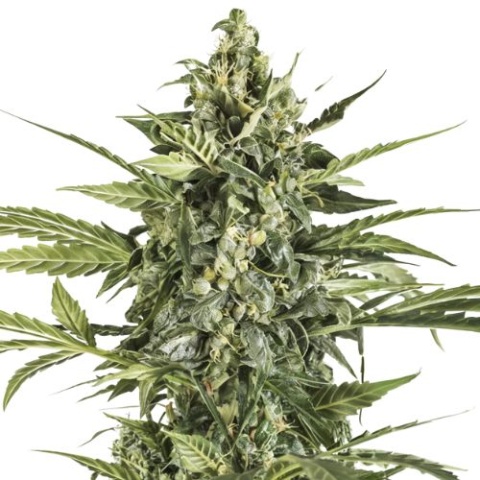
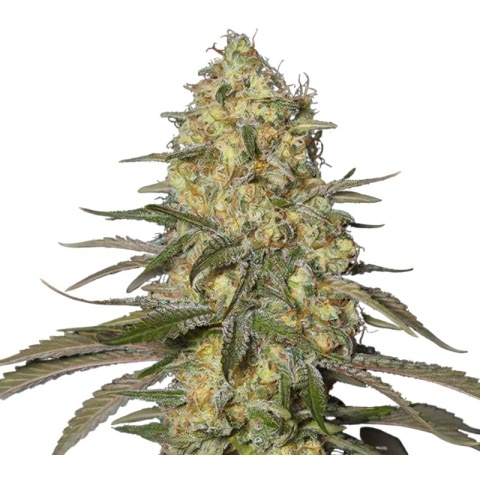
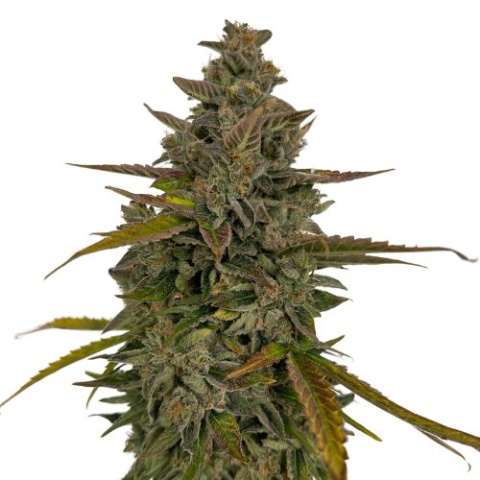
Find the best seeds from each city:
- Toronto
- Ottawa
- Mississauga
- Brampton
- Hamilton
- London
- Markham
- Vaughan
- Kitchener
- Windsor
- Burlington
- Oshawa
- Richmond Hill
- Oakville
- Barrie
- Greater Sudbury
- Guelph
- Cambridge
- Kingston
- Thunder Bay
Looking for a broader overview? Visit our complete guide to buying Marijuana seeds in Canada for provincial laws, growing considerations, and trusted seed options nationwide.
