
How to Build a Sustainable Soil System for Medical Cannabis Cultivation (for Medical Use)
Growing medical cannabis is both an art and a science. While cannabis has been used medicinally for thousands of years, modern cultivation has advanced significantly due to deeper knowledge about soil systems, plant health, and environmental sustainability. Sustainability is a key focus for many growers, especially as the environmental impact of large-scale cannabis cultivation becomes more apparent. By building a sustainable soil system, medical cannabis growers can ensure the long-term health of their plants while reducing environmental degradation. This guide focuses on the specifics of building a sustainable soil system tailored to growing cannabis for medical purposes, excluding recreational use and consumption methods.
Section 1: Understanding the Importance of Soil in Cannabis Cultivation
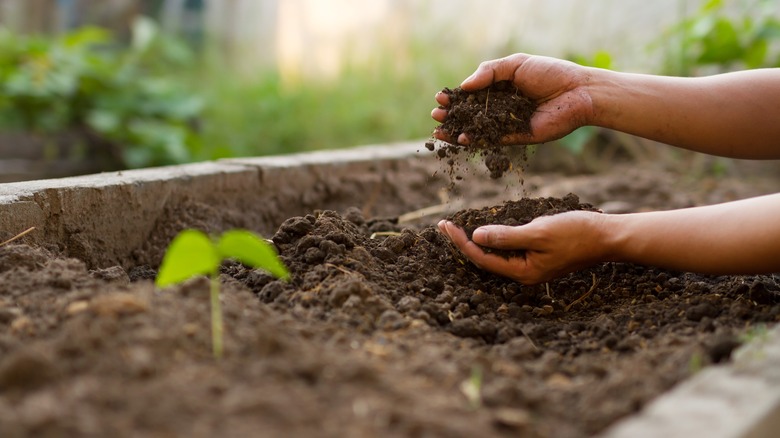
Before diving into the specifics of sustainable soil systems, it’s essential to understand the role of soil in growing medical cannabis. Soil acts as the foundation for plant health, influencing nutrient uptake, water retention, root development, and overall plant growth. In medical cannabis cultivation, the health and potency of the plants are of utmost importance since patients rely on the plants’ therapeutic properties. The cannabinoid profile (including THC, CBD, and other compounds) and terpene content directly depend on the overall health of the plants, which in turn depends on the soil quality.
In a sustainable context, the goal is not just to grow healthy cannabis plants but to do so in a way that minimizes harm to the environment, promotes biodiversity, and encourages long-term soil health. A healthy soil system can be self-sustaining, requiring minimal external inputs like synthetic fertilizers or pesticides, and can regenerate itself through natural processes.
Section 2: Core Principles of Sustainable Soil Systems for Medical Cannabis
A sustainable soil system for medical cannabis should be based on the following core principles:
- Organic Matter and Soil Structure: Organic matter is the key to healthy soil. Examples of organic matter that can greatly enhance soil structure include manure, compost, and decomposed plant debris. Aeration, water retention, and the gradual release of nutrients to plants are all improved by organic matter. The presence of organic matter also encourages beneficial microorganisms, which are crucial for breaking down organic compounds into forms that cannabis plants can readily absorb.
- Living Soil: Living soil refers to soil that is teeming with beneficial microorganisms, such as bacteria, fungi, protozoa, nematodes, and earthworms. These organisms play an essential role in nutrient cycling, breaking down organic materials into simpler compounds that plants can absorb. A living soil system reduces the need for synthetic fertilizers, as it naturally supports the nutrient requirements of cannabis plants throughout their growth cycle.
- Biodiversity and Soil Health: A diverse range of plants and microorganisms in the soil ecosystem ensures better resilience against pests and diseases. Crop rotation, intercropping, and the introduction of companion plants can all help enhance soil biodiversity. Legumes and clover, for instance, have the ability to fix nitrogen in the soil, which is a necessary ingredient for the growth of cannabis. A diverse soil ecosystem also supports the natural breakdown of plant residues, improving soil fertility over time.
- Water Conservation and Irrigation Management: Sustainable soil systems should promote efficient water use. Overwatering can lead to nutrient leaching, root rot, and other issues, while underwatering can stress plants and reduce their therapeutic potency. Sustainable water management practices include mulching, drip irrigation, and rainwater harvesting to reduce water waste and ensure that the plants receive consistent moisture without excessive runoff.
- Nutrient Cycling: In a sustainable soil system, nutrients are continuously cycled through organic materials and the activity of microorganisms. Instead of relying on synthetic fertilizers, which can damage soil health and lead to environmental pollution, organic amendments such as compost, worm castings, and natural fertilizers like kelp meal, fish emulsion, and rock dust provide necessary nutrients in a slow-release form. These organic amendments improve soil structure and nutrient availability over time, ensuring that cannabis plants receive a balanced supply of essential nutrients like nitrogen, phosphorus, and potassium (N-P-K).
- Avoiding Synthetic Chemicals: Synthetic fertilizers, herbicides, and pesticides can damage the soil microbiome and lead to nutrient imbalances in the soil. Medical cannabis grown with synthetic inputs may also accumulate harmful residues, which could affect patients. A sustainable soil system relies on organic, natural inputs, which not only promote plant health but also ensure that the final medical product is free from harmful contaminants.
- Closed-Loop Systems: A closed-loop system focuses on recycling waste within the cultivation process. Cannabis plant waste, for instance, can be composted and added back to the soil as organic matter. A closed-loop system aims to reduce waste production and outside inputs in order to establish a more sustainable and self-sufficient growing environment.
Section 3: Building a Sustainable Soil System
Building a sustainable soil system for medical cannabis requires careful planning and attention to detail. The procedures listed below describe how to set up and keep up such a system.
1. Soil Preparation and Testing
The first step in building a sustainable soil system is testing your soil. The pH, nutritional levels, organic matter content, and any pollutants of the soil can all be determined with a thorough soil test. Most cannabis strains thrive in slightly acidic to neutral soils with a pH of 6.0-7.0. However, pH has a significant impact on nutrient availability, thus changes could be required to guarantee ideal growth.
- Adjusting pH: Lime can raise the pH of your soil if a soil test shows that it is excessively acidic. If the soil is too alkaline, sulfur or composted organic matter can help lower the pH. Maintaining the correct pH ensures that cannabis plants can access the nutrients they need for medical-grade potency.
- Amending Nutrients: Based on the soil test results, amend your soil with organic fertilizers to correct any nutrient deficiencies. Key nutrients for cannabis include nitrogen, phosphorus, potassium, calcium, magnesium, and sulfur. These can be provided through organic inputs such as bone meal, kelp meal, and fish emulsion.
2. Incorporating Organic Matter
Organic matter is the foundation of a sustainable soil system. Incorporate compost, manure, and other organic materials into your soil before planting. Aim for 3-5% organic matter content in your soil, as this will improve water retention, nutrient availability, and overall soil health. The growth of plants and the cycling of nutrients depend on the activities of helpful microbes, which are also supported by organic matter.
3. Creating a Living Soil System
To create a thriving living soil system, you must encourage the presence of beneficial microbes. You can inoculate your soil with compost teas, mycorrhizal fungi, and other microbial inoculants to kickstart the soil food web. Once established, these microorganisms will help decompose organic matter, fix nitrogen, and protect cannabis plants from diseases.
- Compost Tea: Brewed from compost and water, compost tea contains a rich array of beneficial bacteria and fungi. When applied to the soil or sprayed on plant foliage, compost tea enhances microbial activity, improves nutrient availability, and protects plants from harmful pathogens.
- Mycorrhizal Fungi: Mycorrhizae form symbiotic relationships with plant roots, helping them absorb nutrients like phosphorus more efficiently. Introducing mycorrhizal fungi into your soil can improve cannabis plant health and enhance yields without the need for synthetic fertilizers.
4. Cover Crops and Mulching
Cover crops, such as clover, alfalfa, and legumes, play an important role in sustainable soil systems. By fixing nitrogen in the soil, they reduce weed growth, prevent soil erosion, and increase soil fertility. Planting cover crops in between cannabis growing cycles can assist enhance soil structure and replenish soil nutrients.
Mulching is another critical practice for water conservation and soil health. A thick layer of organic mulch, such as straw, wood chips, or leaves, helps retain soil moisture, reduce water evaporation, and prevent weed growth. As the mulch breaks down, it adds more organic matter to the soil, further enhancing fertility.
5. Implementing Water Conservation Techniques
Efficient water use is a cornerstone of sustainable cannabis cultivation. Overwatering can lead to nutrient leaching, water waste, and reduced plant health, while underwatering can stress the plants and reduce yields.
- Drip Irrigation: By delivering water straight to the plant’s root zone, drip irrigation systems minimize water waste and guarantee that plants get steady moisture without soaking the soil.
- Rainwater Harvesting: Collecting and storing rainwater can reduce your reliance on municipal water supplies, making your cannabis cultivation more sustainable. Use the stored rainwater to irrigate your plants, especially in areas where water is scarce.
- Mulching: As mentioned earlier, mulching helps conserve water by reducing evaporation from the soil surface. It also keeps the soil cool, which benefits root development and overall plant health.
6. Natural Pest and Disease Management
Pest and disease management are critical concerns for medical cannabis cultivation, as synthetic pesticides and fungicides can leave harmful residues on the plants. Sustainable soil systems use integrated pest management (IPM) techniques to naturally control pests and diseases rather than employing chemicals.
- Beneficial Insects: Introducing predatory insects like ladybugs, lacewings, and parasitic wasps can help control common cannabis pests like aphids, spider mites, and whiteflies. Because these insects consume pests, fewer chemical insecticides are required.
- Companion Planting: When planted with cannabis, several plants, like as garlic, basil, and marigolds, might deter pests. Companion planting can help reduce pest pressure and improve overall plant health.
- Organic Fungicides and Insecticides: If necessary, use organic pesticides and fungicides like neem oil, insecticidal soap, and potassium bicarbonate to control pests and diseases. These goods decompose rapidly and leave no toxic residues on plants, making them less damaging to the environment.
7. Closed-Loop Nutrient Management
A closed-loop system aims to recycle all organic matter and nutrients generated during the growing process. Instead of discarding cannabis plant residues, compost them and return the organic matter to the soil. This reduces waste and helps build long-term soil fertility.
- Composting: Composting cannabis plant residues, such as leaves, stems, and root balls, allows you to recycle nutrients back into the soil. A well-maintained compost pile will break down plant materials into nutrient-rich compost that can be used to amend your soil before the next growing season.
- Worm Castings: Vermicomposting, or using worms to compost organic matter, produces worm castings that are highly beneficial for soil health. The critical nutrients and helpful microorganisms included in worm castings enhance soil structure, water retention, and plant growth.
Section 4: Maintaining a Sustainable Soil System for Long-Term Health
Building a sustainable soil system is not a one-time process—it requires ongoing care and maintenance. Over time, the organic matter in the soil will break down, and nutrient levels may fluctuate. To maintain a healthy, sustainable soil system for medical cannabis, follow these long-term maintenance strategies:
1. Regular Soil Testing
To keep an eye on the pH, organic matter content, and nutrient levels, test the soil frequently (at least once a year). Make changes to your soil amendments and techniques in light of the test results to guarantee that your cannabis plants continue to flourish.
2. Adding Organic Matter
As organic matter breaks down over time, it’s important to replenish it regularly. Each growing season, add compost, mulch, or other organic materials to maintain soil fertility and structure. Regularly applying organic matter will also keep the soil teeming with beneficial microorganisms.
3. Rotating Crops
If you grow cannabis in the same soil year after year, it can deplete certain nutrients and lead to an imbalance in the soil ecosystem. Crop rotation—planting different crops in the off-season—can help prevent nutrient depletion and reduce the risk of soil-borne diseases. Legumes, in particular, are beneficial for rotating with cannabis, as they fix nitrogen in the soil.
4. Managing Pests Naturally
Continue to monitor your plants for signs of pests and diseases, and use natural pest management strategies to control outbreaks. Keep beneficial insects in your growing area, and plant companion plants to help repel pests. Use organic insecticides and fungicides only as a last resort, and apply them sparingly.
5. Water Conservation
Water conservation should remain a priority even after establishing a sustainable soil system. Continue using efficient irrigation methods, such as drip irrigation, and collect rainwater when possible. To make sure plants get enough water without being overwatered, keep an eye on the moisture content of the soil.
Section 5: The Benefits of Sustainable Soil Systems for Medical Cannabis
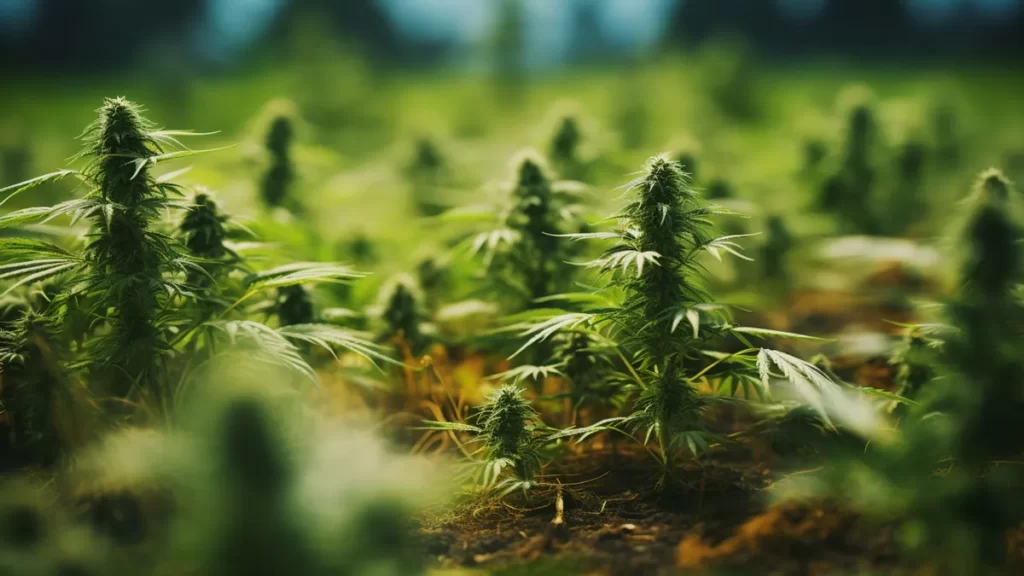
The benefits of a sustainable soil system for medical cannabis are multifaceted, impacting both the grower and the patient. Growers may lessen their environmental effect while still producing high-quality, powerful cannabis that satisfies patient needs by putting sustainable procedures into place.
1. Higher Quality Cannabis
Cannabis grown in living, organic soils is often higher in quality than plants grown with synthetic inputs. A healthy soil ecosystem supports optimal nutrient uptake, resulting in plants with a well-developed cannabinoid profile and terpene content. This is particularly important in medical cannabis cultivation, where patients depend on specific cannabinoids and terpenes for therapeutic effects.
2. Environmental Stewardship
Sustainable soil systems minimize the environmental impact of cannabis cultivation by reducing the need for synthetic inputs, conserving water, and promoting biodiversity. Growers who adopt sustainable practices are contributing to the long-term health of the planet while ensuring that their soil remains fertile and productive for future generations.
3. Cost Savings
While building a sustainable soil system may require an initial investment of time and resources, it can lead to significant cost savings in the long term. Organic inputs like compost and cover crops are often less expensive than synthetic fertilizers, and efficient water use reduces water bills. Additionally, a sustainable system reduces the need for pesticides and other chemicals, lowering overall cultivation costs.
4. Healthier Cannabis for Patients
Medical cannabis users must be assured that the products they use are devoid of dangerous ingredients and impurities. Growing cannabis in a sustainable soil system ensures that the final product is clean, safe, and effective. Sustainable cultivation practices also result in more potent and flavorful cannabis, which can enhance the therapeutic experience for patients.
Restrictions on Growing and Using Cannabis in the Medical Field (Only as a Last Resort)

1. Medical Use Only and Controlled Prescriptions: Cannabis cultivation and use for medical purposes are heavily regulated. Only authorized medical practitioners may prescribe it for certain illnesses for which no other treatment has worked. This makes cannabis a last-resort medication after traditional therapies have proven ineffective.
2. Growing Regulations: Medical cannabis cultivation is tightly controlled to ensure quality, safety, and compliance with laws. Growers must be licensed, and the growing environment is often monitored for adherence to standards, including limits on plant counts and crop size.
3. THC Level Monitoring to Prevent Psychoactive Effects: To ensure patient safety and avoid unwanted psychoactive effects, medical cannabis products are required to have strict THC limits. For certain conditions, high-CBD, low-THC strains are often preferred. Routine testing of cannabis plants and final products helps ensure that THC levels are within the prescribed limits, minimizing psychoactivity.
4. Restricted Access and Patient Monitoring: Only patients with qualifying medical conditions can access cannabis through regulated dispensaries or pharmacies. Medical use is closely monitored, and patient outcomes are evaluated to ensure the drug is used effectively and safely.
Conclusion
Building a sustainable soil system for medical cannabis cultivation ensures both environmental stewardship and the production of high-quality, therapeutic cannabis for patients. By focusing on organic matter, living soil, nutrient cycling, water conservation, and natural pest management, growers can create a thriving, self-sustaining ecosystem that supports plant health and potency. This approach benefits both the environment and patients who rely on clean, contaminant-free cannabis for medical use.
The limitations on cannabis cultivation and usage in the medical area serve as another evidence of how crucial safety and responsible use are. Cannabis is only prescribed as a last resort when traditional therapies have proven ineffective, ensuring its use remains limited to specific medical cases. Regulations on cultivation, strict THC monitoring, and controlled access are in place to prevent misuse and minimize psychoactive effects on patients, prioritizing therapeutic benefits.
Together, sustainable cultivation practices and strict regulations ensure that medical cannabis is both environmentally responsible and safe for patients, delivering the therapeutic benefits needed while upholding the highest standards of health and safety.
