Table of Contents
Buddha’s Sister is an indica-dominant hybrid strain that has gained popularity for its unique flavor profile, balanced effects, and therapeutic benefits. It is known for providing a sense of calm and relaxation while allowing users to remain mentally functional. This strain is particularly valued for its medical applications, offering relief from various physical and psychological ailments. The combination of its genetic lineage, terpene profile, and cannabinoid composition makes Buddha’s Sister a versatile strain that may be used for both medicinal and recreational purposes.
Genetics and Lineage
Buddha’s Sister was developed by Soma Seeds, a well-respected cannabis breeder known for producing high-quality strains. This strain is a cross between Afghani, Hawaiian, and Reclining Buddha, which contributes to its relaxing and slightly euphoric effects.
- Afghani: A pure indica landrace strain known for its potent sedative effects and high resin production. This parent contributes to Buddha’s Sister’s strong indica characteristics, making it effective for pain relief and relaxation.
- Hawaiian: A tropical sativa variety that lends uplifting and cerebral effects, helping to balance out the heavy sedation from Afghani.
- Reclining Buddha: A hybrid with calming properties that enhance the strain’s relaxing effects without completely sedating the user.
Buddha’s Sister is typically 80% indica and 20% sativa, giving it a dominant indica profile with subtle sativa influences.
Cannabinoid Profile
Buddha’s Sister has a well-balanced cannabinoid profile that contributes to its range of effects.
| Cannabinoid | Percentage (%) |
|---|---|
| THC | 15-22% |
| CBD | 1-2% |
| CBG | 0.5-1% |
| CBN | 0.2-0.5% |
| THCV | <0.2% |
- THC (Tetrahydrocannabinol): The primary psychoactive compound responsible for the euphoric and relaxing effects of Buddha’s Sister.
- CBD (Cannabidiol): Present in small amounts, helping to mitigate THC’s intensity and provide additional therapeutic advantages include anxiolytic and anti-inflammatory qualities.
- CBG (Cannabigerol): Known for its neuroprotective and anti-inflammatory properties, CBG enhances the medical efficacy of Buddha’s Sister
- CBN (Cannabinol): A minor cannabinoid that contributes to sedative effects, making Buddha’s Sister beneficial for insomnia patients.
Terpene Profile and Aroma
The terpene profile of Buddha’s Sister is unique, giving it a distinct cherry-like, sweet, and earthy aroma with spicy undertones.
| Terpene | Effects | Flavor & Aroma |
| Myrcene | Sedative, anti-inflammatory | Earthy, musky, herbal |
| Limonene | Mood-enhancer, anti-anxiety | Citrus, sweet, tangy |
| Caryophyllene | Pain relief, anti-inflammatory | Spicy, peppery, woody |
| Linalool | Anti-anxiety, sedative | Floral, lavender-like |
| Humulene | Appetite suppressant, anti-inflammatory | Woody, earthy |
The interplay of these terpenes results in a sweet cherry and berry aroma with earthy and spicy undertones, making it appealing for users who enjoy flavorful cannabis strains.
Medical Benefits
Buddha’s Sister has numerous medical applications, thanks to its balanced effects. It provides both physical relaxation and mental clarity, making it suitable for various conditions.
1. Pain Management
- Helps with chronic pain, muscle spasms, migraines, and arthritis.
- The combination of THC and Caryophyllene reduces pain and inflammation.
- Suitable for patients dealing with post-surgery discomfort and nerve-related pain.
2. Anxiety and Stress Relief
- Provides a calm and euphoric high that helps with anxiety, PTSD, and depression.
- Limonene and Linalool enhance mood and combat stress-related symptoms.
- Effective for those who need relaxation without excessive sedation.
3. Insomnia Treatment
- Indica-dominant effects help with falling asleep faster and improving sleep quality.
- CBN and Myrcene contribute to the sedative properties of Buddha’s Sister.
4. Appetite Stimulation
- Suitable for patients suffering from loss of appetite due to chemotherapy, eating disorders, or chronic illness.
- THC and Humulene regulate appetite effectively.
5. Neuroprotective Properties
- CBG and CBD contribute to neuroprotection, making Buddha’s Sister potentially beneficial for patients with Parkinson’s disease, Alzheimer’s, and multiple sclerosis.
Recreational Uses and Effects
Buddha’s Sister is an excellent choice for recreational users who want a mix of relaxation and mild euphoria without overwhelming sedation.

1. Relaxation and Stress Reduction
- Helps unwind after a long day, making it perfect for evening use.
- Promotes muscle relaxation without inducing couch-lock.
2. Mood Enhancement
- Provides a mildly euphoric and uplifting effect, making social interactions more enjoyable.
- Users report feeling happy and at ease without intense psychoactive effects.
3. Creativity and Focus
- Some users experience enhanced creativity in low doses.
- The slight sativa influence prevents total mental fog, allowing moderate focus.
4. Taste and Aroma Experience
- Ideal for cannabis enthusiasts who enjoy flavorful strains with fruity and spicy notes.
- Pairs well with desserts, herbal teas, and relaxing activities.
Potential Side Effects
Although Buddha’s Sister is well-tolerated by most users, some potential side effects include:
- Dry Mouth & Dry Eyes – Common with many cannabis strains, relieved with proper hydration.
- Mild Dizziness – More likely to occur with higher doses.
- Paranoia or Anxiety – Rare but possible in THC-sensitive individuals.
- Drowsiness – Can be beneficial for those seeking sleep aid but may be inconvenient for daytime use.
Cultivation Information
Buddha’s Sister is relatively easy to cultivate and produces moderate-to-high yields.
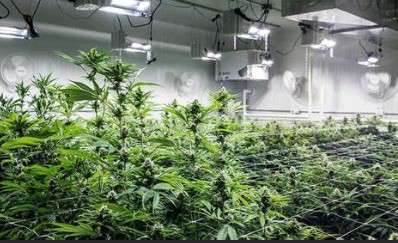
Buddha’s Sister is a resilient indica-dominant hybrid with specific cultivation requirements that ensure optimal growth, yield, and cannabinoid production. Below is a scientific approach to cultivating Buddha’s Sister for both indoor and outdoor setups, incorporating advanced horticultural techniques.
Environmental Conditions
A. Temperature and Humidity Control
- Optimal Temperature:
- Vegetative Stage: 70-85°F (21-29°C)
- Flowering Stage: 65-80°F (18-27°C)
- Humidity Levels:
- Seedling Stage: 65-70% RH
- Vegetative Stage: 50-60% RH
- Flowering Stage: 40-50% RH
- Late Flowering Stage: 30-40% RH (to prevent mold and bud rot)
Maintaining these environmental parameters is crucial to maximize terpene retention and prevent fungal infections.
Light Requirements and Photoperiod Management
A. Indoor Cultivation
- Buddha’s Sister thrives under high-intensity light sources such as LEDs or HPS (High-Pressure Sodium) lamps.
- Light Cycle:
- Vegetative Stage: 18/6 (18 hours of light, 6 hours of darkness)
- Flowering Stage: 12/12 (12 hours of light, 12 hours of darkness)
- Optimal PPFD (Photosynthetic Photon Flux Density):
- Vegetative: 500-700 μmol/m²/s
- Flowering: 700-1000 μmol/m²/s
Using full-spectrum LED lighting enhances terpene profiles and cannabinoid synthesis while reducing energy consumption.
B. Outdoor Cultivation
- Buddha’s Sister thrives in a Mediterranean-like climate with long sunny days.
- Optimal Planting Time:
- Northern Hemisphere: Late April to Early June
- Southern Hemisphere: October to December
- Sunlight Exposure: At least 8-10 hours of direct sunlight per day for maximum photosynthetic efficiency.
3. Soil and Growing Medium
A. Soil Cultivation
- Ideal Soil Composition:
- pH Level: 6.0 – 6.5
- Well-draining loamy soil
- High organic matter content
- Enriched with mycorrhizal fungi to improve nutrient uptake
B. Hydroponic Cultivation
- Recommended Systems:
- Deep Water Culture (DWC) for rapid growth
- Coco Coir + Perlite Mix for improved root aeration
- Drip Irrigation System for controlled nutrient delivery
Hydroponic setups allow faster vegetative growth and higher trichome density by providing direct nutrient absorption.
Nutrient and Fertilization Schedule
A. Macronutrients (NPK Ratio)
| Growth Stage | Nitrogen (N) | Phosphorus (P) | Potassium (K) |
|---|---|---|---|
| Seedling | Low | Medium | Medium |
| Vegetative | High | Medium | High |
| Flowering | Low | High | High |
B. Micronutrients and Enhancers
- Calcium (Ca) and Magnesium (Mg): Prevent deficiencies that cause leaf yellowing.
- Silica: Strengthens plant cell walls for pest resistance.
- Amino Acids: Enhance root development and stress tolerance.
- Molasses or Carbohydrate Supplements: Increase terpene production.
Nutrients should be adjusted weekly based on the plant’s growth phase.
Pruning and Training Techniques
A. Low-Stress Training (LST)
- Bending stems and tying down branches promotes lateral growth, increasing bud sites.
- Ideal for maximizing canopy exposure to light in indoor setups.
B. High-Stress Training (HST)
- Topping (removing apical buds) encourages bushy growth and more colas per plant.
- Supercropping (bending branches) strengthens stems for higher yield potential.
C. Defoliation
- Removing excess fan leaves enhances airflow and light penetration, reducing mold risks in humid conditions.
Flowering and Harvesting Optimization
A. Flowering Time
- Buddha’s Sister flowers in 9-10 weeks under optimal conditions.
- Monitoring trichome color helps determine peak harvest time:
- Clear trichomes – Not ready
- Milky trichomes – Maximum THC potency
- Amber trichomes – Increased CBN levels for sedative effects
B. Harvesting Method
- Flush plants with pure water for 10-14 days before harvest to remove nutrient buildup.
- Drying Process: Hang buds in a dark, 60-70°F (15-21°C) environment with 50% humidity for 7-10 days.
- Curing Process: Store buds in airtight glass jars at 60-65% RH, burping them daily for 2-4 weeks to enhance flavor and smoothness.
Pest and Disease Management
A. Common Pests
- Spider mites, fungus gnats, aphids, and thrips are common issues.
- Preventative Measures:
- Use Neem oil, insecticidal soap, or predatory insects (ladybugs, beneficial nematodes).
- Maintain proper airflow with oscillating fans.
B. Disease Prevention
- High humidity can cause bud rot and powdery mildew.
- Preventive strategies:
- Maintain proper ventilation in indoor setups.
- Keep humidity below 50% in flowering.
- Use hydrogen peroxide spray for early fungal infections.
Yield Maximization and Cannabinoid Enhancement
A. Yield Improvement Techniques
- Sea of Green (SOG) Method:
- Shortens vegetative period while increasing yield per square meter.
- Screen of Green (ScrOG) Method:
- Uses horizontal trellis nets to maximize light exposure and bud development.
B. Cannabinoid and Terpene Enhancement
Supplementing with sulfur-rich fertilizers (e.g., Epson salt) increases terpene complexity.
UVB light exposure during late flowering enhances THC levels.
Cold shock technique (lowering temperatures to 55-60°F (12-15°C) for 48 hours before harvest) boosts anthocyanin production, enhancing color and flavor.
Buddha’s Sister, with its indica-dominant hybrid profile, can be consumed through various ingestion methods, each affecting the onset time, duration of effects, and bioavailability. The choice of ingestion method significantly influences the user’s therapeutic and recreational experience.
Ingestion Techniques and Their Scientific Underpinnings
A. Inhalation Methods (Smoking and Vaping)
Smoking (Combustion-Based Inhalation)
- Mechanism
- Burning cannabis at high temperatures (~600-900°F or 315-482°C) produces aerosolized cannabinoids that are inhaled into the alveoli of the lungs.
- THC and terpenes are absorbed rapidly into the bloodstream, reaching the brain within seconds to minutes.
- Onset: 1-5 minutes
- Peak Effects: 10-30 minutes
- Duration: 1.5-3 hours
- Bioavailability: 15-30 percent (high loss due to combustion)
- Advantages
- Fast-acting effects, making it suitable for acute pain relief and anxiety
- Higher CBG and THC bioavailability than edibles
- Disadvantages
- Thermal degradation of cannabinoids and terpenes at high temperatures
- Irritation of the respiratory tract
Vaporization (Low-Temperature Inhalation)
- Mechanism
- Heats cannabis to a lower temperature (350-450°F or 177-232°C), allowing cannabinoids and terpenes to be released without combustion.
- Reduces harmful byproducts such as carbon monoxide and tar.
- Onset: 1-5 minutes
- Peak Effects: 10-30 minutes
- Duration: 1.5-3 hours
- Bioavailability: 40-60 percent (higher than smoking)
- Advantages
- More efficient than smoking (higher THC and terpene retention)
- Less lung irritation compared to combustion
- Suitable for flavor preservation
- Disadvantages
- Requires a vaporizer device
- Shorter duration than oral ingestion
B. Oral Methods (Edibles, Tinctures, Capsules)
Edibles (Digestive Absorption)
- Mechanism
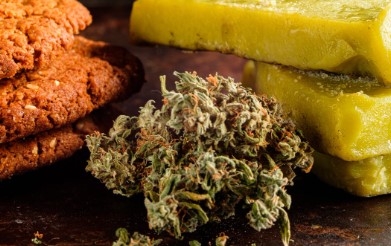
- The liver converts THC into 11-hydroxy-THC, a stronger and more persistent psychotropic metabolite.
- Absorption occurs in the gastrointestinal tract, making the onset slower but the duration extended.
- Onset: 30-90 minutes (depends on metabolism and stomach contents)
- Peak Effects: 2-4 hours
- Duration: 4-8 hours (can last up to 12 hours in high doses)
- Bioavailability: 4-12 percent (low due to first-pass metabolism)
- Advantages
- Longest-lasting effects, making it ideal for chronic pain and insomnia
- Discreet and smoke-free ingestion method
- Less oxidative damage than smoking
- Disadvantages
- Delayed onset, making it harder to dose accurately
- Gastrointestinal irritation possible in sensitive users
Sublingual (Tinctures, Oils, Sprays)
- Mechanism
- Cannabinoids are absorbed directly into the bloodstream via capillaries under the tongue, bypassing the digestive system.
- Provides rapid onset but shorter duration than edibles.
- Onset: 15-45 minutes
- Peak Effects: 30-90 minutes
- Duration: 3-6 hours
- Bioavailability: 15-35 percent
- Advantages
- Faster than edibles, longer than smoking
- No lung irritation
- Allows for precise dosing
- Disadvantages
- Bitter taste for some users
- Shorter duration than edibles
C. Topical and Transdermal Methods
Topical Application (Creams, Balms, Lotions)
- Mechanism
- Cannabinoids interact with CB2 receptors in the skin, providing localized relief without psychoactive effects.
- Absorption remains in the epidermal layers, not reaching the bloodstream.
- Onset: 10-30 minutes
- Peak Effects: 1-2 hours
- Duration: 2-6 hours
- Bioavailability: Variable, does not enter bloodstream
- Advantages
- Ideal for localized pain, inflammation, and skin conditions
- Non-psychoactive, so it does not cause cognitive impairment
- Disadvantages
- No systemic effects
- Requires frequent reapplication
Transdermal Patches (Slow-Release Absorption)
- Mechanism
- Uses permeation enhancers such as ethanol to deliver cannabinoids into the bloodstream, providing systemic effects.
- Onset: 30-60 minutes
- Peak Effects: 2-4 hours
- Duration: 6-12 hours
- Bioavailability: 50-80 percent
- Advantages
- Long-lasting effects, ideal for chronic conditions
- Precise dosing
- No inhalation required
- Disadvantages
- Expensive
- Limited availability compared to other methods
Summary of Ingestion Methods, Onset, and Duration
| Ingestion Method | Onset Time | Peak Effects | Duration | Bioavailability (%) | Best For |
|---|---|---|---|---|---|
| Smoking | 1-5 min | 10-30 min | 1.5-3 hrs | 15-30 | Fast relief (pain, anxiety) |
| Vaporizing | 1-5 min | 10-30 min | 1.5-3 hrs | 40-60 | Efficient and flavorful |
| Edibles | 30-90 min | 2-4 hrs | 4-8 hrs | 4-12 | Long-lasting relief |
| Sublingual | 15-45 min | 30-90 min | 3-6 hrs | 15-35 | Balanced onset and duration |
| Topical | 10-30 min | 1-2 hrs | 2-6 hrs | Variable | Local pain and skin issues |
| Transdermal | 30-60 min | 2-4 hrs | 6-12 hrs | 50-80 | Systemic long-term relief |
Conclusion
Buddha’s Sister is a well-rounded indica-dominant hybrid that offers a relaxing yet mentally functional high. Its therapeutic properties make it a top choice for medical patients dealing with pain, anxiety, and sleep disorders, while recreational users appreciate its sweet, fruity aroma and stress-relieving effects. Whether consumed for medical or leisure purposes, Buddha’s Sister stands out as a versatile and flavorful cannabis strain.
For a complete directory of cultivars, visit our Cannabis Strain Reviews.
