Table of Contents
Blunt vs Joint
Understanding the Basics of Blunts and Joints
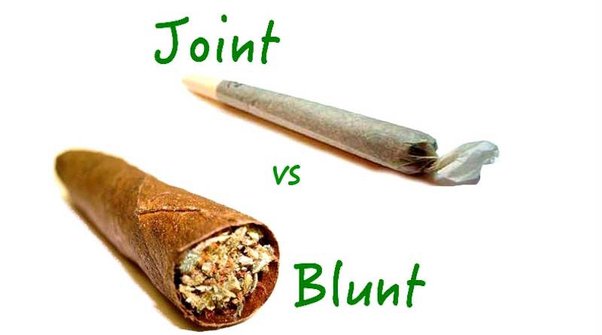
Blunts and joints are two of the most traditional methods for smoking cannabis, each offering a distinctive experience due to their construction, materials, and size. This document delves into the basics of blunts and joints, outlining their unique attributes, their place in cultural history, and practical considerations for cannabis enthusiasts.
1. Definitions and Key Differences
Joints: A joint is essentially a cannabis cigarette, commonly rolled with lightweight papers made from materials like hemp, rice, or wood pulp. Joints are typically smaller and thinner than blunts, making them ideal for quick, individual consumption.
Blunts: Blunts are characterized by their use of thicker and heavier cigar papers, traditionally derived from tobacco plant leaves. This construction allows for a larger amount of cannabis to be used, provides a distinctive flavor, and extends the burn time, making blunts popular for social smoking sessions.
2. Cultural and Historical Significance
Joints have been a cornerstone of cannabis culture for many decades, symbolizing simplicity and discretion. They became particularly prominent through Mexican migrant workers in the early 20th century and were later embraced by 1960s counter-culture movements worldwide.
Conversely, blunts were popularized in urban America during the 1980s and 1990s, particularly within the hip-hop culture. The practice involves gutting cigars and refilling them with cannabis, which was seen as an innovative way to consume cannabis in a socially shared format, enhanced by the flavor and nicotine from the cigar wrap.
3. Techniques for Preparation
Rolling a Joint: Rolling a joint involves placing ground cannabis into a rolling paper, often with a filter or crutch at one end for better structure and to prevent inhalation of plant particles. The paper is then rolled tightly around the cannabis and sealed by moistening the adhesive strip along the edge.
Rolling a Blunt: To roll a blunt, one typically uses an emptied cigar or a cigarillo shell, refilling it with cannabis. The thicker tobacco leaf wrapper of a blunt requires careful moistening to ensure it wraps and sticks properly.
4. Experience and Effects
The experience of smoking joints and blunts can vary significantly. Joints provide a pure cannabis taste and typically have a quicker onset of effects due to the fast-burning nature of the thinner paper. Blunts, wrapped in tobacco leaves, add a nicotine-induced buzz to the cannabis effects, offering a stimulant followed by a relaxant experience that many find appealing.
5. Conclusion
Blunts and joints each provide unique ways to consume cannabis, with differences that reflect cultural, historical, and practical influences. Whether opting for a joint for its convenience and direct cannabis flavor or a blunt for its communal nature and slow burn, understanding these forms enriches the smoking experience and deepens appreciation for their roles in cannabis culture.
The Differences in Composition: What Makes a Blunt and What Makes a Joint?
In the diverse landscape of cannabis use, discerning the key differences between blunts and joints is crucial for enthusiasts at all levels. Each presents a distinctive method of cannabis consumption, defined by their material composition, method of assembly, and the resultant smoking experience. This document aims to clearly define the contrasts in the physical make-up of blunts and joints, emphasizing their individual characteristics and the cultural contexts in which they are employed.
1. Composition of Joints
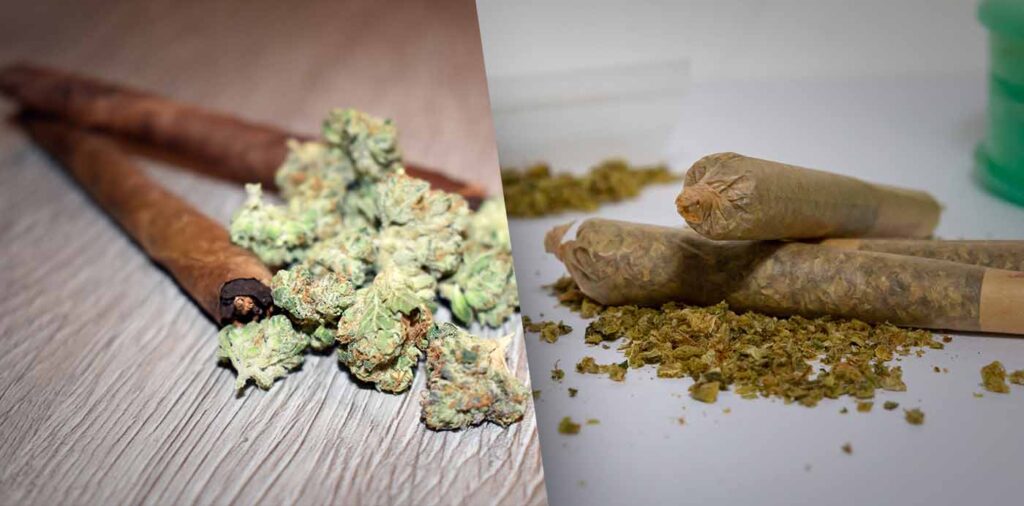
Joints consist of cannabis rolled in lightweight, often semi-transparent papers, made from materials such as hemp, rice, or flax. These choices in rolling papers can affect the taste and how quickly the joint burns:
- Materials Used: Thinner materials like rice or hemp papers provide a smoother smoke and minimal flavor alteration from the paper.
- Size and Shape: Joints vary in size from the petite single-wide to the more substantial king-size, tailored to the quantity of cannabis desired.
- Filter Integration: Typically, a mouthpiece made of cardboard or pre-made tips is incorporated at one end to maintain structure, avoid inhaling any plant debris, and ensure smooth airflow.
2. Composition of Blunts
Blunts are akin to thick cigars, created by filling tobacco leaf wraps or emptied cigars with cannabis. The tobacco component influences both the flavor and the smoking dynamics:
- Materials Used: Tobacco leaf wraps contribute a nicotine boost and cause blunts to burn more slowly than joints.
- Size and Durability: Blunts are heftier and more robust, holding more cannabis, which makes them ideal for longer sessions and social sharing.
- Flavor Dynamics: The tobacco wrap enhances the overall flavor, adding a complexity that melds with the cannabis’s natural taste to provide a unique smoking experience.
3. Cultural and Practical Implications
Choosing between a blunt and a joint often depends on individual taste, social environment, and the effects one wishes to achieve:
- Cultural Relevance: Joints are a staple in cannabis culture, symbolizing simplicity and discretion. Blunts have carved a niche within particular cultural spheres, especially within the American hip-hop scene, representing both a communal lifestyle and a shared enjoyment.
- Usage Considerations: Joints are quicker and easier to prepare, making them convenient for individual use or small groups. Conversely, blunts, with their slower burn and larger size, are preferred for social settings, allowing for communal use and extended sessions.
4. Conclusion
Recognizing the distinct differences between blunts and joints is vital for cannabis users who wish to customize their smoking experience based on personal and social preferences. While joints offer a more authentic taste of cannabis and easier preparation, blunts provide an extended, communal smoking experience enriched by the flavors and effects of tobacco. Each method serves its purpose in the broad spectrum of cannabis consumption, accommodating diverse preferences and occasions.
Taste and Burn Rate: Comparing the Smoking Experience
The quality of the smoking experience is fundamentally influenced by factors like taste and burn rate, which play crucial roles in shaping user satisfaction and the practicalities of smoking sessions. This document delves into how taste and burn rate vary across different cannabis consumption methods, such as joints, blunts, pipes, and vaporizers, and examines their impact on both the sensory experience and the duration of usage.
1. Influence of Taste in Cannabis Consumption
Taste significantly enhances the enjoyment of smoking cannabis and varies depending on the method used:
- Joints and Blunts: The material used to roll cannabis significantly affects its flavor. Blunts, which are rolled using tobacco leaves, impart a distinctive tobacco taste that may either complement or overshadow the cannabis’s natural flavors depending on the strain. Joints, typically rolled with lighter materials like hemp or rice paper, provide a more authentic taste of cannabis due to the minimal flavor contribution from the paper.
- Pipes and Bongs: These methods generally maintain the integrity of the cannabis’s flavor better than rolled methods, as there are no additional materials to alter the taste, allowing the strain’s natural terpenes to be more prominent.
- Vaporizers: Known for their ability to deliver a clean and pronounced flavor, vaporizers heat cannabis to a temperature that releases its aromatic compounds without combustion, thereby preserving the purity of its flavor and offering an enhanced taste experience.
2. The Role of Burn Rate
The rate at which cannabis burns affects both the session’s length and the onset of effects:
- Joints: Often burn faster than blunts, suited for quicker sessions due to the thin paper and smaller amount of cannabis used.
- Blunts: The use of thicker and moister tobacco leaves in blunts results in a slower, steadier burn, ideal for longer sessions or group sharing.
- Pipes and Bongs: Provide a burst of smoke with no sustained burn, as the cannabis combusts only during active inhalation. This method allows users to pace their consumption, burning the cannabis at a rate of their choosing.
- Vaporizers: Eliminate burning entirely by heating cannabis just below combustion temperatures, releasing active substances without the byproducts of burning. This method is efficient, prolonging the usage of a small amount of cannabis and minimizing health risks.
3. Conclusion
Understanding the differences in taste and burn rate among various cannabis consumption methods enables users to customize their smoking experiences to align with personal preferences and situational needs. Whether seeking the nuanced flavors offered by vaporizers, the prolonged enjoyment from blunts, or the convenience of joints, each method provides distinct advantages that cater to diverse user requirements. By selecting the right consumption method, individuals can optimize both the pleasure and effectiveness of their cannabis use.
Health Considerations: The Impact of Tobacco in Blunts
Blunts, which involve wrapping cannabis in tobacco leaf wrappers or emptied cigars, are favored for their distinct flavor and prolonged burn time. However, the inclusion of tobacco introduces significant health risks that need thorough evaluation. This document analyzes the health implications of using tobacco in blunts, providing insights into the potential risks and suggesting alternatives for users.
1. Tobacco Usage in Blunts
Blunts incorporate tobacco leaves, providing not only a unique flavor profile but also introducing nicotine, a highly addictive substance found in tobacco products. This combination of nicotine with cannabis affects the overall experience, making it appealing to some users, yet it brings substantial health risks that must be addressed.
2. Health Dangers Linked to Tobacco
Nicotine Dependency: The addictive nature of nicotine can lead to dependence, particularly in cannabis users who may not typically consume tobacco. This dependency complicates cessation efforts and can result in persistent health issues.
Respiratory Issues: Tobacco smoke is notorious for its harmful impact on lung health. The burning of tobacco leaves emits carcinogens and other toxic substances, heightening the risk of respiratory ailments such as chronic obstructive pulmonary disease (COPD) and lung cancer.
Cardiovascular Concerns: Tobacco use markedly elevates the risk of cardiovascular diseases. The effects of nicotine and other tobacco-derived chemicals can lead to high blood pressure, heart attacks, and strokes due to their impact on heart rate, blood pressure, and arterial condition.
3. Combined Effects of Tobacco and Cannabis
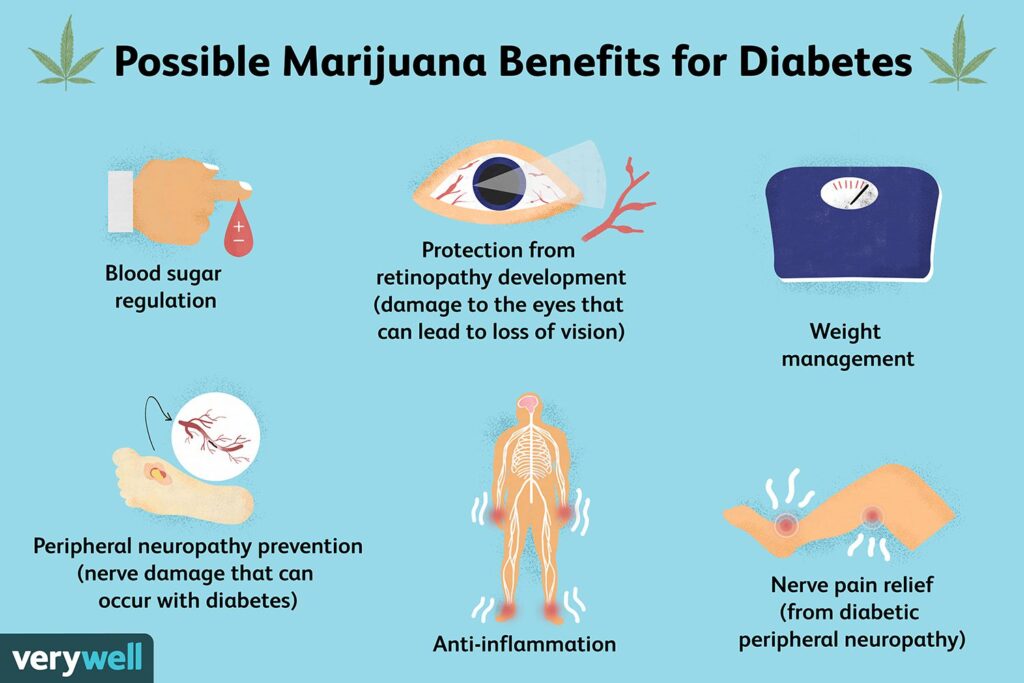
Studies indicate that smoking both cannabis and tobacco may worsen health risks compared to using either substance alone. The co-use can heighten the chances of developing chronic bronchitis, lung infections, and other pulmonary issues. Additionally, the interaction between nicotine and cannabinoids might intensify the addictive qualities of both substances, potentially leading to increased consumption.
4. Tobacco-Free Alternatives for Blunts
In light of the health risks associated with tobacco, users might explore safer alternatives:
- Non-tobacco Blunt Wraps: There are blunt wraps available that are made from non-tobacco materials like hemp, which lack nicotine and other harmful carcinogens found in tobacco.
- Other Methods: Employing rolling papers made from substances like rice or hemp, or opting for vaporizers, can offer healthier consumption methods that do not involve tobacco.
5. Conclusion
Although blunts are a popular choice for cannabis consumption in various social contexts, the health implications of including tobacco are profound. Users should be well-informed about the risks linked to tobacco use, such as addiction, respiratory diseases, and cardiovascular problems. Opting for healthier, non-tobacco alternatives can help mitigate these risks, promoting safer cannabis consumption practices. As awareness increases and further research is conducted, fully understanding the extensive health impacts will be essential for informed cannabis use.
Potency and Effects: How Blunts and Joints Differ
The choice between smoking blunts and joints significantly influences the potency and overall effects experienced by cannabis users. Each method varies based on the materials used for rolling and the combustion characteristics, which affect how cannabinoids are absorbed by the body. This document delves into how blunts and joints differ in terms of their potency and the physiological effects they induce, providing insights for consumers to make informed decisions regarding their preferred method of consumption.
1. Impact of Material Composition
Blunts are rolled with tobacco leaves, which contain nicotine and affect the burn rate, while joints are typically rolled with thinner, hemp-based papers that do not alter the intrinsic effects of the cannabis.
- Blunts: The tobacco content in blunts adds nicotine, a stimulant that can intensify the psychoactive effects of THC, leading to a stronger and often more prolonged high. The slow-burning nature of tobacco leaves allows for extended smoking sessions, possibly increasing the amount of cannabis consumed.
- Joints: Offering a more unadulterated cannabis experience, joints provide a high that closely reflects the true character of the cannabis strain used. This results in a high that allows consumers to fully appreciate the distinct effects of the strain’s cannabinoids and terpenes.
2. Combustion Rate and Inhalation Dynamics
The burn rate of the materials influences how quickly and effectively the smoke is inhaled, impacting the onset and duration of effects.
- Blunts: With a slower burn due to the thicker and moister tobacco leaves, blunts facilitate deeper inhalations and a greater intake of smoke per puff, enhancing the cannabis effects. This slower consumption rate can make the high feel more intense and longer-lasting.
- Joints: The lighter, drier rolling papers used for joints result in a faster burn, which translates to a quicker onset of effects that can be dosed more precisely. This can be advantageous for users who seek a more controlled and manageable experience.
3. Psychological and Physiological Impact
Mixing tobacco with cannabis in blunts creates a synergistic effect, where the stimulating effects of nicotine enhance the psychoactive properties of THC.
- Blunts: The nicotine-cannabis synergy can produce heightened euphoria but might also lead to increased anxiety or restlessness for some users. Additionally, the health risks associated with inhaling combined tobacco and cannabis smoke, such as heightened respiratory and cardiovascular risks, should be considered.
- Joints: Users smoking joints experience the effects of cannabis more directly, with greater clarity on the specific attributes of the strain. This can be especially advantageous for medicinal users who rely on particular therapeutic benefits from specific cannabinoid and terpene profiles.
4. Conclusion
Recognizing the differences in potency and effects between blunts and joints is essential for users, whether for recreational or medicinal purposes. Blunts offer a more robust experience due to the inclusion of tobacco, enhancing the intensity of the high, while joints provide a cleaner cannabis experience with effects that are typically easier to moderate. The selection between blunts and joints should consider personal health, desired intensity of effects, and individual response to nicotine and cannabis.
Cultural Significance: Social Perceptions of Blunts vs. Joints
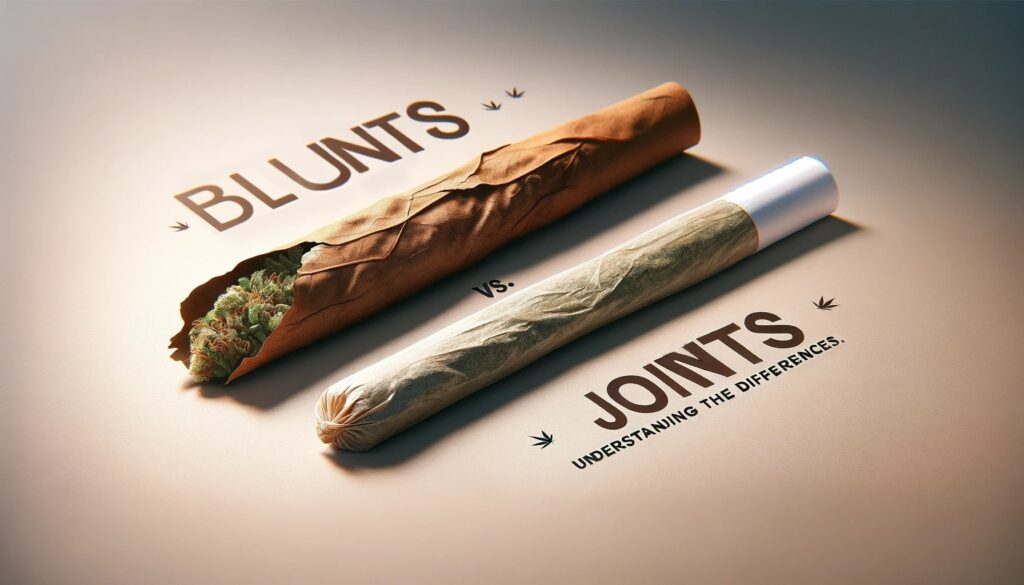
Blunts and joints are two of the most recognized forms of cannabis consumption, each carrying distinct cultural implications and social perceptions. This document delves into the cultural significance of both blunts and joints, analyzing how they are differently perceived across various social contexts and what these perceptions indicate about broader cultural attitudes towards cannabis use.
1. Historical and Cultural Context
Blunts and joints have acquired symbolic meanings within different cultural narratives, shaped by historical consumption patterns and media portrayal.
- Joints: Rising to prominence during the 1960s counterculture era, joints became emblems of rebellion, peace, and community sharing. Closely linked with the hippie movement, they symbolized a break from conventional norms and an embrace of alternative lifestyles. This cultural association persists, influencing the ethos within contemporary cannabis culture.
- Blunts: Blunts have strong ties to the urban music scene, particularly hip-hop in the U.S. during the 1990s. They gained visibility through their frequent appearances in hip-hop music and videos, representing both the hardships and triumphs of urban existence. As a result, blunts are often seen as a symbol of both community identity and personal achievement.
2. Social Usage and Perceptions
The contexts in which blunts and joints are consumed also shape their cultural identities.
- Blunts: Typically used in social settings and shared among friends, blunts are seen as a tool for social bonding. The ritual of preparing a blunt is often a communal activity, appreciated for its ability to enhance social connections and function as a social catalyst.
- Joints: Generally smaller and consumed more quickly than blunts, joints are frequently associated with personal use or small, intimate gatherings. Their ease of preparation and consumption makes them suitable for those who prioritize convenience and discretion in their cannabis use.
3. Broader Implications of Cultural Perceptions
The cultural narratives surrounding blunts and joints not only affect individual preferences but also influence broader societal interactions, including marketing and policy.
- Marketing and Consumer Behavior: How blunts and joints are culturally portrayed influences marketing strategies and consumer choices. Brands may align with the cultural attributes associated with either blunts or joints to target particular demographics.
- Policy and Public Sentiment: Cultural perceptions can also impact the policy-making process concerning cannabis. Insights into these perceptions enable policymakers to better understand public attitudes and develop regulations that accurately reflect current societal views.
4. Conclusion
Blunts and joints each hold profound cultural significance within their respective communities, embodying a range of symbols and social meanings derived from both historical and modern practices. These forms of cannabis consumption are deeply integrated into larger cultural narratives that shape how they are perceived and used. Recognizing the cultural aspects of cannabis use is crucial for comprehending the diverse ways in which it is valued and integrated into daily life. As the landscape around cannabis continues to shift legally and socially, the cultural relevance of blunts and joints is likely to evolve correspondingly.
Material Choices: From Cigar Wraps to Rolling Papers
The choice of materials used for rolling cannabis significantly shapes the smoking experience, influencing aspects such as flavor, burn rate, and health implications. This document delves into the variety of materials available for crafting blunts and joints, including cigar wraps and rolling papers, and examines their impact on the efficacy and enjoyment of cannabis use, helping consumers make well-informed choices that align with their preferences and health concerns.
1. Material Varieties
The material selected for rolling cannabis can dramatically customize the smoking experience, with each type offering distinct advantages and drawbacks.
- Cigar Wraps: Typically crafted from tobacco leaves, cigar wraps are commonly used for blunts. These wraps lend a distinctive tobacco flavor that can enhance the overall taste profile, blending with the cannabis to create a richer experience. However, they also introduce the health risks associated with tobacco, including carcinogens and nicotine, which can lead to addiction.
- Rolling Papers: Made from diverse materials such as hemp, rice, and flax, rolling papers are preferred for rolling joints. These papers are designed to minimally affect the taste, allowing for a cleaner expression of the cannabis’s natural flavors, and generally provide a quicker burn than cigar wraps.
2. Distinctive Features and Considerations
Each rolling material offers unique features that may appeal to different user preferences.
- Flavor Influence: While cigar wraps enhance the smoking experience with a deep tobacco flavor that complements the cannabis, rolling papers tend to be flavor-neutral, preserving the original taste of the cannabis.
- Health Impact: Tobacco-based cigar wraps pose additional health risks, including exposure to nicotine and increased intake of combustion-related toxins. Alternatively, rolling papers made from natural materials like hemp offer a healthier option by eliminating tobacco components.
- Combustion Properties: Cigar wraps burn slower due to their thickness and moisture, potentially prolonging the smoking session and altering the timing and intensity of effects. Rolling papers typically burn faster, allowing for a more controlled consumption experience and shorter sessions.
3. Innovations and Sustainable Choices
The evolving cannabis market continuously introduces new rolling materials that cater to both health-conscious users and those seeking customized smoking experiences.
- Organic and Eco-friendly Papers: Many producers now offer organic rolling papers made from chemical-free natural fibers, ensuring a toxin-free smoke and aligning with eco-friendly practices.
- Flavored Options: To enhance sensory enjoyment, both cigar wraps and rolling papers are available in various flavors, offering users the opportunity to personalize their experience with tastes ranging from fruity to minty.
4. Conclusion
Choosing the right rolling material is a critical decision for cannabis users, as it directly affects the taste, health effects, and enjoyment of smoking. Whether one prefers the enhanced flavor and leisurely pace of tobacco wraps or the cleaner, quicker use of specialized rolling papers, the market offers a broad spectrum of options. As consumer preferences evolve and health awareness increases, the availability of innovative and healthier rolling materials is likely to expand, providing cannabis enthusiasts with refined ways to enjoy their preferred strains.
Cost Analysis: Economic Differences Between Blunts and Joints
Understanding the cost implications of consuming cannabis through blunts versus joints is essential for users who consider budget alongside their preferences. This document offers a comprehensive analysis of the economic aspects of using blunts and joints, detailing the impact of material costs, cannabis quantity, frequency of use, and associated expenses on the overall affordability for consumers.
1. Material Expenses
The choice of materials for rolling blunts and joints directly influences the initial expense involved.
- Blunts: Typically made with tobacco leaf wraps or hollowed-out cigars, blunts require more cannabis due to their size and the cost of the wraps themselves, which are generally pricier than standard rolling papers. The inclusion of tobacco can also lead to higher costs due to tobacco taxes in some regions.
- Joints: Utilizing thinner and more affordable rolling papers, joints are a cost-efficient option regarding material outlay. Papers are available in various affordable materials like hemp, rice, or flax, allowing for flexibility based on economic preferences.
2. Cannabis Usage
The quantity of cannabis needed for blunts compared to joints also affects the cost per session.
- Blunts: Blunts demand a larger amount of cannabis, usually 1 to 2 grams per blunt, which can make them a more expensive choice per usage, particularly where cannabis is costly.
- Joints: More economical by design, joints typically require about 0.5 to 1 gram of cannabis, making them a budget-friendly alternative for frequent users.
3. Usage Patterns
The regularity of an individual’s cannabis consumption significantly influences the cost-effectiveness of their chosen method.
- Frequent Users: For daily smokers, the higher costs associated with the cannabis and materials needed for blunts can add up quickly, making joints a more economical alternative.
- Social Smokers: Blunts are often favored in social scenarios for their slow burn and shareability. Although more expensive initially, the cost per person can be reasonable when the expense is shared among a group.
4. Additional Expenses
The overall cost can also include expenditures on accessories like grinders, rolling trays, and storage solutions.
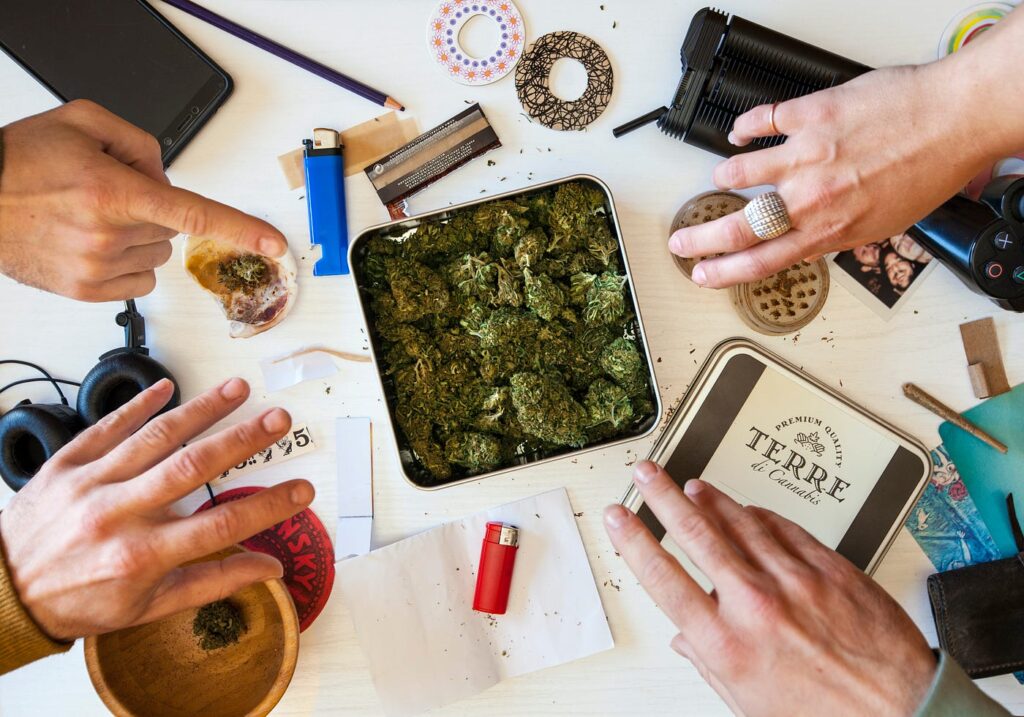
- Accessories: While both blunts and joints might require basic smoking accessories like grinders, the simplicity of preparing joints may demand fewer specialized tools compared to blunts, which can involve a more complex preparation process.
5. Conclusion
Evaluating the economic differences between blunts and joints is vital for cannabis users looking to balance their budget with their consumption habits. Blunts offer a distinctive experience ideal for group settings but are generally more costly due to the larger amount of cannabis required and the expense of the wraps. Joints, conversely, offer a more cost-conscious solution, especially for regular users aiming to reduce expenditures. The selection between the two should consider the user’s lifestyle, frequency of use, and financial constraints. As the cannabis industry continues to mature, keeping informed about these cost differences will assist consumers in making more informed and economical choices about their cannabis consumption.
Legal and Social Implications: Understanding the Broader Context
As the legal status of cannabis continues to change globally, it is essential to comprehensively examine the broad legal and social implications tied to its use. This document seeks to elucidate the intersection between legal frameworks, societal attitudes, and their consequences on both individuals and communities. An informed understanding of this complex environment will equip stakeholders from policymakers to end-users to navigate the intricacies of cannabis consumption with increased awareness and responsibility.
1. Legal Frameworks and Their Impact
The legality of cannabis varies dramatically across different regions, with some embracing complete legalization and others upholding stringent prohibitions.
- Decriminalization vs. Legalization: Decriminalization typically reduces penalties associated with cannabis possession, often eliminating criminal charges in favor of civil fines or no penalties at all. Legalization, meanwhile, permits the sale and consumption of cannabis within a regulated framework designed to oversee its distribution and commercialization.
- Regulatory Details: In places where cannabis is legalized, regulations may dictate age limits, advertising restrictions, retail limits, and taxations, which are intended to balance public health concerns with the economic advantages of a regulated cannabis market.
2. Social Attitudes and Normative Beliefs
Societal perceptions of cannabis are informed by a mix of historical, cultural, and ethical factors, and can significantly differ even within regions where its use is legal.
- Public Perception: The normalization of cannabis in certain societies starkly contrasts its stigmatization in others. Influencing factors include historical drug policies, media representations, and recognized medical uses of cannabis.
- Cultural Contexts: Cannabis holds historical and medicinal importance in many cultures, which can influence modern attitudes and practices. Recognizing these cultural aspects is essential for respecting user preferences and for effective health communications.
3. Economic Considerations
Legalizing cannabis introduces major economic implications, including new job opportunities, increased tax revenues, and impacts on the criminal justice system.
- Economic Development: Legal cannabis markets generate jobs in growing, distribution, and retail sectors while producing significant tax revenues that governments can reinvest in community services.
- Justice System Impacts: Legalization can decrease the number of cannabis-related legal charges and imprisonments, lightening the load on the judicial system and addressing racial disparities in drug law enforcement.
4. Public Health Perspectives
Regulated cannabis markets also prompt crucial public health considerations that necessitate ongoing research and adaptive policy strategies.
- Health Implications: Legalization enables more thorough research into cannabis’s health benefits and risks, which is crucial for educating consumers and medical professionals about its effects.
- Youth Protection: Ensuring minors are shielded from premature cannabis exposure is a key concern. Regulations often aim to restrict youth access to cannabis and include educational initiatives highlighting the risks of early usage.
5. Conclusion
The legal and social frameworks surrounding cannabis use are layered and dynamic. Fully grasping these elements is critical for individual decision-making and for crafting equitable, effective public policies. As the global narrative around cannabis use shifts, continuous research and dialogue will be essential to integrate cannabis responsibly into society, ensuring that its legalization and consumption yield public health benefits, social equity, and economic gains.
