Table of Contents
Intrudoction Blue Haze Strain Cannabis Seed
Blue Haze Cannabis Seeds represent a cultivar derived from the intersection of two illustrious strains, Blueberry and Haze. This hybrid amalgamation synergistically combines the robust genetic traits of its parent strains, yielding a phenotype that is both unique and desirable among cannabis enthusiasts and cultivators alike. The resultant Blue Haze strain encapsulates the sweet, fruity essence of Blueberry with the cerebral invigoration characteristic of Haze, resulting in a multi-faceted sensory experience that is further enhanced by its striking visual appeal, with buds often exhibiting a bluish tint. The following discourse seeks to elucidate the various dimensions of Blue Haze Cannabis Seeds, encompassing their genetic lineage, phenotypic characteristics, cultivation requirements, and the sensorial and psychoactive effects they impart upon consumption. Through this exploration, we aim to furnish a comprehensive understanding of the significance and potential applications of this hybrid strain in both recreational and medicinal contexts.
Origins
Blue Haze Cannabis Seeds represent a hybrid strain, born out of a meticulous and intentional process of crossbreeding two iconic strains – Blueberry and Haze. The origins of Blue Haze can be traced back to the intersection of these two parent strains, each of which brings a rich history and genetic legacy to the hybrid.
Originating in the 1970s, the Blueberry strain played a vital role in the creation of Blue Haze. This renowned strain is celebrated for its delightful fragrance, evoking the essence of fresh blueberries. Through a careful process of crossbreeding, DJ Short, the skilled breeder, artfully combined landrace strains from Afghanistan and Thailand, as well as a Mexican hybrid, to develop the Blueberry strain. Notably, this strain not only offers a captivating sensory experience but also showcases vivid shades of blue and purple in its buds, a testament to DJ Short’s innovation and expertise.
On the other hand, the Haze strain, the other parent of Blue Haze, has its origins in Santa Cruz, California, during the 1960s. It was developed by the Haze brothers, who meticulously crossbred several landrace strains from regions such as Mexico, Colombia, India, and Thailand. The resultant Haze strain is renowned for its energizing and uplifting effects, offering a stark contrast to the relaxing and sedative experience typically associated with Blueberry.
Blue Haze is a hybrid strain that combines the best attributes of Blueberry and Haze. This well-rounded and versatile strain boasts the appealing aroma and visual appeal of Blueberry, while also providing the cerebral stimulation characteristic of Haze. As a result, Blue Haze has gained popularity among both recreational and medicinal cannabis users.
Appearance
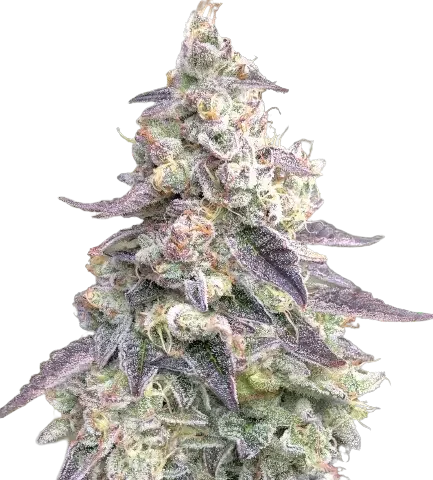
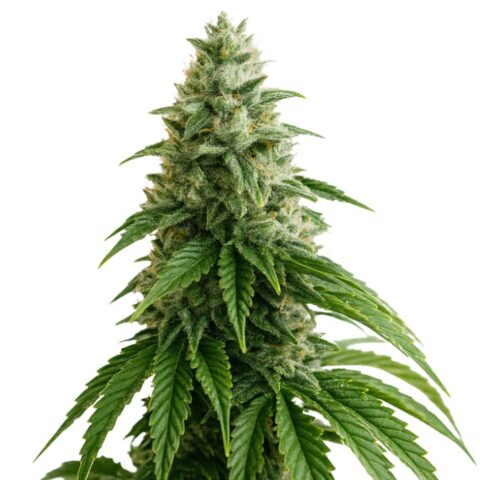
The appearance of Blue Haze Cannabis is a testament to the rich genetic lineage inherited from its parent strains, Blueberry and Haze. This hybrid cultivar exhibits a harmonious amalgamation of the phenotypic characteristics of its progenitors, resulting in a visually striking plant that is both aesthetically pleasing and indicative of its unique genetic profile.
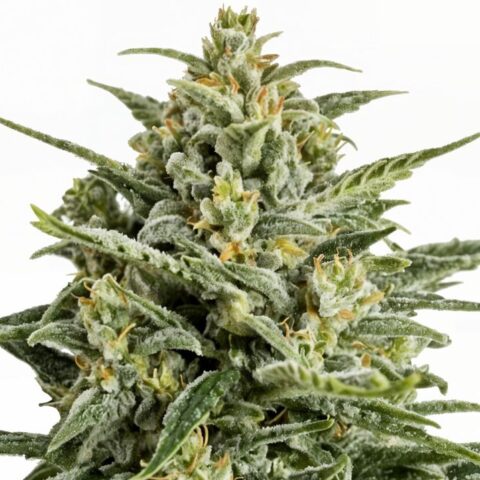
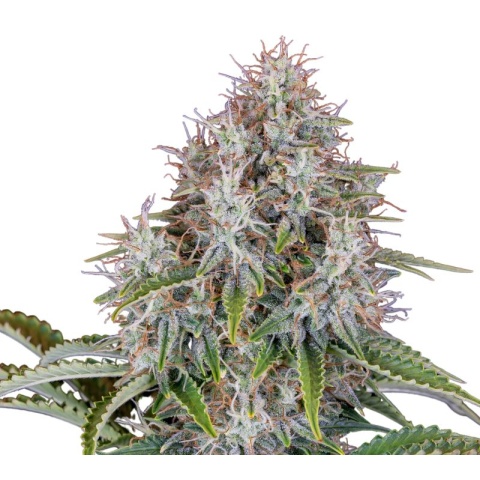
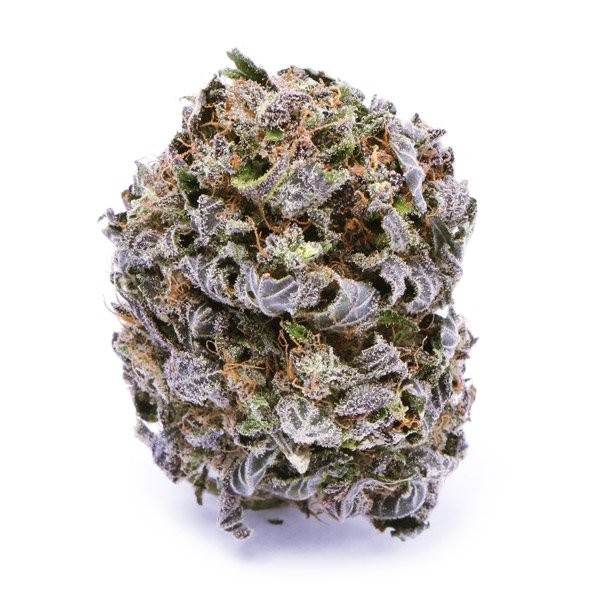
The buds of Blue Haze are typically dense and compact, adorned with a profusion of trichomes that contribute to its potency and resinous texture. The trichomes are crystal-like structures that coat the surface of the buds, giving them a frosty appearance that is highly coveted among cannabis connoisseurs.
One of the most distinctive features of Blue Haze is its coloration. As its name suggests, the buds often exhibit a bluish or purplish hue, a trait inherited from its Blueberry parentage. This coloration is a result of the presence of anthocyanins, which are pigments that can produce a range of colors depending on the pH level of the plant’s environment. The blue and purple hues are often more pronounced in cooler temperatures, making the cultivation environment a crucial factor in the expression of these colors.
The leaves of Blue Haze are typically medium to dark green, with some phenotypes displaying shades of blue or purple. The plant’s foliage is interspersed with vibrant orange or red pistils, which are the reproductive organs of the female cannabis plant. These pistils start off white or cream-colored and darken as the plant matures.
In conclusion, the appearance of Blue Haze Cannabis is a visually striking testament to its rich genetic heritage, with its dense, trichome-covered buds, blue and purple hues, and vibrant pistils all contributing to its aesthetic appeal. The visual characteristics of Blue Haze are not only a feast for the eyes but also serve as indicators of the plant’s genetic lineage, cultivation conditions, and overall health.
CBD
Blue Haze Cannabis, created through the combination of Blueberry and Haze strains, is typically known for its low levels of cannabidiol (CBD). This strain is celebrated for its high concentration of tetrahydrocannabinol (THC), the main psychoactive element in cannabis that produces the “high” experienced when consumed. The low CBD content in Blue Haze is a reflection of its genetic background and breeding history, as both of its parent strains, Blueberry and Haze, are recognized for their higher THC to CBD ratios.
Cannabidiol (CBD) is a prominent cannabinoid present in cannabis and has captured considerable interest recently due to its potential health benefits. Contrary to THC, CBD lacks psychoactive properties and won’t induce a “high”. Research has indicated that CBD may possess anti-inflammatory, pain-relieving, and anxiety-reducing qualities, among others. This has made CBD a focal point in medical research.
It is important to note that the CBD content of Blue Haze can vary depending on various factors, including the specific phenotype, cultivation conditions, and the presence of other cannabinoids and terpenes in the strain. While some phenotypes of Blue Haze may have slightly higher CBD levels, the strain is generally not sought after for its CBD content.
In conclusion, Blue Haze Cannabis is typically characterized by low levels of CBD, with its primary appeal lying in its high THC content and the resulting psychoactive effects. While CBD has been recognized for its potential therapeutic benefits, individuals seeking high-CBD strains may be better suited exploring other cultivars that have been specifically bred for their elevated CBD concentrations.
Blend
The genetic composition of Blue Haze Cannabis Seeds exhibits a predominant Indica influence, with an 80% Indica and 20% Sativa blend. This ratio is indicative of the strain’s lineage and the breeding choices made to cultivate a plant with specific characteristics derived from both Indica and Sativa varieties.
Indica strains are typically associated with a sedative and relaxing effect, often resulting in what is colloquially referred to as a “body high.” They are characterized by their short, bushy stature, broad leaves, and dense buds. Indica strains are often recommended for nighttime use due to their relaxing effects and potential to aid with sleep.
Sativa strains, in contrast, are renowned for their invigorating and euphoric properties, often described as a “cerebral high.” These plants typically grow tall with slender leaves and exhibit a lighter shade of green. Their revitalizing effects make them a popular choice for daytime consumption.
The 80% Indica and 20% Sativa blend in Blue Haze Cannabis Seeds results in a hybrid strain that combines the best of both worlds. The predominant Indica influence contributes to the strain’s relaxing effects and its physical characteristics, such as the plant’s stature and leaf morphology. The 20% Sativa genetics, although less pronounced, adds a cerebral and uplifting component to the strain’s effect profile, mitigating the sedative influence of the Indica to create a balanced and versatile hybrid.
In conclusion, the genetic composition of Blue Haze Cannabis Seeds, with its 80% Indica and 20% Sativa blend, is a testament to the strain’s rich lineage and the breeding choices made to cultivate a plant that combines the desirable characteristics of both Indica and Sativa varieties. This blend results in a hybrid strain that offers a balanced effect profile, making it suitable for a range of recreational and medicinal applications.
-
 Blue Haze Cannabis SeedsFrom: $24.99
Tags: 14-22oz/m2, 16-20oz/plant, 20% Sativa, 20% THC, 55-65 Days, 80% Indica, Autoflowering, Blue Haze, Depression, Focused, Happy, Herbal, Indica, Intermediate To Grow, late October, Low CBD, Mediterranean climate, Medium Height, Pain, Relaxed, Spicy, Stress, Sweet
Aroma
he aroma profile of Blue Haze Cannabis is a complex and multi-faceted sensory experience that is deeply rooted in its genetic lineage, inheriting the olfactory characteristics of its parent strains, Blueberry and Haze.
The predominant aroma of Blue Haze is characterized by a sweet and fruity fragrance, which is a testament to its Blueberry parentage. Blueberry is renowned for its distinctive blueberry-like scent, derived from the presence of specific terpenes, which are aromatic compounds found in various plants, including cannabis. The sweet and fruity fragrance of Blue Haze is further complemented by subtle undertones of earthiness, contributing to the overall richness and depth of the strain’s aroma profile.
In addition to its sweet and fruity fragrance, Blue Haze also inherits the complex aroma profile of its Haze parentage. Haze strains are known for their spicy and citrusy scent, which is a result of the presence of terpenes such as limonene and myrcene. These terpenes contribute to the characteristic citrus and spicy notes that are often associated with Haze strains.
The combination of the sweet and fruity fragrance of Blueberry with the spicy and citrusy scent of Haze results in a unique and enticing aroma profile that is a hallmark of Blue Haze Cannabis. The interplay of these different aromatic components creates a sensory experience that is not only pleasurable but also indicative of the strain’s rich genetic heritage.
In conclusion, the aroma profile of Blue Haze Cannabis is a testament to its genetic lineage, encapsulating the sweet and fruity fragrance of Blueberry and the spicy and citrusy scent of Haze. This complex and multi-faceted aroma profile is a result of the specific terpenes present in the strain and contributes to its overall appeal among cannabis enthusiasts and connoisseurs alike
Flavor
The flavor profile of Blue Haze Cannabis, a hybrid strain derived from the crossbreeding of Blueberry and Haze, is a unique amalgamation of its parent strains’ distinct taste characteristics. This strain inherits the deliciously sweet and fruity flavors of Blueberry, combined with the earthy and spicy undertones characteristic of Haze. The resultant flavor profile is a rich, complex sensory experience that is reflective of the strain’s genetic lineage.
One of the primary contributors to the flavor of Blue Haze is its terpene profile. Terpenes are fragrant compounds present in many plants, including cannabis, and they are essential in defining a strain’s flavor and scent. The unique terpenes in Blue Haze are responsible for its characteristic taste profile.
The predominant terpene in Blue Haze is Myrcene, which is known for its earthy, musky aroma and is commonly found in hops, thyme, and mangoes. Myrcene contributes to the strain’s overall earthiness and is also believed to have sedative properties, which may enhance the relaxing effects of Blue Haze.
Another important terpene in Blue Haze is Pinene, which, as the name suggests, has a pine-like aroma. Pinene is commonly found in pine needles, rosemary, and basil. This terpene contributes to the strain’s fresh, herbal notes and is also known for its anti-inflammatory and bronchodilator properties.
Limonene, another prominent terpene in Blue Haze, is known for its citrusy scent and is commonly found in citrus fruits such as lemons, oranges, and limes. Limonene contributes to the strain’s bright, citrusy flavors and is also believed to have mood-enhancing and anti-anxiety properties.
In addition to these primary terpenes, Blue Haze also contains secondary terpenes such as Humulene, which has a woody, earthy aroma, and Caryophyllene, which is known for its spicy, peppery scent. These secondary terpenes contribute to the strain’s complex flavor profile and add depth to its overall taste.
Upon consumption, Blue Haze provides a wonderful array of tastes that are bound to please the palate. The first flavors to emerge are predominantly sweet and fruity, featuring the scrumptious taste of blueberries and a mix of other berries. This sweetness is then offset by earthy and herbal undertones, contributing an intricate layer to the overall flavor profile. Finally, as the smoke is exhaled, hints of citrus and spice become apparent, culminating in a revitalizing aftertaste that remains on the taste buds.
In conclusion, the flavor profile of Blue Haze Cannabis is a testament to its rich genetic heritage, combining the sweet and fruity flavors of Blueberry with the earthy and spicy undertones characteristic of Haze. This complex and multi-faceted flavor profile is a result of the strain’s unique terpene composition, which contributes to its overall appeal among cannabis enthusiasts and connoisseurs alike. The delightful symphony of flavors delivered by Blue Haze is sure to provide a pleasurable and memorable sensory experience for all who partake in its consumption.
Effects
Blue Haze Cannabis, derived from its parent strains Blueberry and Haze, possesses a unique combination of effects that are a testament to its hybrid nature. This strain has a predominantly Indica genetic composition, with 80% Indica and 20% Sativa, resulting in effects that are both relaxing and uplifting.
The primary psychoactive compound in Blue Haze Cannabis is tetrahydrocannabinol (THC), which is responsible for the strain’s mind-altering effects. When consumed, THC interacts with the body’s endocannabinoid system, binding to CB1 receptors in the brain and producing the characteristic “high” associated with cannabis use. The THC content in Blue Haze can vary depending on various factors, including cultivation conditions and phenotype, but it is generally considered to be a high-THC strain.
- Euphoria: One of the prominent effects reported by users is a sense of euphoria and uplifted mood. The presence of Sativa genetics in Blue Haze contributes to its mood-enhancing properties, providing users with a feeling of happiness and contentment.
- Relaxation: The predominantly Indica genetics in Blue Haze are responsible for its relaxing and sedative effects. Consumers typically report feelings of peace and tranquility, which can be advantageous for alleviating stress and promoting relaxation.
- Creativity: Some users have reported an increase in creativity and mental clarity after consuming Blue Haze. This is likely due to the strain’s Haze genetics, which are known for their cerebral and stimulating effects.
- Pain Relief: Blue Haze has been reported to possess analgesic properties, making it a potential option for those seeking relief from chronic pain conditions.
- Appetite Enhancement: Similar to numerous other cannabis varieties, Blue Haze may increase hunger, proving helpful for those facing appetite decline due to health issues or the adverse effects of certain treatments.
- Sedation: In higher doses, Blue Haze may exhibit sedative effects, which can aid in the treatment of insomnia and other sleep-related disorders.
- Anti–inflammatory: While more research is needed to fully understand the anti-inflammatory effects of cannabis, some users have reported experiencing relief from inflammation-related symptoms after consuming Blue Haze.
The effects of Blue Haze Cannabis can differ based on various factors such as an individual’s tolerance, physiology, and the specific strain’s phenotype. The method of consumption and dosage are also influential in determining its effects.
Blue Haze Cannabis demonstrates a variety of psychological and physiological effects that mirror its genetic background. This strain offers a diverse blend of euphoria, relaxation, creativity, pain alleviation, appetite enhancement, and possible sedative and anti-inflammatory properties. With its versatility, Blue Haze Cannabis is suitable for both recreational and medicinal purposes.
Medical Effects
Blue Haze Cannabis, a hybrid strain resulting from crossing Blueberry and Haze, showcases a diverse range of medicinal attributes. Its distinct combination of Indica and Sativa genetics allows for potential therapeutic advantages across various conditions.
A primary medicinal benefit of Blue Haze Cannabis is its potential efficacy in treating various types of chronic pain. The cannabinoids found in the strain, particularly tetrahydrocannabinol (THC) and cannabidiol (CBD), interact with the body’s endocannabinoid system to modulate pain pathways. Consequently, Blue Haze Cannabis may alleviate symptoms associated with conditions like arthritis, neuropathy, and migraines. Additionally, its Indica-dominant nature contributes to its pain-relieving properties, as Indica strains are commonly favored for pain management due to their calming and sedative effects.
In addition to its pain-relieving properties, Blue Haze Cannabis may also be beneficial for individuals struggling with mental health conditions such as anxiety, depression, and stress. The strain’s balanced combination of Indica and Sativa genetics results in a harmonious effect profile that can uplift mood and foster a sense of calm and relaxation. The strain’s potential to induce a state of euphoria can be particularly helpful in mitigating symptoms of depression and anxiety, providing users with a reprieve from their mental health challenges.
Furthermore, Blue Haze Cannabis has been reported to have appetite-stimulating effects, which can be advantageous for individuals undergoing treatments that result in nausea and loss of appetite, such as chemotherapy. The strain’s potential to increase appetite and alleviate nausea can help improve the overall quality of life for patients undergoing such rigorous treatments.
Another potential medical benefit of Blue Haze Cannabis is its capacity to aid in sleep. The strain’s Indica-dominant genetics contribute to its sedative properties, which may be helpful for individuals struggling with insomnia and other sleep disorders. The relaxing and calming effects of Blue Haze can facilitate the onset of sleep and improve the overall quality of rest, allowing patients to wake up feeling refreshed and rejuvenated.
Finally, although further investigation is required, preliminary research indicates that cannabis may exhibit anti-inflammatory properties. Blue Haze Cannabis, with its distinct combination of terpenes and cannabinoids, could potentially play a role in alleviating inflammation. This would be advantageous for individuals grappling with inflammatory ailments like Crohn’s disease and rheumatoid arthritis.
To sum up, Blue Haze Cannabis holds numerous potential therapeutic advantages stemming from its robust genetic background and distinctive combination of cannabinoids and terpenes. Its capacity to mitigate chronic pain, elevate mood, provoke hunger, assist with sleep, and diminish inflammation renders it a flexible choice for those searching for respite from a range of health issues. Nevertheless, it is crucial to seek advice from a medical expert before adding Blue Haze Cannabis or any cannabis-derived product into a healthcare regimen.
Cultivation
- Purchase Blue Haze Cannabis seeds from a reputable source.
- Ensure you have the required permits or licenses for cannabis cultivation.
- Select a suitable cultivation location (indoor or outdoor).
- Ensure the location has adequate ventilation and light.
- Prepare soil with proper nutrients for cannabis growth.
- Ensure the soil has good drainage.
- Test soil pH to ensure it is between 6.0 and 7.0.
- Sterilize the soil to eliminate pathogens.
- Moisten the soil before planting seeds.
- Plant seeds 1 cm deep in soil.
- Space seeds adequately to prevent overcrowding.
- Provide consistent light for at least 18 hours a day.
- Keep temperature between 75-85°F (24-29°C).
- Maintain humidity levels between 40-70%.
- Water seeds regularly, but avoid overwatering.
- Use high-quality cannabis fertilizer for nutrients.
- Monitor plant growth and adjust conditions as needed.
- Prune plants to promote bushier growth.
- Train plants using techniques like topping or LST.
- Be vigilant for indications of infestations or illnesses.
- Utilize natural methods of pest management when required.
- Transition plants to flowering stage by reducing light to 12 hours a day.
- Monitor trichomes to determine harvest time.
- Flush plants with water before harvest to remove nutrients.
- Harvest plants when trichomes are mostly cloudy with some amber.
- Cut plants and remove large fan leaves.
- Hang plants upside down in a cool, dark, and well-ventilated space.
- Dry plants for 7-14 days.
- Trim smaller leaves and buds from dried plants.
- Cure buds in glass jars for 2-4 weeks.
- Open jars daily to allow air exchange.
- Monitor buds for mold during curing.
- Keep the cured buds in a location that is cool and devoid of light.
- Clean cultivation area thoroughly after harvest.
- Sanitize tools and equipment.
- Analyze results and take notes for future reference.
- Make adjustments for next cultivation cycle.
- Review local laws and regulations on cannabis consumption.
- Savor the rewards of your hard work in a responsible manner.
- Exchange insights and experiences with fellow cultivators.
- Stay updated on the latest cannabis cultivation techniques.
- Keep abreast of the most recent advancements in cannabis growing techniques.
- Explore various strains and cultivation approaches.
- Join online communities and forums for cannabis growers.
- Support cannabis legalization and advocacy efforts.
- Educate others on the benefits of cannabis.
- Advocate for responsible and sustainable cannabis cultivation.
- Contribute to research and development in the cannabis industry.
- Strive to improve and perfect your cultivation skills.
- Never stop learning and growing as a cannabis cultivator.
Flowering Time Indoors and Outdoors
The Blue Haze Cannabis Seeds are a popular choice among growers for their balance of desirable characteristics. The flowering time of these seeds when cultivated indoors is approximately 55 to 65 days, placing it within the average range for cannabis flowering times. This time frame allows growers to manage their cultivation schedules effectively while still obtaining a substantial yield. The moderate flowering time also means that growers can potentially have multiple harvests within a year if conditions are optimized.
When grown outdoors, the Blue Haze Cannabis Seeds typically flower by late October.The timing is pivotal as it enables the plants to maximize the growth potential offered by the season, utilizing the ample sunlight and warmth characteristic of the summer months. Flowering in late October also means the plants sidestep the more severe
Growing Blue Haze Cannabis Seeds is classified as having an intermediate level of difficulty. This means that while they may not be the most straightforward strain for beginners, they are also not exceedingly challenging to cultivate. Growers with some experience should find success with this strain, as long as they pay attention to the specific needs of the plant in terms of light, nutrients, and water.
In terms of yield, the Blue Haze Cannabis Seeds are highly rewarding. When grown indoors, the seeds can produce a yield ranging from 14 to 22 ounces per square meter. This impressive yield makes the strain a preferred choice for indoor cultivators seeking a high-return option. For outdoor cultivation, the seeds can yield between 16 to 20 ounces per plant, making it a viable option for those who prefer growing their cannabis plants outdoors.
The medium height of the Blue Haze Cannabis plant makes it manageable for both indoor and outdoor cultivation. This moderate size also facilitates easier maintenan
The Blue Haze Cannabis plant’s medium stature is suitable for both indoor and outdoor growing. Its moderate size eases maintenance and pruning, contributing to optimal yield and plant vitality.
ce and pruning, which can be beneficial for optimizing yield and plant health.
The THC content of the Blue Haze Cannabis Seeds is another appealing feature, with levels typically measuring around 20%. This high THC content contributes to the strain’s potent effects, offering a strong psychoactive experience that is favored by many consumers.
The thriving climate for Blue Haze Cannabis Seeds is a Mediterranean climate, characterized by warm, sunny, and dry conditions, with mild winters. This climate is ideal for the strain as it provides the necessary warmth and sunlight needed for optimal growth. The mild winters also ensure that the plants are not exposed to extreme cold, which can be detrimental to their development.
Lastly, the type of Blue Haze Cannabis Seeds is predominantly Indica, with an Indica composition of 80%. The remaining 20% is made up of Sativa genetics, which adds to the balanced effects profile of the strain. The Indica-dominant nature of the strain provides a relaxing and sedative effect, while the Sativa genetics contribute to the uplifting and euphoric experience.
In conclusion, Blue Haze Cannabis Seeds are a popular choice among growers and consumers alike due to their balanced characteristics and rewarding yield potential. With their manageable growing difficulty, high THC content, and suitability to a Mediterranean climate, these seeds offer a versatile and fulfilling cultivation experience.
- FLOWERING TIME INDOORS: The flowering time for Blue Haze Cannabis Seeds when grown indoors is approximately 55 to 65 days. This relatively average flowering time makes it a manageable strain for indoor cultivation.
- FLOWERING TIME OUTDOORS: When cultivated outdoors, Blue Haze Cannabis Seeds typically flower by late October. The specific timing may vary depending on the geographic location and climate of the cultivation site.
- GROWING DIFFICULTY: Blue Haze Cannabis Seeds are classified as having an intermediate level of growing difficulty. This means that while they may not be the most straightforward strain for beginners, they are also not exceedingly challenging to cultivate. Growers with some experience should find success with this strain.
- INDOOR YIELD: When grown indoors, Blue Haze Cannabis Seeds can produce a yield ranging from 14 to 22 ounces per square meter.The substantial yield of this strain makes it a favored option for indoor growers in search of a high-return variety.
- OUTDOOR YIELD: For outdoor cultivation, Blue Haze Cannabis Seeds can yield between 16 to 20 ounces per plant. This high yield, combined with the strain’s resilience, makes it a suitable option for outdoor growers.
- PLANT HEIGHT: The Blue Haze Cannabis plant typically achieves a moderate height, rendering it suitable for cultivation both indoors and outdoors. This manageable size also facilitates easier upkeep and trimming.
- THC CONTENT: Blue Haze Cannabis Seeds are known for their high THC content, which typically measures around 20%. This high THC level contributes to the strain’s potent effects, making it a favorite among consumers seeking a strong psychoactive experience.
- THRIVING CLIMATE: Blue Haze Cannabis Seeds are best suited to a Mediterranean climate. This means that they thrive in warm, sunny, and dry conditions, with mild winters.
- TYPE: Blue Haze Cannabis is predominantly an Indica strain, with an Indica composition of 80%. The remaining 20% is Sativa genetics, which contributes to the strain’s balanced effects profile.
“Arthropod Antagonists: An In-Depth Exploration of Insect Pests Thwarting Cannabis Seed Growth”
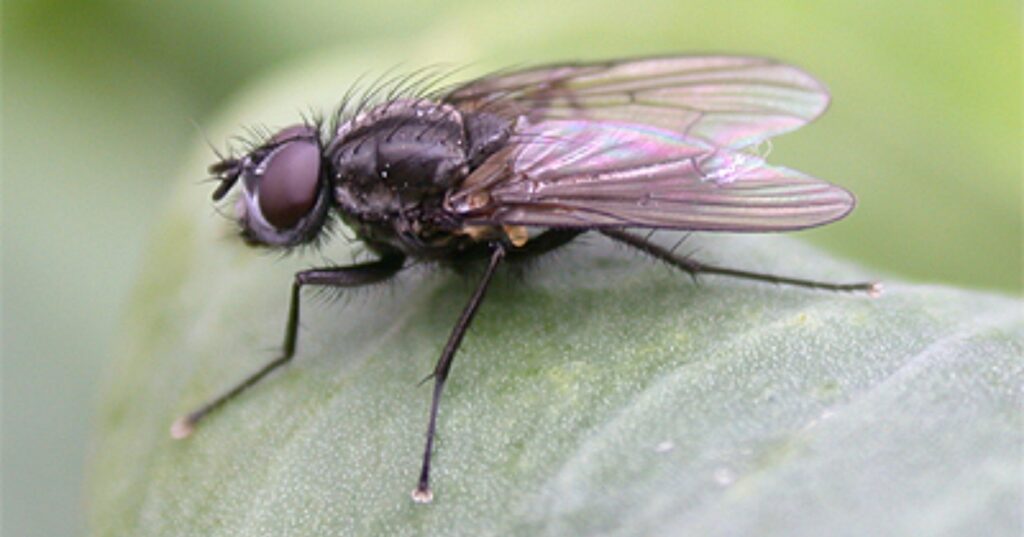
- Aphids – sap-sucking pests that can spread diseases.
- Spider Mites – tiny pests that can cause leaf damage and yellowing.
- Whiteflies – sap-sucking pests that can transmit viral diseases.
- Thrips – small pests that can cause leaf damage and spread diseases.
- Scale Insects – sap-sucking pests that can cause stunted growth.
- Mealybugs – sap-sucking pests that can transmit diseases.
- Fungus Gnats – their larvae can damage roots and stunt growth.
- Leaf Miners – larvae burrow into leaves, causing damage.
- Caterpillars – chew on leaves and can cause defoliation.
- Cutworms – can cut down seedlings at soil level.
- Grasshoppers – chew on leaves and can cause significant damage.
- Crickets – chew on leaves and can damage seedlings.
- Leafhoppers – sap-sucking pests that can transmit diseases.
- Flea Beetles – chew small holes in leaves, stunting growth.
- Colorado Potato Beetles – can defoliate plants if in large numbers.
- Hornworms – large caterpillars that can defoliate plants.
- Armyworms – can cause significant defoliation.
- Loopers – chew on leaves and can cause defoliation.
- Corn Earworms – can damage flowers and developing seeds.
- Tomato Fruitworms – can damage flowers and developing seeds.
- Bagworms – can defoliate plants and stunt growth.
- Cabbage Worms – chew on leaves and can cause significant damage.
- Diamondback Moths – can damage leaves and stunt growth.
- Harlequin Bugs – can damage leaves and stunt growth.
- Stink Bugs – can damage leaves and flowers, stunting growth.
- Lygus Bugs – can damage flowers and developing seeds.
- Leaf Beetles – can defoliate plants and stunt growth.
- Sawflies – larvae can defoliate plants.
- Borers – can damage stems and cause stunted growth.
- Root Maggots – can damage roots and stunt growth.
“Fortifying the Bounty: Forward-Looking Tactics and Proven Methods for Warding Off Insect Pests in Cannabis Agriculture”
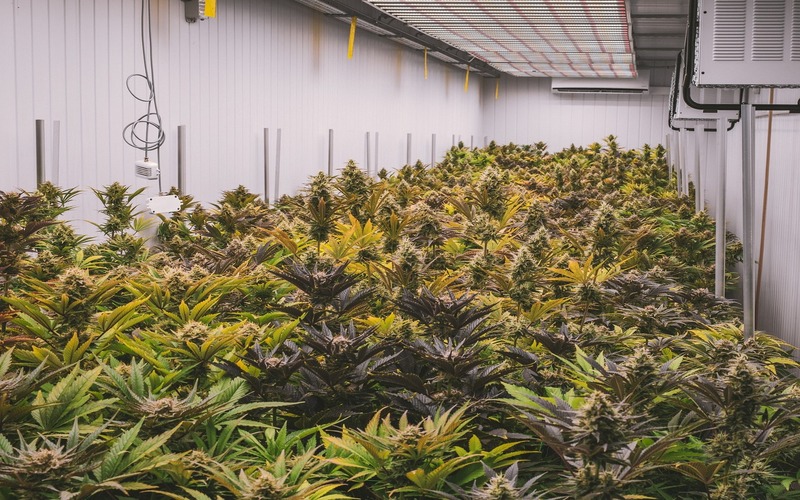
In order to safeguard Blue Haze Cannabis Seeds from pest invasions, having the appropriate gear is crucial. The following guide will assist you in choosing the necessary tools and supplies:
- Pest Traps:
- Sticky Traps: These traps can catch flying insects such as whiteflies, fungus gnats, and aphids. Place them near the plant canopy to maximize their effectiveness.
- Insect Netting:
- Fine Mesh Netting: This can prevent insects from accessing the cannabis plants. Ensure the netting is secured tightly around the growing area.
- Pesticides and Insecticides:
- Organic Insecticides: Opt for natural or organic insecticides to avoid harmful chemicals. Neem oil, insecticidal soaps, and pyrethrin-based sprays are good options.
- Biological Pesticides: Introduce beneficial insects like ladybugs and parasitic wasps, which prey on harmful pests.
- Sprayers:
- Handheld or Backpack Sprayer: These will be necessary to evenly distribute pesticides and insecticides on the cannabis plants.
- Safety Gear:
- Gloves and Goggles: Always wear protective gear when handling and applying pesticides or insecticides.
- Monitoring Equipment:
- Magnifying Glass or Microscope: Use these tools to closely inspect the plants for signs of pests.
- Camera: Document the pest infestations for reference or expert consultation.
- Soil Amendments and Fertilizers:
- Neem Cake: This acts as a natural pest repellent when mixed with the soil.
- Beneficial Nematodes: These can be introduced to the soil to target specific pests.
- Cleaning Supplies:
- Disinfectants and Cleaners: Regularly clean and sanitize the growing area to prevent pest infestations.
- Lighting Equipment:
- UV Lights: Certain UV lights can deter specific pests.
- Fan and Ventilation System:
- Adequate airflow can help prevent pest infestations by creating an environment less favorable for pests.
By having these essential equipment and supplies, you’ll be well-prepared to protect your Blue Haze Cannabis Seeds from insects and ensure the healthy growth of your plants. Remember to regularly inspect your plants and take prompt action at the first sign of a pest infestation.
In Conclusion
Blue Haze Cannabis Seeds offer a plethora of benefits that can significantly enhance various aspects of one’s life, and they are an ideal investment for those seeking a holistic and natural way to improve their well-being.
- Medicinal Benefits:
- The Blue Haze strain is renowned for its medicinal properties, providing relief from a range of ailments such as chronic pain, anxiety, depression, and insomnia. Its high THC content and Indica-dominant genetics work together to deliver a potent and relaxing effect that can alleviate symptoms and improve quality of life.
- Recreational Enjoyment:
- For those who partake in cannabis for recreational purposes, Blue Haze Cannabis Seeds offer a delightful experience with their unique aroma and flavor profile, coupled with their uplifting and euphoric effects.
- Cultivation Satisfaction:
- Cultivating Blue Haze Cannabis Seeds can be a highly rewarding endeavor. With an intermediate level of growing difficulty, they are accessible to growers with some experience. The potential for high yields, both indoors and outdoors, adds to the appeal of cultivating these seeds.
- Investment Opportunity:
- As the cannabis industry flourishes, putting money into top-notch cannabis seeds such as Blue Haze could potentially reap substantial rewards in the future, given the market’s continuous expansion and progression.
- Sustainability:
- Cultivating your own cannabis using Blue Haze Cannabis Seeds can be an eco-friendly choice, as it grants you the ability to oversee the growing process and lessen the environmental footprint linked with acquiring commercially manufactured cannabis items.annabis plants with Blue Haze Cannabis Seeds can be a sustainable option, as it allows you to have control over the cultivation process and minimize the environmental impact associated with purchasing commercially produced cannabis products.
In conclusion, Blue Haze Cannabis Seeds are an excellent investment for those seeking to harness the medicinal, recreational, and cultivation benefits of this unique and popular strain. With their high THC content, delightful aroma and flavor, and potential for high yields, these seeds are a valuable addition to one’s life, providing a holistic and natural way to enhance well-being and enjoyment. So, don’t hesitate and make the wise choice of investing in Blue Haze Cannabis Seeds today!
| BEST USE | Depression, Pain, Stress |
|---|---|
| BLEND | 20% Sativa, 80% Indica |
| CBD LEVEL | Low (Less than 2%) |
| EFFECTS | Focused, Happy, Relaxed |
| FLAVOR | Herbal, Spicy, Sweet |
| FLOWERING PERIOD | 55-65 Days |
| GROWING DIFFICULTY | Intermediate |
| PLANT HEIGHT | Medium |
| THC CONTENT | 20% |
| TYPE | Indica |
-
 9 Pound Hammer Cannabis SeedsFrom: $24.99
 -
 A-10 Cannabis SeedsFrom: $24.99
 -
Afghan Big Bud Cannabis SeedsFrom: $24.99