Table of Contents
Introduction of Blue Afghani Strain Cannabis Seeds
The captivating world of cannabis genetics is a testament to human ingenuity and nature’s boundless variations. Among the myriad of strains that aficionados praise for their unique attributes, Blue Afghani stands out as a true gem. Rooted in the confluence of the majestic Hindu Kush mountains and the vibrant flavors of the Blueberry lineage, Blue Afghani seeds promise a cultivation journey that’s as rich as its history.
Bearing a name that pays homage to its origins, Blue Afghani is a strain that combines the relaxing, resin-rich characteristics of Afghani landraces with the sweet, fruity notes of the iconic Blueberry strain. This potent and aromatic fusion has captivated cultivators and connoisseurs alike. In this introduction, we will explore the allure of Blue Afghani cannabis seeds, delving into its growth dynamics, effects, and potential therapeutic benefits. Whether you are an experienced grower or a curious enthusiast, Blue Afghani offers a world of possibilities waiting to be discovered.
Origins
At the very heart of Blue Afghani lies the ancient and revered Afghani lineage. Originating from the rugged terrains of the Afghan mountains, particularly the Hindu Kush region, Afghani strains are known for their pure indica genetics. These landrace strains have been cultivated and cherished for thousands of years, often for their high resin production, which made them prime candidates for hashish production.
The harsh climatic conditions of the Afghan mountains rendered these plants with unique characteristics: stout stature, broad leaves, and a thick layer of cannabinoid-rich trichomes. Over time, these strains were brought to different parts of the world, where they contributed their genetics to many modern hybrid strains.
Blueberry’s Sweet Legacy:
On the other side of the Blue Afghani genetic spectrum is the legendary Blueberry strain. Originating in the 1970s, Blueberry owes its lineage to various strains from around the world, including the genetics from Mexico, Thailand, and Afghanistan. Developed by the breeder DJ Short, Blueberry became synonymous with its sweet berry aroma, brilliant blue-hued buds, and potent euphoric effects. Its profound impact on the cannabis community cannot be understated, with Blueberry winning the High Times Cannabis Cup in 2000 for best indica.
The Fusion – Birth of Blue Afghani:
Marrying the robustness of Afghani with the sweetness of Blueberry was not a mere chance encounter but a deliberate effort to combine the best of both worlds. As breeders sought to create strains that combined resilience, potency, and flavor, the union of Afghani’s resin-rich nature with Blueberry’s delightful aromatics became an obvious choice.
Blue Afghani was created by combining the Afghani parent’s dense bud structure and resin production with the fruity undertones and colorful appearance of Blueberry. This resulted in a hybrid with an impressive genetic pedigree that offers both relaxation and a mild cerebral uplift. The balanced effects of Blue Afghani make it stand out from other strains.
Blue Afghani cannabis seeds encapsulate a tale of ancient cultivation practices, world-spanning genetics, and the relentless passion of cannabis breeders. It’s a strain that is as much a testament to the rich tapestry of cannabis history as it is to the ever-evolving future of cannabis genetics.
Appearance
When discussing the appearance of the Blue Afghani cannabis seeds and the plants they produce, it’s a tale of deep-rooted genetics manifesting in visual splendor. Let’s delve into the detailed aesthetics of these seeds and the resultant plants.
The Seeds:Blue Afghani cannabis seeds, like many other cannabis seeds, are typically small, oval-shaped, and firm to the touch. They carry a deep brown hue, often with a mottled pattern or dark striations. The seeds are encapsulated by a protective shell, which, when viable, feels sturdy and doesn’t easily crack under light pressure. While the seeds themselves don’t exhibit the vibrant colors of their mature plant counterpart, they’re the vessels of all the potential beauty within.
Seedling Stage:As the seeds germinate and break ground, the young seedlings exhibit bright green cotyledons, the first “baby” leaves. These leaves are simple in structure, often oval or rounded, and a far cry from the more complex leaf structure the plant will develop as it matures.
Vegetative and Flowering Stage:As the Blue Afghani plant enters its vegetative stage, it begins to showcase its inherited genetics more prominently:
- Stature and Structure: Being dominantly indica, the plants are generally compact and bushy. They often possess a stout central stem with branches radiating out, creating a dense canopy.
- Leaves: The leaves are broad and deep green, embodying the classic indica fan leaf shape. They are often densely packed, thanks to the plant’s bushy nature.
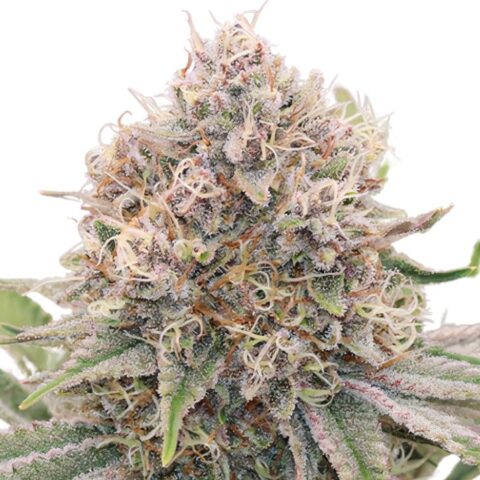
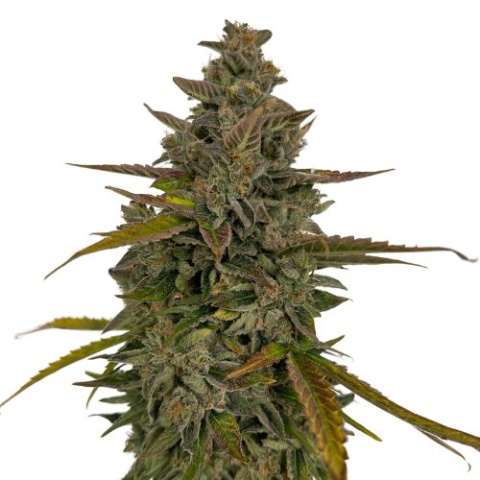
- Flowers: As the plant transitions to the flowering phase, the true beauty of Blue Afghani comes to the fore. Buds are densely packed and coated in a thick layer of trichomes, hinting at their Afghani heritage. The influence of the Blueberry lineage manifests in the potential for blue and purple hues in the buds, especially when exposed to cooler temperatures during the night in the late flowering stage. This coloration contrasts beautifully with the fiery orange or red pistils that may sprout from the buds.
Aroma and Trichomes:While not strictly visual, the aromatic profile of the Blue Afghani buds can be so strong that it almost feels tangible. The sticky trichomes, which glitter under light, are not just a sign of potency but also carry the delightful blend of earthy, musky scents from the Afghani lineage and the sweet, fruity undertones from the Blueberry parent.
The appearance of the Blue Afghani cannabis plant is a vibrant dance of genetics, blending the robust and resinous characteristics of Afghani strains with the alluring hues and aromatic delights of the Blueberry lineage. For cultivators and cannabis enthusiasts, watching Blue Afghani grow is a visual treat, revealing the rich tapestry of its heritage with every stage of its life cycle.
CBD
However, I can provide general information about the CBD levels typically found in Blue Afghani and its parent strains:
Blue Afghani’s Cannabinoid Profile:Blue Afghani, like many strains that are bred primarily for recreational use, has traditionally been sought after for its THC content, the primary psychoactive cannabinoid in cannabis. This means that its CBD content, while present, might not be particularly high in most phenotypes.
Afghani: As a landrace strain, traditional Afghani plants can have a range of cannabinoid profiles, but they are often known more for their THC content than CBD.
Blueberry: Similarly, the classic Blueberry strain, developed primarily for its flavor and psychoactive effects, doesn’t typically boast high CBD levels.
CBD Levels and Terminology: The term “CBD level 2” is not a standard classification used in the cannabis industry. Usually, the CBD levels are expressed as percentages. For example, a particular strain may have a CBD content of 0.5%, 1%, 2%, or even more than 15% in strains that have been bred for high CBD content.
If “CBD level 2” is a reference to a specific phenotype or variant of Blue Afghani that has been selectively bred to have higher levels of CBD, it is important to consult the breeder’s information or laboratory test results to obtain precise details on its cannabinoid profile.
To determine the precise CBD content or what “CBD level 2” refers to in the context of Blue Afghani cannabis seeds, it’s essential to consult the breeder, seed bank, or get lab tests done on the cultivated plants. They can provide a detailed breakdown of the cannabinoid profile, ensuring clarity on the strain’s potential effects and therapeutic benefits.
Blend
The Blend of Blue Afghani Cannabis SeedsThe Blue Afghani cannabis strain is a fusion of two legendary and influential cannabis varieties, each bringing its unique attributes to the table. Let’s delve into the characteristics of each parent strain to understand the harmonious blend that results in Blue Afghani:
1. Afghani:Origin: Rooted in the mountainous regions of Afghanistan, particularly the Hindu Kush mountains, the Afghani strain is one of the pure indica landrace strains.
- Growth Pattern: Typically demonstrates a compact and bushy growth pattern, ideal for cultivators with space limitations.
- Resin Production: Known for its high resin production, making it a favorite for hashish production.
- Effects: Offers a deeply relaxing and sedative effect, making it a popular choice for those seeking tranquility and relief from physical discomfort.
- Flavor & Aroma: Earthy and pungent with hints of sweet woodiness.
2. Blueberry:Origin: Developed in the 1970s by the renowned breeder DJ Short, Blueberry is a three-way cross between strains from Mexico, Thailand, and Afghanistan.
- Coloration: Recognizable for its distinctive blue and sometimes purple hues, especially when exposed to cooler temperatures during its growth cycle.
- Effects: While it delivers a relaxing body high synonymous with indicas, Blueberry also provides a euphoric cerebral uplift.
- Flavor & Aroma: As the name suggests, Blueberry is famed for its sweet and fruity berry aroma, with an equally delightful taste profile.
Appearance: Combining the compact structure from its Afghani parent with the potential for vivid blue and purple coloration from Blueberry, Blue Afghani plants are a visual treat. The dense buds are generously coated with trichomes, making them glisten.
Effects: The resultant blend typically provides users with a well-rounded high. The deep relaxation from its Afghani genetics synergizes beautifully with the gentle cerebral uplift inherited from Blueberry, offering a harmonious balance.
Flavor & Aroma: On the palate, one can expect a delightful dance between the earthy, musky tones of Afghani and the sweet, fruity burst from Blueberry. This combination results in a rich and layered aroma and taste experience.
Blue Afghani cannabis seeds represent a masterful blend of cannabis genetics, combining the time-tested resilience and potency of Afghani with the delightful sensory experience of Blueberry. For cultivators and consumers alike, this strain promises not only a rich history but a multifaceted cannabis experience, from growth to consumption.
-
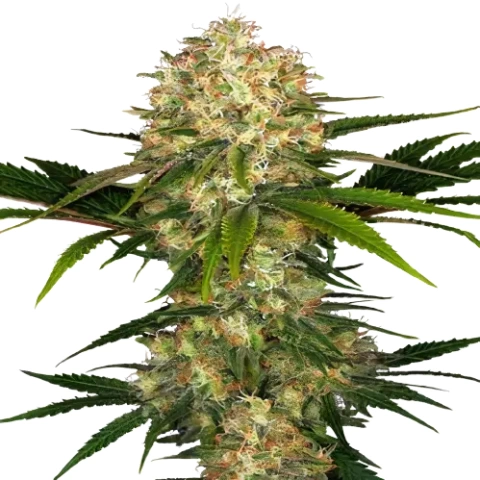 Blue Afghani Cannabis SeedsFrom: $24.99
Tags: 12oz/ m2, 15oz/m2, 19% THC, 25% Sativa, 55-65 Days, 75% Indica, Blue Afghani, Depression, Diesel, Easy to grow, Euphoric, Feminized, Indica, Lack of Appetite, late October, Moderate CBD Levels, Photoperiod, Relaxed, Short Height, Spicy, Stress, Uplifted, Warm climate, Woody
Aroma
The aroma of a cannabis strain is one of its most distinguishing and cherished features, acting as a sensory gateway to the plant’s origins, genetics, and potential effects. The Blue Afghani strain, a harmonious blend of two iconic cannabis varieties, carries a unique aromatic signature that reflects its rich lineage.
Afghani strains, originating from the mountainous regions of Afghanistan, are known for their robust and earthy profiles. Characteristics of the Afghani aroma include:
- Earthy: The foundational scent of many cannabis strains, this aroma can be compared to the scent of fresh soil or damp forest floor.
- Woody: Hints of cedar and other woods often punctuate the Afghani scent profile, giving it a grounding, natural feel.
- Musky: Adding depth to the aroma, the muskiness can sometimes carry a slightly sweet undertone, reminiscent of raw sugar or molasses.
The Blueberry strain is famed for its vibrant and fruity aromatic profile. Aspects of Blueberry’s aroma include:
- Sweet Berry: As the name suggests, Blueberry imparts a delightful berry scent, reminiscent of fresh blueberries or a mixed berry jam.
- Fruity: Beyond just berries, Blueberry can sometimes present hints of other fruits, adding layers of sweetness and tartness to the aroma.
- Slightly Floral: Some phenotypes might also have a hint of floral undertones, adding a lightness to its otherwise sweet profile.
When these two strains combine, the resulting Blue Afghani aroma becomes a masterful symphony of scents:
- Dominant Sweetness: The first impression is often the sweet and fruity notes inherited from Blueberry, tantalizing the senses with its fresh berry appeal.
- Earthy Foundation: Underlying the sweetness is the grounding, earthy base from the Afghani genetics, offering a robust backdrop to the fruity top notes.
- Woody and Musky Undertones: These deeper notes provide a rich complexity, ensuring that the aroma has both brightness from the fruitiness and depth from the musk and wood.
The aroma of Blue Afghani is a delightful journey through its genetic heritage. Every whiff brings forth the rugged landscapes of Afghanistan and the lusciousness of a berry orchard, making it a favorite among cannabis enthusiasts not just for its effects, but also for the olfactory experience it promises.
Flavor
Flavor in cannabis is a captivating facet of the overall experience, often evoking sensory memories and providing insights into a strain’s genetic lineage. Blue Afghani, with its meld of two iconic cannabis varieties, offers a unique taste that appeals to both novices and connoisseurs alike. Let’s explore the flavor profile of Blue Afghani:
The Afghani lineage contributes robust flavors that have been cherished in cannabis circles for generations:
- Earthy: One of the primary flavors associated with Afghani strains is a deep earthiness, reminiscent of fresh soil or the rich taste of raw root vegetables.
- Woody: Aged wood, hints of cedar, or even subtle pine can be discerned, echoing the natural, forested terrains of its origin.
- Spicy: Some phenotypes of Afghani strains may present a mild spiciness, akin to black pepper or herbal spices, adding a warmth to the palate.
Blueberry is renowned for its sweet and fruity attributes:
- Berry Burst: True to its name, Blueberry imparts a pronounced blueberry flavor. It’s a sweet, slightly tart taste, akin to biting into a ripe blueberry.
- Fruity Undertones: Beyond the dominant berry, there might be subtle hints of other fruits, reminiscent of a mixed fruit bowl or a subtle fruit candy.
- Slight Citrus: Some Blueberry phenotypes have a hint of citrusy tang, adding a refreshing zest to the flavor profile.
With these two strains coming together, Blue Afghani presents a palate of flavors:
- Berry-Dominant Sweetness: The initial taste is often dominated by the delightful berry sweetness inherited from Blueberry, making the first puff a fruity delight.
- Earthy Backbone: As the sweet top notes mellow, the deep earthiness from Afghani takes center stage, grounding the flavor with its robustness.
- Woody and Spicy Notes: On the exhale, one might catch the woody and slightly spicy undertones, adding layers to the taste and making each puff a complex experience.
Blue Afghani’s flavor is a testament to the art of cannabis breeding, skillfully weaving together the deep, grounded tastes of Afghani with the light, fruity notes of Blueberry. For those who appreciate the intricate dance of flavors in their cannabis, Blue Afghani offers a harmonious blend that tantalizes the taste buds while paying homage to its storied lineage.
Effects
The effects of a cannabis strain are influenced by its genetic lineage, the specific cannabinoids present, and the terpene profile. Blue Afghani, birthed from the fusion of two revered strains, offers a distinctive set of effects, shaped by its rich heritage. Here’s an overview of what one might expect:
Afghani, being a pure indica landrace, imparts a set of deeply relaxing effects:
- Body Relaxation: A signature of many indica strains, Afghani often induces a profound body relaxation, making muscles feel loose and tension melt away. It’s the kind of effect that encourages lounging and relaxation.
- Sedation: Over time, or with larger quantities, the relaxation can progress into a more sedative state, making this a preferred strain for evening use or as a sleep aid.
- Mental Calm: Alongside its physical effects, Afghani can bring a serene clarity to the mind, allowing worries to drift away.
Blueberry, while indica-dominant, also offers some uplifting cerebral effects:
- Euphoria: One of the delightful surprises with Blueberry is the gentle euphoria that can lift moods and bring about a positive, contented state of mind.
- Creativity: Some users report a spark of creativity, making it a favored strain for artistic endeavors or just letting the mind wander.
- Gentle Stimulation: While the body feels relaxed, the mind might experience a light stimulation, allowing for focused activities or engaging conversations.
When these strains are combined, Blue Afghani provides a harmonious blend of effects:
- Balanced Relaxation: Users often first notice a deep sense of relaxation, encompassing both body and mind. The relaxation is thorough but not overwhelmingly sedative, making it suitable for both daytime and nighttime use, depending on individual tolerance.
- Mood Elevation: Riding on the euphoric wave from its Blueberry parent, Blue Afghani can elevate moods, making it an excellent choice for social settings or simply unwinding after a long day.
- Mental Clarity: While the body relaxes, the mind remains alert and clear, thanks to the subtle uplifting effects. It’s a strain that allows one to be present in the moment, enjoying the experience fully.
- Potential Therapeutic Uses: Given its balanced effects, Blue Afghani might also be sought after for potential therapeutic benefits, such as stress relief, pain management, and combating anxiety or depressive moods.
Blue Afghani promises a well-rounded cannabis experience, blending the deep relaxation of Afghani with the euphoric and gentle cerebral effects of Blueberry. It’s a strain that respects its roots while offering a unique effect profile, catering to both recreational users and those seeking therapeutic relief. As always, the intensity and specifics of these effects can vary based on individual physiology, dosage, and the specific phenotype of the strain being consumed.
Medical Effects
Blue Afghani is one of the many cannabis strains that are popular not just for recreational purposes but also for their medical benefits. With its diverse genetic lineage, Blue Afghani provides a variety of therapeutic effects that may prove useful for certain medical conditions. In this article, we will take a closer look at its possible medical benefits.
1. Pain Relief:
The potent indica influence of Afghani brings about profound body relaxation. This can translate to relief from various types of pain, including:
- Chronic pain
- Muscular tension
- Joint pain
- Inflammation-related pain
2. Stress & Anxiety Reduction:
The gentle euphoria and mental clarity imparted by its Blueberry genetics can assist in:
- Alleviating feelings of stress and overwhelm
- Reducing symptoms of anxiety
- Fostering a feeling of tranquility and good health.
3. Sleep Aid:
The deep relaxation from its Afghani lineage may make Blue Afghani effective for:
- Combating insomnia
- Helping users fall asleep faster and maintain a deeper sleep
- Reducing nighttime restlessness
4. Appetite Stimulation:
Like many cannabis strains, Blue Afghani can:
- Enhance appetite, which can be beneficial for those suffering from appetite loss due to medications, treatments, or conditions.
- Potentially help alleviate nausea, making it easier for patients, especially those undergoing treatments like chemotherapy, to eat and maintain nourishment.
5. Mood Disorders:
The uplifting effects from Blueberry’s influence can be therapeutic for:
- Individuals with depressive moods
- Seasonal affective disorder
- Other mood imbalances
6. Muscle Spasms:
The muscle-relaxant properties inherited from its indica parentage can be beneficial for:
- Reducing muscle spasms
- Alleviating muscle cramps
- Offering alleviation for conditions such as restless leg syndrome.
The medical benefits of Blue Afghani make it a potentially valuable strain for patients seeking natural relief from various ailments. Its balanced profile can cater to a wide range of symptoms, providing both physical relief and mental well-being. As with any medical treatment, it’s crucial for patients to consult with medical professionals when considering cannabis as a therapeutic option. Dosage, frequency, and strain selection should be tailored to individual needs and conditions.
Cultivation
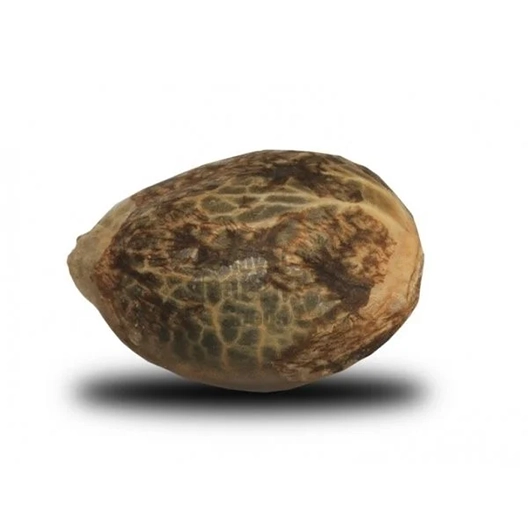
Cultivating Blue Afghani Cannabis Seeds: A 50-Step Guide
- Research Legalities: Before you start, ensure that cultivating cannabis is legal in your jurisdiction.
- Seed Selection: Ensure you’re sourcing genuine Blue Afghani cannabis seeds from a reputable seed bank.
- Germination Space: Designate a clean, warm space for seed germination.
- Soil Selection: Choose a high-quality organic potting mix or specialized cannabis soil.
- Container Choice: Opt for pots with drainage holes, 3-5 gallons in size for mature plants.
- Soak Seeds: Immerse seeds in lukewarm water for 12-24 hours to expedite germination.
- Prepare Pots: Fill pots ¾ full with your chosen soil.
- Sow Seeds: Plant seeds about 1 inch deep, with the pointed end facing down.
- Moisture Maintenance: Ensure soil remains consistently moist, but not waterlogged.
- Temperature Regulation: Maintain a consistent temperature of 70-80°F (21-27°C) for germination.
- Monitor Growth: In 3-7 days, seeds should sprout.
- Light: Once sprouted, provide 18-20 hours of light during the vegetative stage.
- Choose Lights: Opt for full-spectrum LED lights or specialized cannabis grow lights.
- Maintain Distance: Place lights 24-30 inches above young plants, adjusting as they grow.
- Air Circulation: Ensure good ventilation with oscillating fans.
- Monitor Humidity: Maintain 60-70% humidity for seedlings, gradually decreasing as they mature.
- Watering: Water deeply and allow the soil to almost dry out between waterings.
- Nutrients: Introduce cannabis-specific nutrients at ¼ recommended strength, increasing gradually.
- Observe Growth: Monitor leaf color and vigor as indicators of health.
- Training: Consider low-stress training (LST) techniques for better light penetration.
- Pruning: Remove lower growth to redirect energy to top buds.
- Prevent Pests: Use natural predators like ladybugs or neem oil sprays.
- Routine Checks: Inspect plants daily for signs of diseases or pests.
- Adjust Lighting: As plants grow, raise the lights to prevent burning.
- pH Levels: Monitor the pH level of your water, aiming for 6.0-7.0.
- Transition to Flowering: After desired vegetative growth, reduce light to 12 hours to induce flowering.
- Support: Use stakes or trellis nets to support heavy branches.
- Nutrient Switch: Transition to bloom-specific nutrients to support flowering.
- Bud Development: Observe the formation of bud sites and trichomes.
- Monitor Odor: Blue Afghani can be aromatic; consider carbon filters if necessary.
- Avoid Stress: Ensure stable conditions to prevent plant stress during flowering.
- Flush: About two weeks before harvesting, flush plants with plain water to remove nutrient buildup.
- Trichome Check: Monitor trichome color (a magnifying glass helps) to determine harvest readiness.
- Harvesting: When trichomes are mostly milky with some amber, it’s time to harvest.
- Trimming: Remove large fan leaves and trim excess plant material.
- Drying: Hang trimmed buds in a dark room with 50% humidity and good ventilation.
- Monitor Drying: Buds should dry for about 7-14 days until stems snap but aren’t too brittle.
- Curing: Place dried buds in glass jars, filling them ¾ full.
- Burping: Regularly open jars for a few minutes each day to facilitate the escape of moisture and the entry of fresh air.
- Check Moisture: Ensure buds aren’t too wet, which can lead to mold.
- Long-Term Curing: For best flavor, cure buds for at least 4-6 weeks.
- Storage:Ensure the long-term preservation of cured buds by storing them confidently in a cool, dark location.
- Monitor Regularly: Check stored buds for mold and ensure they remain dry.
- Reflection: Assess the growth process, identify areas of improvement.
- Documentation: Keep a grow journal, noting what worked and what didn’t.
- Clone Consideration: If you’re pleased with a plant, consider taking clones for the next cycle.
- Continuous Learning: Engage in forums, read books, and learn from fellow growers.
- Experimentation: Each grow is an opportunity to experiment and refine your technique.
- Enjoy Responsibly: When ready, sample your Blue Afghani buds and appreciate the fruits of your labor.
- Plan for Next Grow: Use knowledge gained to enhance your next cultivation journey.
Remember, cultivating cannabis is both an art and science. While this guide provides a structured approach, always adapt based on your specific environment, tools, and preferences.
Blue Afghani Cannabis Seeds represent a robust hybrid strain, a marriage between Blueberry and Afghani genetics. This blend offers growers a host of benefits in terms of both plant resilience and quality of yield. However, the flowering periods for indoor and outdoor cultivation differ significantly.
Flowering Time Indoors:
Indoor cultivation provides a controlled environment, beneficial for Blue Afghani due to its specific light and temperature needs. When grown indoors, expect the flowering phase to span approximately 7 to 9 weeks. The plant responds well to techniques like Screen of Green (SCROG) and Sea of Green (SOG), allowing for optimal light distribution and, consequently, maximizing yield. During this period, the grower must exercise vigilance to maintain consistent temperature and humidity levels to actualize the full potential of the plant’s resinous buds.
Flowering Time Outdoors:
Blue Afghani grown in an outdoor setting requires a different timeline. The ideal harvest window in the Northern Hemisphere is late September to early October. Southern Hemisphere growers should target late March to early April. The plant revels in the natural sunlight, although it is more susceptible to pests and variable weather conditions. Choosing the right harvest time is pivotal; premature or delayed harvesting can severely compromise the quality and potency of the bud.
In both scenarios, Blue Afghani showcases its illustrious deep blue hues and potent aromatics as the flowering stage nears its conclusion. A rich profile of terpenes and cannabinoids, including high THC levels, becomes apparent as the plant matures.
Thus, whether you opt for indoor or outdoor cultivation, a keen understanding of Blue Afghani’s flowering cycle is imperative for obtaining a bountiful and high-quality yield.
20 Insects That Pose a Threat to Seed Growth
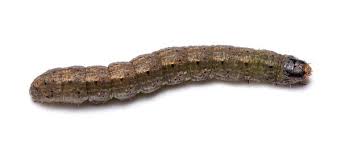
Effective pest management stands as an imperative facet of cultivating any cannabis strain, such as Blue Afghani, given the potential detrimental impact numerous insects can exert on both the health and yield of cannabis plants. Below, you’ll find a list of 20 insects that pose a threat to your Blue Afghani Cannabis.
- Spider Mites: Tiny arachnids that suck the sap from plants, leading to yellow stippling on leaves.
- Aphids: Small, soft-bodied insects that feed on plant sap, potentially introducing plant diseases.
- Whiteflies: Tiny, white-winged insects that suck plant juices, causing yellowing and reduced vigor.
- Thrips: Small, thin insects that feed on leaves and flowers, leading to silvered, scarred, or distorted growth.
- Leaf Miners: Larvae that tunnel inside leaves, causing visible meandering damage.
- Root Aphids: Aphids that live in the soil and feed on roots, reducing plant vitality.
- Fungus Gnats:These are diminutive, dark-colored flies whose larvae nourish themselves by consuming plant roots and organic material within the soil.
- Caterpillars (e.g., Corn Earworms): They chew on leaves and buds, causing significant physical damage.
- Grasshoppers: Larger insects that can consume significant amounts of foliage.
- Leafhoppers: Jumping insects that suck plant sap, causing curled, yellowed, or stippled leaves.
- Broad Mites: Microscopic mites that deform and discolor new growth.
- Russet Mites: Tiny pests that suck cell contents, leading to yellowing, bronzing, and leaf drop.
- Mealybugs: Soft-bodied insects covered in a white, waxy substance; they suck plant sap and excrete honeydew.
- Scale Insects: Hard or soft-bodied insects that cling to stems and leaves, feeding on sap.
- Cutworms: Caterpillar larvae that cut off young plants at the base by feeding on stems.
- Cabbage Loopers: Caterpillars that eat large holes in leaves.
- Budworms: Caterpillars that feed on and within cannabis buds, often leaving droppings behind.
- Moths (e.g., Hemp Borers): Their larvae bore into stems, obstructing nutrient flow.
- Beetles (e.g., Flea Beetles): Small beetles that chew small holes or pits in leaves.
- Leaf Beetles: Insects that chew on leaves, leading to significant defoliation.
To protect your Blue Afghani Cannabis or any other strain, it’s essential to regularly inspect your plants, implement integrated pest management strategies, and use natural predators or organic insecticides when appropriate. Always aim for preventative measures rather than reactionary ones for best results.
Guidelines on Protecting Blue Afghani Cannabis from Harmful Insects
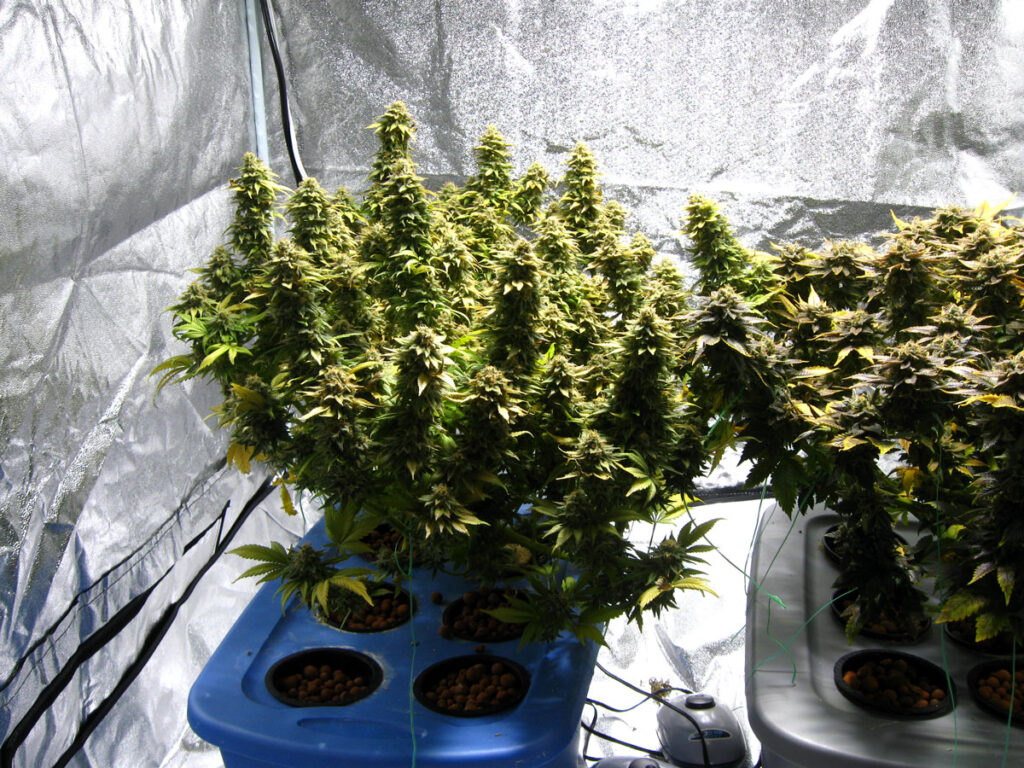
Preventing pest infestations is always more effective than treating them. Here’s a guideline to help safeguard your Blue Afghani Cannabis plants against harmful insects:
1. Start Clean:
- Always start with clean, sterilized pots and fresh soil.
- Ensure your grow space, whether indoors or out, is clean and free from plant debris.
2. Quarantine New Plants:
- If introducing new plants into your grow space, keep them separate for a week or two to ensure they’re pest-free.
3. Regular Inspections:
- Routinely inspect your plants, paying close attention to the undersides of leaves where many pests tend to congregate.
4. Maintain Proper Climate:
- Pests like spider mites thrive in hot, dry conditions. Maintain appropriate humidity and temperature to make the environment less hospitable for them.
5. Use Soil Covers:
- A layer of sand or diatomaceous earth on the soil’s surface can deter pests like fungus gnats.
6. Natural Predators:
- Release beneficial insects like ladybugs, predatory mites, and lacewings that feed on harmful pests.
7. Companion Planting:
- Planting basil, marigold, or chrysanthemum can deter certain pests. These companion plants act as repellents or trap crops.
8. Neem Oil:
- Regular sprays of diluted neem oil can act as a deterrent for a range of pests.
9. Insecticidal Soaps:
- Safe for plants and effective against soft-bodied pests like aphids and whiteflies.
10. Avoid Overwatering:
- Excessively moist soil has the potential to draw in pests, such as fungus gnats. Guarantee proper drainage and administer water judiciously to mitigate this issue.
11. Sticky Traps:
- Place yellow or blue sticky traps near plants to catch flying pests like whiteflies and winged aphids.
12. Diatomaceous Earth:
- Sprinkle this on the soil and plants. Its abrasive nature kills soft-bodied insects by dehydration.
13. Essential Oils:
- Sprays made from peppermint, rosemary, or eucalyptus oil can deter a range of pests.
14. Proper Air Circulation:
- Ensure fans are in place. Good air circulation makes it difficult for flying pests to land and lay eggs.
15. Remove Affected Plants:
- In the event of a substantial infestation, the most prudent course of action may involve removing and disposing of the plant to prevent the spread of pests.
16. Biological Pesticides:
- Products like Bacillus thuringiensis (BT) are effective against caterpillars.
17. Mesh Screens:
- If growing outdoors, use fine mesh screens to protect plants from larger pests like moths and beetles.
18. Crop Rotation:
- If cultivating multiple cycles outdoors, change the location of your cannabis crop each time to break pest life cycles.
19. Avoid Chemical Pesticides:
- These can harm beneficial insects and may leave toxic residues on your cannabis. If you must use them, ensure they are safe for edible plants and use sparingly.
20. Educate and Update:
- Stay informed about common cannabis pests in your region and keep abreast of organic pest control methods.
Remember, the key to successful pest management in cannabis cultivation is prevention, observation, and timely intervention. Adopt a holistic approach, focusing on the health of the entire growing environment rather than just treating visible symptoms.
In Conclusion
We may seek out specific cannabis strains like Blue Afghani in our lives for various reasons:
- Medicinal Benefits: Some strains offer therapeutic effects that can alleviate symptoms of various medical conditions, providing relief and improving our well-being.
- Recreational Enjoyment: Cannabis strains can enhance recreational experiences, promoting relaxation, creativity, and enjoyment.
- Cultivation Hobby: Growing unique strains like Blue Afghani can be a fulfilling hobby, connecting us with nature and teaching valuable cultivation skills.
- Cultural and Social Connection: Cannabis strains often have cultural or social significance, creating a sense of belonging and shared experiences within communities.
- Stress Relief: Certain strains, including Blue Afghani, may provide relaxation and stress relief, helping us manage the pressures of daily life.
- Aromatherapy: The aromatic qualities of strains like Blue Afghani can be used for aromatherapy, promoting relaxation and mental well-being.
- Sensory Experience: Cannabis strains offer a diverse range of flavors and aromas, enhancing our sensory experiences and providing a unique taste profile.
- Artistic or Creative Inspiration: For some, cannabis strains can inspire artistic or creative pursuits, encouraging self-expression.
- Exploration and Experimentation: Trying different strains like Blue Afghani allows us to explore the diverse world of cannabis, experimenting with different effects and flavors.
Ultimately, our choice to incorporate a particular cannabis strain into our lives is a personal one, driven by our individual needs, preferences, and goals.
| BEST USE | Anxiety, Depression, Insomnia |
|---|---|
| BLEND | 100% Indica |
| CBD LEVEL | Low (Less than 2%) |
| EFFECTS | Creative, Euphoric, Relaxed |
| FLAVOR | Earthy, Fruity, Sweet |
| FLOWERING PERIOD | 50-60 Days |
| GROWING DIFFICULTY | Intermediate |
| PLANT HEIGHT | Medium |
| THC CONTENT | 21% |
| TYPE | Indica |
Raleted Strains
-
 5th Element Cannabis SeedsFrom: $24.99
 -
Abusive OG Cannabis SeedsFrom: $24.99