Top 5 Solstice Medical Strains for Summer: A Comprehensive Guide
Introduction
The summer solstice, the longest day of the year, brings extended sunlight and warmth, ideal conditions for cultivating cannabis. For medical cannabis patients, selecting the right strains for the summer solstice is crucial for managing symptoms while maximizing yields. This comprehensive guide will delve into the top five medical cannabis strains perfect for the summer solstice, providing in-depth information on their origins, chemical profiles, medical benefits, and growing conditions. Emphasizing their medical use, this guide will help you make informed decisions about which strains best suit your therapeutic needs.
1. Harlequin
-
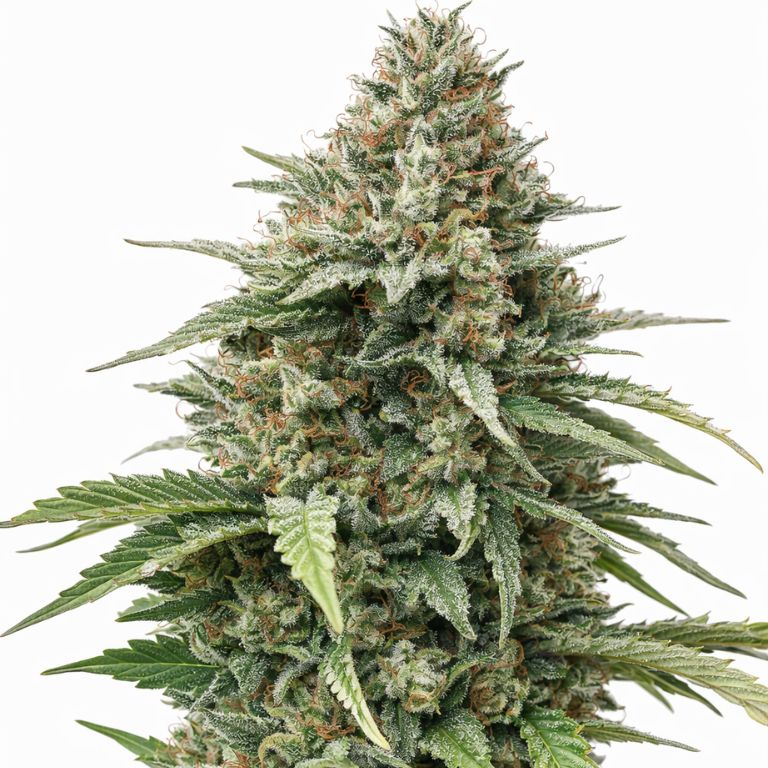
Harlequin CBD Cannabis SeedsFrom: $24.99
Origins
The sativa-dominant strain Harlequin is well-known for having a high CBD concentration and a low THC content. Its genetic lineage includes Colombian Gold, Thai, and Swiss landrace strains, contributing to its unique balance of cannabinoids. Developed to provide a non-psychoactive experience, Harlequin is a favorite among medical cannabis users seeking relief without the typical high associated with higher THC strains.
Chemical Profile
Harlequin’s chemical profile is characterized by a 5:2 CBD to THC ratio, with CBD levels often ranging between 8-16% and THC levels between 4-7%. This unique cannabinoid balance makes Harlequin a powerful strain for medical use, offering therapeutic benefits without significant psychoactive effects. The strain is also rich in terpenes such as myrcene, pinene, and caryophyllene, which enhance its medicinal properties.
- CBD: 8-16%
- THC: 4-7%
- Terpenes:
- Myrcene: Known for its sedative effects, myrcene helps in pain relief and relaxation.
- Pinene: This terpene contributes to Harlequin’s anti-inflammatory properties.
- Caryophyllene: Acts as an anti-inflammatory and analgesic, making it ideal for pain management.
Medical Benefits
Harlequin is renowned for its versatility in treating various medical conditions. The high CBD content makes it particularly effective for:
- Pain Relief: Harlequin’s CBD-dominant profile helps alleviate chronic pain without inducing a psychoactive high, making it suitable for daytime use.
- Anxiety and Depression: The calming effects of CBD, combined with the mood-lifting properties of THC, offer relief from anxiety and depressive symptoms.
- Inflammation: Harlequin’s anti-inflammatory properties are beneficial for conditions like arthritis and fibromyalgia.
- Muscle Spasms: Patients suffering from multiple sclerosis or other spasm-related conditions find relief with Harlequin.
Growing Conditions
Harlequin thrives in warm, sunny climates, making it an excellent choice for outdoor cultivation during the summer solstice. The strain requires consistent sunlight and a well-drained, nutrient-rich soil. Harlequin typically flowers in 8-9 weeks and can yield up to 21 ounces per plant when grown outdoors.
- Climate: Warm, sunny
- Soil: Well-drained, nutrient-rich
- Flowering Time: 8-9 weeks
- Yield: Up to 21 ounces per plant (outdoors)
2. ACDC
-
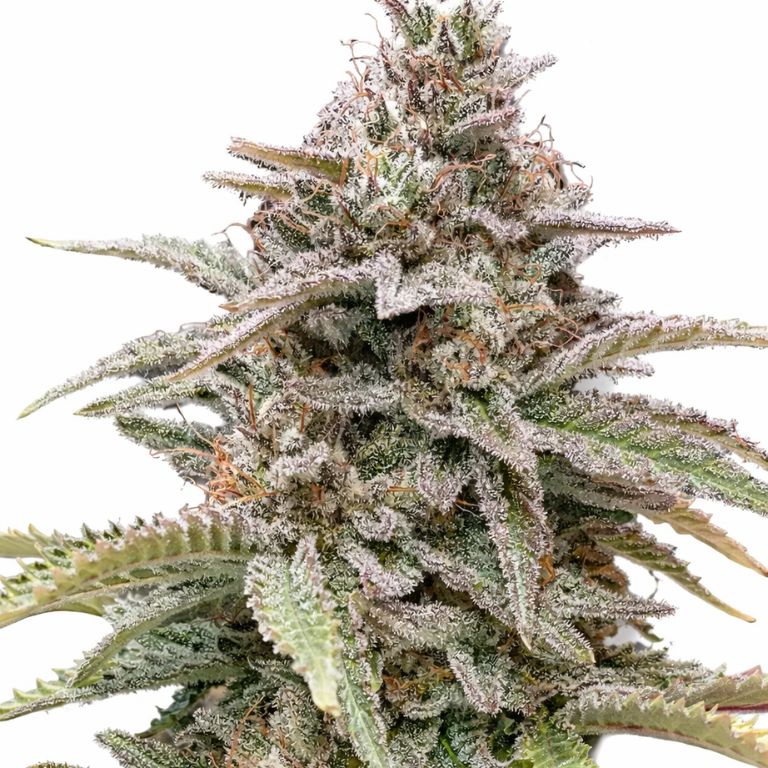
CBD ACDC Cannabis SeedsFrom: $24.99
Origins
ACDC is a Cannatonic strain phenotype that has been specially cultivated to yield high CBD levels with low THC levels. Its genetic lineage includes Ruderalis and other indica-dominant strains, giving it a stable growth pattern and low psychoactive effects. ACDC is particularly popular among medical cannabis users for its therapeutic benefits without the high.
Chemical Profile
ACDC is known for its remarkable CBD to THC ratio, often as high as 20:1, with CBD levels ranging from 16-24% and THC levels typically below 1%. This makes ACDC one of the most non-intoxicating medical cannabis strains available. The strain also contains terpenes such as myrcene, caryophyllene, and limonene, which contribute to its therapeutic effects.
- CBD: 16-24%
- THC: <1%
- Terpenes:
- Myrcene: Enhances the relaxing and anti-inflammatory properties of the strain.
- Caryophyllene: Provides anti-inflammatory and analgesic effects.
- Limonene: Renowned for its ability to reduce stress and improve mood.
Medical Benefits
ACDC is celebrated for its wide range of medical applications, particularly for patients seeking relief without psychoactive effects:
- Chronic Pain: Because ACDC has a high CBD level, it significantly reduces pain, especially for illnesses like arthritis and neuropathy.
- Anxiety and PTSD: The strain’s calming effects make it an excellent option for managing anxiety disorders and PTSD.
- Epilepsy and Seizures: ACDC is one of the most recommended strains for controlling seizures, particularly in patients with treatment-resistant epilepsy.
- Cancer-Related Symptoms: ACDC can help alleviate nausea, pain, and appetite loss associated with cancer and its treatments.
Growing Conditions
ACDC is a resilient strain that can be grown both indoors and outdoors, though it prefers a warm, sunny climate. Although the variety takes 9–10 weeks to flower, producers are rewarded with large harvests. ACDC requires regular pruning to maintain airflow and prevent mold, especially in humid conditions.
- Climate: Warm, sunny
- Soil: Well-drained, slightly acidic
- Flowering Time: 9-10 weeks
- Yield: Up to 14 ounces per plant (outdoors)
3. Cannatonic
-
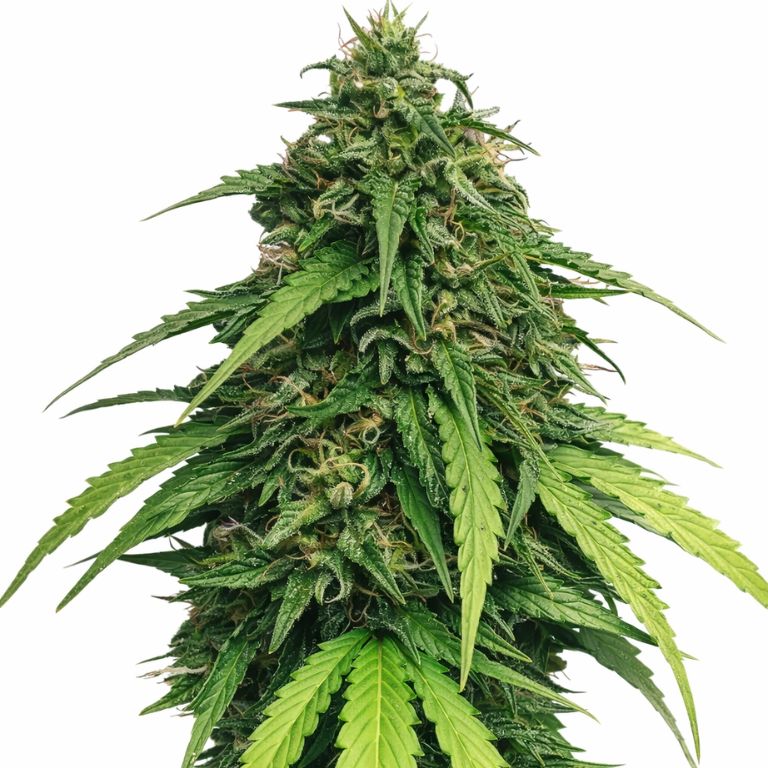
Cannatonic CBD Cannabis SeedsFrom: $24.99
Origins
A hybrid strain known as Cannatonic was produced by mating MK Ultra with G13 Haze. Developed specifically for medical use, Cannatonic is known for its high CBD content and balanced effects. It was one of the first strains to gain popularity for its medicinal properties, particularly for patients seeking relief without strong psychoactive effects.
Chemical Profile
Cannatonic typically exhibits a 1:1 CBD to THC ratio, with CBD levels ranging from 6-17% and THC levels between 6-12%. This balanced cannabinoid profile makes Cannatonic ideal for medical users who require the therapeutic benefits of both CBD and THC. The strain is also rich in terpenes like myrcene, pinene, and limonene.
- CBD: 6-17%
- THC: 6-12%
- Terpenes:
- Myrcene: Provides sedative and anti-inflammatory effects.
- Pinene: Offers anti-inflammatory and bronchodilator benefits.
- Limonene: Enhances mood and reduces stress.
Medical Benefits
Cannatonic is widely used in the medical cannabis community for its versatile therapeutic effects:
- Pain Management: Cannatonic’s balanced CBD and THC content provides effective relief from chronic pain conditions, including migraines and fibromyalgia.
- Anxiety and Stress: The relaxing properties of the strain are helpful in the treatment of PTSD, anxiety, and stress.
- Muscle Spasms and Tension: Cannatonic is effective in reducing muscle tension and spasms, making it suitable for patients with multiple sclerosis or spinal cord injuries.
- Inflammation: The anti-inflammatory properties of Cannatonic are helpful in treating conditions like Crohn’s disease and arthritis.
Growing Conditions
Cannatonic is a versatile strain that can be grown indoors or outdoors. It prefers a Mediterranean climate with plenty of sunlight during the summer solstice. The strain yields moderate amounts and takes 9–10 weeks to blossom. Cannatonic requires regular monitoring for mold and pests, particularly in humid environments.
- Climate: Mediterranean, sunny
- Soil: Well-drained, nutrient-rich
- Flowering Time: 9-10 weeks
- Yield: Up to 18 ounces per plant (outdoors)
4. Ringo’s Gift

Origins
Ringo’s Gift is a hybrid strain named after cannabis activist Lawrence Ringo, known for his work in developing high-CBD strains. A cross between Harle-Tsu and ACDC, Ringo’s Gift is a sativa-dominant strain with a focus on therapeutic effects rather than psychoactivity. It is highly regarded in the medical cannabis community for its powerful CBD content.
Chemical Profile
Ringo’s Gift features a remarkable CBD to THC ratio, often as high as 20:1. CBD levels typically range between 15-20%, while THC levels are usually below 1%. This makes Ringo’s Gift an excellent choice for patients who need potent medicinal effects without a high. The strain is also rich in terpenes like pinene, myrcene, and caryophyllene.
- CBD: 15-20%
- THC: <1%
- Terpenes:
- Pinene: Contributes to anti-inflammatory and bronchodilator effects.
- Myrcene: Provides relaxation and pain relief.
- Caryophyllene: Acts as an anti-inflammatory and analgesic.
Medical Benefits
Ringo’s Gift is celebrated for its wide range of medical applications:
- Chronic Pain: The high CBD content makes Ringo’s Gift effective in managing chronic pain without causing intoxication.
- Anxiety and Depression: Patients who are struggling with anxiety, sadness, or PTSD can benefit from the strain’s relaxing benefits.
- Inflammation: Ringo’s Gift is an excellent choice for treating inflammatory conditions like arthritis and Crohn’s disease.
- Seizures: The strain is well-known for its ability to help people with epilepsy experience fewer and milder seizures.
Growing Conditions
Ringo’s Gift thrives in warm, sunny climates, making it ideal for outdoor cultivation during the summer solstice. The strain has a flowering time of 9-10 weeks and produces high yields. Growing Ringo’s Gift is not too difficult, but it needs to be pruned frequently to allow for good airflow and keep mold from growing.
- Climate: Warm, sunny
- Soil: Well-drained, nutrient-rich
- Flowering Time: 9-10 weeks
- Yield: Up to 18 ounces per plant (outdoors)
5. Charlotte’s Web

Origins
Charlotte’s Web is one of the most well-known medical cannabis strains, developed by the Stanley Brothers in Colorado. It was created especially for Charlotte Figi, a young child with Dravet syndrome, a severe form of epilepsy. Charlotte’s Web is a hemp-derived strain with an extremely low THC content, making it non-psychoactive and ideal for medical use.
Chemical Profile
Charlotte’s Web is renowned for its high CBD content, typically ranging from 15-20%, with THC levels consistently below 0.3%. This makes it one of the most non-intoxicating strains available, ideal for patients who need medical relief without any psychoactive effects. The strain also contains terpenes like myrcene, pinene, and humulene, which enhance its therapeutic properties.
- CBD: 15-20%
- THC: <0.3%
- Terpenes:
- Myrcene: Provides sedation and anti-inflammatory effects.
- Pinene: Offers anti-inflammatory and bronchodilator benefits.
- Humulene: Known for its anti-inflammatory and appetite-suppressant properties.
Medical Benefits
Charlotte’s Web has gained international recognition for its effectiveness in treating various medical conditions:
- Seizures and Epilepsy: Charlotte’s Web is particularly effective in reducing the frequency and severity of seizures, especially in pediatric patients.
- Anxiety and PTSD: The strain’s high CBD content helps alleviate anxiety and PTSD symptoms without causing intoxication.
- Pain Management: Charlotte’s Web offers relief from chronic pain conditions, including arthritis and fibromyalgia.
- Inflammation: The strain’s anti-inflammatory properties make it suitable for treating inflammatory conditions like Crohn’s disease and ulcerative colitis.
Growing Conditions
Although it thrives in a variety of temperatures, Charlotte’s Web is a hardy type that favors a warm, sunny spot. It is typically grown outdoors to maximize its yield and cannabinoid content. The strain has a flowering time of 8-9 weeks and can produce up to 20 ounces per plant when grown outdoors. Charlotte’s Web requires well-drained, slightly alkaline soil and regular watering to thrive.
- Climate: Warm, sunny
- Soil: Well-drained, slightly alkaline
- Flowering Time: 8-9 weeks
- Yield: Up to 20 ounces per plant (outdoors)
Restrictions on Using These Strains in the Medical Field as a Last Resort
In the medical field, cannabis strains like Harlequin, ACDC, Cannatonic, Ringo’s Gift, and Charlotte’s Web are often considered for use when conventional treatments have failed. However, several restrictions and considerations must be taken into account when these strains are used as a last resort:
- Legal and Regulatory Restrictions:
- Approval and Certification: In many jurisdictions, the use of medical cannabis is tightly regulated, and only certain strains are approved for medical use. Medical professionals must ensure that the strains they prescribe are legally approved in their region.
- Controlled Substance Status: Despite their medical benefits, cannabis strains containing THC are classified as controlled substances in many countries. This classification can limit their use in medical settings, particularly for patients in sensitive populations, such as children or the elderly.
- Prescription Limitations: In some areas, medical cannabis can only be prescribed by specially licensed healthcare providers. Additionally, there may be limitations on the amount and type of cannabis that can be prescribed, particularly for strains with higher THC content.
- Ethical Considerations:
- Last Resort Use: Medical cannabis is often considered a treatment of last resort, meaning it is only prescribed when other treatments have failed. Physicians must carefully document all previous treatments and justify why medical cannabis is the best option for the patient.
- Patient Consent: Informed consent is crucial when prescribing medical cannabis, especially as a last resort. Patients must be fully informed about the potential risks and benefits, including the possibility of psychoactive effects, even with strains low in THC.
- Clinical Monitoring and Evaluation:
- Efficacy and Safety Monitoring: Continuous monitoring of the patient’s response to medical cannabis is essential, especially when used as a last resort. This includes tracking the efficacy of the treatment in managing symptoms and monitoring for any adverse effects.
- Adjusting Treatment Protocols: If a patient does not respond to a specific strain or experiences negative effects, medical professionals may need to adjust the treatment protocol, which could involve changing the strain, adjusting the dosage, or discontinuing the treatment altogether.
Monitoring THC Levels in Medications to Prevent Psychoactive Effects

Ensuring that THC levels in medical cannabis products remain low enough to prevent psychoactive effects is critical, particularly when treating vulnerable populations or using cannabis as a last resort. Here are some key considerations:
- Standardized Testing and Quality Control:
- Lab Testing: All medical cannabis products should undergo rigorous third-party lab testing to confirm their cannabinoid content. This testing ensures that THC levels are accurately reported and within the prescribed limits.
- Batch Consistency: Consistency across different batches of medical cannabis is essential to ensure that patients receive the same therapeutic effects without unexpected variations in THC levels.
- THC Thresholds in Medical Products:
- Low-THC Formulations: For strains like ACDC, Ringo’s Gift, and Charlotte’s Web, which are known for their high CBD and low THC content, formulations are specifically designed to keep THC levels below a certain threshold (often below 1% or 0.3%). This helps to prevent any significant psychoactive effects.
- Custom Formulations: In some cases, medical professionals may request custom formulations of cannabis oils, tinctures, or other products that meet specific THC-to-CBD ratios tailored to the patient’s needs. This is particularly useful in managing conditions like epilepsy or chronic pain, where low THC is crucial.
- Patient-Specific Considerations:
- Dosing and Administration: Careful attention must be paid to the dosing and administration of medical cannabis to minimize the risk of psychoactive effects. Lower doses of THC, combined with higher CBD levels, are generally preferred in medical settings.
- Pediatric and Geriatric Use: Special caution is necessary when prescribing medical cannabis to children or elderly patients. In these populations, even low levels of THC can cause unwanted side effects, so strains with negligible THC content, like Charlotte’s Web, are often preferred.
- Real-Time Monitoring and Adjustments:
- Patient Feedback: Regular patient feedback is vital in monitoring the effectiveness of the treatment and the presence of any psychoactive effects. Based on these comments, the treatment plan may need to be modified.
- Biomarker Testing: In some cases, healthcare providers may use biomarker testing to monitor THC levels in the patient’s system. This can help in adjusting dosages and ensuring that THC remains within a therapeutic range that avoids psychoactive effects.
Conclusion
The careful selection of medical cannabis strains during the summer solstice can significantly enhance therapeutic outcomes for patients. Harlequin, ACDC, Cannatonic, Ringo’s Gift, and Charlotte’s Web are exceptional strains known for their medical benefits, offering relief from conditions such as chronic pain, anxiety, inflammation, and epilepsy, without the strong psychoactive effects commonly associated with cannabis.
Each strain’s unique chemical profile, especially their high CBD and low THC content, makes them ideal for medical use, particularly in cases where conventional treatments have failed. Their suitability for warm, sunny climates makes the summer solstice an opportune time for cultivation, ensuring robust growth and high yields.
However, the use of these strains in the medical field is not without challenges. Legal restrictions, the necessity for patient consent, and the requirement for ongoing clinical monitoring are critical factors that must be managed carefully. Moreover, stringent control over THC levels is essential to prevent any unwanted psychoactive effects, especially in vulnerable populations such as children, the elderly, and those with severe medical conditions.
In conclusion, these top five medical solstice strains offer a powerful combination of therapeutic benefits and ease of cultivation. When used responsibly and under proper medical supervision, they can provide significant relief to patients, making them invaluable tools in the arsenal of medical cannabis. By ensuring that all legal, ethical, and clinical guidelines are followed, healthcare providers can maximize the benefits of these strains while minimizing potential risks, leading to better health outcomes for patients.