Medical Strain Review: Kahuna
-
Kahuna Cannabis SeedsFrom: $24.99
Origins of Kahuna
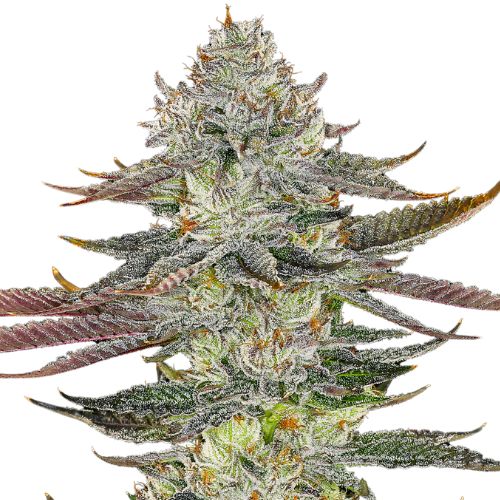
Kahuna is a balanced hybrid cannabis strain known for its unique combination of genetics that bring together multiple landrace and hybrid strains, including Jack Herer, Super Skunk, Skunk #1, and Hawaiian. This unique lineage provides Kahuna with a distinct genetic profile that is optimized for both medical use and therapeutic effects. Developed by Soma Seeds, Kahuna has gained popularity in the medical cannabis community for its balanced effects, combining both Indica and Sativa characteristics.
The origins of Kahuna trace back to the early 2000s when breeders sought to create a strain that could offer a balanced experience—both mentally stimulating and physically relaxing. The name “Kahuna,” a term that can mean “wise man” or “priest” in Hawaiian culture, reflects the strain’s potent effects that are believed to provide wisdom and relief to those using it for medical purposes.
The Hawaiian influence in its genetic makeup provides a tropical flavor and aromatic profile, while the Skunk and Super Skunk genetics contribute to its potency and robust growth characteristics. The inclusion of Jack Herer adds an uplifting and clear-headed effect, making Kahuna suitable for daytime use without inducing overwhelming sedation.
Chemical Profile of Kahuna
The chemical profile of Kahuna is characterized by a balanced mix of cannabinoids and terpenes that provide therapeutic benefits. The strain typically features a moderate THC content, ranging from 15% to 20%, which is considered moderate by medical standards. Its CBD levels are generally low, often below 1%, which means that its medical benefits are primarily derived from its THC and terpene content.
Cannabinoid Profile:
- THC (Tetrahydrocannabinol): Kahuna’s THC content typically ranges between 15% and 20%. The main psychoactive ingredient in cannabis, THC, has anti-inflammatory, anti-nausea, and pain-relieving qualities. In medical use, moderate levels of THC can help manage chronic pain, muscle spasms, and insomnia without causing extreme sedation.
- CBD (Cannabidiol): The CBD levels in Kahuna are relatively low, usually below 1%. CBD is non-psychoactive and is often used in medical cannabis for its potential anti-anxiety, anti-inflammatory, and seizure-reducing properties. Due to the low CBD content, Kahuna is more suitable for patients seeking THC-dominant therapeutic effects.
- CBG (Cannabigerol): Kahuna may contain trace amounts of CBG, another cannabinoid that has shown potential in research for its antibacterial and anti-inflammatory properties.
Terpene Profile:
- Myrcene: Myrcene, a terpene with sedative and muscle-relaxing properties, is the predominant one in Kahuna. Myrcene is also believed to enhance the absorption of cannabinoids in the body, making the therapeutic effects of THC more pronounced. This terpene may contribute to Kahuna’s effectiveness in treating pain and insomnia.
- Caryophyllene: Caryophyllene is known for its anti-inflammatory and analgesic properties. Among terpenes, it is distinct due to its capacity to engage with the body’s endocannabinoid system, particularly the CB2 receptors, which are involved in the reduction of pain and inflammation.
- Limonene: Limonene provides uplifting and mood-enhancing effects. It is frequently present in citrus fruits and is thought to have antidepressant and anti-anxiety qualities. Limonene may have a part in Kahuna’s potential application for reducing anxiety and depressive symptoms.
- Pinene: Pinene has anti-inflammatory and bronchodilator properties, which could benefit patients with respiratory issues or asthma. It also has a stimulating effect that may counterbalance some of the sedative properties of myrcene, making Kahuna a versatile strain for various medical applications.
Medical Benefits of Kahuna

Kahuna offers a range of medical benefits due to its balanced chemical profile, which combines moderate THC levels with a rich terpene profile. This combination provides therapeutic effects that can be useful for managing several medical conditions.
- Pain Management: Kahuna is frequently recommended for managing chronic pain conditions, including arthritis, fibromyalgia, and neuropathic pain. The combination of THC, myrcene, and caryophyllene helps reduce pain by modulating pain signals in the nervous system and reducing inflammation. The presence of myrcene enhances muscle relaxation, which can be particularly beneficial for patients with muscle spasms or cramps.
- Anxiety and Depression Relief: The strain’s terpene profile, especially limonene and pinene, contributes to its potential as an anti-anxiety and antidepressant treatment. Kahuna can provide an uplifting and mood-stabilizing effect, making it suitable for patients suffering from generalized anxiety disorder (GAD), social anxiety, and mild to moderate depression. The balanced THC levels allow for mood enhancement without causing paranoia or overstimulation, which can sometimes occur with high-THC strains.
- Insomnia and Sleep Disorders: Kahuna’s high myrcene content contributes to its sedative properties, making it effective for treating insomnia and other sleep disorders. Patients who struggle to fall asleep or stay asleep may benefit from Kahuna’s relaxing and sleep-inducing effects. The strain’s balanced profile ensures that it promotes relaxation without causing excessive drowsiness or a “couch-lock” effect, making it easier for patients to achieve restful sleep.
- Appetite Stimulation: Kahuna can also be used to stimulate appetite, which is particularly beneficial for patients undergoing chemotherapy or suffering from conditions like anorexia and cachexia. The strain’s THC content is known to trigger the release of ghrelin, a hormone that promotes hunger, making it a potential option for patients who need to gain weight or improve their nutritional intake.
- Muscle Relaxation and Spasm Relief: Kahuna’s combination of myrcene and THC makes it effective in relaxing muscles and relieving spasms. It is often recommended for patients with conditions such as multiple sclerosis (MS) and Parkinson’s disease, where muscle rigidity and spasms are common. The anti-inflammatory properties of caryophyllene also contribute to muscle relaxation and relief from spasticity.
- Anti-Inflammatory Effects: The anti-inflammatory properties of caryophyllene and THC make Kahuna a suitable choice for patients with inflammatory conditions, such as Crohn’s disease, rheumatoid arthritis, and other autoimmune disorders. The strain may help reduce inflammation at both the site of injury or irritation and within the body more broadly, potentially alleviating symptoms such as pain, swelling, and discomfort.
Restrictions on Using Kahuna in the Medical Field as a Last Resort

1. Regulatory Restrictions
In the medical field, cannabis strains like Kahuna are often subject to stringent regulations due to their psychoactive properties, primarily driven by THC content. The use of Kahuna as a last resort in medical treatment is typically governed by the following restrictions:
- Approval from Medical Authorities: In many countries, the use of cannabis strains such as Kahuna is restricted to specific conditions that have not responded to conventional treatments. Medical cannabis is usually only approved for use after exhaustive trials of other standard medications. Authorization from a certified medical practitioner is required, along with documentation that demonstrates the failure of conventional therapies.
- Specific Medical Indications: Only specific medical disorders, such as multiple sclerosis, severe spasticity, nausea brought on by chemotherapy, and persistent pain, may be treated with kahuna. Its use is often restricted to cases where other first-line treatments have proven ineffective or have caused severe side effects.
- Monitoring and Reporting Requirements: Healthcare providers prescribing Kahuna must adhere to strict monitoring and reporting requirements. This includes documenting the patient’s response to the medication, tracking any adverse effects, and regularly reviewing the appropriateness of continued use. The strain may need to be discontinued if it does not provide adequate therapeutic benefit or causes unacceptable side effects.
2. Medical Supervision and Monitoring of THC Levels
Due to its psychoactive properties, Kahuna’s THC levels must be carefully monitored in a medical setting to prevent unwanted psychoactive effects. The following practices are commonly employed to ensure patient safety:
- Dosage Regulation: Medical professionals usually start with the lowest effective dose to minimize the risk of psychoactive effects. A progressive adjustment of the dosage is made in accordance with the patient’s response, tolerance, and degree of symptoms. High doses of THC can lead to psychoactive effects, including euphoria, anxiety, paranoia, or cognitive impairment, which are undesirable in a medical context.
- THC Level Monitoring in Medications: Regular laboratory testing of cannabis-derived medications is necessary to ensure that THC levels remain within a therapeutic range. Medical-grade cannabis products, including those derived from the Kahuna strain, must undergo standardized testing to verify their cannabinoid content. This helps in maintaining consistent dosing and avoiding excessive THC concentrations.
- CBD-Enriched Formulations: To mitigate psychoactive effects, Kahuna may be blended with CBD-rich strains or extracts to balance its effects. Research indicates that CBD can mitigate certain psychotropic consequences of THC, including anxiety and paranoia. Therefore, formulations that combine both THC and CBD in a controlled ratio are often preferred in medical treatments.
- Patient Monitoring for Psychoactive Symptoms: Healthcare providers must closely monitor patients for any signs of psychoactive effects. This includes assessing cognitive function, mood, and behavior, particularly in populations more vulnerable to THC, such as the elderly, those with a history of mental illness, or pediatric patients. Any symptoms indicative of unwanted psychoactive effects should prompt a reassessment of the treatment regimen.
3. Restrictions on Patient Populations
Certain patient populations may face additional restrictions when using strains like Kahuna:
- Pediatric Use: The use of THC-rich strains such as Kahuna in pediatric patients is generally highly restricted due to concerns about the impact on brain development. When considered, it is typically only in cases of severe, treatment-resistant conditions, such as epilepsy, and is subject to stringent dosing and monitoring protocols.
- Elderly Patients: Elderly patients may be more susceptible to the psychoactive effects of THC due to age-related changes in metabolism and increased likelihood of comorbidities. As such, low doses and formulations with higher CBD content are often recommended, with careful monitoring for any cognitive or cardiovascular side effects.
- Patients with a History of Psychiatric Disorders: Individuals with a history of mental health issues, such as schizophrenia or severe anxiety, may face additional restrictions due to the risk of exacerbating their conditions. Medical practitioners often opt for strains with lower THC content or consider alternative therapies to avoid potential complications.
4. Legal and Institutional Policies
- Institutional Guidelines: Hospitals, clinics, and healthcare institutions may have specific guidelines regarding the use of cannabis strains like Kahuna. These policies could include restrictions on use, specific dosing protocols, and stringent monitoring requirements to align with best medical practices and legal frameworks.
- Insurance Limitations: Insurance providers may have limitations on covering cannabis-based treatments, including the use of specific strains such as Kahuna. Coverage may be contingent upon prior authorization, proof of medical necessity, and documented failure of other treatments.
Growing Conditions for Kahuna

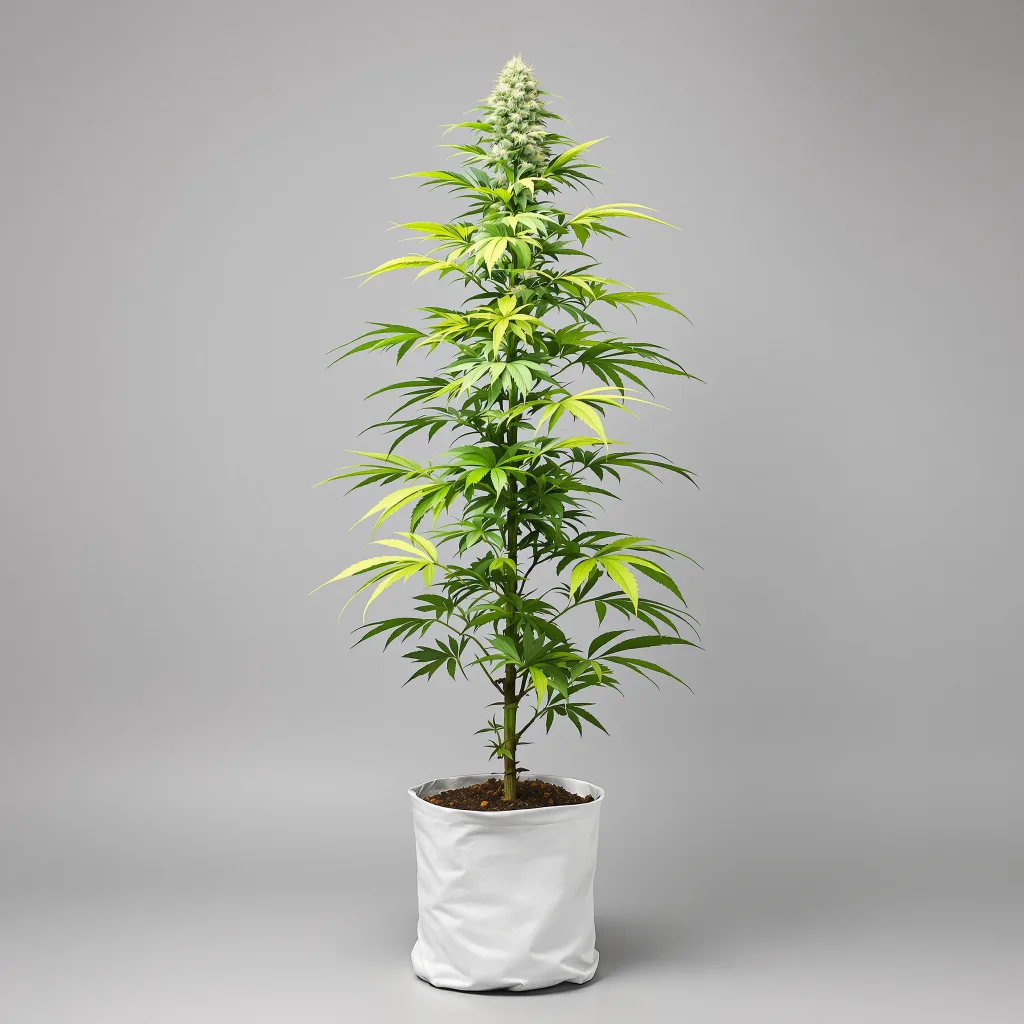
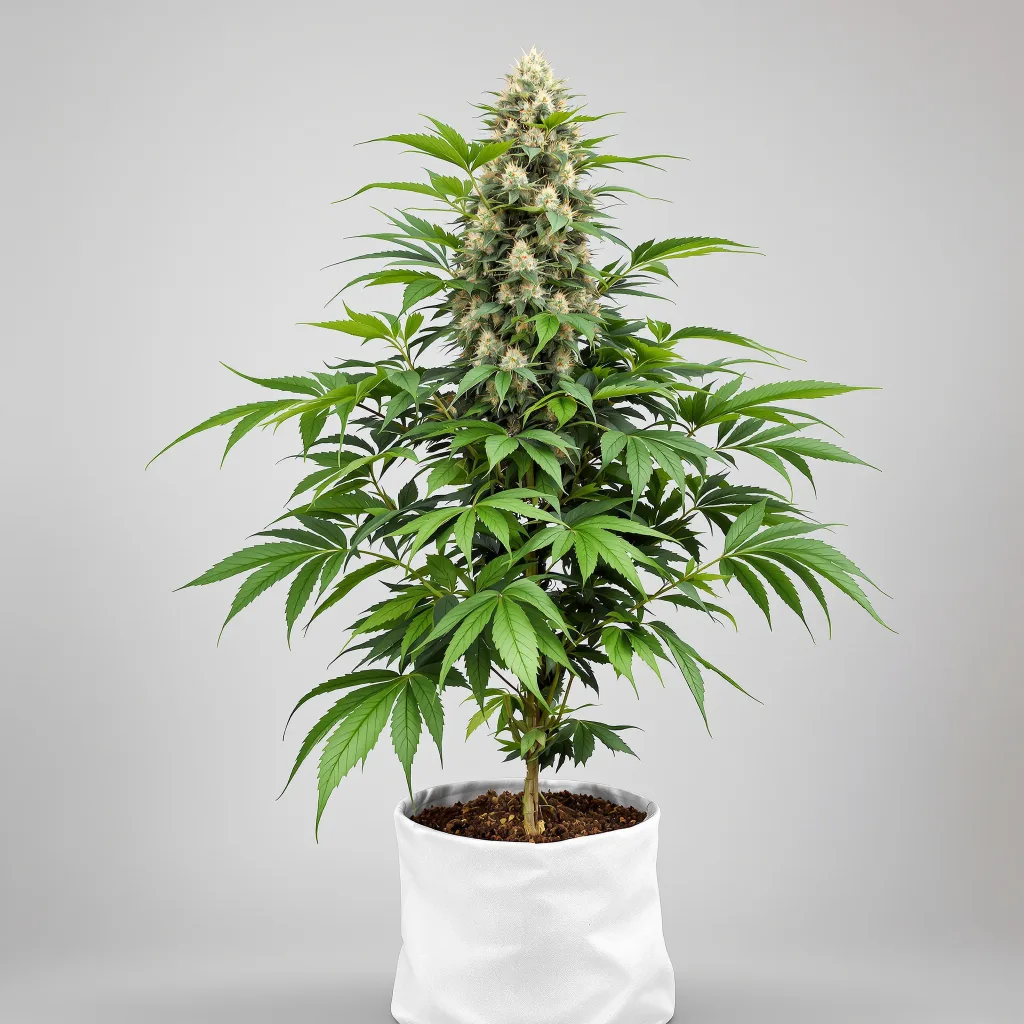
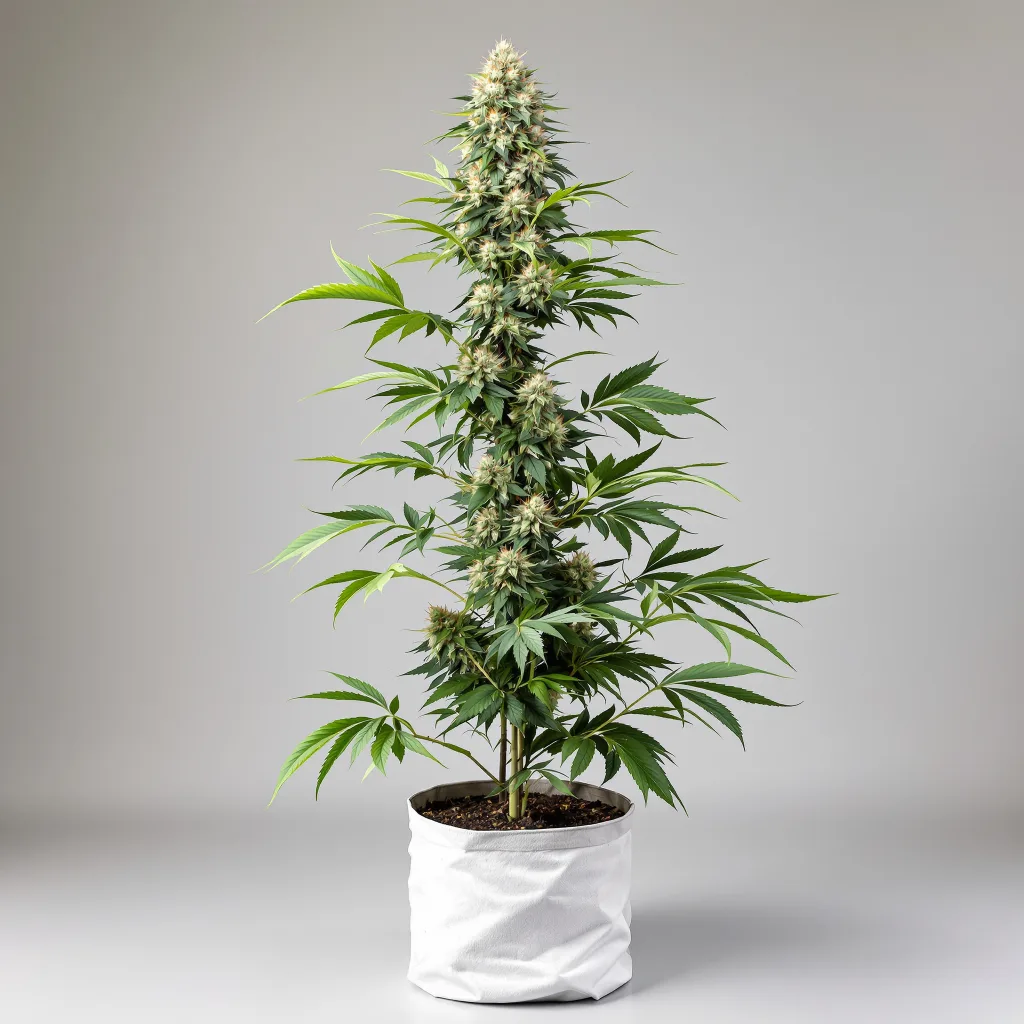
Kahuna is a moderately challenging strain to cultivate, suitable for growers with some experience. The strain can be grown both indoors and outdoors, but it flourishes in a controlled environment where temperature, humidity, and light can be carefully managed. When growing Kahuna, keep the following important growing conditions in mind:
- Climate: Kahuna prefers a warm, Mediterranean-like climate with temperatures ranging between 70-85°F (21-29°C). It is best grown in environments with low humidity to prevent mold and mildew formation. In outdoor settings, it should be planted in areas that receive plenty of sunlight and are sheltered from excessive rain or humidity.
- Soil and Nutrients: The strain grows best on nutrient-rich, well-draining soil that has a pH between 6.0 and 7.0, which is slightly acidic to neutral. Compost or other natural amendments added to organic soil can improve the terpene profile and overall potency of the buds. In order to encourage strong bud development, regular feeding with balanced nutrients is crucial. During the vegetative stage, concentrate on nitrogen, and during the flowering stage, increase phosphorus and potassium.
- Light Requirements: Light is what Kahuna loves, and when it’s in the vegetative stage, it gets best from 18 to 24 hours of light. In order to guarantee that plants growing inside receive sufficient light, full-spectrum LED or high-intensity discharge (HID) lamps are suggested. Achieving a light cycle of 12 hours of light and 12 hours of darkness during the flowering stage will promote the production of buds.
- Watering and Humidity: Watering plants on a regular basis is essential for good growth, but overwatering can result in illnesses and root rot. It’s important to keep the soil damp but not soggy. A relative humidity (RH) of 50–60% is optimum during the vegetative stage and should be gradually lowered to 40–50% during the flowering stage in order to avoid mildew and mold.
- Training and Pruning: Kahuna plants can benefit from training techniques such as topping, low-stress training (LST), and the Screen of Green (ScrOG) method to maximize light penetration and promote even growth. Pruning excess leaves and lower branches can help improve air circulation and focus the plant’s energy on bud development, resulting in higher yields and better-quality flowers.
- Flowering Time and Yield: Kahuna has a flowering time of approximately 9-11 weeks. The strain can yield moderate to high amounts when produced under ideal conditions. Yields for indoor growers are typically 400–500 grams per square meter, whereas yields for outdoor farmers can reach up to 600 grams per plant, contingent on cultivating techniques and environmental factors.
- Pest and Disease Resistance: Kahuna is moderately resistant to common pests and diseases, but it is still susceptible to issues like spider mites, aphids, powdery mildew, and mold. Regular monitoring, maintaining proper airflow, and employing preventive measures such as neem oil or organic insecticides can help protect the plants from infestations.
Conclusion
Kahuna is a balanced hybrid cannabis strain with a rich heritage, stemming from a blend of notable strains like Jack Herer, Super Skunk, Skunk #1, and Hawaiian. Its genetic diversity and balanced cannabinoid and terpene profile make it a versatile option in the medical cannabis field, particularly for managing a range of conditions from chronic pain to anxiety and insomnia. The combination of moderate THC levels and various therapeutic terpenes, including myrcene, caryophyllene, limonene, and pinene, contributes to its broad-spectrum efficacy.
Therapeutic Potential and Benefits: Kahuna’s therapeutic value lies in its ability to deliver both mental and physical relief. It is particularly effective for pain management due to its anti-inflammatory and analgesic properties, making it a suitable choice for patients with conditions like arthritis, fibromyalgia, and neuropathic pain. Additionally, its balanced chemical profile offers mental health benefits, helping alleviate anxiety, depression, and stress without causing severe sedation or overstimulation. Kahuna’s high myrcene content supports its use as a sleep aid, providing a natural alternative for patients with insomnia or sleep disorders, while its appetite-stimulating properties can be beneficial for those suffering from appetite loss due to chemotherapy or chronic illness.
Growing Considerations: The cultivation of Kahuna presents a moderate challenge, suitable for growers with some experience in cannabis cultivation. It thrives in a warm, Mediterranean-like climate and requires careful management of temperature, humidity, and light conditions to achieve optimal growth. The strain’s susceptibility to mold and mildew necessitates proper airflow and humidity control, particularly during the flowering stage. Training and pruning techniques can be employed to maximize yields, while regular monitoring for pests and diseases is crucial to protect the plants and ensure high-quality output. The flowering period of approximately 9-11 weeks allows for moderate to high yields, making it a rewarding choice for dedicated cultivators.
Restrictions and Monitoring in Medical Use: Despite its potential, the use of Kahuna in medical contexts is governed by strict regulations and limitations. Due to its THC content and the associated risk of psychoactive effects, Kahuna is often prescribed as a last resort when other standard treatments have failed. This requires thorough documentation of the patient’s medical history and an assessment of the appropriateness of its use for specific conditions. Additionally, healthcare providers must follow rigorous monitoring protocols to ensure patient safety, adjusting dosages as necessary and observing any signs of adverse effects. The potential for psychoactive side effects necessitates careful consideration in vulnerable populations, such as pediatric, elderly, or psychiatric patients, who may require lower doses or alternative therapies.
Regulatory and Institutional Framework: The use of Kahuna is also subject to varying regulatory frameworks depending on the region, and its prescription often requires approval from medical authorities. Institutional policies may dictate specific guidelines for its use, including monitoring requirements and restrictions on patient populations. Furthermore, insurance coverage for cannabis-based treatments can be limited, with providers requiring evidence of medical necessity and failure of other therapies.
Balanced Use for Optimal Medical Outcomes: To harness the full potential of Kahuna while minimizing risks, healthcare professionals often opt for formulations that balance THC with CBD to counteract any unwanted psychoactive effects. Regular lab testing of medical cannabis products is essential to maintain consistent THC levels and ensure safe dosing. Continuous patient monitoring for any symptoms of psychoactivity and regular reassessments of treatment efficacy help maintain a focus on therapeutic benefits while preventing adverse effects.
Final Assessment: Overall, Kahuna represents a promising option in the medical cannabis arsenal, offering a wide range of benefits for various conditions. To strike a balance between patient safety and therapeutic results, its use must be properly controlled. It serves as a valuable tool for those patients who have exhausted conventional options, providing relief where other treatments have failed. By adhering to regulatory standards, monitoring protocols, and patient-specific considerations, Kahuna can be effectively utilized to enhance quality of life for patients suffering from a variety of medical conditions.