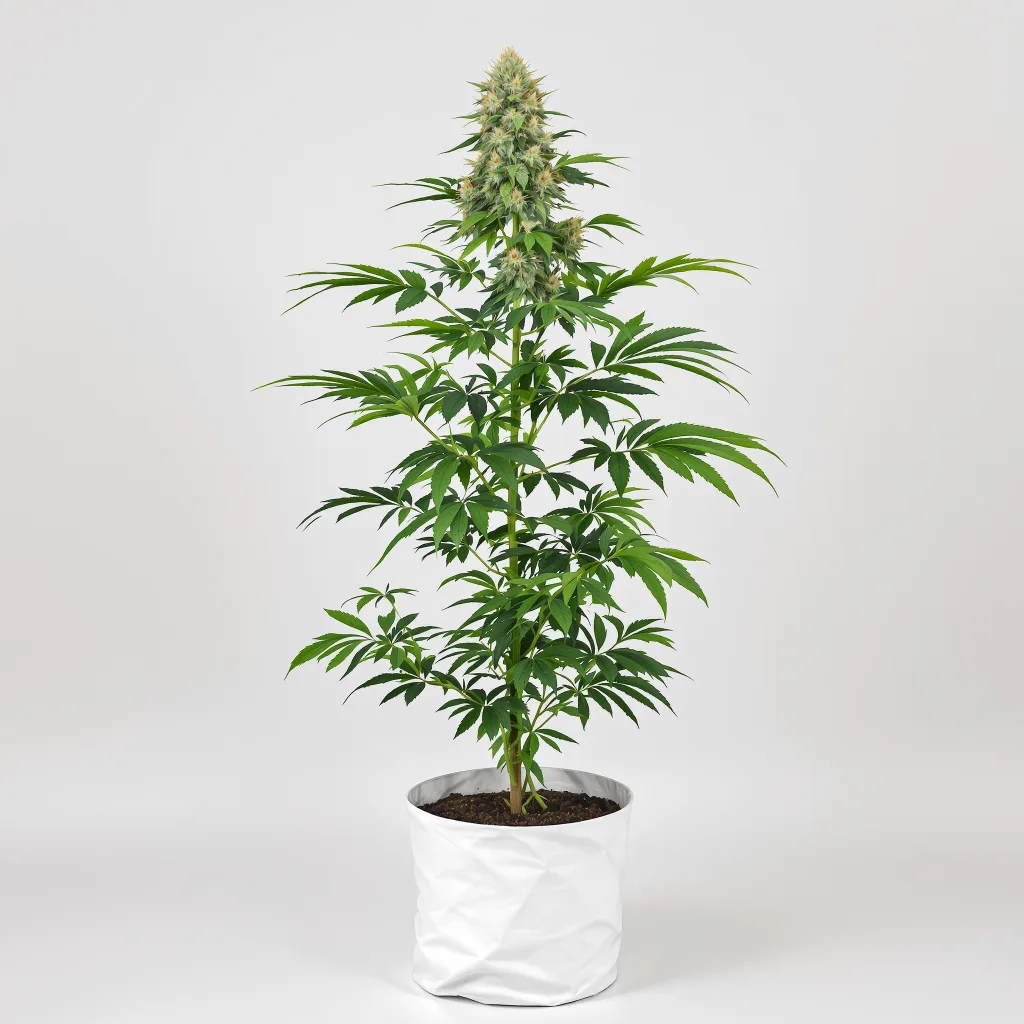
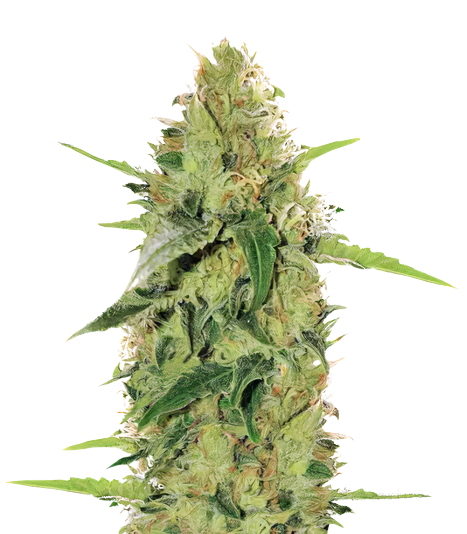
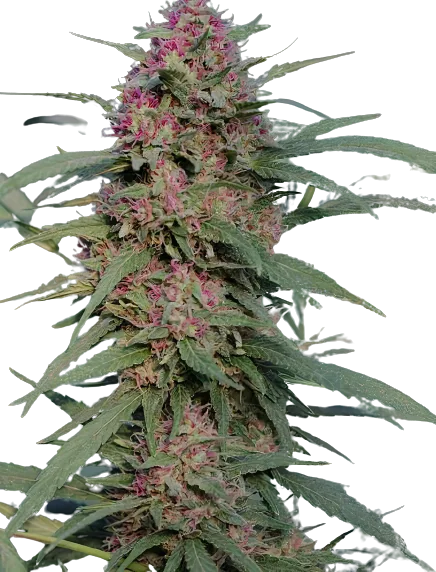
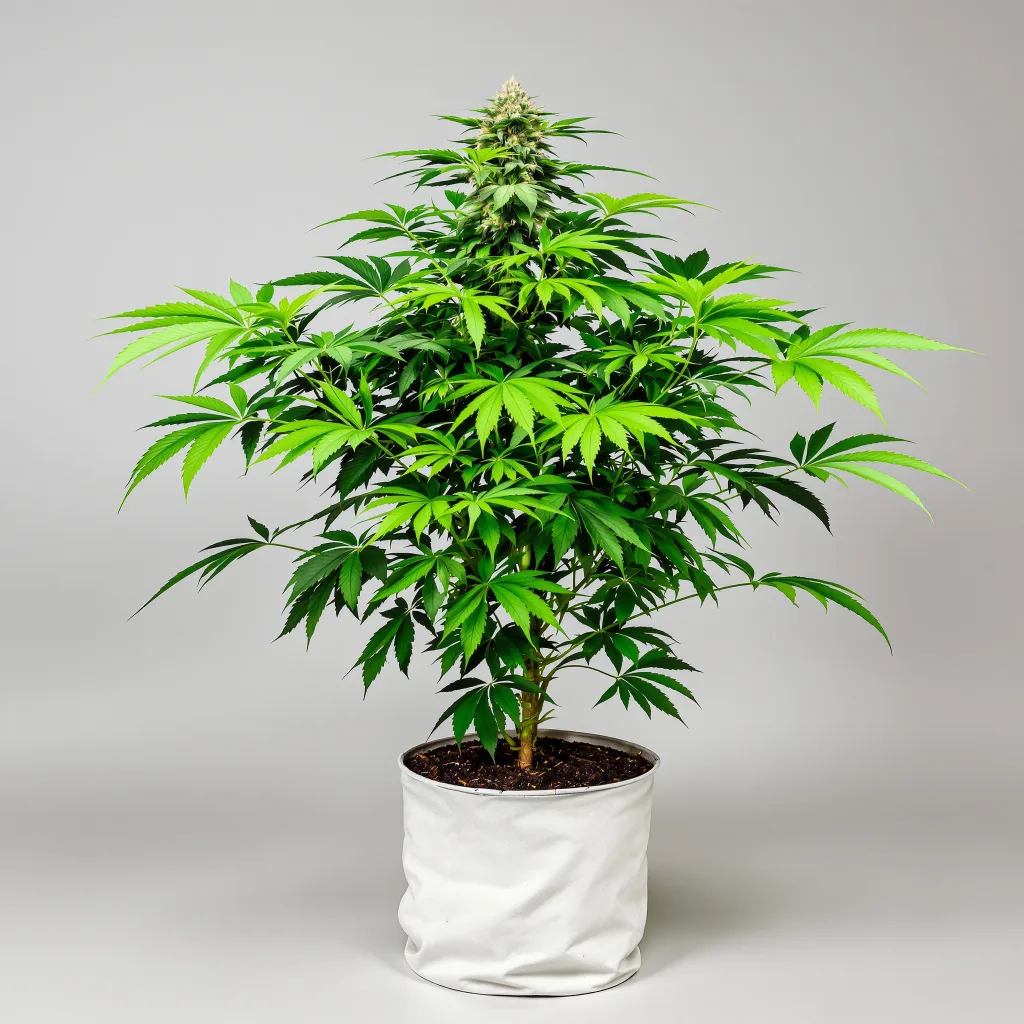
Medical Strain Analysis: Tutti Frutti
-
Tutti Frutti Cannabis SeedsFrom: $24.99
1. Introduction
Tutti Frutti is a vibrant and dynamic medical cannabis strain renowned for its potential therapeutic benefits and unique chemical profile. This strain is not only appreciated for its distinctive fruity aroma and flavor but also for its medicinal properties, which make it a valuable tool in the treatment of various medical conditions. This detailed analysis explores the origins, chemical composition, medical applications, and optimal growing conditions of Tutti Frutti, with a focus on its role in the medical field.
2. Origins and History of Tutti Frutti
a. Genetic Lineage
Tutti Frutti is a hybrid cannabis strain that traces its roots to a diverse lineage, blending genetics from several well-known strains to create a unique profile. The strain is typically derived from a cross between Blue Haze, Green Haze, and Sour Diesel, although variations may exist depending on the breeder. Each of these parent strains contributes specific traits to Tutti Frutti, resulting in a balanced hybrid with a wide range of effects.
- Blue Haze: A sativa-dominant hybrid known for its high THC content and uplifting effects. It contributes to Tutti Frutti’s euphoric and mood-enhancing properties.

- Green Haze: This strain is a variant of the classic Haze strain, which is renowned for its energizing and cerebral effects. It adds a layer of mental clarity and focus to Tutti Frutti.

- Sour Diesel: A sativa-dominant strain famous for its pungent aroma and invigorating effects. It provides Tutti Frutti with its characteristic energy boost and stress-relieving qualities.

b. Breeding and Development
Tutti Frutti was developed through careful breeding, aiming to create a strain that balances sativa and indica characteristics while offering a distinct flavor profile. Breeders selected parent strains that would contribute to both the therapeutic potential and the enjoyable sensory experience that Tutti Frutti is known for. The goal was to create a versatile strain that could be used for a variety of medical conditions while maintaining a pleasant and palatable flavor profile.
c. Popularity and Cultivation History
Tutti Frutti quickly gained popularity among medical cannabis users for its effectiveness in treating various ailments. Because of its well-balanced effects, it can be used both during the day and at night to relieve symptoms without causing excessive sedation in the patient. As the demand for flavorful and effective medical strains increased, Tutti Frutti became a staple in many dispensaries and medical cannabis programs, particularly in regions where the medical use of cannabis is legal.
3. Chemical Profile
The therapeutic potential of Tutti Frutti is closely linked to its chemical composition, which includes a wide range of cannabinoids, terpenes, and other beneficial compounds.
a. Cannabinoid Content
Tutti Frutti typically exhibits a balanced cannabinoid profile, with significant levels of both THC (tetrahydrocannabinol) and CBD (cannabidiol), although the exact ratio can vary depending on the specific phenotype.
- THC: Ranges from 16% to 22%, providing mild to moderate psychoactive effects. While THC is often associated with recreational use, in medical applications, it plays a crucial role in pain relief, appetite stimulation, and mood enhancement.
- CBD: Generally low in comparison to THC, usually ranging from 0.5% to 2%. CBD’s presence, even in small amounts, can modulate the effects of THC, reducing anxiety and minimizing potential adverse effects like paranoia.
- CBN (Cannabinol): Present in trace amounts. CBN is a breakdown product of THC and is known for its sedative properties, making Tutti Frutti potentially beneficial for sleep disorders.
b. Terpene Profile
Terpenes are fragrant substances that give cannabis strains their distinct flavor and perfume. Additionally, they contribute significantly to the plant’s therapeutic effects through the entourage effect, which is a synergistic interaction between terpenes and cannabinoids.
- Myrcene: The most abundant terpene in Tutti Frutti, myrcene contributes to the strain’s earthy and musky aroma. It has sedative and anti-inflammatory properties, making it effective in pain management and muscle relaxation.
- Limonene: Responsible for the citrusy undertones in Tutti Frutti’s aroma, limonene is known for its mood-enhancing and anti-anxiety effects. It might possibly have antifungal and antibacterial qualities.
- Caryophyllene: This spicy, peppery terpene is unique in its ability to interact with the body’s CB2 receptors, providing anti-inflammatory and analgesic effects. It is particularly beneficial for conditions involving chronic pain and inflammation.
- Pinene: Present in smaller amounts, pinene adds a refreshing pine-like aroma and has bronchodilator properties, which can be helpful for respiratory conditions. It also has anti-inflammatory and memory-enhancing effects.
- Linalool: Linalool, which has an aroma reminiscent of flowers and lavender, is known for its anxiolytic and soothing effects. It may help alleviate symptoms of anxiety and stress-related disorders.
c. Other Compounds
In addition to cannabinoids and terpenes, Tutti Frutti contains a variety of other compounds that contribute to its therapeutic profile:
- Flavonoids: These compounds are responsible for the strain’s vibrant colors and also offer anti-inflammatory, antioxidant, and neuroprotective effects.
- Essential Oils: The essential oils in Tutti Frutti contribute to its aromatic profile and may have additional therapeutic benefits, including antimicrobial and anti-inflammatory properties.
4. Medical Benefits
Tutti Frutti’s chemical composition makes it a versatile strain for medical use, addressing a wide range of conditions with varying degrees of severity.
a. Pain Management
One of the primary medical applications of Tutti Frutti is pain relief. The strain’s balanced THC content, combined with its terpene profile, makes it effective for managing both acute and chronic pain.
- Chronic Pain: Patients with conditions such as arthritis, fibromyalgia, and neuropathy may find relief with Tutti Frutti due to its anti-inflammatory properties and the analgesic effects of THC and caryophyllene.
- Acute Pain: For temporary pain conditions such as injuries or post-surgical pain, Tutti Frutti can provide significant relief without the heavy sedation associated with some indica-dominant strains.
b. Mental Health and Anxiety Relief
Additionally, Tutti Frutti works well for treating the symptoms of a number of mental health issues, most notably depression and anxiety.
- Anxiety: The presence of limonene and linalool helps reduce anxiety and stress, making Tutti Frutti suitable for patients dealing with generalized anxiety disorder, social anxiety, or situational anxiety.
- Depression: The uplifting effects of THC, combined with the mood-enhancing properties of limonene, can help alleviate symptoms of depression, providing a sense of well-being and emotional stability.
c. Inflammation and Autoimmune Disorders
The anti-inflammatory properties of Tutti Frutti are beneficial for patients with inflammatory and autoimmune conditions.
- Inflammatory Bowel Disease (IBD): Patients with conditions like Crohn’s disease or ulcerative colitis may experience symptom relief due to the strain’s ability to reduce inflammation in the gastrointestinal tract.
- Autoimmune Disorders: Conditions such as lupus, rheumatoid arthritis, and multiple sclerosis can be managed more effectively with Tutti Frutti, as its cannabinoids and terpenes work to modulate the immune response and reduce inflammation.
d. Neurological Conditions
Tutti Frutti has shown potential in managing certain neurological conditions, particularly those involving spasticity and seizures.
- Epilepsy: While CBD is typically more associated with anti-seizure properties, the entourage effect in Tutti Frutti may help reduce seizure frequency in some patients.
- Multiple Sclerosis (MS): The strain’s ability to reduce spasticity and pain makes it a viable option for MS patients looking for relief from muscle stiffness and cramps.
e. Potential for Cancer Treatment
Emerging research suggests that cannabinoids may have a role in cancer treatment, not only for symptom management but also for potential anti-cancer effects.
- Nausea and Vomiting: Tutti Frutti can help manage chemotherapy-induced nausea and vomiting, providing much-needed relief for cancer patients undergoing treatment.
- Appetite Stimulation: The strain’s ability to enhance appetite can counteract the appetite suppression often caused by cancer treatments, helping patients maintain a healthy weight.
- Pain and Inflammation: Cancer-related pain and inflammation can also be mitigated with Tutti Frutti, improving the overall quality of life for patients.
Restrictions on Using Tutti Frutti in the Medical Field as a Last Resort

The use of cannabis strains like Tutti Frutti in the medical field often comes with specific restrictions and guidelines to ensure patient safety, especially when considered as a last-resort treatment. These restrictions are generally set by regulatory bodies, healthcare institutions, and medical professionals to minimize potential risks and ensure that cannabis is used appropriately within medical contexts.
1. Guidelines for Last-Resort Use
When considering the use of Tutti Frutti as a last-resort treatment, several key factors must be taken into account:
- Exhaustion of Conventional Treatments: Tutti Frutti should only be considered after all conventional treatments and medications have been tried without adequate relief of symptoms. This is particularly important for conditions like chronic pain, severe anxiety, or neurological disorders where traditional therapies may have failed or caused intolerable side effects.
- Medical Supervision and Prescription: Tutti Frutti usage needs to be authorized and overseen by a licensed healthcare professional. It is highly discouraged to self-medicate or use cannabis without medical supervision because of the possibility of negative consequences and drug combinations.
- Risk-Benefit Analysis: A thorough assessment of the potential benefits and risks should be conducted. For example, patients with a history of psychiatric conditions, such as schizophrenia or severe anxiety, may not be ideal candidates due to the potential psychoactive effects of THC, which can exacerbate these conditions.
- Patient Consent and Education: Patients must be fully informed about the nature of cannabis therapy, including its potential side effects, interactions with other medications, and the psychoactive risks associated with THC. Written informed consent should be obtained, documenting that the patient understands the treatment and has agreed to proceed.
2. Monitoring THC Levels to Prevent Psychoactive Effects
Tetrahydrocannabinol, or THC, is the main psychoactive ingredient in cannabis. Its presence can have unintended repercussions, particularly for medical patients who are sensitive to its effects. In order to reduce these hazards, it is essential to monitor and control the amount of THC present in drugs made from Tutti Frutti.
Key Approaches to Monitoring and Managing THC Levels:
- Strain Selection and Cultivation Control:
- Selection of Phenotypes with Lower THC: Medical-grade cannabis cultivation should prioritize phenotypes of Tutti Frutti with a lower THC content, selecting those with a more balanced cannabinoid profile that includes higher CBD (cannabidiol) levels. This selection helps mitigate the psychoactive effects while still providing therapeutic benefits.
- Standardization in Cultivation: Consistent growing conditions, including controlled lighting, temperature, and nutrient management, are essential for producing plants with predictable cannabinoid profiles. Regular testing during cultivation ensures that THC levels remain within acceptable medical ranges.
- Laboratory Testing and Analysis:
- Cannabinoid Profiling: Before any product reaches patients, comprehensive laboratory testing must be conducted to quantify THC, CBD, and other relevant cannabinoid levels. This testing ensures that the product meets the standards set for medical use.
- Batch-to-Batch Consistency: Ensuring that each batch of Tutti Frutti-derived products has consistent cannabinoid content is critical. Variations in THC levels can lead to unpredictable effects, making precise dosing challenging for medical practitioners.
- Formulation of Medical Products:
- THC Limitation in Formulations: Medical cannabis products derived from Tutti Frutti should be formulated with THC levels kept as low as possible while maintaining therapeutic efficacy. This might include dilution with CBD-rich extracts to create a more balanced and less psychoactive product.
- Microdosing Techniques: To avoid psychoactive effects, patients may be started on microdoses, gradually increasing until therapeutic benefits are observed without significant side effects. This approach helps find the minimal effective dose of THC for symptom relief.
- Dosage and Administration Protocols:
- Low and Slow Approach: Initiating treatment with low doses and adjusting slowly over time allows medical professionals to carefully monitor patient response and minimize the risk of psychoactive effects.
- Patient Monitoring and Feedback: Continuous monitoring of patients, including regular check-ins and feedback mechanisms, helps adjust dosing protocols as needed. Monitoring should include assessments of cognitive function, mood, and overall well-being.
- Use of THC-Free Alternatives:
- CBD-Dominant Preparations: For patients who are particularly sensitive to THC, CBD-dominant or THC-free preparations derived from Tutti Frutti may be recommended. These substitutes can still have the anxiolytic, analgesic, and anti-inflammatory properties without having the THC’s euphoric effects.
- Regulatory Compliance and Documentation:
- Adherence to Legal THC Limits: Different jurisdictions have varying legal limits for THC in medical cannabis products. Ensuring that Tutti Frutti-derived products comply with these regulations is essential for legal use in medical settings.
- Detailed Patient Records: Documenting every aspect of cannabis treatment, including THC content, dosing, patient response, and any adverse effects, helps refine treatment protocols and provides a record of compliance with medical and legal standards.
Challenges and Considerations:
- Variability in Individual Response: Patients can respond differently to THC, even at low doses. The patient’s overall health, age, metabolism, and heredity can all have an impact on the psychoactive effects they experience.
- Potential Drug Interactions: THC may interact with other drugs, such as those processed by the cytochrome P450 system in the liver. This can alter the effectiveness of other drugs or increase the likelihood of side effects.
- Stigma and Misconceptions: Despite growing acceptance of medical cannabis, there remains a stigma associated with THC use due to its psychoactive properties. This stigma can affect patient acceptance and adherence to treatment.
5. Growing Conditions
Growing Tutti Frutti requires attention to detail, as the strain’s unique characteristics demand specific conditions to thrive.
a. Indoor Growing Techniques
Growers can manage environmental parameters including light, temperature, and humidity when cultivating Tutti Frutti indoors.
- Light Requirements: When the strain is in its vegetative stage, it needs 18 hours of light and 6 hours of darkness; during the flowering stage, it needs 12 hours of light and 12 hours of darkness.
- Temperature and Humidity: Optimal temperatures range between 70-80°F (21-27°C) during the day and slightly cooler at night. Humidity should be maintained at 40-50% during flowering to prevent mold growth.
- Nutrient Management: In order to promote bud development throughout the flowering stage, Tutti Frutti reacts favorably to a balanced nutrition regimen with a small concentration on phosphorus.
b. Outdoor Growing Techniques
Outdoor growing of Tutti Frutti is feasible in climates that offer warm temperatures and plenty of sunlight.
- Climate Requirements: The strain thrives in Mediterranean-like climates with long, warm summers and mild autumns. It is best planted after the last frost and harvested before the first frost of fall.
- Soil Preparation: Well-draining soil enriched with organic matter is ideal. pH levels should be maintained between 6.0 and 7.0 to ensure nutrient availability.
- Watering Schedule: Regular watering is essential, especially during dry spells, but care should be taken to avoid waterlogging, which can lead to root rot.
c. Climate and Environmental Requirements
Tutti Frutti is moderately resilient but requires a stable environment to reach its full potential.
- Temperature Tolerance: While the strain can tolerate slight fluctuations, extremes in temperature can stress the plant, affecting yield and potency.
- Pest and Disease Resistance: Tutti Frutti has moderate resistance to common pests and diseases, but proactive management is recommended, including regular inspections and the use of organic pest control methods.
d. Pest and Disease Management
- Common Pests: Pests like spider mites, aphids, and whiteflies are frequently found and can harm Tutti Frutti. Infestations can be controlled using organic therapies like neem oil and routine monitoring.
- Disease Prevention: Powdery mildew and mold can be issues, especially in humid conditions. Ensuring proper air circulation and maintaining appropriate humidity levels are key preventive measures.
e. Harvesting and Post-Harvest Considerations
Harvesting Tutti Frutti at the right time is crucial to maximize its therapeutic potential.
- Harvest Timing: The strain typically flowers within 8-10 weeks. Trichomes should be monitored for a milky white appearance, indicating peak cannabinoid content.
- Drying and Curing: The strain’s terpene and cannabinoid profile must be preserved by careful drying and curing. Buds should be cured for many weeks in sealed containers after being gradually dried in a cool, dark area.
Conclusion
Tutti Frutti is a unique and versatile medical cannabis strain that combines a complex genetic lineage, a distinctive chemical profile, and significant therapeutic potential. As a balanced hybrid, it offers a range of medical benefits, including effective pain management, anxiety relief, anti-inflammatory properties, and potential support for neurological conditions. The strain’s cannabinoid and terpene profiles work synergistically to provide these benefits, making it a valuable option for patients seeking natural alternatives when traditional treatments have proven inadequate.
However, the use of Tutti Frutti in the medical field is not without its challenges. Restrictions on its use, especially as a last resort, highlight the need for careful patient selection, informed consent, and thorough risk-benefit analysis. Monitoring THC levels is crucial to prevent unwanted psychoactive effects, ensuring that patients receive the therapeutic advantages of cannabis without compromising their safety or well-being.
Growing Tutti Frutti requires a precise approach, with specific environmental conditions and cultivation techniques needed to optimize its medicinal qualities. Both indoor and outdoor growing methods have their own sets of considerations, from light and nutrient requirements to pest management and harvesting practices.
Ultimately, Tutti Frutti stands out as a medically valuable strain with a broad range of applications. Its balanced effects and aromatic profile make it an appealing option for patients, while rigorous growing and testing standards help maintain its suitability for medical use. As the medical cannabis landscape continues to evolve, Tutti Frutti remains a noteworthy strain, embodying the potential of cannabis as a therapeutic tool when used responsibly and under professional guidance.