Get 15% OFF with code GROWNOW15
My Account Order Lookup Cannabis Guides Beginner Seeds Intermediate Seeds Master Seeds

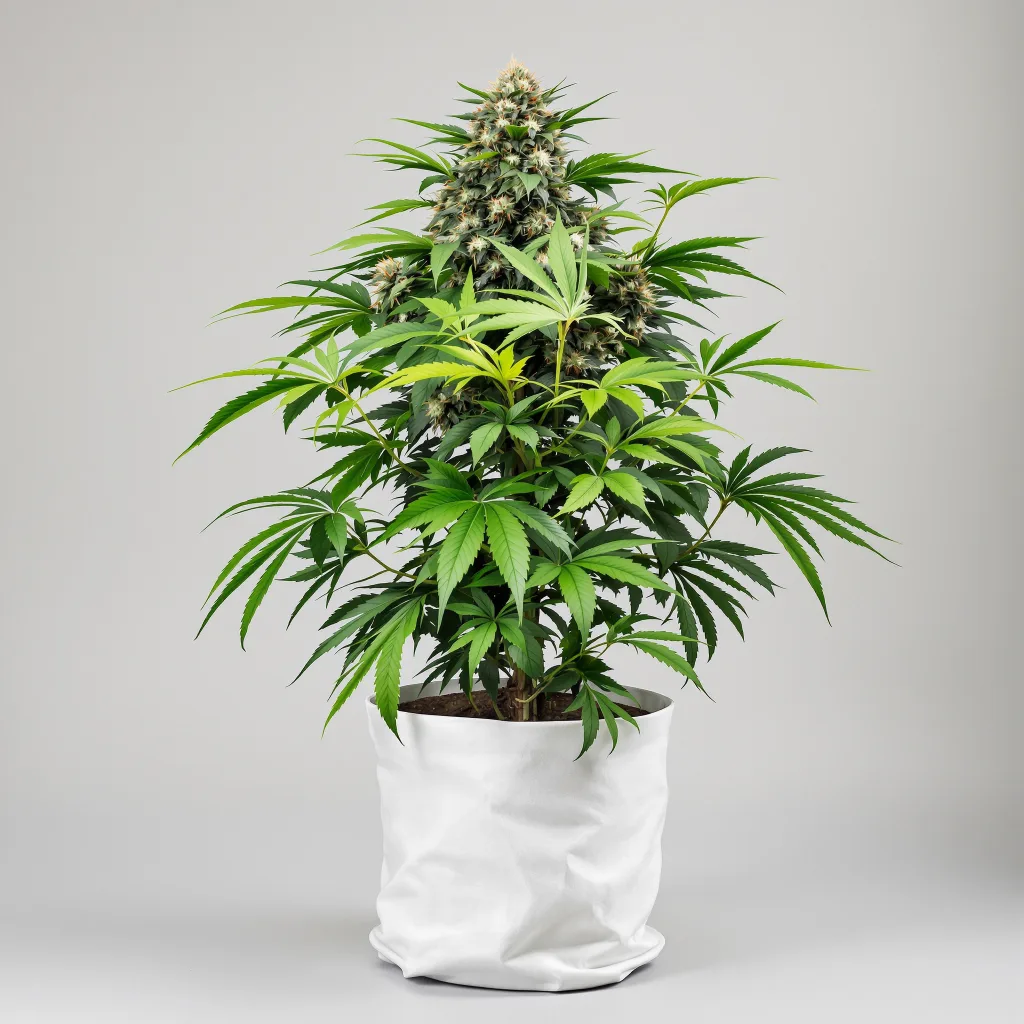
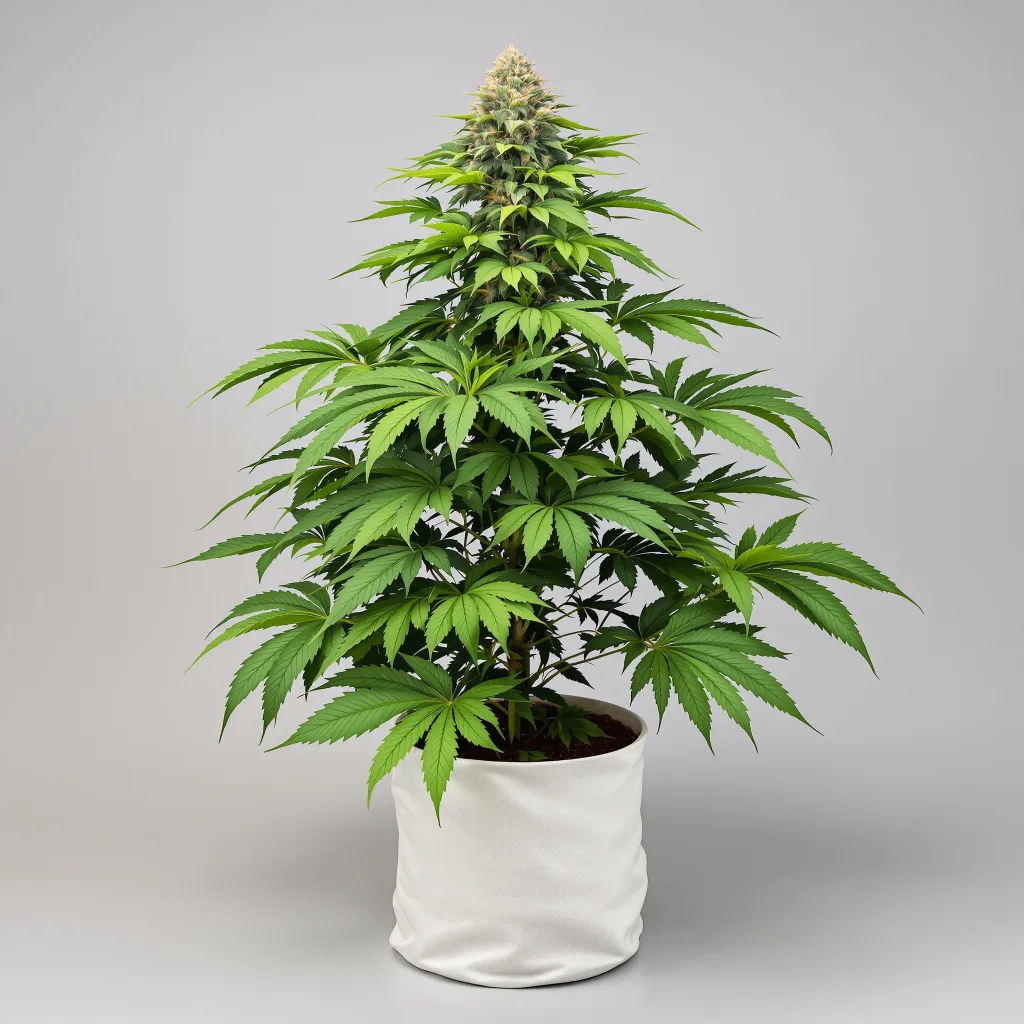
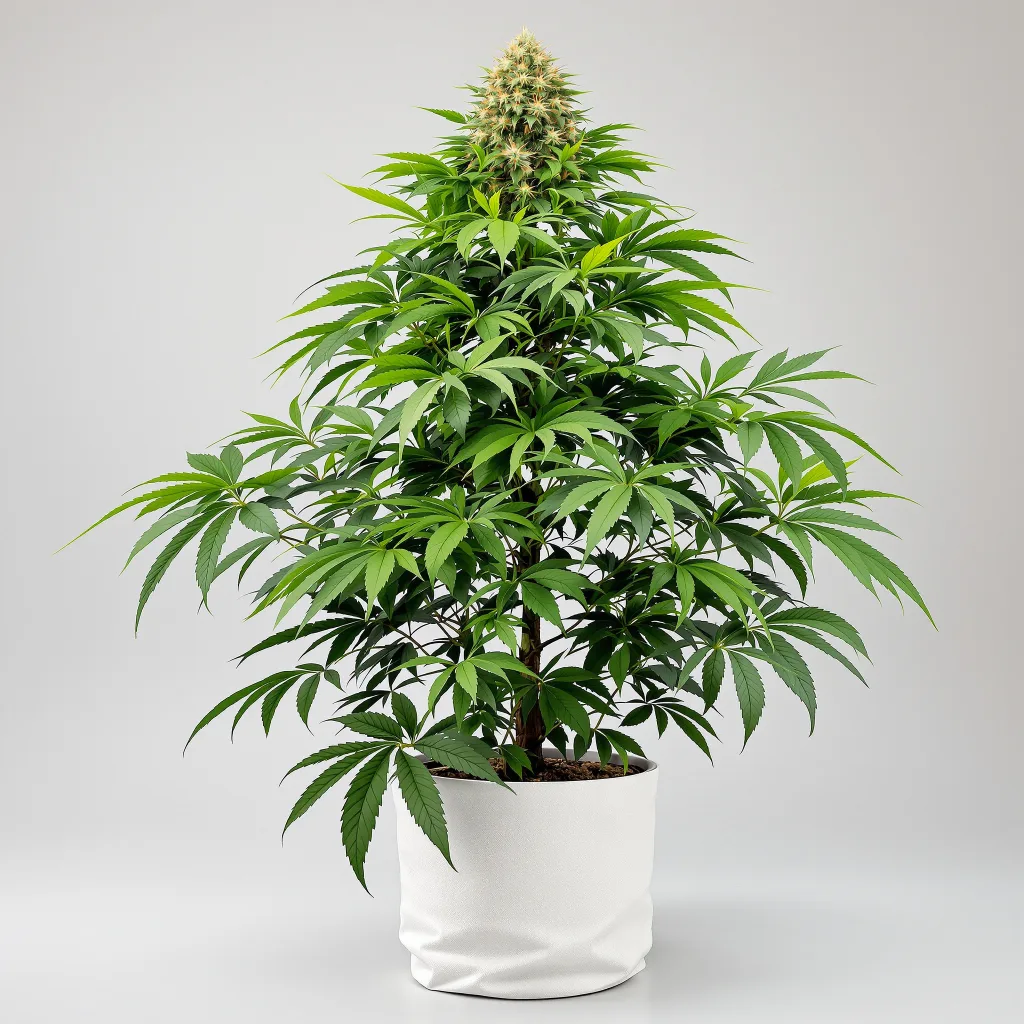
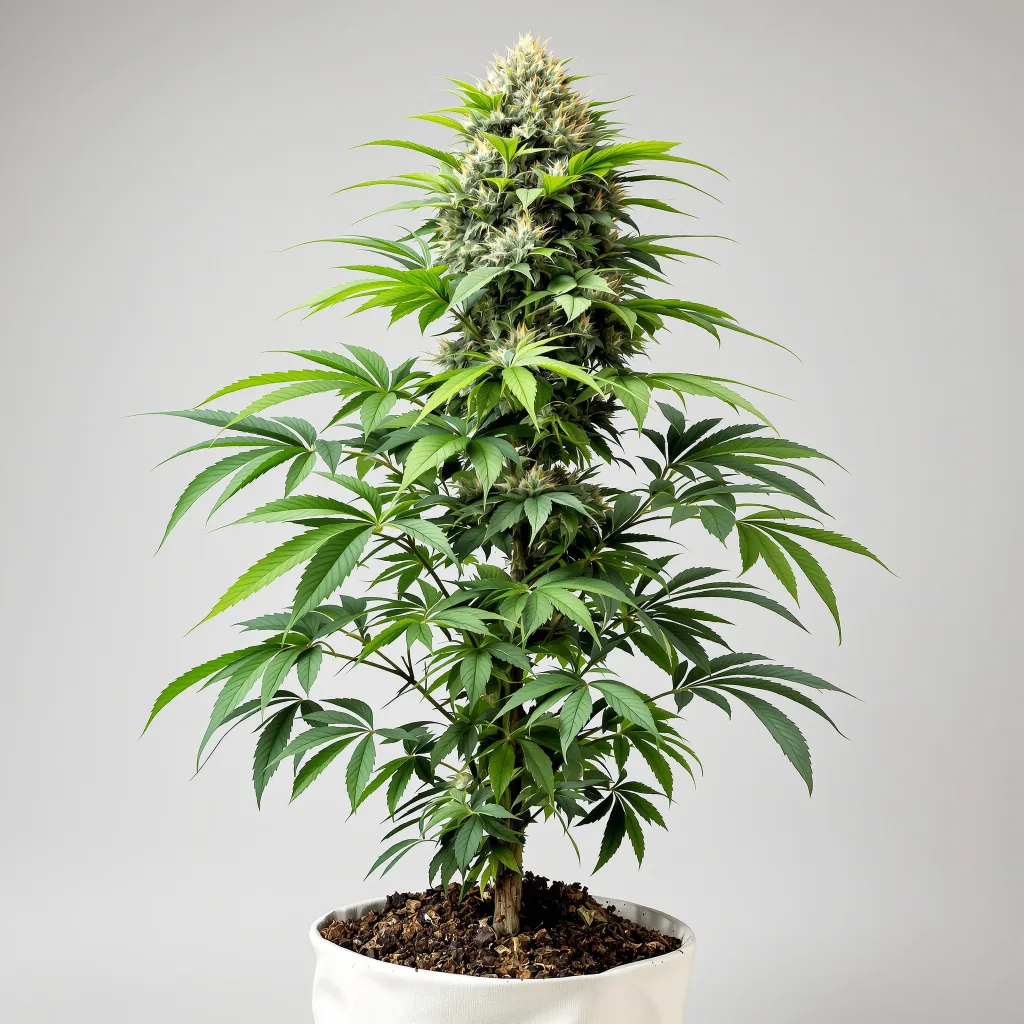
Strain Analysis: AK.

Medical Cannabis Strain Analysis: AK

Introduction

The cannabis strain known as “AK” has earned a prominent place in the medical cannabis community due to its versatile therapeutic properties and reliable growing characteristics. Known for its balanced effects and rich chemical profile, AK has become a preferred strain for various medical conditions. This detailed analysis will explore the origins of AK, its chemical composition, medical benefits, and optimal growing conditions, with a strong emphasis on its medical applications.

Origins of AK

The AK strain, often referred to as “AK-47” in popular culture, was first developed in the 1990s. Its name is derived from its powerful effects rather than any association with the firearm. The strain was created by Serious Seeds, a well-known seed bank that has been instrumental in the development of several award-winning cannabis strains.

AK is a hybrid strain, with its genetic lineage rooted in a mix of Colombian, Mexican, Thai, and Afghani landrace strains. These diverse origins contribute to its unique characteristics, combining the cerebral stimulation of sativa strains with the physical relaxation of indica strains.

  • Colombian Landrace: The Colombian landrace strains are known for their energetic and uplifting effects. These sativa-dominant strains contribute to AK’s ability to provide mental clarity and focus, making it an excellent choice for patients who need daytime relief without heavy sedation.
  • Mexican Landrace: Similar to the Colombian landraces, Mexican strains are sativa-dominant and are known for their euphoric and mood-enhancing properties. This component of AK’s genetic heritage enhances its ability to reduce anxiety and depressive symptoms.
  • Thai Landrace: Thai sativa landraces are known for their potent psychoactive effects, which are often accompanied by a sense of creativity and mental stimulation. This influence in AK’s genetics helps make it a valuable strain for those dealing with chronic fatigue or needing cognitive support.
  • Afghani Landrace: The Afghani landrace strain, an indica-dominant variety, contributes to AK’s physical relaxation and pain-relieving properties. This indica influence helps balance the more stimulating effects of the sativa genetics, making AK a well-rounded strain for medical use.

AK has won numerous awards since its inception, including the High Times Cannabis Cup, solidifying its reputation as a powerful and reliable strain for both growers and medical users.

Chemical Profile
Chemical Profile of AK strain

The chemical profile of AK is complex and rich, contributing to its diverse medical applications. The strain typically contains a balanced ratio of THC and CBD, along with a variety of terpenes that enhance its therapeutic effects.

  • THC Content: AK’s THC content typically ranges from 15% to 20%, though some phenotypes may have higher levels. Tetrahydrocannabinol, or THC, is the main psychoactive ingredient in cannabis and is in charge of the pain-killing, anti-inflammatory, and appetite-stimulating properties of certain strains. Despite being mostly linked to recreational usage, THC has a number of important medical uses, including the treatment of chronic pain, nausea, and sleeplessness.
  • CBD Content: AK generally has a low CBD content, usually less than 1%. Nonetheless, even minute concentrations of CBD can moderate the effects of THC, lowering possible anxiety and improving the strain’s general medicinal qualities. The anti-inflammatory, anti-anxiety, and neuroprotective qualities of CBD make it a crucial part of the strain’s health advantages.
  • Terpenes: Terpenes are fragrant substances present in cannabis that enhance its flavor, aroma, and medicinal qualities. Several important terpenes that are essential to AK’s medicinal effectiveness are included in its terpene profile:
    • Myrcene: Myrcene is one of the most common terpenes in cannabis and is known for its sedative and muscle-relaxing properties. It enhances AK’s ability to provide pain relief and relaxation, making it useful for patients with chronic pain or muscle spasms.
    • Caryophyllene: Among terpenes, caryophyllene is distinct due to its ability to interact with the body’s endocannabinoid system, particularly the CB2 receptors, which play a role in analgesic and anti-inflammatory reactions. This terpene helps explain why AK works so well for ailments including inflammatory bowel illness and arthritis.
    • Limonene: Limonene is known for its uplifting and mood-enhancing properties. It helps alleviate symptoms of anxiety and depression, making AK a suitable choice for patients dealing with mood disorders.
    • Pinene: Pinene is associated with increased alertness and memory retention. It can counteract some of the sedative effects of myrcene and enhance the strain’s suitability for daytime use, particularly for patients who need to maintain cognitive function while managing their symptoms.
    • Terpinolene: Terpinolene is less common but contributes to the strain’s overall complexity. It has antioxidant and antimicrobial properties, which may provide additional health benefits.
Medical Benefits

AK is renowned for its broad spectrum of medical applications, making it a versatile strain for patients with various conditions. Its balanced effects are particularly useful for those who need relief from both physical and mental symptoms without excessive sedation.

  1. Pain Management
    AK is highly effective in managing chronic pain, thanks to its combination of THC and myrcene. The strain’s analgesic properties can help alleviate pain from conditions such as fibromyalgia, arthritis, and migraines. Its capacity to lower inflammation, which frequently plays a role in the development of chronic pain, is further enhanced by the presence of caryophyllene.
    With AK, patients with neuropathic pain—which frequently responds poorly to conventional painkillers—may experience relief. The strain’s ability to modulate pain signals in the brain and reduce inflammation makes it a powerful tool in the management of neuropathy and other nerve-related pain conditions.
  2. Anxiety and Depression
    AK’s balanced effects make it an excellent choice for patients dealing with anxiety and depression. The presence of limonene and pinene helps uplift mood and reduce feelings of anxiety without causing excessive sedation. This makes AK suitable for daytime use, allowing patients to remain productive while managing their symptoms.
    The strain’s euphoric and mood-enhancing properties can also help alleviate symptoms of depression, particularly in cases where patients experience a lack of motivation or energy. The sativa influence in AK’s genetics provides a sense of mental clarity and focus, which can be beneficial for those struggling with depressive disorders.
  3. Sleep Disorders
    While AK is not as sedative as some indica-dominant strains, it can still be effective in managing sleep disorders, particularly when anxiety or pain is contributing to insomnia. The presence of myrcene and caryophyllene helps relax the body and mind, making it easier for patients to fall asleep and stay asleep.
    For patients who require sleep support but need to avoid excessive sedation during the day, AK can be a valuable option. The strain can help improve sleep quality without causing the grogginess often associated with more sedative strains.
  4. Appetite Stimulation
    Because of its high THC content, AK is a good strain for increasing appetite, which can be especially helpful for individuals undergoing chemotherapy or managing illnesses like HIV/AIDS. Patients’ general quality of life can be enhanced and their ability to maintain a healthy weight can be helped by the strain’s ability to decrease nausea and boost appetite.
    The presence of limonene may also contribute to the strain’s anti-nausea effects, making it a suitable option for patients dealing with gastrointestinal issues or those experiencing nausea as a side effect of medication.
  5. Inflammation and Autoimmune Disorders
    Patients suffering from inflammatory diseases like arthritis, Crohn’s disease, and multiple sclerosis can benefit greatly from AK due to the anti-inflammatory qualities of caryophyllene and the pain-relieving benefits of THC. Patients suffering from autoimmune illnesses may experience symptom relief and improved overall function as a result of the strain’s capacity to modify immune response and reduce inflammation.
    For patients with conditions such as lupus or rheumatoid arthritis, AK’s ability to reduce pain and inflammation can provide significant relief, allowing them to engage in daily activities with less discomfort.
  6. Cognitive Support
    AK’s sativa influence, particularly from the Colombian and Thai landraces, provides mental stimulation and cognitive support, which can be beneficial for patients dealing with conditions such as ADHD or chronic fatigue syndrome. The strain’s ability to enhance focus and clarity without causing excessive sedation makes it a suitable option for those who need to maintain cognitive function while managing their symptoms.
    The presence of pinene may also help improve memory and cognitive function, making AK a valuable strain for patients experiencing cognitive decline or those who need support with mental clarity.
Restrictions on Using AK in the Medical Field as a Last Resort
Cannabis Laws

In the medical field, the use of cannabis strains like AK is typically considered only when other treatments have proven ineffective or unsuitable. This “last resort” approach is due to several factors, including the need for careful monitoring of psychoactive effects and the potential for variability in patient responses.

  1. Psychoactive Effects: AK has a moderate to high concentration of THC, the main psychoactive ingredient in cannabis. While THC can provide significant therapeutic benefits, such as pain relief and anti-inflammatory effects, it also has the potential to cause unwanted psychoactive effects, including anxiety, dizziness, and impaired cognitive function. This is particularly concerning in patients who are sensitive to THC or those with a history of mental health issues.
  2. Patient Monitoring: When using AK as a last resort, it is crucial to closely monitor patients for any adverse effects, especially related to its psychoactive properties. Medical professionals must assess the patient’s tolerance to THC and adjust dosages accordingly to minimize psychoactivity while maximizing therapeutic benefits.
  3. THC Level Management: To prevent unwanted psychoactive effects, it is essential to monitor and control the THC levels in medications derived from AK. This can be achieved by selecting specific phenotypes of the strain with lower THC levels or by blending AK with CBD-rich strains to modulate the psychoactive effects. Additionally, precise dosing and patient education on the potential effects of THC are critical in ensuring safe and effective use.
  4. Regulatory Compliance: The use of high-THC strains like AK in medical settings is subject to strict regulatory oversight. Healthcare professionals are subject to state and federal laws governing cannabis use, many of which specify the highest THC content that can be found in medicinal goods. Maintaining adherence to these rules is essential to avoiding legal problems and safeguarding patient safety.
Growing Conditions
federal marijuana policy may be changing

Due to its relative ease of cultivation, AK is a well-liked option for both inexperienced and seasoned growers. It grows well in a variety of situations due to its hardiness and resistance to common pests and fungi.

  1. Climate and Environment
    AK thrives in both indoor and outdoor environments, though it prefers a warm and dry climate when grown outdoors. The strain’s Afghani genetics contribute to its resilience in less-than-ideal conditions, making it a good choice for growers in regions with fluctuating weather patterns.
    When grown indoors, AK benefits from a controlled environment where temperature and humidity levels can be carefully managed. The strain typically prefers temperatures between 70°F and 85°F (21°C to 29°C) during the day, with slightly cooler temperatures at night. Keeping humidity levels generally low is important to avoid mold and mildew, especially when the plant is in bloom.
  2. Soil and Nutrients
    AK is not particularly demanding when it comes to soil and nutrients, but like all cannabis plants, it benefits from a well-balanced growing medium. A high-quality potting mix with good drainage is ideal for this strain. Growers can enhance soil fertility with organic amendments such as compost, worm castings, and bat guano, which provide essential nutrients for healthy growth.
    During the vegetative stage, AK requires a nutrient mix high in nitrogen to support robust growth. As the plant transitions to the flowering stage, the nutrient mix should be adjusted to increase phosphorus and potassium levels, which are essential for bud development and overall yield.
    AK is a relatively fast-growing strain, with a flowering time of approximately 7 to 9 weeks. During this period, the plant’s nutrient needs will increase, and growers should monitor the plant closely to ensure it receives adequate nutrition without over-fertilization.
  3. Lighting and Photoperiod
    AK responds well to both natural sunlight and artificial lighting. When grown indoors, the strain benefits from high-intensity discharge (HID) lamps or LED grow lights, which can provide the necessary light spectrum for optimal growth. When a plant is in its vegetative stage, its light cycle should be 18 hours of light and 6 hours of darkness. When it comes to flowering, it should be 12 hours of light and 12 hours of darkness.
    Proper lighting is crucial for maximizing AK’s yield potential. Growers should ensure that the light source is positioned at an appropriate distance from the canopy to prevent light burn while providing adequate coverage for all parts of the plant.
  4. Training and Pruning
    AK responds well to various training and pruning techniques, which can help maximize yield and ensure even light distribution. Low-stress training (LST) and topping are common practices for this strain, encouraging bushier growth and preventing the plant from becoming too tall.
    Lower branches and leaves can be pruned to increase light penetration and air circulation, which lowers the possibility of mildew and mold growth. Additionally, removing excess foliage can direct the plant’s energy toward bud development, resulting in larger and more potent flowers.
    As AK is a relatively fast-growing strain, regular maintenance is essential to ensure the plant remains healthy and productive. Growers should monitor the plant for signs of nutrient deficiencies, pests, or other issues and address them promptly to prevent any negative impact on yield and quality.
  5. Harvesting and Curing
    AK is typically ready for harvest after 7 to 9 weeks of flowering, though some phenotypes may require a slightly longer maturation period. Growers should monitor the trichomes on the buds, which will change from clear to milky white and amber as the plant reaches peak potency.
    To optimize the medical benefits of this strain, harvesting must be done at the appropriate time. Early harvests may result in a more uplifting and cerebral effect, while later harvests can enhance the strain’s sedative properties.
    To maintain their flavor and potency, the buds need to be thoroughly dried and cured after harvest. The buds should be stored in a cool, dark, and well-ventilated area for the duration of the drying process, which usually takes seven to ten days. To improve the buds’ overall quality, flavor, and aroma, they should be cured for a few weeks in sealed containers once they have dried.
Conclusion

The AK strain, with its rich genetic lineage and balanced chemical profile, has earned a significant place in the medical cannabis community. Its unique combination of sativa and indica effects makes it an effective option for treating a wide range of medical conditions, from chronic pain and inflammation to anxiety, depression, and sleep disorders. The strain’s ability to provide relief without excessive sedation or cognitive impairment is particularly valuable for patients who require daytime symptom management.

Growing AK is relatively straightforward, making it accessible to both novice and experienced cultivators. Its resilience to various growing conditions and adaptability to different environments further enhance its appeal. With proper care, AK can produce high-quality yields that are potent and consistent, providing reliable medical relief to patients.

However, the use of AK in the medical field, especially as a last resort, comes with important considerations. The strain’s moderate to high THC content requires careful monitoring to prevent unwanted psychoactive effects, which can be particularly challenging in sensitive patients. Adherence to regulatory guidelines and precise patient monitoring are essential to ensuring that AK is used safely and effectively in medical treatments.

In conclusion, AK is a versatile and powerful medical cannabis strain that offers significant therapeutic benefits. Its balanced effects, ease of cultivation, and wide range of applications make it a valuable tool in the medical field. However, its use must be approached with caution, particularly concerning THC levels and potential psychoactive effects, to maximize its benefits while minimizing risks to patients. As medical cannabis continues to evolve, AK remains a reliable and respected option for patients and healthcare providers alike.

Share

Leave a comment

Your email address will not be published. Required fields are marked *