Get 15% OFF with code GROWNOW15
My Account Order Lookup Cannabis Guides Beginner Seeds Intermediate Seeds Master Seeds

Short-Season Success: Early-Finishing Seeds for Northern Latitudes

early-finishing cannabis seeds

Why I Rely on Early-Finishing Cannabis Seeds Up North

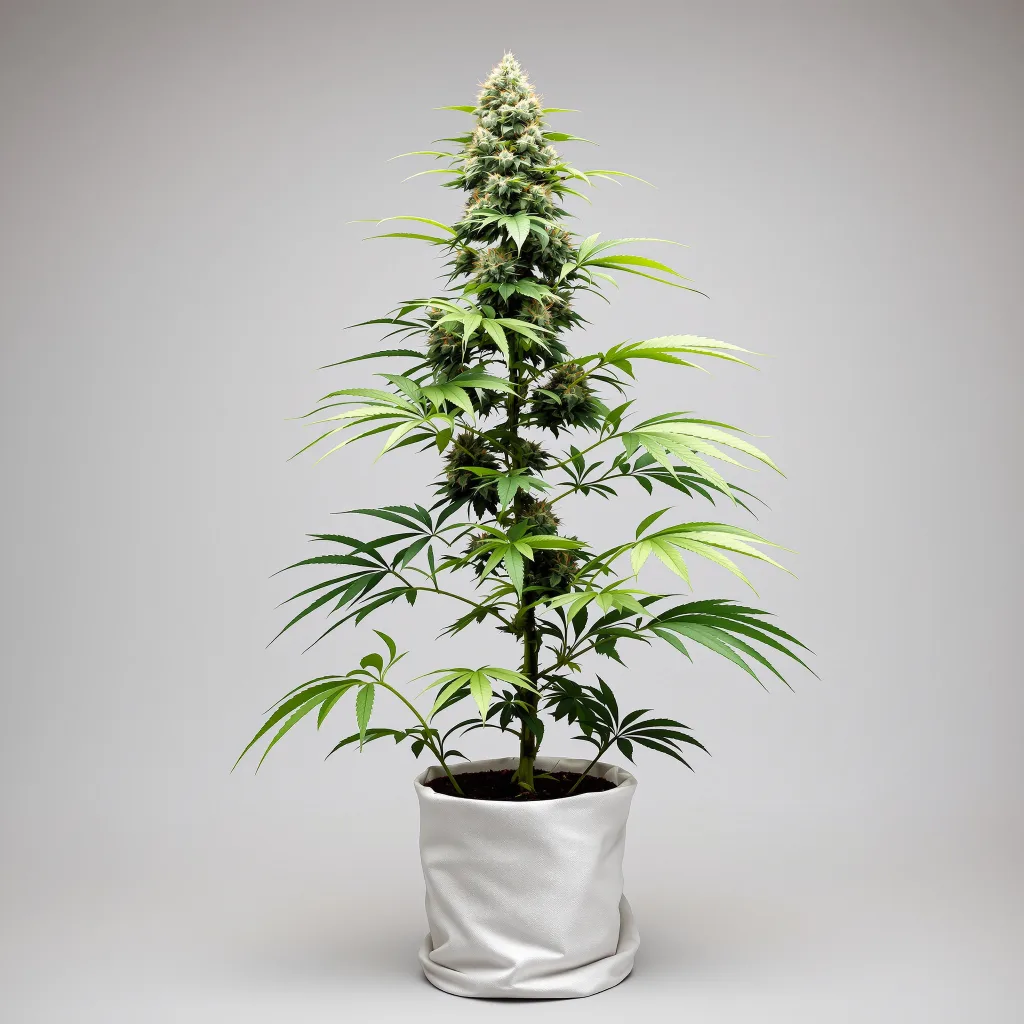
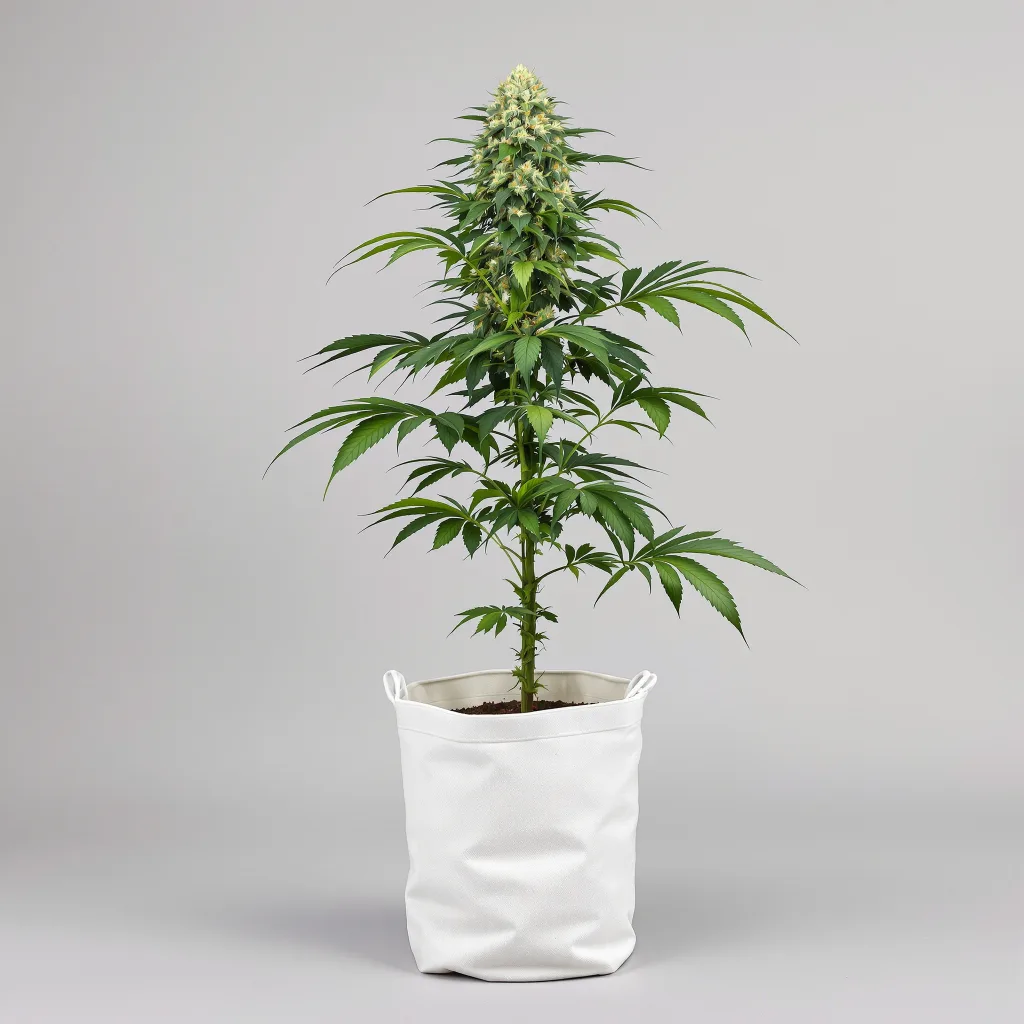
I grow in a latitude where the first hard frost can show up before many plants have finished stacking. After a decade of trial and error, I’ve learned that early-finishing cannabis seeds are the backbone of a dependable harvest. When storms roll in off cold oceans and daylight dives, these genetics reduce risk, keep mildew at bay, and wrap up before the weather turns. In my journals, the most consistent performers were early-finishing cannabis seeds that reached maturity by late September under 45–52°N conditions. If you garden in a similar belt, you’ll find the same peace of mind.

This article breaks down what I’ve learned about selecting early-finishing cannabis seeds and dialing in the environment to meet the plant halfway. I’ll cover autoflower cannabis seeds, fast-flowering photoperiod strains, feminized seeds, and the exact cultivation parameters that helped me turn short season marijuana into consistent jars of quality flower.

Genetics First: Choosing The Right Clock

autoflower cannabis seeds

Understanding Early-Finishing Options

There are two main paths to speed:

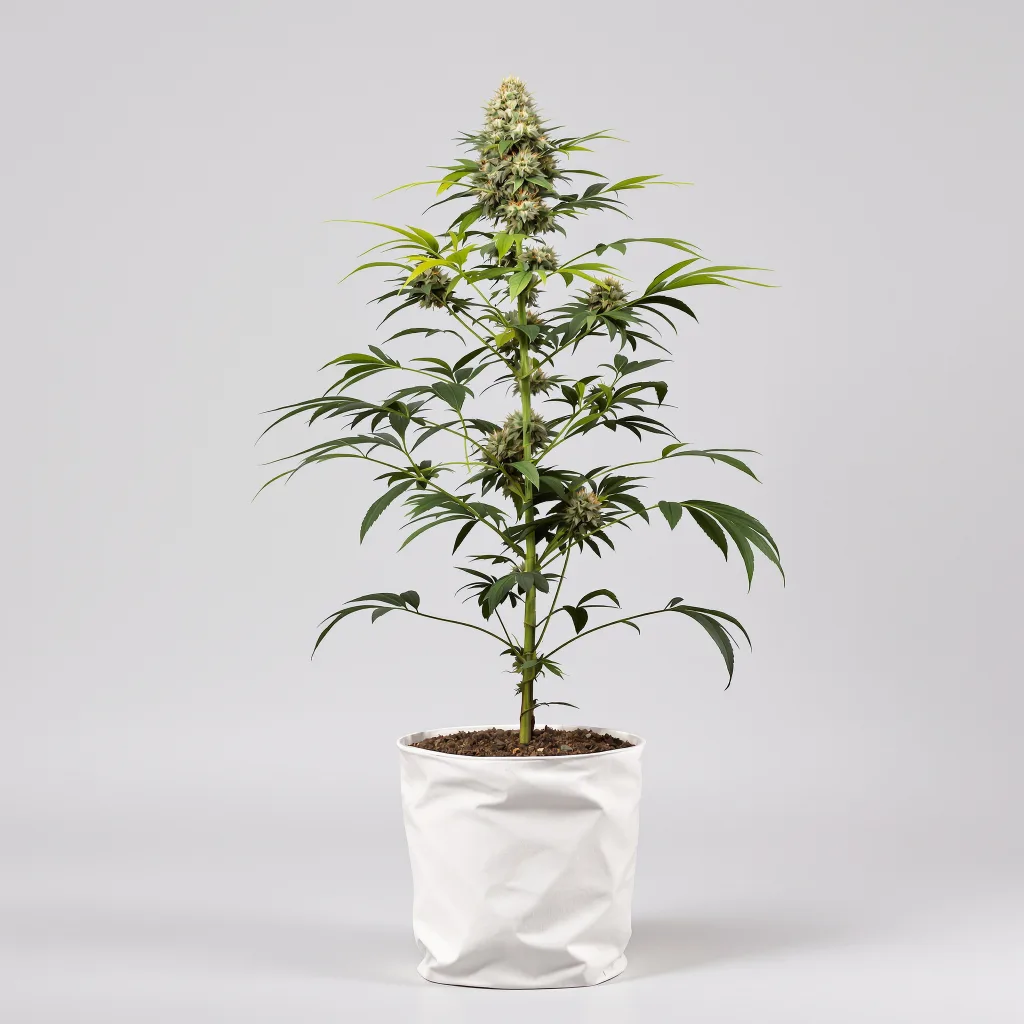
Autoflower cannabis seeds are famously time-bound: most finish in 70–95 days from sprout, independent of day length. That predictability is gold for cold climate cannabis growing because you can stagger plantings and still land before frost. I run two waves: one started indoors in April for a midsummer finish, and a second direct-sown after last frost for an early fall pull.

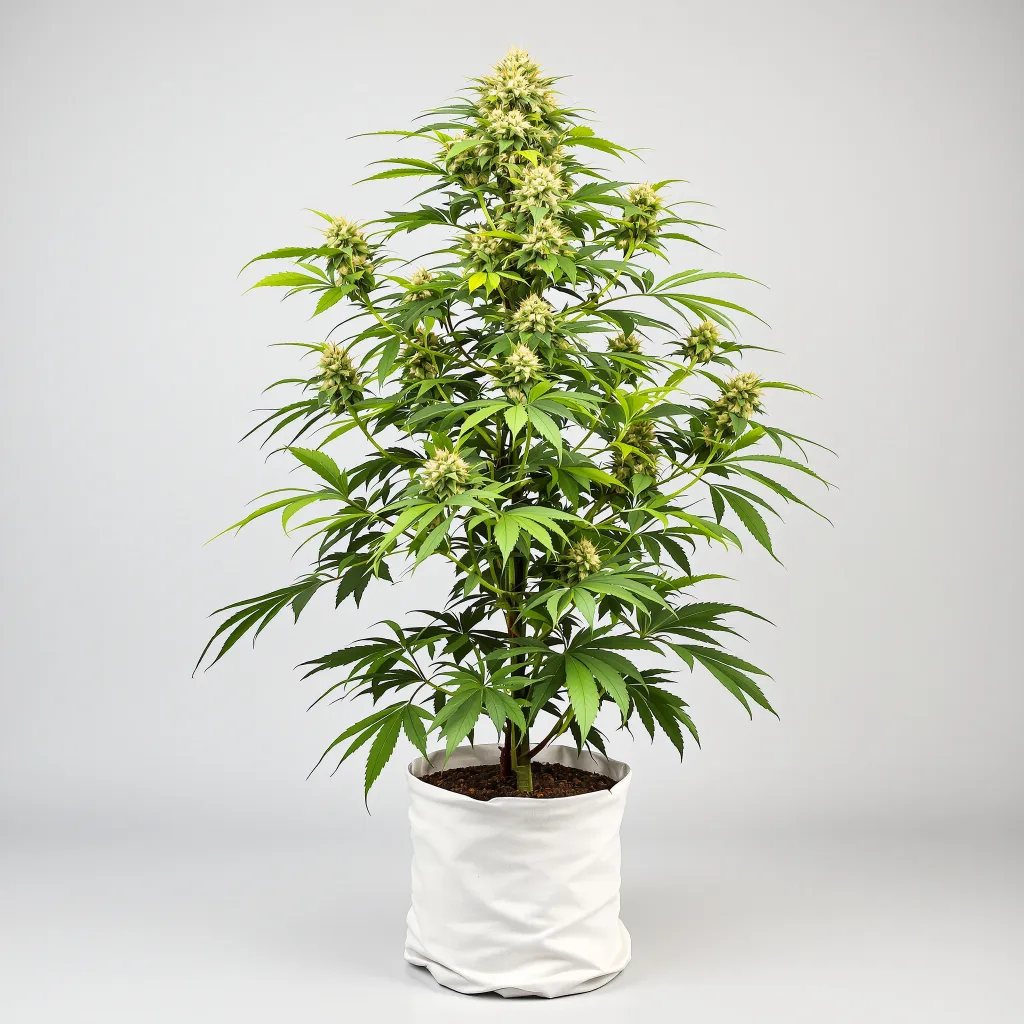
Fast-flowering photoperiod strains are traditional photoperiods with a naturally short bloom window or partial ruderalis influence. They still need a 12/12-ish trigger to flower, but many wrap in 7–8 weeks. I’ve had excellent results flipping these indoors by mid-July, hardening them, and setting them out to finish as days shorten. Both approaches qualify as early-finishing cannabis seeds strategies; pick the one that matches your schedule and space.

Feminized Seeds To Simplify Timelines

I strongly recommend feminized seeds for short season marijuana. Removing the need to sex plants saves precious weeks and prevents accidental pollination that could sink yield. In my garden records, feminized seeds reduced culling time by 10–14 days. When the window is tight, that’s the difference between ripe and rained-on.

Breeder Notes I Look For

When shopping, I scan for:

  • Stated flowering time under 56 days for fast-flowering photoperiod strains
  • Total lifecycle under 85 days for autoflower cannabis seeds
  • Mold resistance and cool-night resilience
  • Medium height or compact structure for easy cold-frame protection
  • Clear lineage and phenotype descriptions on feminized seeds

I keep a spreadsheet of trial results and mark any line that finishes before September 25 at my location as an early-finishing cannabis seeds keeper.

Environmental Game Plan For Short Seasons

Dialing the room or tent early sets you up for success outside or in protected spaces. Whether you’re finishing under a hoop house or in a small indoor flower tent, think in terms of light, climate, and nutrition.

Lighting: PPFD For Cannabis That Fuels Speed

I target the following PPFD for cannabis levels:

  • Seedling/early veg: 200–350 µmol/m²/s
  • Late veg: 450–650 µmol/m²/s
  • Flower weeks 1–4: 700–850 µmol/m²/s
  • Flower weeks 5–7+: 850–1,000 µmol/m²/s (as tolerated)

Running appropriate PPFD for cannabis lets plants reach genetic potential without wasting time in low light. For autoflower cannabis seeds, I’ve had great success with an 18/6 schedule through the entire run, holding PPFD for cannabis around 550–700 in early flower and pushing to 850 in the last third. For fast-flowering photoperiod strains, I veg at 18/6 and flip to 12/12; indoors I’ll front-load intensity right at transition to avoid stretch dragging into cold nights later.

Temperature, Humidity, And The VPD Cannabis Range

I no longer think in just temperature/humidity; I work within a VPD cannabis range. This helps leaves transpire properly and reduces botrytis risk when autumn closes in.

  • Veg target: 0.9–1.1 kPa VPD
  • Early flower: 1.1–1.3 kPa
  • Late flower: 1.3–1.5 kPa

Keeping within a VPD cannabis range stabilizes uptake even when outside weather swings. In my hoop house I use passive venting, clip fans, and a small dehumidifier on a thermostat plug. On wet September stretches, holding that VPD cannabis range has prevented the dreaded grey fuzz more than any single product.

Nutrition: EC And PPM For Nutrients That Don’t Slow Plants

I mix by electrical conductivity and cross-check with parts per million, then watch the plant.

My baseline EC and PPM for nutrients:

  • Seedling: 0.6–0.8 EC (300–400 PPM 500-scale)
  • Veg: 1.2–1.6 EC (600–800 PPM)
  • Early flower: 1.6–1.9 EC (800–950 PPM)
  • Mid/late flower: 1.8–2.1 EC (900–1,050 PPM) if leaves stay glossy and praying

Beyond numbers, I feed more calcium and magnesium during cold snaps and lower nitrogen after week three of flower to speed ripening. Tracking EC and PPM for nutrients prevents lockouts when cool nights slow metabolism.

Medium And Containers: Soil Vs Hydro For Weed In A Rush

In short seasons I favor living soil in fabric pots for outdoor or protected runs. Soil vs hydro for weed is a decision about risk tolerance: hydro is faster but less forgiving when power or heat dips. For indoor finishers, coco coir with frequent fertigations gives me hydro-like speed with buffer. I’ve run soil vs hydro for weed side-by-side; coco finished 5–7 days earlier but asked for stricter EC and PPM for nutrients control. In the garden, I’ll pair soil vs hydro for weed strategically: coco autos for a midsummer harvest and soil-based fast-flowering photoperiod strains for the late September window.

Germination Techniques That Beat The Clock

feminized seeds

Every day counts at the front end. My go-to germination techniques aim for 24–48 hours to radicle, 72 hours to cotyledons.

  • Pre-soak seeds 12–18 hours in 0.5% hydrogen peroxide water at 22–24°C
  • Move to moist paper towel inside a zip bag with vent holes, kept at 25°C
  • Plant as soon as the radicle reaches 5–8 mm, about 0.5–1 cm deep in pre-wet starter mix
  • Keep root zone at 24–25°C and 200–250 PPFD

I’ve used these germination techniques on both autoflower cannabis seeds and feminized seeds with 95%+ success rates. Early-finishing cannabis seeds deserve an equally early start.

Training For Speed And Airflow

I train plants lightly to minimize recovery time. With autoflower cannabis seeds, I stick to low-stress training: anchor the main stem early, spread secondary branches, and stop by day 28. For fast-flowering photoperiod strains, I top once at the fifth node, then low-stress from there. The goal is a flat, airy canopy that dries quickly after dew. In short season marijuana gardens, airflow beats height.

Integrated Pest And Mold Management For Northern Climates

Cold climate cannabis growing invites botrytis and powdery mildew as nights lengthen.

My prevention stack:

  • Plant spacing of at least 60–90 cm and aggressive lollipop of lower third
  • Weekly scouting under leaves with a headlamp
  • Foliar IPM during veg only: neem or rosemary-based products rotated with potassium bicarbonate where allowed
  • Sticky cards at soil level for fungus gnat monitoring
  • Trichome-safe, late-flower strategy is simply airflow, VPD cannabis range discipline, and selective defoliation

On years when storms are relentless, I cut individual colas as they finish rather than waiting for the whole plant. Early-finishing cannabis seeds often stagger maturity; harvesting in passes keeps quality high.

Staging And Protection: How I Beat Early Frost

cold climate cannabis growing

I stage plants in movable containers. If a surprise cold snap hits, I slide pots into a garage overnight or throw floating row cover inside the hoop house. I keep a small propane heater on hand but use it sparingly. Fast-flowering photoperiod strains tolerate cool nights better when potassium is adequate and watering happens at dawn, not dusk.

For autos, I germinate a second wave around the solstice. Those autoflower cannabis seeds usually finish by early September, safely ahead of the harshest storms. That two-harvest approach has been a cornerstone of my cold climate cannabis growing plan.

Harvest, Dry, And Cure Without Losing The Season’s Work

Early-finishing cannabis seeds can still fox-tail or over-dry if you rush the post-harvest. I watch trichomes and harvest when most are cloudy with a sprinkle of amber.

Then I focus on environment:

  • Dry room: 16–18°C, 55–60% RH, fans aimed at walls, not flowers
  • Target dry time: 10–14 days, slower than summer but safer for terpenes
  • Trim and jar when small stems snap but don’t shatter
  • Cure at 58–62% RH, burping daily for two weeks, then weekly

I run a small dehumidifier if an October storm spikes RH. The same VPD mindset applies to drying; gradual changes maintain color and aroma in short season marijuana harvests.

Putting It Together: A Northern Latitude Playbook

Here’s the calendar I’ve refined after years with early-finishing cannabis seeds:

  • March: Inventory feminized seeds, pick autoflower cannabis seeds and fast-flowering photoperiod strains
  • Early April: Start first autos indoors using germination techniques
  • May: Harden and transplant autos after last frost; start photoperiod veg indoors
  • Late June: Low-stress train; maintain PPFD for cannabis around 550–650 in veg
  • Mid July: Flip photoperiods indoors to trigger; move outside in early flower if using light deprivation or hoop support
  • Late July: Start second round of autoflower cannabis seeds to hedge against weather
  • August–September: Hold VPD cannabis range tightly; monitor EC and PPM for nutrients; prune for airflow
  • September: Harvest first autos; watch fast-flowering photoperiod strains daily
  • Late September to early October: Harvest in passes; dry slow and steady

This cadence keeps something finishing no matter what the sky throws at me.

Shopping Smart Without The Hype

PPFD for cannabis

When I buy seeds, I look for transparent breeders and reputable seed banks that describe traits honestly. I choose feminized seeds to simplify timelines, cross-verify flowering windows, and check regional reviews for cold climate cannabis growing. I avoid medical promises and keep an eye on shipping timelines so seeds arrive well ahead of my germination dates. If your region regulates cultivation, learn the rules before you plant.

FAQs For Short Season Marijuana Growers

What finishes faster: autoflower cannabis seeds or fast-flowering photoperiod strains?

Most of my runs show autoflower cannabis seeds finishing faster in absolute days, typically 70–90 days from sprout. Fast-flowering photoperiod strains can match or beat that from the flip date, but you still need veg time and light-cycle management. For a single, predictable timeline, I use autos. For larger plants and strain variety, I add fast-flowering photoperiod strains.

Are feminized seeds worth it for tight seasons?

Yes. Feminized seeds remove the sexing step and wasted space. In my experience they shave off up to two weeks versus running regular seed populations, which can be crucial for early-finishing cannabis seeds plans.

What PPFD for cannabis should I target in a small tent?

Aim for 450–650 µmol/m²/s in veg and 800–1,000 µmol/m²/s in flower if your cultivar tolerates it and you can control heat. Use a PAR meter or a reliable phone-based app to dial PPFD for cannabis without guesswork.

What EC and PPM for nutrients help plants finish on time?

Stay in the middle of the road: 1.6–1.9 EC (800–950 PPM 500-scale) in early flower, rising slightly if leaves remain healthy. Tracking EC and PPM for nutrients avoids underfeeding during cool snaps and lowers the risk of late-season deficiencies.

How do I manage humidity as nights get longer?

Work within a VPD cannabis range. I aim for 1.1–1.3 kPa early in flower and 1.3–1.5 kPa late. Add airflow, space plants, defoliate strategically, and run a dehumidifier during wet weeks.

Is soil vs hydro for weed better in cold regions?

Both can work. Coco runs give me faster finish times but require tighter control of EC and PPM for nutrients. Living soil is more forgiving when temps dip. I mix approaches: coco autos for speed; soil-based photoperiods for resilience.

Which germination techniques are most reliable in cool homes?

Pre-soak seeds, then move to a warm paper towel at 25°C. Plant once the radicle is 5–8 mm. Keep the starter mix warm and give seedlings 200–250 PPFD. These germination techniques reliably produce uniform starts for me.

Can I finish plants in a simple hoop house?

Yes. A hoop house with passive vents, clip fans, and a small dehumidifier maintains a steady VPD cannabis range and protects from early rains. It’s been a game changer in my cold climate cannabis growing strategy.

Key Takeaways

  • Early-finishing cannabis seeds remove uncertainty in northern latitudes.
  • Combine autoflower cannabis seeds and fast-flowering photoperiod strains to hedge weather risk.
  • Use feminized seeds to simplify and speed the process.
  • Control light with appropriate PPFD for cannabis, stay inside a VPD cannabis range, and maintain balanced EC and PPM for nutrients.
  • Choose a medium based on your tolerance for management: weigh soil vs hydro for weed honestly.
  • Start strong with proven germination techniques, train lightly, and protect plants during cold snaps.
  • Dry slow and steady; post-harvest is half the battle for short season marijuana.

By stacking these practices, my garden finishes on time even when the forecast doesn’t cooperate. If you grow where autumn arrives early, build your plan around early-finishing cannabis seeds and give each step a head start. Your future self, trimming in a warm shed while the first frost paints the yard, will be glad you did.

Share

Leave a comment

Your email address will not be published. Required fields are marked *