Medical Strain Analysis: White Whale
White Whale is a hybrid cannabis strain that has emerged as a standout in the realm of medical marijuana, celebrated for its unique genetic lineage, potent chemical profile, and a broad range of therapeutic applications. This strain is particularly revered for its ability to address complex medical conditions, offering relief to patients while maintaining clarity and functionality in their daily lives. Below, we delve deep into the origins, chemical properties, medical applications, and ideal growing conditions of White Whale, emphasizing its transformative role in the medical community.
Origins of White Whale
White Whale is a hybrid strain recognized for its strong genetic lineage, merging characteristics of two renowned cannabis strains: White Widow and Blue Dream. These parent strains are famous for their balance of uplifting and soothing effects, making White Whale a potential powerhouse in therapeutic applications.
White Widow, one parent of White Whale, was developed in the Netherlands and became one of the most famous strains globally. Known for its resin-covered buds and balanced effects, White Widow is prized for its hybrid nature—equally cerebral and physically calming. It is high in THC with notable levels of other cannabinoids and terpenes, contributing to its comprehensive medicinal benefits.
On the other hand, Blue Dream offers gentle sativa-dominant effects coupled with a sweet berry aroma. Originally bred in California, Blue Dream is known for its uplifting properties and its ability to relieve tension, promote focus, and soothe pain without overwhelming the patient. These traits make Blue Dream a reliable strain for both physical and mental conditions.
The synthesis of these two robust strains results in White Whale, a hybrid with a balanced cannabinoid profile and terpene composition, suitable for managing a wide range of medical conditions.
Chemical Profile of White Whale

White Whale’s chemical composition is the cornerstone of its medical applications. A thorough understanding of its cannabinoids, terpenes, and flavonoids is essential to grasp its therapeutic potential.
Cannabinoids
White Whale typically contains a THC concentration ranging from 18% to 22%, which is potent enough for significant medical efficacy without becoming overly psychoactive when used in measured doses. Additionally, CBD levels hover around 1%, allowing for some counterbalance to the psychoactive effects of THC and adding to its anti-inflammatory properties. The presence of minor cannabinoids such as CBG (Cannabigerol) and CBC (Cannabichromene) enhances the overall entourage effect.
- THC (Tetrahydrocannabinol): As the primary psychoactive component, THC plays a vital role in pain relief, appetite stimulation, and mood regulation. For patients with chronic conditions, it can provide relief from neuropathic pain and muscle spasms.
- CBD (Cannabidiol): Though present in lower amounts, CBD supports anti-inflammatory, anxiolytic, and neuroprotective benefits. It’s also known for reducing THC-induced anxiety, which can be critical for sensitive patients.
- CBG (Cannabigerol): A minor but important cannabinoid, CBG may contribute to the strain’s antibacterial and anti-inflammatory properties. It also shows promise in managing intraocular pressure and conditions like glaucoma.
- CBC (Cannabichromene): This non-psychoactive cannabinoid may enhance the anti-inflammatory and analgesic properties of White Whale, aiding patients dealing with severe inflammatory diseases.
Terpenes
The terpene profile of White Whale is particularly significant for its therapeutic potential, as terpenes influence the strain’s effects, aroma, and ability to treat specific conditions.
- Myrcene: Known for its sedative and muscle-relaxant properties, myrcene dominates White Whale’s terpene profile. It complements the strain’s cannabinoids to promote relaxation, reduce pain, and alleviate insomnia.
- Limonene: This citrus-scented terpene supports mood elevation and stress reduction. Limonene is also recognized for its antifungal and antibacterial effects, making it valuable for infections and skin conditions.
- Caryophyllene: A terpene with a spicy, peppery aroma, caryophyllene has potent anti-inflammatory and analgesic properties. Its unique ability to bind to CB2 receptors enhances its effectiveness in treating chronic pain and inflammation.
- Pinene: This terpene contributes to focus and mental clarity, offsetting potential sedative effects from myrcene. It also has bronchodilator properties, making White Whale potentially beneficial for respiratory conditions like asthma.
- Linalool: Found in lavender, linalool offers calming and anxiolytic properties, contributing to the strain’s ability to treat stress-related disorders and promote sleep.
The interplay of these terpenes with White Whale’s cannabinoid profile enhances its suitability for various medical conditions.
Medical Benefits

White Whale is renowned in the medical cannabis community for its versatility in addressing a spectrum of health conditions. Its balanced profile makes it particularly effective for patients who require both physical and psychological relief.
1. Pain Management
One of White Whale’s primary medical applications is pain relief. The synergistic interaction between THC, CBD, and terpenes like caryophyllene provides robust analgesic effects. It is especially effective for:
- Chronic Pain: Conditions like arthritis, fibromyalgia, and lower back pain benefit from its anti-inflammatory and muscle-relaxant properties.
- Neuropathic Pain: The THC in White Whale helps modulate the nervous system’s response to pain signals, offering relief for patients with nerve damage or neuropathy.
- Migraines: Linalool and pinene help soothe migraine headaches by reducing inflammation and increasing blood flow to the brain.
2. Mental Health
White Whale’s balanced effects make it a reliable option for treating various mental health disorders. Its uplifting properties combined with anxiolytic and calming effects are valuable for:
- Anxiety Disorders: Limonene and linalool reduce anxiety levels, while CBD moderates the strain’s psychoactive properties to ensure patient comfort.
- Depression: The mood-enhancing qualities of THC and limonene provide a natural alternative for patients battling mood disorders, promoting positivity and focus.
- Post-Traumatic Stress Disorder (PTSD): White Whale may help manage hyperarousal and intrusive symptoms by promoting relaxation without excessive sedation.
3. Sleep Disorders
For patients with insomnia or disrupted sleep patterns, White Whale’s sedative terpenes like myrcene and linalool, coupled with THC, provide a dual action—calming the mind and relaxing the body to facilitate restful sleep.
4. Inflammation and Autoimmune Disorders
The anti-inflammatory properties of White Whale make it suitable for autoimmune conditions, such as:
- Rheumatoid Arthritis: Caryophyllene’s interaction with CB2 receptors helps regulate the immune response, reducing inflammation.
- Crohn’s Disease: The strain’s cannabinoids alleviate abdominal pain and inflammation while promoting appetite.
- Multiple Sclerosis: White Whale’s muscle-relaxant properties reduce spasticity and discomfort.
5. Neurological Conditions
White Whale’s neuroprotective and mood-regulating properties are promising for neurological conditions such as:
- Epilepsy: While not a primary strain for seizure management, its CBD content may complement other treatments.
- Parkinson’s Disease: THC and CBG may alleviate tremors and improve motor function.
- Alzheimer’s Disease: Limonene and pinene show potential in supporting memory and cognitive function.
6. Cancer Symptom Management
For patients undergoing cancer treatment, White Whale can alleviate symptoms such as:
- Nausea and Vomiting: The antiemetic properties of THC help counteract chemotherapy-induced nausea.
- Appetite Loss: THC stimulates appetite, addressing cachexia in cancer patients.
- Pain and Inflammation: White Whale reduces treatment-related pain and inflammation, improving the quality of life.
7. Gastrointestinal Disorders
White Whale’s calming and anti-inflammatory effects are beneficial for conditions like irritable bowel syndrome (IBS) and ulcerative colitis, where it reduces abdominal discomfort and promotes gut health.
Growing Conditions
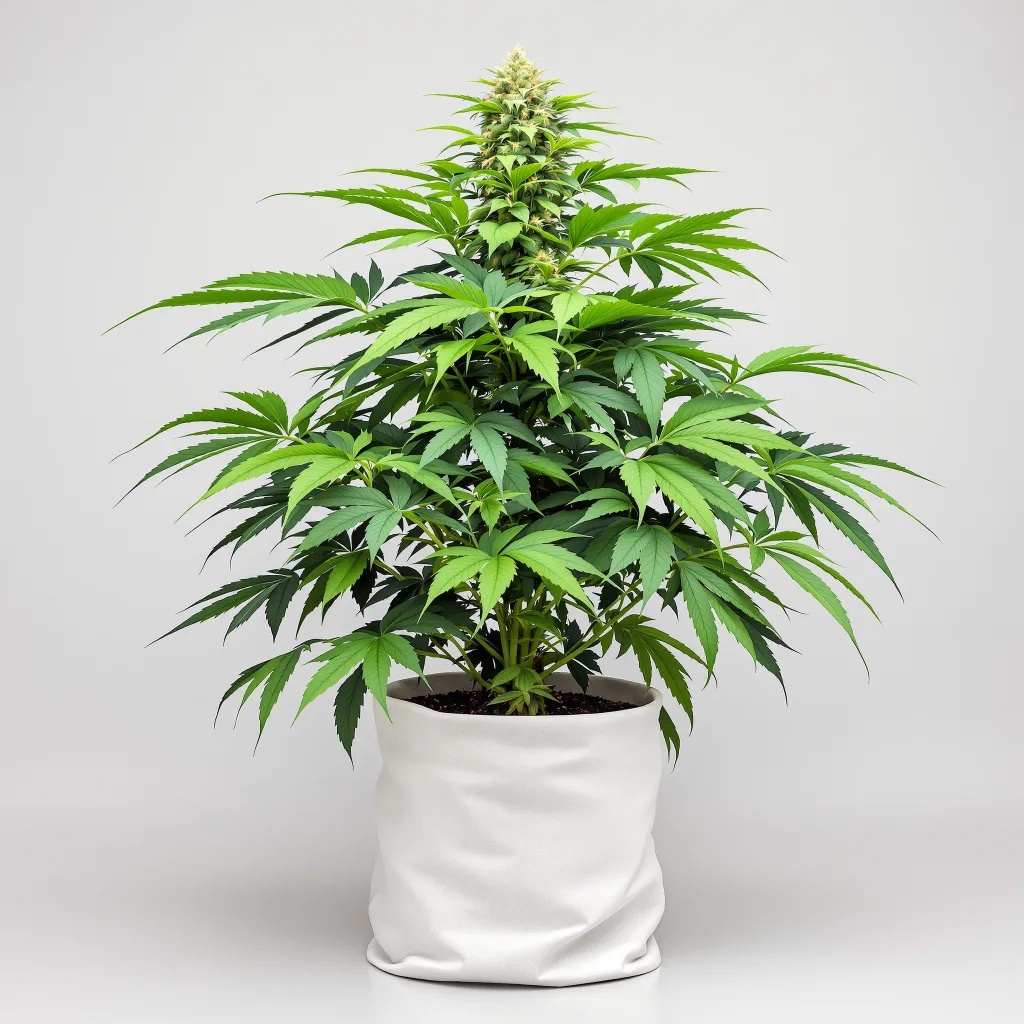
White Whale is a moderately challenging strain to cultivate, requiring attention to detail to maximize its medical potential. Both indoor and outdoor cultivation are viable, though controlled environments often yield better cannabinoid and terpene profiles.
Ideal Climate
White Whale thrives in a Mediterranean climate with warm, sunny conditions. The strain prefers temperatures between 70°F and 80°F during the day and slightly cooler nights. Humidity levels should be kept moderate to prevent mold and mildew, especially during the flowering stage.
Lighting
For indoor growers, White Whale responds well to full-spectrum LED lighting, which mimics natural sunlight and enhances resin production. A light schedule of 18 hours on and 6 hours off during the vegetative stage and 12 hours on and 12 hours off during flowering is recommended.
Soil and Nutrients
Rich, well-draining soil with a balanced pH of 6.0 to 6.5 is optimal. Nutrient requirements include:
- Nitrogen (N): During the vegetative stage to support healthy leaf growth.
- Phosphorus (P) and Potassium (K): During flowering to enhance bud development and resin production.
- Micronutrients: Including calcium, magnesium, and sulfur, which contribute to the strain’s terpene profile and potency.
Watering
Moderate and consistent watering is essential. In contrast to underwatering, which can impede growth, overwatering can cause root rot. Growers should monitor soil moisture and adjust irrigation based on environmental conditions.
Pruning and Training
Pruning lower leaves and branches improves airflow and light penetration, reducing the risk of mold. Techniques like low-stress training (LST) and screen of green (ScrOG) can maximize yields and resin production.
Harvesting and Curing
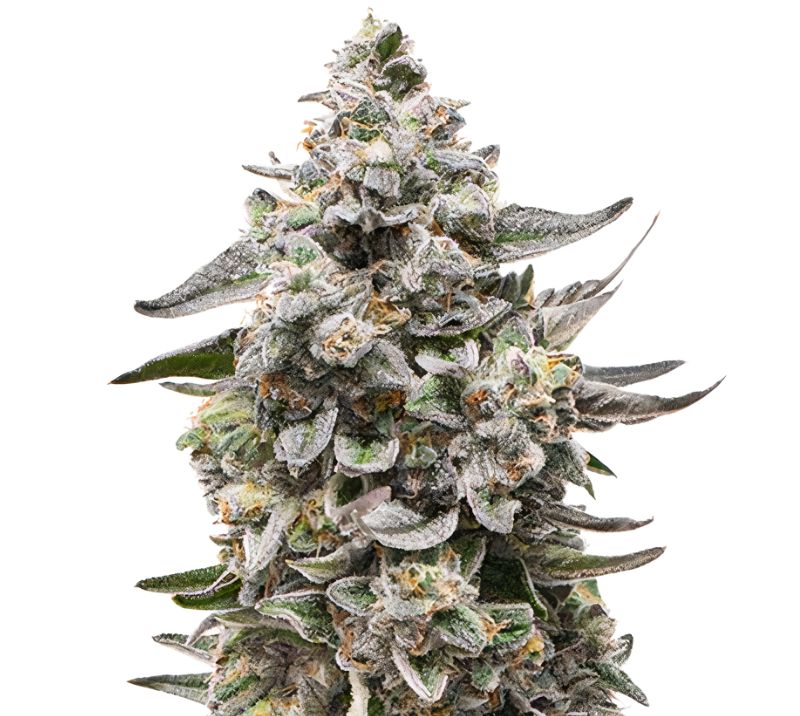
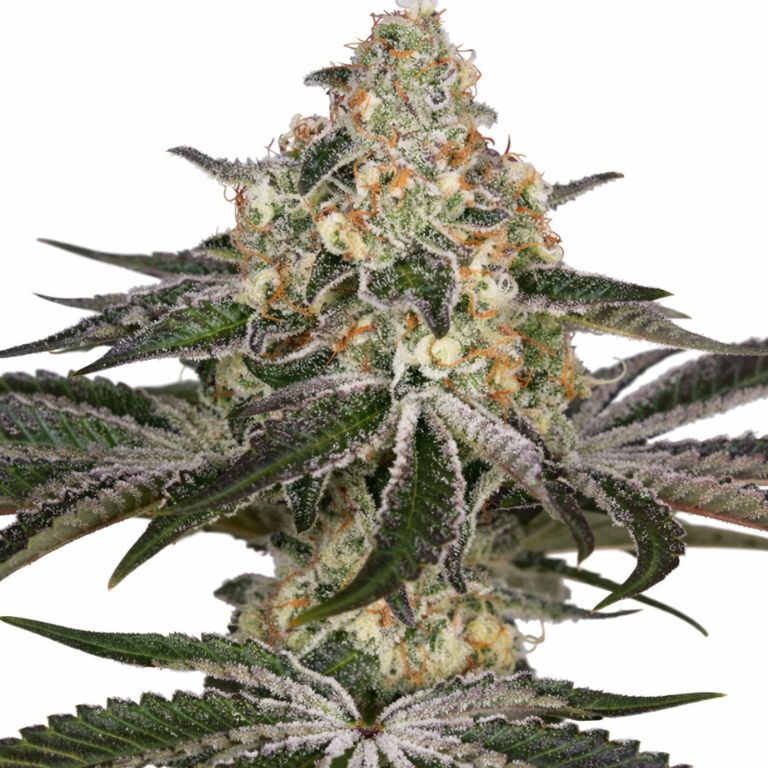
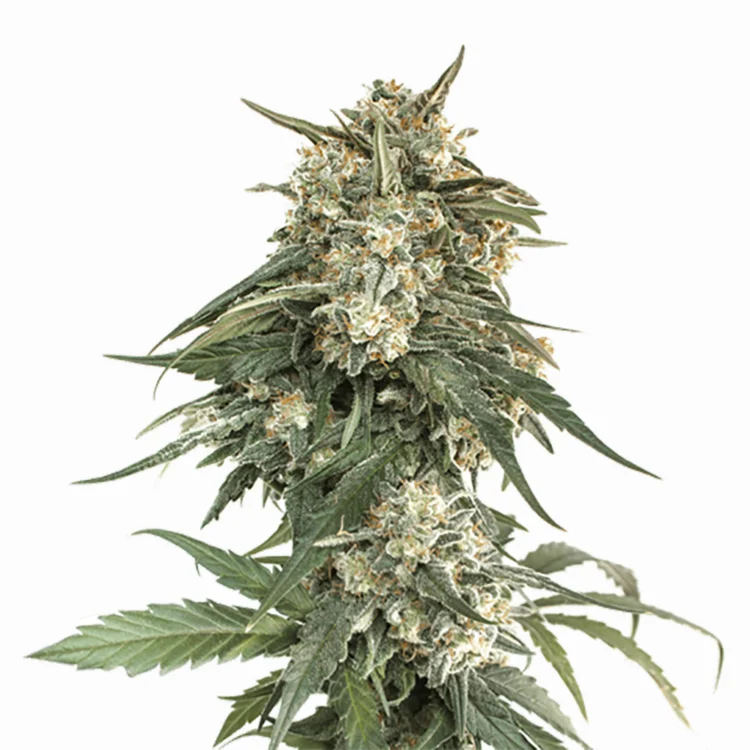
White Whale typically flowers in 8 to 10 weeks indoors and is ready for harvest in late October for outdoor grows. The buds are dense, resinous, and covered in trichomes, reflecting their therapeutic potential. Proper drying and curing are crucial to preserve the strain’s cannabinoid and terpene profile, ensuring optimal medical efficacy.
Restrictions on Using White Whale in the Medical Field and its Role as a Last Resort

White Whale, a hybrid cannabis strain known for its therapeutic potential, has gained attention in the medical field for its ability to manage a wide range of conditions. However, the use of this strain, and cannabis-based medications in general, comes with significant restrictions to ensure patient safety and efficacy. These restrictions are especially critical in regulated medical settings where patient care and the prevention of unintended psychoactive effects are paramount. White Whale should be employed as a last resort in medical treatments, following the exhaustion of conventional therapies and under strict monitoring of its THC levels to mitigate any psychoactive risks.
Regulatory Framework for Medical Cannabis Use
Medical cannabis, including strains like White Whale, is heavily regulated in most jurisdictions to ensure its safe and ethical use. These regulations typically require:
- Approval as a Last-Resort Treatment:
- White Whale should only be prescribed after conventional treatments have proven ineffective or insufficient. For example, patients with chronic pain or neurological disorders should have tried approved medications and therapies, such as opioids, anticonvulsants, or physical therapy, before cannabis is considered.
- Physicians must document the failure of other treatments and justify the necessity of cannabis as an alternative.
- Patient Eligibility Screening:
- The use of White Whale is limited to patients with qualifying conditions, such as refractory epilepsy, chronic pain, multiple sclerosis, or chemotherapy-induced symptoms. Screening ensures that only those who truly need cannabis-based treatments receive them.
- Licensed Medical Practitioners:
- Only certified healthcare professionals with expertise in medical cannabis can recommend or prescribe White Whale, ensuring that treatment is tailored to individual patient needs.
Monitoring THC Levels to Minimize Psychoactive Effects
The psychoactive component of cannabis, THC (Tetrahydrocannabinol), is the primary concern in medical applications, particularly for vulnerable populations such as children, the elderly, or those with mental health disorders. Monitoring THC levels in White Whale-based medications is crucial to minimize psychoactive side effects while preserving its therapeutic benefits.
Recommended THC Levels for Medical Use
- THC levels in medical cannabis products derived from White Whale should be kept at a therapeutic threshold, usually below 10 mg per dose for general applications. This ensures sufficient symptom relief without inducing significant psychoactive effects like euphoria, anxiety, or cognitive impairment.
- In pediatric or sensitive populations, microdosing strategies with less than 5 mg of THC per dose are often preferred, accompanied by higher levels of CBD to counterbalance THC’s psychoactivity.
Formulations and Delivery Mechanisms
- Pharmaceutical formulations such as capsules, oils, or tinctures allow precise control over THC content, reducing the likelihood of psychoactive side effects.
- White Whale-derived medications should undergo stringent quality testing to verify cannabinoid concentrations and ensure consistency across batches.
Real-Time Monitoring of Patient Responses
- Patients using White Whale-based treatments require regular monitoring by healthcare professionals. Tools like patient-reported outcome measures (PROMs) and objective assessments can help track efficacy and side effects.
- THC metabolism varies between individuals, so personalized dosing regimens should be developed based on a patient’s weight, metabolism, and medical history.
Potential Risks and Ethical Considerations
The medical use of White Whale is not without risks. As a strain with moderate to high THC content (18-22%), its improper use or dosing can result in undesirable effects, including:
- Cognitive Impairment: Psychoactivity may interfere with a patient’s ability to perform daily tasks, particularly in professions requiring high levels of concentration.
- Dependence Risk: Prolonged or excessive use could lead to psychological dependency, especially in vulnerable patients.
- Exacerbation of Mental Health Disorders: THC has been known to trigger anxiety or paranoia in some individuals, particularly at high doses.
Healthcare providers must weigh these risks against potential benefits and ensure that patients are fully informed about possible side effects.
Ethical and Legal Implications of Last-Resort Use
Restricting White Whale to last-resort scenarios aligns with ethical principles in medicine, such as non-maleficence (do no harm) and beneficence (acting in the patient’s best interest). Its use should be guided by the following ethical considerations:
- Informed Consent:
- Patients should be educated about the potential benefits and risks of White Whale-derived treatments and alternative options.
- Consent should include acknowledgment of the experimental nature of cannabis-based therapies in certain conditions.
- Protecting Vulnerable Populations:
- Stricter controls are necessary for populations at higher risk of psychoactive effects, such as children, pregnant individuals, and those with preexisting psychiatric conditions.
- Physicians should exercise caution and ensure these patients have access to ongoing support and monitoring.
- Equity in Access:
- Restricting White Whale to medical use as a last resort should not unfairly limit access for patients who genuinely need it. Healthcare systems must ensure equitable access based on clinical need rather than socioeconomic status or geographic location.
Research and Future Directions
Further research into White Whale and similar strains is essential to establish standardized dosing protocols, refine cannabinoid ratios, and identify the full spectrum of therapeutic applications. Clinical trials focusing on THC level thresholds and the development of high-CBD, low-THC variants of White Whale may help expand its use while reducing psychoactive risks.
Conclusion
The medical application of White Whale, a hybrid cannabis strain known for its robust therapeutic potential, requires a comprehensive and cautious approach. Its origins, chemical profile, medical benefits, growing conditions, and regulatory restrictions highlight its unique position in the medical cannabis landscape. The strain’s balanced blend of cannabinoids and terpenes offers relief for a wide range of conditions, from chronic pain and inflammation to neurological disorders and mental health challenges. However, its potency and psychoactive properties necessitate precise management to ensure safe and effective use.
White Whale’s therapeutic power lies in its synergistic cannabinoid and terpene profile, which makes it highly versatile in addressing complex medical conditions. Cannabinoids like THC, CBD, and minor compounds such as CBG and CBC, along with terpenes like myrcene, limonene, and caryophyllene, create a nuanced and effective therapeutic profile. These components work together to manage chronic pain, inflammation, neurological disorders, and even cancer-related symptoms. However, to maximize its medical efficacy while minimizing risks, careful monitoring of THC levels is essential to avoid psychoactive effects.
The restrictions on White Whale’s use in the medical field, particularly its designation as a last-resort treatment, underline its serious potential risks and benefits. Regulatory guidelines ensure it is only prescribed to patients with conditions that have not responded to conventional therapies. By strictly monitoring THC levels and employing precise formulations, healthcare professionals can reduce psychoactive risks and ensure patient safety. This restriction aligns with ethical principles, prioritizing non-maleficence while providing a vital treatment option for patients with refractory conditions.
Growing White Whale for medical purposes also requires meticulous attention to cultivation conditions to ensure a consistent chemical profile. From optimal soil and lighting to controlled nutrient regimens, proper cultivation practices are essential to produce high-quality, therapeutic-grade cannabis. Strict harvesting, curing, and testing protocols further ensure the strain’s potency, safety, and efficacy.
While White Whale shows immense promise, ongoing research and development are critical for its future medical use. Studies into cannabinoid ratios, long-term safety, and expanded therapeutic applications will help refine its use in clinical settings. By balancing the need for access with safety and ethical considerations, White Whale can serve as a valuable medical tool, offering relief to patients with conditions that resist conventional treatment.
In conclusion, White Whale exemplifies the potential of medical cannabis when applied responsibly. Its therapeutic benefits must be balanced against its risks, with strict adherence to medical regulations and ethical standards. When used as a last-resort treatment, under controlled conditions and professional oversight, White Whale has the potential to transform care for patients with chronic, debilitating, or refractory conditions. Through cautious application and continued research, it stands as a beacon of innovation in the evolving field of medical cannabis.