Medical Strain Analysis: Warlock
-
Warlock Cannabis SeedsFrom: $24.99
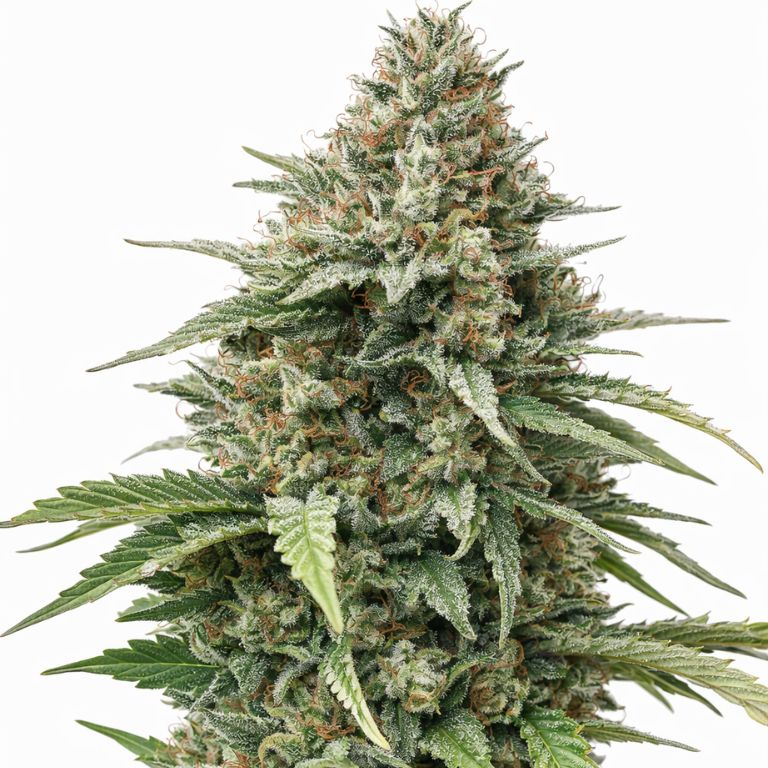
Warlock is a cannabis strain that has captured attention in the medical cannabis community for its balanced effects and robust therapeutic potential. Originally bred for its hybrid qualities and medicinal properties, Warlock’s distinctive chemical profile, diverse applications in treating medical conditions, and specific cultivation requirements make it an excellent example of targeted strain development in the cannabis industry. This detailed analysis explores its origins, chemical composition, therapeutic uses, and ideal growing conditions.
Origins of Warlock
Warlock was first developed in the early 1990s by Magus Genetics, a Dutch seed bank known for producing high-quality and stable cannabis strains. The breeder’s focus on medicinal value resulted in a strain that is effective across a wide range of medical applications, solidifying Warlock’s reputation as a medicinal powerhouse.
The genetic lineage of Warlock is a cross between two well-established cannabis strains: Skunk #1 and an Afghani landrace. This cross combines the strengths of both parent strains:
- Skunk #1:
- Known for its genetic stability, Skunk #1 is a cornerstone strain in modern cannabis breeding. It is prized for its ability to deliver consistent results, including a reliable chemical profile that provides both physical and mental relief.
- Skunk #1 contributes to Warlock’s balanced effects, including mild euphoria, stress relief, and enhanced focus. These qualities make Warlock particularly suitable for patients with anxiety, depression, and other mood disorders.
- Afghani Landrace:
- As a pure indica strain, the Afghani parent brings powerful sedative and pain-relieving properties to Warlock. These genetics are also responsible for Warlock’s resin-heavy buds, which enhance its potency and therapeutic value.
- Afghani’s calming effects complement the uplifting traits of Skunk #1, making Warlock an excellent hybrid for treating physical ailments such as chronic pain, inflammation, and muscle spasms.
By carefully selecting and stabilizing these genetics, Magus Genetics created a strain that offers a balanced combination of indica and sativa traits, with a slight indica dominance (roughly 65% indica and 35% sativa). This balance ensures that Warlock can address both physical and mental health issues effectively.
Chemical Profile of Warlock

Warlock’s therapeutic potential lies in its unique chemical profile, which includes a moderate to high concentration of cannabinoids and a diverse array of terpenes. This combination delivers synergistic effects that enhance the strain’s medical benefits.
Cannabinoids
The main active ingredients in cannabis are cannabinoids, which interact with the body’s endocannabinoid system to control a number of physiological functions. Warlock’s cannabinoid profile typically includes:
- THC (Tetrahydrocannabinol):
- Warlock’s THC content ranges from 15% to 20%, providing mild psychoactive effects that are well-tolerated by most medical patients.
- THC interacts primarily with CB1 receptors in the brain, offering pain relief, mood enhancement, and appetite stimulation. Patients suffering from ailments including persistent pain, nausea, and appetite loss would especially benefit from these qualities.
- CBD (Cannabidiol):
- While lower in concentration than THC, Warlock’s CBD content plays a critical role in its medical efficacy. CBD modulates the psychoactive effects of THC, ensuring that patients experience relief without overwhelming mental effects.
- CBD’s anti-inflammatory, anti-anxiety, and neuroprotective properties make Warlock suitable for treating conditions like arthritis, epilepsy, and neurodegenerative diseases.
- CBG (Cannabigerol):
- Present in trace amounts, CBG enhances Warlock’s overall therapeutic value. CBG is known for its potential to reduce inflammation, support neurogenesis, and alleviate symptoms of glaucoma.
Terpenes
Terpenes are aromatic compounds that contribute to Warlock’s flavor profile and medical properties. The most prominent terpenes in Warlock include:
- Myrcene:
- The most abundant terpene in Warlock, myrcene is known for its sedative and muscle-relaxing effects. It also enhances the bioavailability of cannabinoids, making them more effective at lower doses.
- Myrcene’s presence makes Warlock especially helpful for patients with insomnia, chronic pain, and anxiety.
- Pinene:
- This terpene offers anti-inflammatory and bronchodilatory effects, which can benefit patients with respiratory conditions such as asthma or chronic obstructive pulmonary disease (COPD).
- Pinene also promotes mental clarity and counteracts potential cognitive impairment from THC.
- Limonene:
- Because of its positive and mood-boosting properties, limonene is beneficial for people suffering from anxiety or despair.
- It also has antimicrobial and immune-boosting properties, which may provide additional health benefits.
- Caryophyllene:
- As the only terpene known to interact directly with CB2 receptors, caryophyllene provides potent anti-inflammatory and analgesic effects.
- This terpene reinforces Warlock’s effectiveness in managing pain and inflammatory conditions like arthritis and Crohn’s disease.
- Terpinolene:
- Present in smaller amounts, terpinolene adds a subtle calming effect, which contributes to Warlock’s overall balance between relaxation and alertness.
The interplay of these cannabinoids and terpenes creates the entourage effect, where the combined compounds work together to enhance Warlock’s therapeutic efficacy.
Medical Benefits of Warlock

Warlock is renowned for its versatility in treating a wide range of medical conditions. Its balanced effects, moderate potency, and rich chemical profile make it suitable for both physical and mental health issues. Below is an in-depth look at its medical applications:
Chronic Pain Management
- Warlock’s moderate THC levels, combined with its caryophyllene and CBD content, make it a reliable option for managing various types of pain, including:
- Neuropathic pain (e.g., from diabetes or multiple sclerosis).
- Inflammatory pain (e.g., arthritis or Crohn’s disease).
- Post-surgical or injury-related pain.
- Its pain-relieving effects are fast-acting, while its anti-inflammatory properties address the root cause of many chronic pain conditions.
Neurological Conditions
- Warlock’s neuroprotective properties make it a promising option for patients with conditions like epilepsy, Parkinson’s disease, or multiple sclerosis. In Warlock, CBD and CBG lessen inflammation in the brain and may slow the development of neurodegenerative illnesses.
- Its mild sedative effects also help manage symptoms like muscle spasms, tremors, and rigidity.
Mood Disorders
- The limonene and pinene terpenes in Warlock provide uplifting and calming effects that can alleviate symptoms of:
- Anxiety disorders (e.g., generalized anxiety disorder, PTSD).
- Depression and mood swings.
- Stress-related disorders, where relaxation and mental clarity are needed.
- Warlock is perfect for usage during the day since, according to patients, it creates a sensation of calm without being overly sedative.
Sleep Disorders
- Myrcene’s sedative properties help patients with insomnia fall asleep faster and achieve deeper, more restorative sleep. Warlock is particularly beneficial for patients whose sleep disorders are caused by pain or anxiety.
Appetite Stimulation and Nausea Relief
- Warlock’s THC content is highly effective at stimulating appetite and reducing nausea. It is therefore a beneficial choice for people undergoing:
- Chemotherapy.
- Treatment for HIV/AIDS.
- Conditions like anorexia or cachexia.
Inflammatory Conditions
- The anti-inflammatory effects of CBD and caryophyllene make Warlock effective in managing chronic inflammatory conditions such as:
- Arthritis.
- Irritable bowel syndrome (IBS).
- Autoimmune diseases like lupus.
Cancer Symptom Management
- Warlock’s combination of pain relief, anti-nausea effects, and appetite stimulation make it particularly useful for cancer patients undergoing chemotherapy or radiation therapy.
- Preliminary research suggests that cannabinoids like THC and CBD may have anti-cancer properties, potentially slowing tumor growth or promoting cancer cell death.
Growing Conditions for Warlock

Cultivating Warlock requires attention to environmental factors and nutrient management to maximize its therapeutic potential. While it is moderately challenging to grow, following best practices ensures high yields of potent, medically beneficial cannabis.
Climate and Environment
- Warlock thrives in a temperate climate, with optimal temperatures between 70-80°F (21-27°C).
- It can be grown both indoors and outdoors, but indoor cultivation allows for greater control over light, temperature, and humidity.
Lighting
- Indoors, Warlock requires high-intensity lighting, such as HID (High-Intensity Discharge) or full-spectrum LED lights. Outdoor plants should receive at least 8 hours of direct sunlight daily.
Humidity and Ventilation
- During the vegetative stage, Warlock prefers 50-60% relative humidity. Lower the humidity to 40-50% during flowering to prevent mold and enhance resin production.
Nutrient Requirements
- In the vegetative phase, Warlock requires a nutrient mix rich in nitrogen.
- Raise potassium and phosphorus levels during flowering to aid in bud formation and resin synthesis.
- Organic nutrients are recommended to preserve the strain’s terpene profile.
Flowering Time and Yield
- Warlock has a flowering period of 8-9 weeks. While outdoor plants can yield up to 600 grams per plant under the right circumstances, indoor yields usually fall between 400 and 500 grams per square meter.
Pests and Disease Management
- Warlock is relatively resistant to common pests and diseases but can still be affected by issues like powdery mildew or spider mites. Regular monitoring and preventive measures, such as proper ventilation and organic pest control, are essential.
Harvesting and Post-Harvest Care
- Harvest Warlock when its trichomes turn milky-white with a slight amber tint, indicating peak cannabinoid and terpene levels.
- Dry the buds in a dark, ventilated space with 50% humidity, then cure them in airtight jars for 2-4 weeks to enhance potency and flavor.
The Future of Warlock in Medical Cannabis
Warlock is a shining example of how selective breeding can produce a cannabis strain with significant medical applications. As the field of cannabis research expands, Warlock’s balanced chemical profile and therapeutic versatility position it as a candidate for further clinical studies.
Potential future applications include:
- Pharmaceutical Development: Standardized extracts or formulations derived from Warlock could provide consistent dosing for specific conditions.
- Targeted Therapy: Understanding the strain’s cannabinoid-terpene synergy could lead to customized treatments for neurological, inflammatory, and mood disorders.
Restrictions on Using Warlock in the Medical Field
While Warlock is widely recognized for its therapeutic benefits, its use in the medical field comes with significant restrictions to ensure patient safety and efficacy. These limitations are essential for maintaining a clear distinction between medical and recreational cannabis, as well as for addressing concerns related to THC’s psychoactive effects. Warlock’s medical application is generally recommended as a last resort for patients who have not responded to conventional treatments. Rigorous monitoring of THC levels in medications derived from Warlock further ensures its responsible use in medical settings.
Warlock as a Last Resort in Medical Treatment
The medical field often prioritizes established pharmaceutical treatments over cannabis-based options. Warlock is typically reserved as a last-resort therapy for the following reasons:
- Limited Clinical Research:
- While anecdotal evidence and preliminary studies suggest Warlock’s efficacy, cannabis-based therapies lack the robust clinical trial data required to be considered first-line treatments. Regulatory bodies are cautious about recommending cannabis strains like Warlock without conclusive scientific evidence.
- Patient-Specific Considerations:
- Warlock is usually recommended only for patients who have not achieved relief through traditional medications or therapies. For example:
- Chronic pain patients unresponsive to opioids or nonsteroidal anti-inflammatory drugs (NSAIDs).
- Individuals with epilepsy who do not react to common anti-seizure drugs.
- Individuals with severe side effects from conventional treatments.
- This approach ensures that cannabis is used judiciously and tailored to individual medical needs.
- Warlock is usually recommended only for patients who have not achieved relief through traditional medications or therapies. For example:
- Psychoactive Risks:
- THC, a prominent cannabinoid in Warlock, has psychoactive properties that may cause cognitive or psychological side effects. For this reason, Warlock is not considered suitable for all patients, particularly those with a history of psychosis or other mental health disorders.
- Regulatory Oversight:
- Many jurisdictions restrict the use of cannabis-based medications to specific conditions, such as epilepsy, multiple sclerosis, or cancer-related symptoms. Warlock’s medical use must comply with these legal frameworks, further limiting its availability.
Monitoring THC Levels in Medications
To mitigate the psychoactive effects of THC and ensure safe medical use, strict monitoring and regulation of THC levels in medications derived from Warlock are essential. The following measures are employed:
- Standardized Extraction Processes:
- Medications derived from Warlock undergo rigorous extraction and formulation processes to isolate and standardize THC content. This ensures consistency in dosing and minimizes the risk of unintended psychoactive effects.
- Low-THC, High-CBD Formulations:
- While Warlock naturally contains moderate THC levels, formulations for medical use often adjust the cannabinoid ratios to prioritize CBD. CBD counteracts THC’s psychoactivity, providing therapeutic benefits without impairing cognitive function.
- For example, a tincture or capsule derived from Warlock may contain a controlled ratio of 1:1 (THC
) or lower to reduce psychoactive potential.
- Patient-Specific Dosing:
- Medical professionals closely monitor THC levels in medications prescribed to patients. Dosing protocols are highly individualized, starting with the lowest effective dose to minimize side effects.
- Regular assessments ensure that patients receive the therapeutic benefits of Warlock without experiencing excessive psychoactivity or dependency.
- Controlled Delivery Methods:
- Medications derived from Warlock are often delivered in forms that allow precise dosing, such as capsules, oils, or sublingual sprays. These methods avoid the variability associated with inhalation and allow for predictable onset and duration of effects.
- Age and Vulnerability Considerations:
- Special caution is taken when prescribing THC-containing medications to vulnerable populations, such as children, the elderly, or individuals with pre-existing mental health conditions. For pediatric patients, only formulations with minimal or no THC are considered.
Psychoactive Effects and Monitoring
Despite its therapeutic benefits, Warlock’s THC content presents a challenge in medical contexts, as psychoactivity can interfere with daily functioning, cognition, and emotional well-being. To address this concern, monitoring protocols are put in place:
- Regular Patient Evaluations:
- Medical practitioners monitor patients for signs of psychoactive side effects, such as dizziness, confusion, or euphoria, adjusting the dosage or formulation as needed.
- Feedback from patients is essential for determining whether the medication is improving their condition without compromising their quality of life.
- Combination Therapy:
- To reduce dependence on THC, Warlock-based medications are often used in conjunction with other treatments, such as physical therapy, psychological counseling, or pharmaceutical drugs.
- This integrative approach ensures that cannabis remains a complementary rather than primary therapy.
- Driving and Operational Restrictions:
- Patients using THC-containing medications are advised against operating heavy machinery or driving, as even low doses can impair motor skills and reaction time.
Legal and Ethical Considerations
Regulatory bodies impose strict guidelines for the medical use of cannabis to prevent misuse and recreational exploitation. These include:
- Prescription-Only Access: Warlock-derived medications are available only with a prescription from a licensed medical professional, ensuring that their use is closely monitored.
- Compliance with Local Laws: Medical cannabis programs vary by region, and practitioners must adhere to specific legal requirements, including patient eligibility criteria and product testing standards.
- Data Collection for Research: The use of Warlock in medical settings is often part of observational studies or patient registries, contributing to the growing body of evidence on cannabis-based therapies.
Conclusion
Warlock exemplifies the potential of cannabis strains tailored for medical purposes, offering a diverse array of therapeutic benefits for conditions ranging from chronic pain to neurological disorders. Its origins, derived from the robust genetics of Skunk #1 and an Afghani landrace, ensure a balance of indica and sativa traits that make it effective for both physical and mental health issues. The strain’s unique chemical profile, featuring moderate levels of THC, CBD, and a rich array of terpenes, creates a synergistic “entourage effect” that enhances its medical efficacy.
Despite its versatility, Warlock’s use in the medical field is carefully restricted to safeguard patient safety. It is typically saved for people who have not responded to traditional therapy as a last option. This cautious approach reflects the limited clinical research on cannabis-based treatments and the need for stringent oversight in its medical application. Regulatory frameworks and medical guidelines help ensure that Warlock is prescribed only for conditions where its benefits outweigh potential risks.
A key concern with Warlock is its moderate THC content, which, while therapeutic, carries the risk of psychoactive effects. To mitigate this, medical formulations derived from Warlock are carefully controlled to minimize THC levels and prioritize CBD. Standardized extraction processes, precise dosing, and patient-specific monitoring are integral to its responsible medical use. These measures enable patients to access its therapeutic benefits while avoiding cognitive or psychological impairment.
In the medical cannabis landscape, Warlock stands as a model of how cannabis strains can be integrated into treatment plans responsibly and effectively. Its restrictions and careful monitoring protocols underscore the commitment to patient safety, setting a precedent for the ethical use of cannabis in modern medicine. Through continued research and responsible application, Warlock has the potential to remain a valuable tool in addressing complex medical conditions.