Medical Strain Analysis: T1 (Trump)
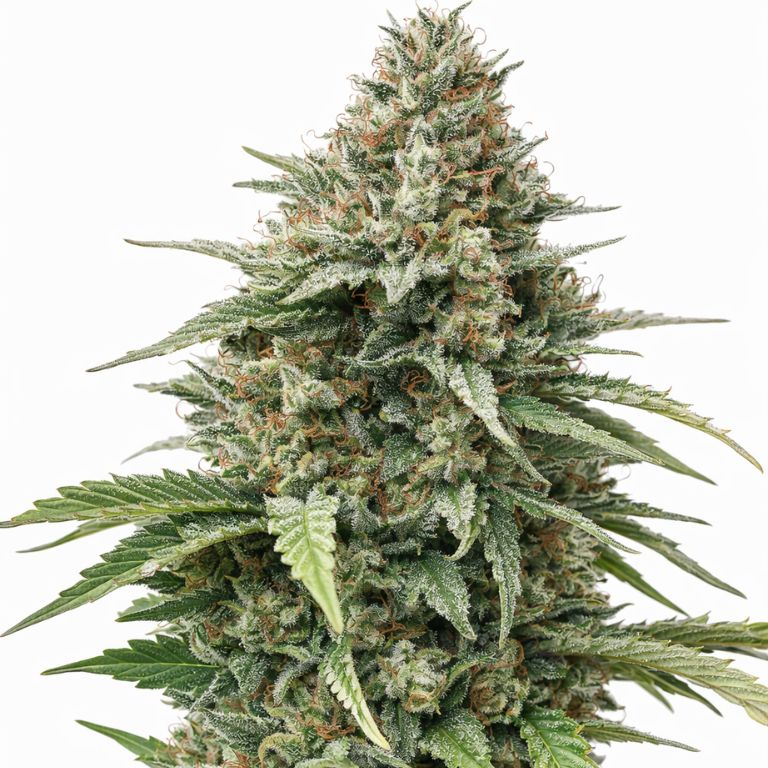
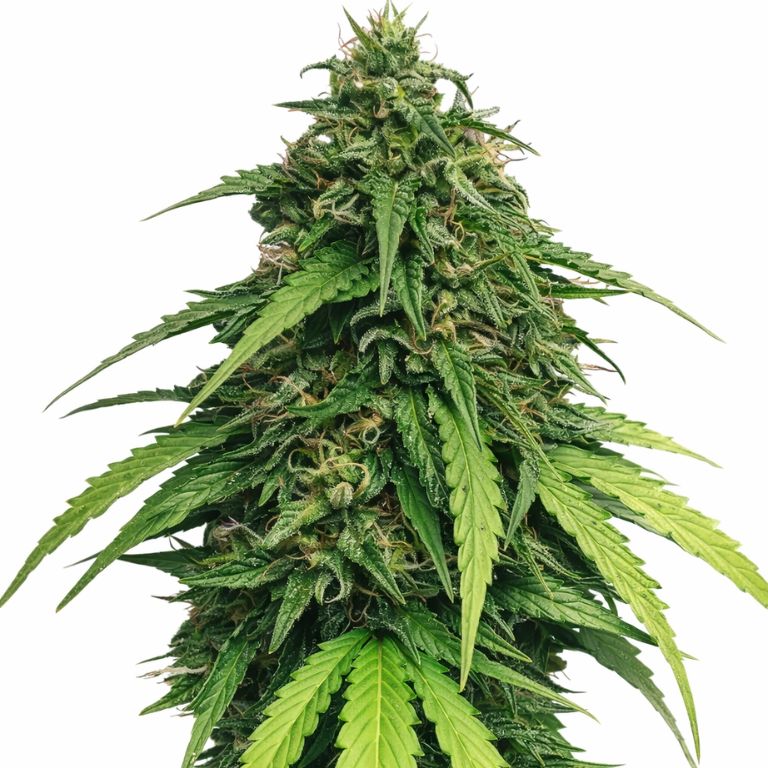
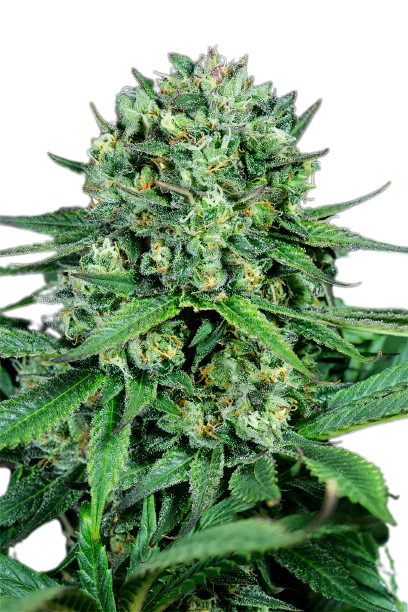
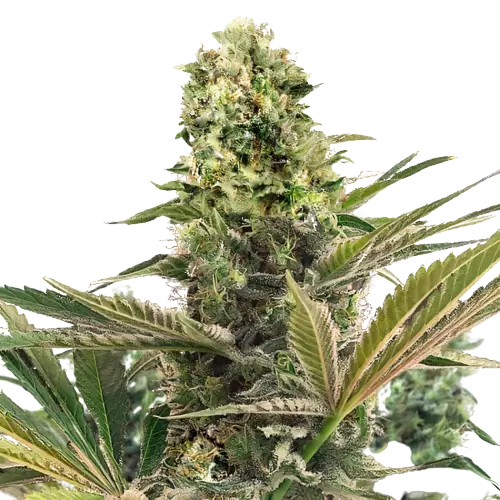
T1, often referred to by its nickname “Trump,” is a hemp strain renowned for its significant medical value. This non-intoxicating strain is celebrated for its high cannabidiol (CBD) content and negligible tetrahydrocannabinol (THC) levels, making it a preferred choice for individuals seeking natural therapeutic options without experiencing psychoactive effects. As one of the premier high-CBD strains, T1 embodies a balance of potency, versatility, and adaptability that benefits patients and cultivators alike. This in-depth analysis explores its origins, chemical composition, medical potential, and optimal growing conditions, emphasizing its critical role in medical applications.
Origins of T1

The development of T1 is deeply rooted in the growing demand for hemp strains with high CBD concentrations and minimal THC content. Its creation reflects a targeted effort to produce a therapeutic strain compliant with legal hemp guidelines (defined as containing less than 0.3% THC). The origins of T1 trace back to the crossbreeding of “The Wife,” a CBD-rich strain noted for its resinous flowers and exceptional therapeutic properties, and another high-CBD cultivar that contributed to T1’s overall stability and growth vigor.
“The Wife” served as a cornerstone for T1’s genetic lineage, providing its impressive CBD dominance and resin production capabilities. The anonymous second parent strain brought complementary traits, including resilience to environmental stressors, a unique terpene composition, and enhanced cannabinoid stability. This deliberate genetic selection resulted in a strain that consistently produces high yields of CBD-rich flower with a robust and aromatic terpene profile.
T1’s nickname, “Trump,” arose due to its bold and resilient growth characteristics, mirroring a commanding presence. While its branding occasionally generates debate, its therapeutic value and stable genetics have cemented its reputation among medical hemp strains. Despite the playful name, T1’s true significance lies in its ability to address a wide spectrum of medical conditions safely and effectively.
Chemical Profile of T1
T1’s therapeutic properties are deeply tied to its distinctive chemical composition. As a hemp strain, T1 contains high levels of cannabidiol (CBD) and minimal amounts of tetrahydrocannabinol (THC), ensuring compliance with legal requirements while providing substantial medical benefits.
Key Cannabinoid Content
- CBD (Cannabidiol): The cornerstone of T1’s chemical profile is its CBD concentration, which typically ranges from 14% to 18%. CBD is a non-psychoactive cannabinoid widely studied for its therapeutic effects, including anti-inflammatory, neuroprotective, analgesic, and anxiolytic properties. These attributes make it a versatile option for managing chronic conditions and promoting overall wellness.
- THC (Tetrahydrocannabinol): T1 contains less than 0.3% THC, a level well below the threshold required for psychoactivity. This ensures patients can benefit from the strain’s therapeutic properties without experiencing intoxicating effects, making it particularly appealing to those seeking clear-headed relief.
Terpene Profile
T1’s rich terpene profile enhances its therapeutic potential through the “entourage effect,” where cannabinoids and terpenes work synergistically to amplify their benefits. The following terpenes dominate T1’s profile:
- Myrcene: Renowned for its calming and sedative properties, myrcene contributes to T1’s effectiveness in treating anxiety, stress, and insomnia.
- Pinene: With anti-inflammatory and bronchodilatory effects, pinene supports respiratory health and enhances cognitive clarity.
- Caryophyllene: Uniquely interacting with CB2 receptors in the endocannabinoid system, caryophyllene offers potent anti-inflammatory and pain-relieving effects.
- Limonene: Associated with mood enhancement and stress relief, limonene complements CBD’s anxiolytic properties.
- Humulene: This terpene provides additional anti-inflammatory benefits and may help regulate appetite.
By combining these terpenes with its robust cannabinoid profile, T1 delivers a multifaceted therapeutic experience tailored to a broad range of medical needs.
Medical Benefits of T1

T1’s medical applications span a wide array of conditions, underscoring its versatility as a therapeutic agent. With its high CBD content, extensive terpene repertoire, and negligible THC levels, T1 has emerged as a cornerstone in medical cannabis treatment protocols.
Pain Management
Millions of people throughout the world suffer from chronic pain, and T1 provides a safe, natural alternative for those who want to reduce their symptoms without taking NSAIDs or opioids. CBD’s interaction with the endocannabinoid system (ECS) helps regulate pain perception and reduce inflammation, making it an effective option for conditions such as arthritis, fibromyalgia, and neuropathic pain. Caryophyllene, a prominent terpene in T1, enhances these effects by binding to CB2 receptors, which play a critical role in modulating inflammation and immune responses.
Patients with musculoskeletal injuries, post-surgical pain, or conditions like sciatica report improved mobility and reduced discomfort when incorporating T1 into their treatment regimens.
Anxiety and Stress Reduction
Among the most prevalent mental health issues are anxiety disorders, which include social anxiety, generalized anxiety disorder (GAD), and post-traumatic stress disorder (PTSD). T1’s anxiolytic properties offer a promising natural remedy. By modulating serotonin receptor activity and dampening the physiological stress response, CBD promotes relaxation and emotional balance.
The synergistic effects of myrcene, limonene, and CBD create a calming influence without sedation, making T1 particularly suitable for patients needing stress relief while maintaining focus and productivity.
Sleep Support
For individuals suffering from insomnia or disrupted sleep patterns, T1 provides a natural pathway to restorative rest. CBD’s ability to regulate sleep-wake cycles, coupled with myrcene’s sedative effects, can help patients fall asleep faster and experience deeper, more rejuvenating sleep. Unlike conventional sleep aids, T1 does not cause morning grogginess or dependency, making it an ideal choice for long-term use.
Inflammatory Conditions
Inflammation is a common underlying factor in many chronic conditions, including rheumatoid arthritis, inflammatory bowel disease (IBD), and psoriasis. T1’s anti-inflammatory properties, driven by its high CBD content and terpenes like caryophyllene and humulene, make it a powerful tool for managing inflammation. Patients with autoimmune disorders, allergies, or other inflammatory conditions often report reduced symptoms and improved quality of life with T1.
Neurological Disorders
T1 holds promise as a neuroprotective agent, particularly for conditions such as epilepsy, multiple sclerosis, and Parkinson’s disease. CBD’s ability to reduce neuronal excitability and protect against oxidative stress can help manage symptoms, improve mobility, and enhance overall neurological health. Research into CBD-based treatments, including those derived from strains like T1, continues to explore its potential in mitigating neurodegenerative diseases.
Mood Disorders
Depression, bipolar disorder, and other mood-related conditions may benefit from T1’s stabilizing effects. By reducing inflammation in the brain and modulating neurotransmitter activity, CBD can support emotional regulation and cognitive function. Limonene’s uplifting properties further enhance its suitability for combating low mood and promoting a sense of well-being.
Cancer Care Support
Cancer patients undergoing chemotherapy or radiation often face debilitating side effects such as pain, nausea, and loss of appetite. T1 offers supportive care by alleviating these symptoms through its anti-nausea, analgesic, and anti-inflammatory effects. Additionally, emerging research suggests CBD may have anti-tumor properties, though more studies are needed to confirm its efficacy in this context.
Growing Conditions for T1
Cultivating T1 successfully requires attention to its specific growing needs. Its adaptability and resilience make it suitable for both indoor and outdoor environments, but optimal conditions maximize its cannabinoid and terpene production.
Climate Requirements
T1 thrives in climates with warm days and cool nights. Outdoor growers should ensure their location provides ample sunlight and protection from extreme weather conditions. The strain’s genetic stability allows it to adapt to varying climates, making it a viable choice for growers in temperate, subtropical, and Mediterranean regions.
Soil and Nutrient Needs
Rich, loamy soil with a balanced pH of 6.0 to 7.0 is ideal for T1. The strain responds well to organic farming practices, including the use of compost and natural fertilizers. Providing the right mix of nitrogen, phosphorus, and potassium during different growth stages ensures robust vegetative growth and abundant flower production.
Watering and Irrigation
Consistent but moderate watering is crucial for T1’s health. Overwatering can lead to root rot, while underwatering may stress the plant and reduce yields. Proper drainage and moisture monitoring are essential, particularly in outdoor settings where rainfall patterns vary.
Temperature and Humidity Control
For indoor cultivation, maintaining a stable temperature range of 70°F to 85°F during the day and slightly cooler temperatures at night supports healthy growth. Humidity levels should be kept between 40% and 60% to prevent mold and mildew, especially during the flowering phase.
Lighting Requirements
Indoor growers should use full-spectrum LED lights to replicate natural sunlight. T1 responds well to a light cycle of 18 hours of light and 6 hours of darkness during the vegetative stage, transitioning to 12 hours of light and 12 hours of darkness during the flowering stage.
Harvesting and Post-Harvest Processing
T1’s flowering period typically lasts 8 to 10 weeks. The best time to harvest depends on tracking trichome development. Once the trichomes turn milky white, the flowers are at peak cannabinoid and terpene content. Post-harvest, the flowers should be dried in a controlled environment with temperatures of 60°F to 70°F and humidity levels of 50% to 60%. Proper curing enhances the strain’s aroma, flavor, and therapeutic potency.
Restrictions on Using T1 Strain in the Medical Field and as a Last Resort

The T1 strain, with its high CBD content and minimal THC levels, holds immense potential in the medical field. However, its use must be carefully regulated to ensure it remains a safe, effective, and ethical choice for patients. To maximize its therapeutic benefits while mitigating risks, medical practitioners and regulatory bodies often impose restrictions on its usage. These include reserving T1 for cases where conventional treatments have failed or caused adverse effects, and rigorously monitoring THC levels in derived medications to prevent any psychoactive impact on patients. This section explores the considerations and restrictions for using T1 in the medical field and highlights the importance of safeguarding its application within established ethical and legal frameworks.
Reserved for Use as a Last Resort
One of the most critical restrictions on the use of T1 in the medical field is its designation as a treatment option of last resort. This means that its prescription is often limited to patients who have not responded to traditional treatments or who have experienced significant side effects from conventional medications. This restriction has multiple justifications:
- Ensuring Safety and Efficacy: While CBD is considered generally safe, its interaction with other medications or underlying conditions may require careful monitoring. Reserving T1 for cases where other options have been exhausted minimizes unnecessary risks for patients.
- Avoiding Overreliance on Cannabinoid Therapy: Cannabinoid-based treatments like T1-derived medications should not overshadow proven first-line treatments. Conditions such as chronic pain, anxiety, or epilepsy often have well-established therapies, and T1 should only be introduced when these fail to provide adequate relief.
- Ethical Considerations: Physicians have a responsibility to prioritize evidence-based treatments that have undergone extensive clinical testing. While research on CBD is growing, T1-based treatments are still emerging, necessitating a cautious approach to their use.
For instance, T1 may be reserved for patients with treatment-resistant epilepsy, severe anxiety unresponsive to standard therapies, or chronic pain that cannot be managed through conventional analgesics. By designating T1 as a last-resort treatment, medical practitioners ensure that its use is both ethical and medically justified.
Monitoring THC Levels to Prevent Psychoactive Effects
Although T1 is a hemp strain with THC levels well below 0.3%, strict monitoring of THC content in medications derived from it is essential. This is particularly important in medical applications where the psychoactive effects of THC could compromise patient safety, well-being, or treatment adherence.
Legal and Regulatory Requirements
Under federal regulations in many countries, hemp-derived products must contain less than 0.3% THC to be legally classified as hemp. Medical institutions using T1 must ensure that all extracts, oils, or formulations derived from the strain adhere to this limit. Regulatory agencies often require third-party laboratory testing to confirm cannabinoid profiles, providing transparency and ensuring compliance.
Mitigating Risks to Patients
Even trace amounts of THC can accumulate in the body with prolonged use, potentially causing unintended psychoactive effects or positive drug test results. This is particularly concerning for:
- Children and Elderly Patients: These populations are more vulnerable to the psychoactive effects of THC, even in small quantities, which could lead to confusion, dizziness, or cognitive impairment.
- Patients with Psychiatric Conditions: For individuals with conditions such as schizophrenia or bipolar disorder, THC exposure may exacerbate symptoms or interfere with treatment plans.
- Workplace and Legal Implications: Patients undergoing T1-based therapy may face challenges in professional or legal settings if their medications contain detectable THC levels.
To address these concerns, healthcare providers must prioritize products that are rigorously tested and certified to contain negligible or non-detectable levels of THC.
Ensuring Appropriate Dosing and Monitoring
Monitoring does not stop at THC levels alone. The appropriate dosing of CBD is equally critical to prevent potential side effects, such as drowsiness, diarrhea, or interactions with other medications. Medical professionals prescribing T1-based treatments must implement comprehensive patient monitoring protocols, including:
- Baseline Assessments: Evaluating the patient’s medical history, current medications, and overall health to identify potential contraindications.
- Regular Follow-Ups: Monitoring for therapeutic outcomes and adverse effects ensures that T1-based treatments are effective and well-tolerated.
- Titrated Dosing: Starting with low doses and gradually increasing as needed allows for the customization of treatment while minimizing risks.
These measures ensure that T1’s use in the medical field remains controlled, targeted, and in line with patient safety priorities.
Promoting Responsible Use in the Medical Field
Another important restriction is the promotion of responsible use within the broader medical community. This involves:
- Education and Training: Physicians, pharmacists, and healthcare providers must be educated on the pharmacological properties of T1, its potential interactions, and its limitations. This knowledge ensures that they can make informed decisions about when and how to use the strain in treatment plans.
- Ethical Prescribing Practices: Medical professionals must resist pressure to overprescribe cannabinoid-based treatments and remain committed to prioritizing evidence-based care. T1’s potential should be leveraged thoughtfully and responsibly to avoid misuse or overuse.
- Research and Development: Encouraging rigorous clinical trials and longitudinal studies helps build a more comprehensive understanding of T1’s long-term effects, therapeutic applications, and safety profile. Such research also informs future regulatory guidelines and best practices.
The Balance Between Accessibility and Regulation
While T1’s therapeutic potential is undeniable, its use must strike a balance between accessibility for patients in need and adherence to stringent regulatory frameworks. By limiting its application to cases where conventional treatments fail and enforcing rigorous monitoring of THC levels, healthcare providers can ensure that T1-based treatments remain safe, ethical, and effective.
These restrictions not only protect patients but also reinforce the credibility of cannabinoid-based therapies within the medical community. As research continues to expand our understanding of T1 and its applications, maintaining these safeguards will be essential to promoting its responsible use in medicine.
Conclusion
The T1 strain represents a significant advancement in the field of medical cannabis, offering a high-CBD, low-THC profile that provides substantial therapeutic benefits without psychoactive effects. Its origins as a carefully bred hemp strain highlight the dedication of cultivators to meet the increasing demand for effective, non-intoxicating medical treatments. By combining the powerful therapeutic properties of CBD with a robust terpene profile, T1 has proven itself as a versatile solution for conditions ranging from chronic pain and inflammation to anxiety, neurological disorders, and sleep disturbances.
Despite its remarkable potential, the use of T1 in the medical field must be approached with caution and responsibility. The restrictions placed on its application, such as reserving it as a last-resort treatment and monitoring THC levels in derived products, are crucial for ensuring patient safety, maintaining regulatory compliance, and safeguarding the credibility of cannabinoid-based therapies. These restrictions help mitigate risks associated with THC exposure, particularly for vulnerable populations, while promoting ethical prescribing practices and responsible use among medical professionals.
The cultivation and processing of T1 also require precision and adherence to best practices to maximize its therapeutic potential. From selecting optimal growing conditions to ensuring proper harvesting and post-harvest processing, each step in the cultivation process contributes to the quality and efficacy of T1-based treatments. Rigorous testing of cannabinoid and terpene profiles further guarantees that products meet legal standards and deliver consistent results for patients.
Looking forward, the integration of T1 into medical practice depends on continued research and education. Expanding clinical trials and longitudinal studies will deepen our understanding of its long-term effects and applications, while training healthcare providers in its safe and effective use will ensure that patients receive the highest standard of care.
In summary, T1 stands as a beacon of promise in the realm of plant-based medicine, offering relief to those who may have exhausted conventional options. Its careful regulation, ethical use, and commitment to patient safety underscore its importance as a therapeutic tool. By respecting these guidelines and continuing to explore its potential, T1 has the power to improve lives while shaping the future of cannabinoid medicine.