Medical Strain Analysis: Swiss Gold
Swiss Gold is a renowned strain within the world of medical cannabis, celebrated for its therapeutic properties and unique chemical profile. Its reputation is firmly rooted in its ability to deliver substantial medical benefits, making it a preferred choice for patients seeking relief from a variety of conditions. This analysis delves into Swiss Gold’s origins, chemical composition, medical benefits, and cultivation requirements, with a focus on its value as a medicinal tool.
Origins of Swiss Gold
Swiss Gold’s lineage is traced back to Swiss breeding practices, where cultivators focused on developing strains with a balanced cannabinoid profile and robust adaptability to diverse environments. Switzerland’s progressive stance on cannabis cultivation provided the ideal breeding grounds for high-CBD strains. Swiss Gold, with its unique genetic makeup, is a product of these efforts.
The strain is thought to have descended from a lineage of landrace cannabis varieties native to the mountainous regions of Switzerland. Landrace strains are known for their resilience and ability to thrive in challenging climates, and this heritage imbues Swiss Gold with a similar hardiness. By crossbreeding these landrace strains with modern hybrids, breeders achieved a plant that combines the therapeutic benefits of CBD with mild psychoactive effects attributed to THC, all while maintaining a chemical balance conducive to medical use.
Chemical Profile of Swiss Gold

Swiss Gold’s chemical composition is one of its defining features, characterized by a high CBD-to-THC ratio. CBD (cannabidiol) and THC (tetrahydrocannabinol) are two of the most prominent cannabinoids in cannabis, each contributing to the plant’s therapeutic potential. In Swiss Gold, CBD typically dominates the profile, with levels often ranging from 8-14%, while THC content is usually lower, between 5-8%. This balance ensures that patients benefit from the therapeutic effects of CBD without the intense psychoactivity commonly associated with high-THC strains.
In addition to cannabinoids, Swiss Gold boasts a robust terpene profile. Terpenes are aromatic compounds that contribute to the strain’s smell and flavor while also enhancing its medicinal effects through the entourage effect. Swiss Gold is rich in myrcene, limonene, pinene, and beta-caryophyllene. Myrcene is known for its sedative and anti-inflammatory properties, making it beneficial for pain management and sleep disorders. Limonene contributes to mood elevation and stress relief, while pinene supports respiratory health and mental focus. Beta-caryophyllene, unique among terpenes for its ability to interact with the body’s CB2 receptors, plays a key role in reducing inflammation and modulating immune responses.
The cannabinoid and terpene synergy in Swiss Gold makes it particularly effective for managing conditions such as chronic pain, anxiety, and inflammation. This balanced chemical profile ensures that Swiss Gold remains a versatile option for patients seeking a non-intoxicating, medically focused strain.
Medical Benefits of Swiss Gold

Swiss Gold is prized for its wide range of medical applications, with patients and clinicians alike acknowledging its efficacy in addressing various health conditions. Its high CBD content and complementary terpenes make it suitable for managing both physical and mental health challenges.
1. Pain Management Swiss Gold’s analgesic properties are among its most celebrated attributes. Chronic pain conditions, including arthritis, fibromyalgia, and neuropathy, often see significant improvement with the use of Swiss Gold. The CBD in Swiss Gold interacts with the body’s endocannabinoid system, particularly CB1 and CB2 receptors, to modulate pain perception. The presence of myrcene and beta-caryophyllene further enhances this effect by reducing inflammation, a common underlying cause of chronic pain.
2. Anti-Inflammatory Effects Inflammation is a core component of many medical conditions, including autoimmune diseases, Crohn’s disease, and inflammatory bowel syndrome (IBS). Swiss Gold’s anti-inflammatory properties are largely attributed to its high CBD content and the synergistic effects of beta-caryophyllene and pinene. By reducing inflammation at the cellular level, Swiss Gold helps mitigate symptoms such as swelling, redness, and discomfort.
3. Anxiety and Stress Relief Mental health disorders, particularly anxiety and stress-related conditions, are significantly alleviated by Swiss Gold’s calming effects. The strain’s high CBD content promotes relaxation without inducing paranoia or excessive sedation. Limonene plays a critical role in uplifting mood and reducing stress, while the mild presence of THC provides a soothing effect that complements the CBD’s anxiolytic properties. Patients with generalized anxiety disorder (GAD), social anxiety, and post-traumatic stress disorder (PTSD) often report marked improvements in symptoms with Swiss Gold.
4. Neuroprotective Benefits Swiss Gold has shown promise as a neuroprotective agent, potentially benefiting patients with neurodegenerative diseases such as Parkinson’s, Alzheimer’s, and multiple sclerosis (MS). CBD’s ability to reduce oxidative stress and inflammation in the brain is crucial in slowing disease progression. Furthermore, the presence of pinene aids cognitive function, making Swiss Gold a viable option for managing cognitive decline and improving mental clarity.
5. Support for Epilepsy and Seizure Disorders CBD-rich strains like Swiss Gold are well-documented for their efficacy in reducing the frequency and severity of seizures in patients with epilepsy. Swiss Gold’s low THC content minimizes the risk of psychoactive side effects, making it particularly suitable for pediatric patients or those sensitive to THC.
6. Sleep Disorders Patients suffering from insomnia or disrupted sleep cycles may benefit from Swiss Gold’s sedative properties. Myrcene and CBD together promote relaxation and help regulate sleep patterns. Unlike pharmaceutical sleep aids, Swiss Gold provides a natural alternative with minimal risk of dependency.
7. Immune System Modulation Swiss Gold’s ability to modulate the immune response is beneficial for patients with autoimmune diseases such as lupus and rheumatoid arthritis. Beta-caryophyllene, which binds directly to CB2 receptors, plays a pivotal role in reducing immune-mediated inflammation, thus alleviating symptoms without compromising immune function.
Growing Conditions for Swiss Gold
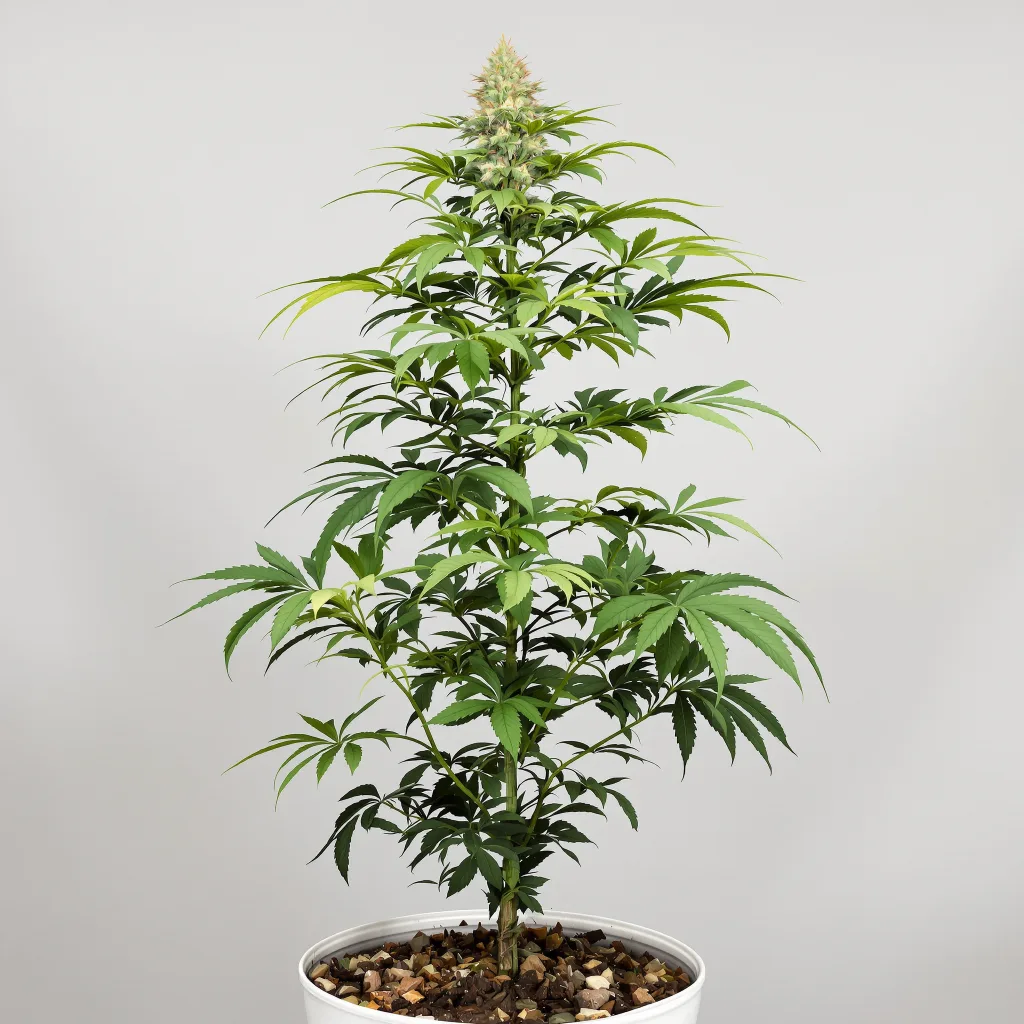
Cultivating Swiss Gold requires an understanding of its genetic traits and environmental preferences. Its lineage, derived from resilient Swiss landrace strains, equips it with the ability to adapt to diverse climates. However, optimal growing conditions are essential to maximize its therapeutic potential.
Climate and Environment Swiss Gold thrives in temperate to slightly cooler climates, reflective of its mountainous origins. It is suitable for both indoor and outdoor cultivation, with outdoor grows benefiting from ample sunlight and moderate humidity. In indoor setups, maintaining a temperature range of 68-78°F (20-25°C) and relative humidity of 40-50% during the flowering stage ensures robust growth and resin production.
Soil and Nutrients The strain prefers nutrient-rich, well-draining soil with a slightly acidic to neutral pH (6.0-7.0). Organic soil amendments, such as compost and worm castings, enhance its cannabinoid and terpene profile. Nutrient supplementation during the vegetative phase should emphasize nitrogen for healthy foliage growth, transitioning to phosphorus and potassium during flowering to support bud development.
Light Requirements Swiss Gold benefits from consistent light exposure, with indoor cultivators typically employing a 18/6 light cycle during the vegetative phase and a 12/12 cycle during flowering. Full-spectrum LED or HID lights are preferred for their ability to mimic natural sunlight.
Watering and Care Regular watering is crucial, but overwatering must be avoided to prevent root rot. Allowing the topsoil to dry out between watering sessions ensures healthy root development. The Sea of Green (SOG) method and low-stress training (LST) are two pruning and training strategies that can maximize light exposure and boost yield.
Flowering Time and Yield Swiss Gold has a relatively short flowering period of 8-10 weeks. Late September to early October is when outdoor harvests usually take place. The strain is known for its moderate yields, with indoor plants producing 1.5-2 ounces per square foot and outdoor plants yielding up to 16 ounces per plant under optimal conditions.
Pest and Disease Resistance Thanks to its landrace heritage, Swiss Gold exhibits strong resistance to common pests and diseases. However, growers should remain vigilant against mold and mildew, particularly in high-humidity environments. Regular inspections and preventive measures, such as proper ventilation and the use of natural pest repellents, help maintain plant health.
Medical Application and Patient Feedback
Swiss Gold has garnered positive feedback from patients and healthcare providers for its consistent and reliable therapeutic effects. Its high CBD content, coupled with a balanced THC level, makes it a versatile option across a broad spectrum of medical conditions. Clinicians often recommend Swiss Gold as a first-line treatment for patients seeking natural alternatives to pharmaceutical medications.
Patients report significant improvements in quality of life, citing reduced pain, improved mood, and better sleep patterns as some of the most noticeable benefits. For those with chronic conditions requiring long-term management, Swiss Gold offers a sustainable and non-intoxicating solution.
Restrictions on Using Swiss Gold in the Medical Field: Ensuring Safe and Responsible Application

Swiss Gold, while celebrated for its medical applications, requires careful oversight and regulation to ensure its use is restricted to medical contexts. Its cannabinoid profile, particularly the presence of THC, necessitates stringent guidelines to prevent unintended psychoactive effects on patients. Moreover, its application in medical settings should be limited to cases where conventional treatments have proven insufficient, thereby positioning it as a last-resort therapeutic option. This section examines these restrictions and highlights the importance of monitoring THC levels to prioritize patient safety.
1. Limiting Use to Medical Contexts
Swiss Gold’s high CBD-to-THC ratio lends it significant therapeutic potential, but this same characteristic also raises concerns about potential misuse. The strain’s mild psychoactive effects, though far less intense than those of high-THC strains, can still lead to unwanted outcomes if not carefully managed. To mitigate this risk, Swiss Gold should be strictly regulated for use in medical settings only.
Healthcare providers prescribing this strain must adhere to rigorous protocols, ensuring that its use is justified based on the patient’s medical history and specific condition. This includes thoroughly documenting the decision-making process that leads to Swiss Gold being considered as a treatment option. By restricting access to licensed medical practitioners and regulated dispensaries, authorities can prevent unauthorized or recreational use, preserving the strain’s integrity as a medical resource.
2. Establishing Swiss Gold as a Last-Resort Treatment
The medical community typically reserves cannabinoid-based therapies for cases where conventional treatments have failed or are unsuitable due to side effects or contraindications. Swiss Gold should follow this model, serving as a last-resort option for patients with chronic or treatment-resistant conditions.
For example, in the management of chronic pain, patients often begin with nonsteroidal anti-inflammatory drugs (NSAIDs), physical therapy, or nerve blocks. If these interventions prove ineffective, Swiss Gold can then be considered as an alternative due to its potent analgesic and anti-inflammatory properties. Similarly, for epilepsy or seizure disorders, Swiss Gold may be introduced only after first-line medications, such as antiepileptic drugs, have failed to achieve adequate control.
This hierarchical approach ensures that Swiss Gold is used judiciously, minimizing the risk of over-reliance on cannabinoid therapies and preserving their efficacy for those who truly need them.
3. Monitoring THC Levels in Medical Applications
Despite Swiss Gold’s reputation for having a low THC level, users must be closely watched to make sure they do not suffer any unintended psychoactive side effects. Even small amounts of THC can affect individuals differently based on factors such as age, weight, metabolism, and existing medical conditions. Therefore, precise control over THC levels in medications derived from Swiss Gold is crucial.
In pharmaceutical formulations, THC content should be standardized and tested rigorously before distribution. Modern extraction and manufacturing techniques allow for the separation and precise measurement of cannabinoids, enabling the production of high-CBD, low-THC formulations tailored to specific medical needs. Regulatory bodies must mandate strict testing protocols, requiring all products derived from Swiss Gold to meet predefined THC thresholds that prioritize safety and minimize psychoactivity.
Additionally, medical professionals should educate patients about the potential effects of THC, even in minimal amounts, and monitor their response to treatment. This includes conducting follow-up appointments to assess efficacy and side effects, as well as adjusting dosages as necessary to achieve the desired therapeutic outcome without compromising safety.
4. Safeguarding Vulnerable Populations
Patients in vulnerable populations, such as children, the elderly, and individuals with mental health disorders, are particularly susceptible to the psychoactive effects of THC. For pediatric epilepsy patients, for example, even trace amounts of THC may lead to unwanted side effects or developmental concerns. Similarly, elderly patients with cognitive impairments or those taking multiple medications may be at increased risk of adverse interactions.
To address these concerns, healthcare providers must exercise heightened caution when prescribing Swiss Gold to these groups. In such cases, formulations with zero or negligible THC levels should be prioritized, ensuring that patients receive the medical benefits of CBD without the risk of psychoactivity. Clinicians should also engage in thorough risk-benefit analyses before initiating treatment and maintain open communication with patients and caregivers.
5. Ensuring Ethical Prescribing Practices
To maintain public trust and uphold ethical standards, medical professionals prescribing Swiss Gold must act with transparency and accountability. This involves providing patients with detailed information about the treatment, including potential risks, benefits, and alternatives. Informed consent is a cornerstone of ethical medical practice, and patients must fully understand the rationale behind using Swiss Gold as a treatment option.
In addition to patient education, healthcare systems should implement monitoring frameworks to track the use of Swiss Gold in medical settings. These frameworks may include prescription registries, periodic audits, and outcome tracking to ensure compliance with established guidelines and identify trends or issues that may require further regulation.
6. Collaboration with Regulatory Bodies
Collaboration between healthcare providers, researchers, and regulatory authorities is essential to establish clear guidelines for the medical use of Swiss Gold. This includes defining acceptable THC levels, standardizing testing methods, and developing comprehensive labeling requirements for cannabinoid-based medications.
Ongoing research into Swiss Gold’s medical applications and long-term effects is also crucial. By generating robust clinical evidence, researchers can provide healthcare providers with the data they need to make informed prescribing decisions, while also supporting policymakers in crafting regulations that balance access with safety.
Comprehensive Conclusion on Swiss Gold and Its Medical Use
Swiss Gold stands out as a cannabis strain with exceptional therapeutic potential, owing to its high CBD content, balanced THC levels, and rich terpene profile. Its origins, deeply rooted in Swiss landrace genetics, highlight its robust adaptability and the meticulous breeding efforts aimed at producing a strain optimized for medical applications. The chemical composition of Swiss Gold offers a harmonious synergy between cannabinoids and terpenes, making it effective for addressing a wide array of medical conditions, including chronic pain, inflammation, anxiety, neurodegenerative diseases, epilepsy, and sleep disorders.
However, its application in the medical area must be treated with prudence, regulated by tight rules and ethical procedures. Swiss Gold should be restricted to medical contexts, ensuring that its application is focused solely on providing therapeutic benefits to patients. By designating Swiss Gold as a last-resort treatment, healthcare providers can prioritize conventional therapies and reserve cannabinoid-based options for cases where traditional methods have failed or are unsuitable. This approach not only upholds medical integrity but also mitigates potential over-reliance on cannabis-based treatments.
Monitoring THC levels in Swiss Gold-derived medications is critical to preventing psychoactive effects and safeguarding patient safety, particularly for vulnerable populations such as children, the elderly, and individuals with mental health conditions. Precise testing, standardization, and regulatory oversight are essential components of this process. Medical professionals must remain vigilant in their prescribing practices, ensuring that patients receive accurate information about their treatment options and are closely monitored for efficacy and side effects.
The cultivation of Swiss Gold requires careful attention to its specific growing conditions, with a focus on maximizing its medicinal properties. From soil composition and light requirements to pest management and nutrient supplementation, cultivating this strain demands expertise and adherence to best practices. Its resilience, inherited from Swiss landrace genetics, makes it adaptable to diverse environments, but optimal yields and chemical profiles are achieved through meticulous care.
Swiss Gold is a standout medicinal cannabis strain with a balanced chemical profile and significant therapeutic benefits, ideal for managing complex medical conditions. Its cultivation emphasizes precision to ensure high-quality products, and its use should be regulated, with monitored THC levels and reserved as a last-resort treatment. Through responsible application, continued research, and ethical practices, Swiss Gold can remain a safe, effective, and impactful option in medical care.