Get 15% OFF with code GROWNOW15
My Account Order Lookup Cannabis Guides Beginner Seeds Intermediate Seeds Master Seeds

Medical Strain Analysis: Sundance.

Medical Strain Analysis Sundance

Medical Strain Analysis: Sundance

Sundance is a medical cannabis strain that has earned recognition for its unique therapeutic profile, offering potential benefits to patients facing a wide variety of conditions. As a relatively modern strain, Sundance represents the ongoing evolution of cannabis breeding, with its chemical profile specifically tailored to meet the demands of the medical community. This comprehensive analysis delves into the origins, chemical composition, medical benefits, and growing conditions of Sundance, with a strong emphasis on its potential as a medical solution, excluding any recreational context or consumption methods.

Origins of Sundance

The development of Sundance highlights the advancements in cannabis breeding, driven by the goal of creating a strain that offers maximum therapeutic benefits while minimizing psychoactive effects. Sundance was designed to balance cannabinoids and terpenes for a synergistic therapeutic effect, often referred to as the “entourage effect.”

Though the precise genetic lineage of Sundance varies depending on the breeder, it is commonly derived from strains known for their medical properties. These often include parent strains like Cannatonic, ACDC, or other hybrids that combine high cannabidiol (CBD) content with moderate levels of tetrahydrocannabinol (THC). Strains such as Harlequin or Charlotte’s Web—renowned for their therapeutic ratios of cannabinoids—may also contribute to its lineage.

The origin of Sundance reflects a need to address the growing patient population seeking medical cannabis as a treatment for various chronic conditions. By prioritizing high CBD levels over THC, Sundance meets the demands of patients who want relief without experiencing intense psychoactivity. This balanced approach makes it particularly well-suited for people new to cannabis or those managing chronic conditions over long periods.

Chemical Profile of Sundance

Sundance is recognized for its chemical complexity, which includes a harmonious ratio of cannabinoids, as well as a rich and diverse terpene profile. These two aspects work together to define its therapeutic potential, creating a versatile tool for the medical community.

Cannabinoid Content

The cannabinoid profile of Sundance is characterized by moderate levels of THC, generally ranging between 5% and 10%, and a high concentration of CBD, often between 10% and 20%. This ratio ensures that the psychoactive properties of THC are mitigated by CBD’s calming and non-intoxicating effects, resulting in a strain that is effective without impairing daily functionality.

CBD plays a central role in Sundance’s medical applications, offering anti-inflammatory, neuroprotective, and anxiolytic benefits. It interacts with various receptor systems in the body, such as the endocannabinoid system (ECS), to restore balance and reduce symptoms of numerous medical conditions. THC, though present in lower concentrations, contributes to pain relief and muscle relaxation by activating CB1 receptors in the brain and spinal cord.

Terpene Profile

Terpenes, the aromatic compounds responsible for cannabis’ distinct scent and flavor, contribute significantly to Sundance’s medical efficacy. The strain’s terpene profile enhances its therapeutic effects while also influencing patient experience. Key terpenes found in Sundance include:

  • Myrcene: Known for its sedative and muscle-relaxing properties, myrcene is effective in alleviating stress, promoting restful sleep, and managing physical discomfort.
  • Limonene: With its uplifting citrus aroma, limonene is linked to improved mood, reduced anxiety, and stress relief. It may potentially have anti-inflammatory properties.
  • Caryophyllene: This terpene is unique in that it directly interacts with the ECS, specifically the CB2 receptors, enhancing anti-inflammatory and analgesic effects.
  • Pinene: Pinene is recognized for its ability to improve mental clarity and respiratory function. It also has anti-inflammatory and antioxidant properties that support general health.

The combination of cannabinoids and terpenes in Sundance exemplifies the entourage effect, a phenomenon where these compounds work together to amplify their individual therapeutic benefits. This makes Sundance an effective strain for treating both physical and psychological symptoms.

Medical Benefits of Sundance

The versatility of Sundance lies in its ability to target a wide array of medical conditions, offering relief without significant side effects or psychoactive impact. Below is an expanded look at the conditions Sundance is used to manage and how its unique chemical profile addresses them.

1. Chronic Pain Management

Chronic pain is one of the most challenging medical conditions to treat, and Sundance has proven to be a powerful alternative to traditional medications, such as opioids. Its balanced THC-CBD ratio targets pain through multiple mechanisms. THC acts on the central nervous system, modulating pain signals, while CBD addresses inflammation at its source, reducing discomfort caused by conditions such as:

  • Arthritis
  • Neuropathy
  • Fibromyalgia
  • Lower back pain

Additionally, caryophyllene’s interaction with CB2 receptors amplifies the anti-inflammatory and analgesic effects, offering long-lasting relief for chronic pain sufferers.

2. Anxiety and Stress Disorders

Sundance’s high CBD content makes it particularly effective for managing anxiety and stress-related disorders. Unlike high-THC strains, which may exacerbate anxiety, Sundance provides a calming experience without sedation. CBD interacts with serotonin receptors, promoting relaxation and reducing symptoms of anxiety disorders, including:

  • Generalized Anxiety Disorder (GAD)
  • Social Anxiety Disorder (SAD)
  • Post-Traumatic Stress Disorder (PTSD)

The limonene in Sundance further contributes to its calming effects by enhancing mood and reducing stress, making it a valuable option for patients struggling with mental health conditions.

3. Inflammation and Autoimmune Disorders

Inflammation is a common underlying factor in chronic diseases, from autoimmune conditions like multiple sclerosis (MS) and Crohn’s disease to localized pain and swelling. The anti-inflammatory properties of CBD, supported by terpenes such as caryophyllene and pinene, make Sundance highly effective in reducing inflammation and its associated symptoms.

By modulating immune responses and suppressing inflammatory pathways, Sundance offers relief to patients suffering from conditions where inflammation plays a central role. Its use as an anti-inflammatory agent is particularly valuable for patients seeking to avoid the long-term side effects of nonsteroidal anti-inflammatory drugs (NSAIDs) or corticosteroids.

4. Sleep Disorders

Sundance’s sedative properties, attributed primarily to myrcene, make it a natural remedy for patients with sleep disorders, including insomnia. Myrcene works by relaxing the muscles and calming the mind, paving the way for restful sleep. Unlike traditional sleep aids, Sundance does not result in dependency or leave patients feeling groggy the following day, making it an ideal option for long-term management of sleep issues.

5. Seizure Disorders

Sundance’s high CBD concentration has made it a potential treatment option for seizure disorders such as epilepsy, including rare and severe forms like Dravet syndrome and Lennox-Gastaut syndrome. Patients’ quality of life is enhanced by CBD’s anticonvulsant qualities, which lessen the frequency and intensity of seizures.

6. Neurological and Neurodegenerative Disorders

Emerging research has highlighted the neuroprotective properties of CBD, making Sundance a promising candidate for treating conditions such as:

  • Parkinson’s disease
  • Alzheimer’s disease
  • Amyotrophic lateral sclerosis (ALS)
  • Multiple sclerosis

CBD helps reduce oxidative stress and inflammation in the brain, potentially slowing disease progression and alleviating symptoms such as tremors, muscle stiffness, and cognitive decline.

7. Mood and Emotional Disorders

Sundance has shown promise in helping patients with mood disorders such as depression and bipolar disorder. The presence of limonene promotes mood elevation, while CBD’s ability to stabilize neural activity helps regulate emotional responses. This multifaceted approach allows patients to achieve better mental clarity and emotional balance without the side effects often associated with pharmaceutical treatments.

Growing Conditions for Sundance

The cultivation of Sundance requires precise attention to detail to ensure its therapeutic potential is fully realized. Whether grown indoors or outdoors, optimizing environmental factors is essential for maximizing its cannabinoid and terpene content.

Indoor Cultivation

Indoor growing provides control over variables such as temperature, humidity, and lighting, ensuring consistent results. Sundance thrives in temperatures between 70-80°F (21-27°C) during the day, with slightly cooler nights. Humidity levels should be kept between 40-50% during flowering to prevent mold or mildew.

Lighting is another critical factor. Sundance responds well to LED grow lights, which offer full-spectrum lighting and energy efficiency. The strain typically has a flowering period of 8 to 10 weeks, during which nutrient-rich feeding schedules are necessary to support resin and terpene production.

Outdoor Cultivation

Sundance also performs well in outdoor settings, particularly in climates resembling the Mediterranean, with plenty of sunlight and moderate humidity. Rich, well-draining soil supplemented with organic matter provides the best growing medium. Regular pruning techniques, such as topping or low-stress training (LST), can optimize light exposure and airflow, leading to healthier plants and higher yields.

Nutritional Needs

During the vegetative stage, Sundance benefits from higher levels of nitrogen, essential for leaf development. In the flowering stage, the focus shifts to nutrients like phosphorus and potassium, which promote flower formation and resin production. Micronutrients such as calcium and magnesium further support plant health and enhance the final product’s potency.

Harvesting and Curing

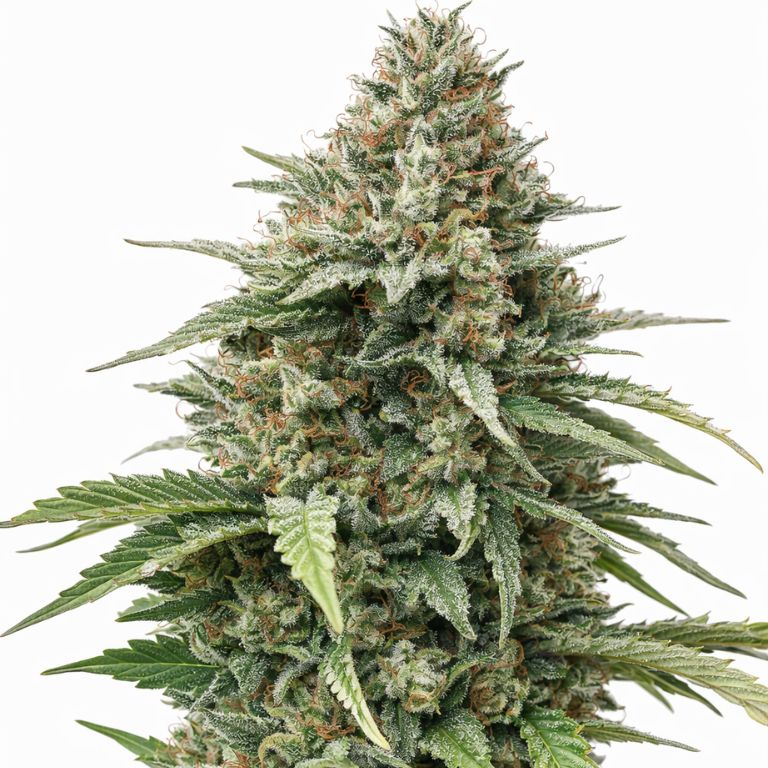
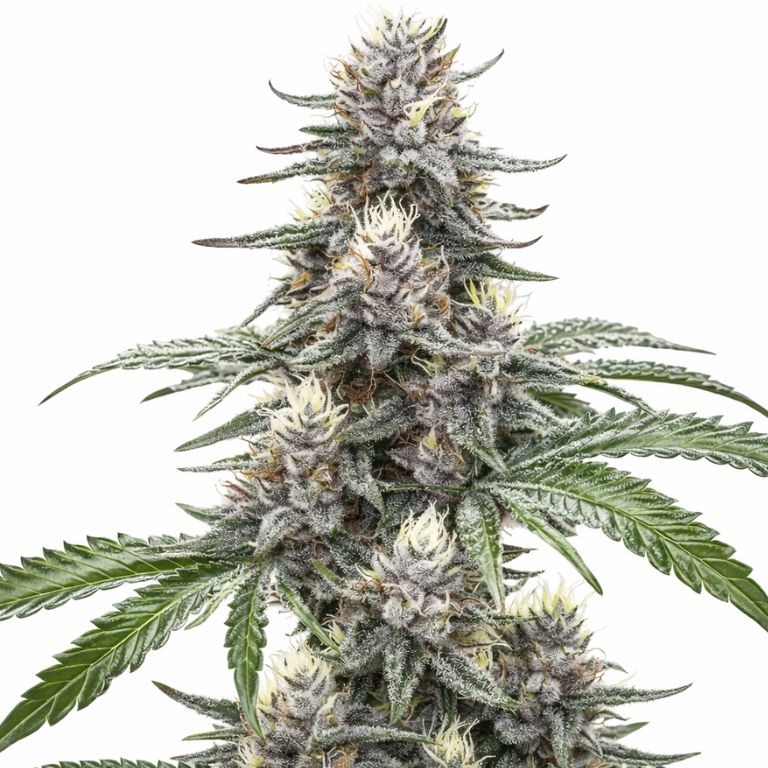
Timing is critical when harvesting Sundance. The optimal harvest window is identified by examining the trichomes—small resinous glands on the flowers. When trichomes turn milky white with a few amber-colored ones, the plant is ready to be harvested. Proper drying and curing techniques preserve the chemical integrity of the buds, ensuring maximum therapeutic efficacy and shelf life.

Restrictions on Using Sundance in the Medical Field

The use of cannabis-based medications, including strains like Sundance, has become a topic of significant debate and research in the medical community. While Sundance offers numerous therapeutic benefits due to its balanced cannabinoid profile, its use is subject to important restrictions. These restrictions aim to ensure patient safety, appropriate use, and prevention of unintended psychoactive effects. This section examines the constraints on using Sundance in the medical field, emphasizing its role as a last-resort option and the importance of monitoring THC levels in medications.

1. Medical Use as a Last Resort

Sundance, like other cannabis-based treatments, is often restricted to use as a last-resort medication in clinical settings. This implies that it is usually only recommended when patients suffer unacceptable side effects from normal drugs or when traditional treatments have failed. This limitation ensures that cannabis-based therapies are applied judiciously and only when necessary.

Rationale for Last-Resort Use

The rationale behind this restriction is rooted in the need for a conservative approach to medical cannabis. While Sundance’s high CBD content mitigates many concerns related to cannabis use, the inclusion of THC—albeit in moderate levels—requires cautious administration. Medical cannabis treatments are still under study for their long-term safety and efficacy, making it essential to reserve their use for cases where other treatments have proven ineffective. Examples of conditions where Sundance might be considered a last-resort option include:

  • Chronic pain unresponsive to opioids or nonsteroidal anti-inflammatory drugs (NSAIDs).
  • Treatment-resistant epilepsy, such as Lennox-Gastaut syndrome.
  • Intractable anxiety disorders where traditional anxiolytics are ineffective or cause severe side effects.
  • Autoimmune or inflammatory conditions where corticosteroids or biologics are not viable.

Limiting Sundance to these contexts ensures that patients receive cannabis-based therapies only when they are medically justified and when their potential benefits outweigh any risks.

2. Monitoring THC Levels to Prevent Psychoactive Effects

One of the primary concerns with using cannabis-derived medications is the psychoactive potential of tetrahydrocannabinol (THC). While Sundance is formulated to minimize THC content compared to recreational strains, it still contains low to moderate levels (5-10%) that can induce mild psychoactivity in sensitive patients. Therefore, monitoring and controlling THC levels in medications derived from Sundance is critical for ensuring safety, especially in vulnerable populations.

Challenges of THC in Medical Cannabis

THC’s psychoactive properties, while beneficial for certain conditions such as severe pain or nausea, may cause undesirable side effects, including:

  • Cognitive impairment
  • Altered perception or mood
  • Anxiety or paranoia in sensitive individuals
  • Dependency with prolonged use

These effects can interfere with daily functioning and quality of life, especially in patients who need to remain alert or manage responsibilities such as work or caregiving.

Approaches to THC Monitoring

To address these concerns, regulatory guidelines and medical protocols have been established to ensure the safe use of THC-containing medications:

  1. Standardized Dosing: Medications derived from Sundance are often produced with precise cannabinoid ratios, ensuring consistent THC levels. Patients are typically started on low doses, with gradual adjustments based on their response and tolerance.
  2. Microdosing Strategies: Physicians may adopt microdosing techniques, where patients receive the smallest effective dose to achieve therapeutic benefits without significant psychoactivity. This approach is particularly useful for conditions requiring long-term management.
  3. CBD-to-THC Ratio Optimization: Sundance’s naturally high CBD content helps counteract the psychoactive effects of THC. By ensuring a CBD-to-THC ratio that prioritizes CBD, clinicians can further minimize the risk of adverse effects.
  4. Patient Monitoring: Regular monitoring of patients receiving Sundance-based medications is crucial. This includes tracking their response to treatment, assessing for side effects, and adjusting dosages as necessary. Blood tests or saliva tests may also be used to measure THC levels, particularly for patients at higher risk of psychoactive effects.
  5. Exclusion in Vulnerable Populations: Medical cannabis containing THC, even in low levels, is often contraindicated in certain populations, such as children, pregnant women, and individuals with a history of substance abuse or severe psychiatric conditions. For these groups, alternative treatments or pure CBD formulations are recommended.
3. Regulatory Framework for Medical Use

Governments and medical boards worldwide have established strict regulations to control the use of cannabis-based therapies, including Sundance. These regulations ensure that such treatments are used responsibly and only when evidence supports their efficacy and safety.

Prescription and Licensing

In most jurisdictions, cannabis-based medications can only be prescribed by licensed physicians who have undergone specialized training in medical cannabis. This ensures that Sundance is only used by practitioners with the expertise to assess its suitability for specific patients.

Approval for Specific Conditions

Medical use of Sundance is often restricted to conditions approved by regulatory authorities, such as chronic pain, epilepsy, or multiple sclerosis. Off-label use is generally discouraged unless supported by robust clinical evidence.

Controlled Supply Chain

To prevent misuse, medications derived from Sundance are produced and distributed through tightly regulated supply chains. These controls ensure product quality, consistency, and accurate labeling of cannabinoid content.

4. Ethical and Practical Considerations

The ethical use of Sundance in medical settings requires balancing patient autonomy with public health concerns. While many patients advocate for broader access to cannabis-based therapies, healthcare providers must prioritize safety and evidence-based practice.

Patient Education

Patients considering Sundance must be thoroughly educated about its potential benefits, risks, and limitations. Clear communication helps manage expectations and ensures informed decision-making.

Research and Evidence Base

Expanding the evidence base for Sundance is essential to support its medical use. Ongoing clinical trials and observational studies are critical for understanding its long-term effects and identifying optimal use cases.

Minimizing Stigma

Despite growing acceptance of medical cannabis, stigma persists. Healthcare providers must approach Sundance with professionalism and focus on its therapeutic potential, fostering trust and confidence in its use.

Comprehensive Conclusion

The Sundance medical cannabis strain represents a significant advancement in the development of cannabis-based therapies. Its unique chemical composition, featuring a balanced ratio of CBD and THC complemented by a robust terpene profile, makes it a versatile tool for managing a wide range of medical conditions. Sundance’s ability to address chronic pain, inflammation, neurological disorders, mood disturbances, and sleep problems underscores its potential to improve patients’ quality of life when conventional treatments fall short.

Despite its therapeutic promise, the use of Sundance is not without challenges or restrictions. As outlined, the strain is reserved for use as a last-resort option, ensuring that patients exhaust conventional treatment methods before turning to cannabis-based solutions. This cautious approach reflects the need for evidence-based medical practices and the importance of avoiding over-reliance on any single treatment modality.

A central consideration in Sundance’s use is the monitoring of THC levels. While the strain is designed to minimize psychoactive effects, THC’s presence still poses risks for some patients, such as cognitive impairment, mood alterations, or dependency. By maintaining strict dosing protocols, leveraging CBD’s natural counteractive properties, and excluding its use in vulnerable populations, healthcare providers can ensure its safe and effective application. The emphasis on microdosing, patient education, and regular monitoring further reinforces this responsible approach.

From a regulatory perspective, Sundance is subject to stringent controls to ensure its safe use in clinical settings. Licensed practitioners must prescribe it for approved conditions, and its production and distribution are tightly regulated to guarantee quality and consistency. These measures ensure that Sundance is accessible to those who genuinely need it while preventing misuse or recreational exploitation.

The ethical and practical considerations of integrating Sundance into medical practice highlight the broader challenges of using cannabis-based therapies. Public health policies, patient education, and ongoing research must converge to ensure that its therapeutic potential is realized without contributing to stigma or unintended consequences.

In conclusion, Sundance epitomizes the evolving relationship between medical science and cannabis. It demonstrates how careful breeding, research, and regulatory oversight can transform a historically misunderstood plant into a valuable medical tool. By adhering to restrictions, prioritizing patient safety, and advancing clinical research, Sundance can play a pivotal role in modern medicine as a controlled, safe, and effective treatment option for a range of challenging medical conditions.

Share

Leave a comment

Your email address will not be published. Required fields are marked *