Get 15% OFF with code GROWNOW15
My Account Order Lookup Cannabis Guides Beginner Seeds Intermediate Seeds Master Seeds

Medical Strain Analysis: Sugar Black Rose.

Medical Strain Analysis Sugar Black Rose

Medical Strain Analysis: Sugar Black Rose

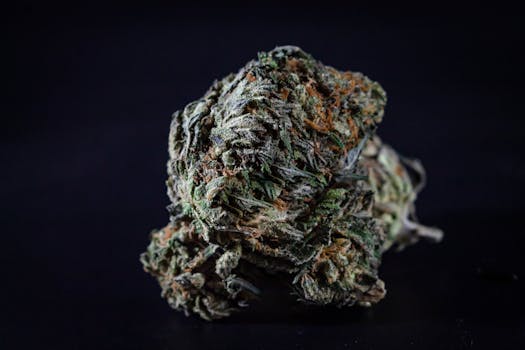
Sugar Black Rose is a distinctive and cherished strain in the medical cannabis community, celebrated for its potent therapeutic profile, balanced genetic composition, and range of beneficial effects for patients dealing with various health conditions. This strain is the product of expert breeding that highlights the therapeutic properties found within both Indica and Sativa strains, giving Sugar Black Rose a unique edge in addressing a broad spectrum of medical conditions.

Origins and Genetic Lineage

Sugar Black Rose originates from a precise crossbreeding of two esteemed strains: Critical Mass and Black Domina. Critical Mass, a known heavyweight in the world of medicinal cannabis, is derived from the popular Afghan and Skunk #1 genetics. This combination imbues Critical Mass with a powerful set of Indica-dominant traits, often used in clinical settings for its high cannabinoid content and ability to promote relaxation and pain relief.

Black Domina, on the other hand, is a high-potency, pure Indica strain that carries genes from several exceptional landrace Indica varieties, including Northern Lights, Ortega, Hash Plant, and Afghani SA. Known for its intense sedative effects and robust terpene profile, Black Domina is a preferred choice for treating insomnia, chronic pain, and muscle spasms.

By blending these two strains, Sugar Black Rose emerged with a genetic profile that maximizes the benefits of both parent strains, while also developing a unique terpene and cannabinoid composition. Sugar Black Rose tends to lean toward an Indica-dominant hybrid, typically with a composition of 80% Indica and 20% Sativa. This balance allows the strain to provide both physical and mental therapeutic effects, making it an effective option for a range of medical users seeking relief from complex symptoms.

Chemical Profile and Cannabinoid Composition

The chemical profile of Sugar Black Rose is key to its extensive medicinal properties. Like many strains bred specifically for medical purposes, Sugar Black Rose features a high THC content, usually ranging between 18-22%, though some phenotypes have shown levels up to 24%. This potency provides the strength necessary to address moderate to severe symptoms without needing large doses, which is beneficial for patients seeking efficacy without excessive consumption.

Although Sugar Black Rose is predominantly known for its THC content, it also contains a range of other cannabinoids and terpenes that enhance its effects through the entourage effect. The average CBD content is relatively low, typically between 0.5-1%, but it contributes subtle anxiolytic and anti-inflammatory properties that synergize with the strain’s other active compounds.

Notable terpenes within Sugar Black Rose include:

  1. Myrcene: Indica-dominant strains often contain myrcene, a terpene known for its calming and muscle-relaxing properties. It is known to amplify the effects of THC, promoting the strain’s analgesic and calming effects. Myrcene content in Sugar Black Rose often exceeds 0.5%, contributing to a calming effect that can help patients with insomnia or anxiety.
  2. Limonene: Limonene provides anti-anxiety and mood-enhancing effects, making it useful for patients dealing with chronic stress, depression, or PTSD. Its presence in Sugar Black Rose balances the sedative effects of myrcene, giving patients a strain that can both relieve physical symptoms and improve mood.
  3. Beta-Caryophyllene: This terpene binds directly to CB2 receptors in the endocannabinoid system and has demonstrated encouraging analgesic and anti-inflammatory properties. Patients with conditions involving inflammation, such as arthritis, may find Sugar Black Rose beneficial due to its beta-caryophyllene content, which supports long-lasting relief.
  4. Pinene: Pinene is known for its potential to counteract the cognitive fog sometimes induced by THC, providing a clearer, more focused therapeutic experience. It also possesses bronchodilator properties, which may benefit patients with asthma or other respiratory issues.
  5. Linalool: Linalool, known for its lavender aroma, contributes to Sugar Black Rose’s relaxing properties and enhances its ability to treat symptoms of anxiety and depression. Its sedative effects work well in concert with myrcene, helping the strain offer both physical and mental relaxation.

The specific combination of these cannabinoids and terpenes in Sugar Black Rose creates a powerful synergy that enhances the strain’s therapeutic efficacy, making it a valuable strain for medicinal purposes.

Medical Benefits of Sugar Black Rose
  1. Pain Relief: Sugar Black Rose has proven highly effective for managing pain due to its potent Indica lineage and the high THC levels. Chronic pain patients, especially those dealing with neuropathic pain or inflammatory conditions, can benefit from its fast-acting analgesic effects. The THC acts on CB1 receptors, modulating pain perception, while beta-caryophyllene and myrcene offer additional relief through anti-inflammatory properties. This makes Sugar Black Rose suitable for conditions like fibromyalgia, multiple sclerosis, arthritis, and chronic migraines.
  2. Anxiety and Stress Management: Sugar Black Rose’s balanced profile allows it to deliver a calming, anti-anxiety effect without causing excessive sedation. The combination of limonene, linalool, and low levels of CBD promotes relaxation while helping to mitigate anxiety, making it an excellent choice for individuals with generalized anxiety disorder (GAD), social anxiety, or post-traumatic stress disorder (PTSD). By enhancing mood and reducing stress levels, this strain provides therapeutic benefits for those who need relief from mental tension or chronic anxiety-related conditions.
  3. Insomnia and Sleep Disorders: The high myrcene and linalool content in Sugar Black Rose contributes to its strong sedative properties, making it highly suitable for individuals dealing with insomnia or other sleep disturbances. The strain’s Indica-dominant effects help to relax both the mind and body, making it easier to transition into a restful state. Patients who suffer from conditions like sleep apnea, restless leg syndrome, or chronic insomnia often find Sugar Black Rose beneficial in establishing a regular sleep cycle.
  4. Appetite Stimulation and Nausea Reduction: For patients undergoing treatments that affect appetite, such as chemotherapy or medications for chronic conditions, Sugar Black Rose provides an effective solution. The THC within the strain stimulates appetite by interacting with CB1 receptors, which helps to regulate hunger. Additionally, the combination of THC and limonene works as an anti-emetic, reducing nausea and vomiting. This makes Sugar Black Rose ideal for patients struggling with appetite loss or nausea due to medical treatments or chronic conditions like Crohn’s disease.
  5. Anti-Inflammatory and Muscle Relaxant: Patients with inflammatory conditions such as arthritis, Crohn’s disease, and lupus may benefit from the anti-inflammatory effects of beta-caryophyllene in Sugar Black Rose. Additionally, the strain’s muscle relaxant properties are useful for those suffering from muscle spasms, cramps, or tremors. Patients with conditions like multiple sclerosis, cerebral palsy, or muscular dystrophy, who require consistent relief from muscle-related symptoms, may find this strain particularly beneficial.
  6. Mood Disorders: Sugar Black Rose has shown to be beneficial for patients dealing with mood disorders such as depression and bipolar disorder due to the uplifting properties of limonene and the calming effects of linalool and myrcene. This combination not only alleviates depressive symptoms but can also help stabilize mood swings. Patients have reported feeling uplifted yet calm, making it easier to handle day-to-day stresses and emotional fluctuations.
Growing Conditions and Cultivation Needs

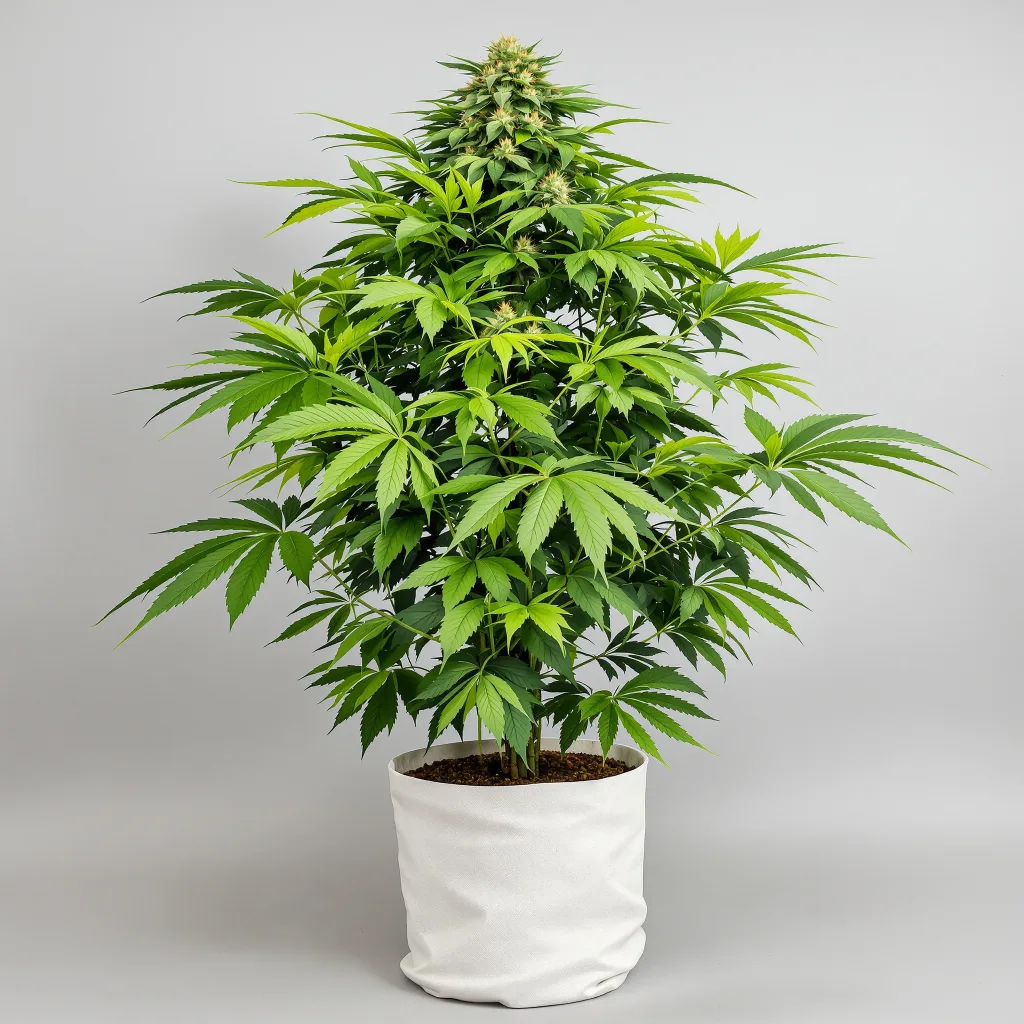
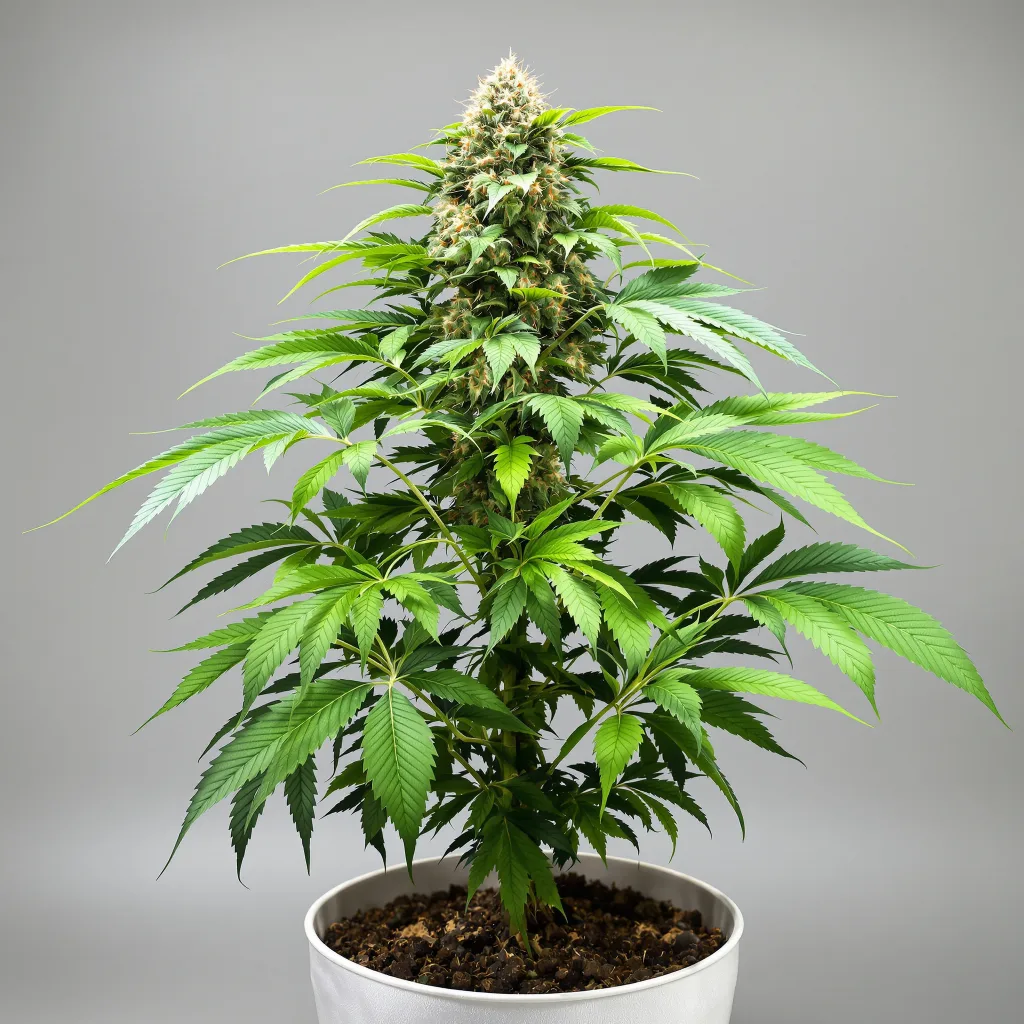
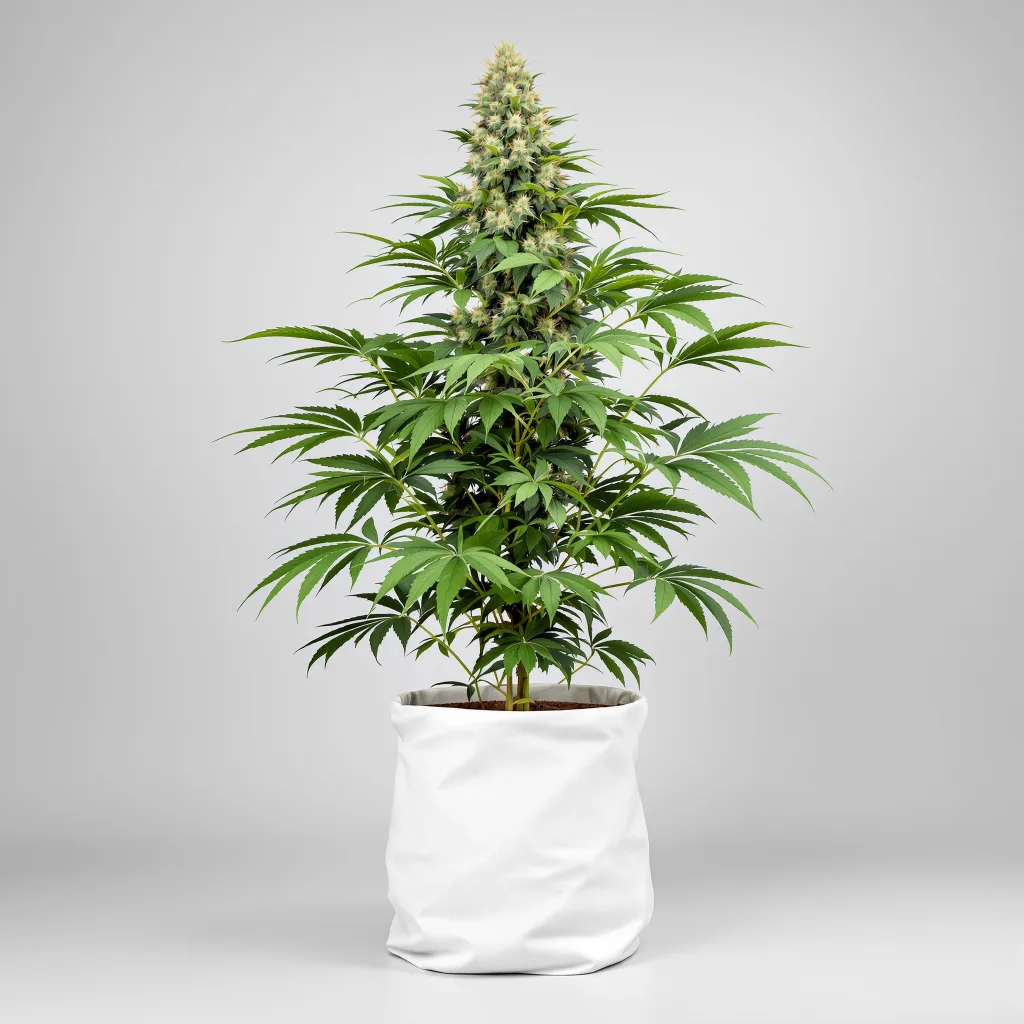
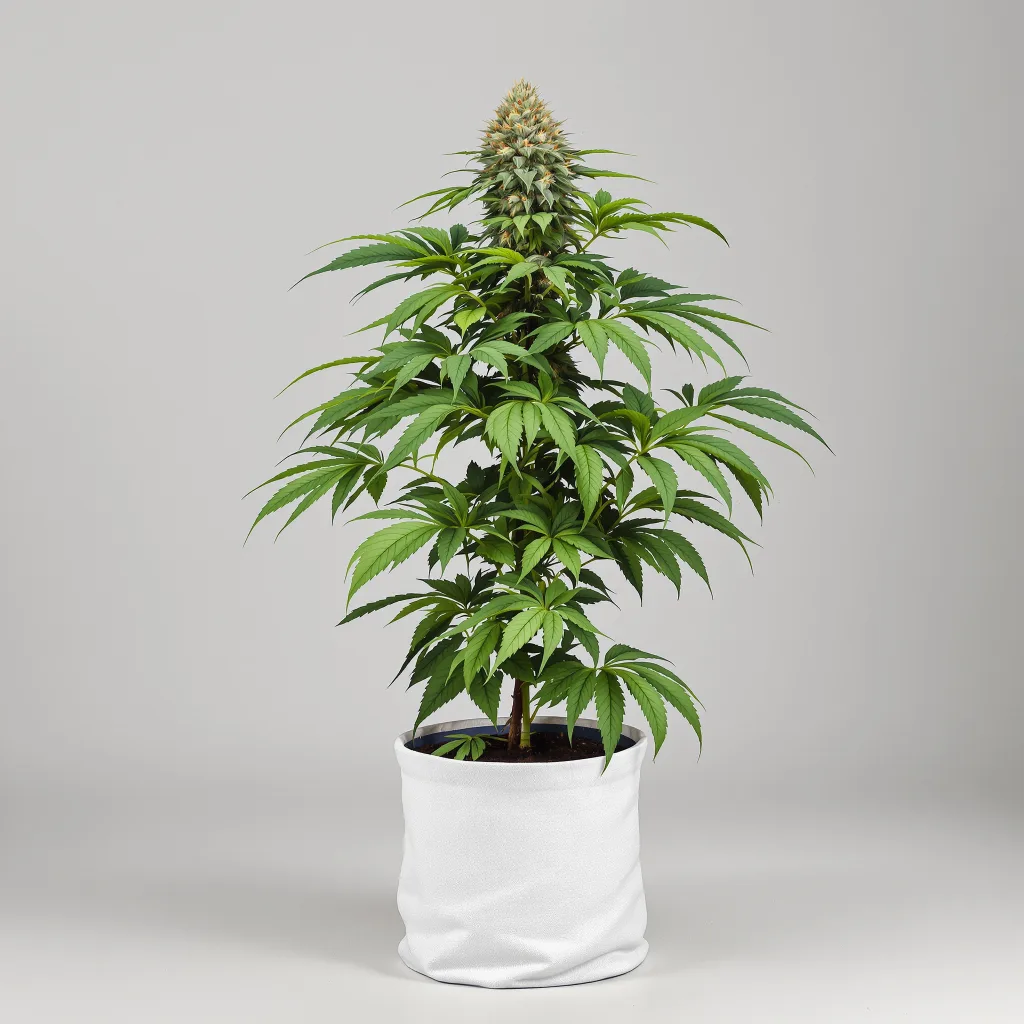
Sugar Black Rose has a unique set of cultivation requirements, making it a moderately challenging strain to grow. However, with the right conditions and attention, cultivators can expect a high yield of dense, aromatic buds ideal for medicinal use.

  1. Climate Requirements: Sugar Black Rose thrives in a controlled indoor environment, although it can also be cultivated outdoors in Mediterranean or temperate climates. The strain is particularly susceptible to changes in humidity and temperature, so growers must carefully monitor these factors. Ideal temperatures range between 70-80°F (21-27°C) during the day, with a slight reduction at night. Maintaining low to moderate humidity, especially during the flowering phase, is essential to prevent mold and mildew growth on the dense buds.
  2. Indoor Cultivation: For indoor growers, using a hydroponic setup can maximize yield and potency, though Sugar Black Rose can also perform well in soil with proper nutrients. Indoor growers benefit from a flowering period of around 8-9 weeks, after which they can expect dense, resin-coated buds that showcase the strain’s high potency. Due to the plant’s relatively compact stature, it is well-suited for indoor grow rooms where space is limited.
  3. Outdoor Cultivation: When cultivated outdoors, Sugar Black Rose should be harvested around late September to early October in the Northern Hemisphere. Outdoor plants tend to grow taller than their indoor counterparts, reaching heights of 5-6 feet. Yields are often higher outdoors, although the grower must be vigilant about pests, mold, and environmental stressors.
  4. Soil and Nutrients: Sugar Black Rose responds well to nutrient-rich soil with an emphasis on potassium and phosphorus during the flowering stage to encourage dense bud formation. Growers should also focus on maintaining balanced nitrogen levels during the vegetative stage to promote healthy growth without compromising the plant’s terpene profile. Adding organic amendments such as bat guano or fish emulsion can enhance terpene production, which is vital for the strain’s medicinal benefits.
  5. Lighting and Photoperiod: Like most Indica-dominant strains, Sugar Black Rose requires a 12-hour light cycle during the flowering stage to encourage bud development. Growers can optimize yield and potency by using full-spectrum LED lights that mimic natural sunlight, as this allows for robust terpene and cannabinoid production. Some cultivators also employ stress techniques, such as low-stress training (LST) and defoliation, to increase light exposure and air circulation around the buds, further enhancing their medicinal quality.
  6. Pest and Mold Resistance: Sugar Black Rose has moderate resistance to pests but requires proactive care to prevent infestations, especially when grown outdoors. Indoor growers may occasionally encounter issues with powdery mildew due to the strain’s dense bud structure, so maintaining proper airflow and humidity levels is essential. Using organic pesticides and fungicides can help protect plants without compromising the final product’s quality, which is crucial for medicinal strains intended for patients with sensitivities.
  7. Harvesting and Curing: Proper harvesting and curing practices are vital to preserving the medicinal properties of Sugar Black Rose. Growers should harvest the buds when the trichomes are milky with a few amber hues, indicating peak potency. Curing the buds for at least 2-3 weeks in a controlled environment with stable humidity around 60-65% will allow the terpenes and cannabinoids to mature fully, enhancing the strain’s therapeutic effects. This careful curing process ensures that the strain retains its potency and maximizes its benefits for medical users.
Restrictions on Using Sugar Black Rose in Medical Field as a Last Resort

While Sugar Black Rose is celebrated for its therapeutic benefits, certain restrictions apply to its use in the medical field, particularly to ensure patient safety and prevent unintended psychoactive effects. Given the high THC content of this strain, careful protocols must be observed when prescribing it to patients, emphasizing its use as a last-resort option and prioritizing close monitoring of THC levels in any formulations intended for medical use.

Restricted Use as a Last Resort in Medical Treatment

In many jurisdictions, high-THC strains like Sugar Black Rose are only recommended when conventional treatments and lower-THC options fail to provide sufficient relief. This restriction is rooted in both regulatory concerns and medical prudence, as the psychoactive effects of THC can be profound, especially in patients unaccustomed to such compounds. By reserving Sugar Black Rose for cases where other therapies, such as traditional pharmaceuticals or CBD-dominant strains, have proven ineffective, healthcare providers can help mitigate the risk of adverse effects while maximizing potential benefits for patients dealing with severe or treatment-resistant symptoms.

This “last-resort” approach also enables physicians to conduct a thorough assessment of each patient’s unique needs and medical history, ensuring that high-THC strains like Sugar Black Rose are only prescribed to those who may genuinely benefit from its potent therapeutic profile. For example, patients with chronic pain conditions, severe insomnia, or cancer-related nausea who have not responded to other treatments may be candidates for this strain. Additionally, practitioners are encouraged to weigh the strain’s benefits against potential psychoactive side effects, particularly for patients with mental health sensitivities, histories of substance misuse, or cognitive vulnerabilities.

THC Level Monitoring to Minimize Psychoactive Effects

To prevent psychoactive effects while still harnessing the therapeutic properties of Sugar Black Rose, healthcare providers and formulators are increasingly focused on monitoring and adjusting THC levels in medicinal preparations. This involves precise laboratory testing to ensure that the dosage aligns with each patient’s tolerance and therapeutic needs, minimizing the risk of psychoactive impact. By utilizing controlled, lab-tested extracts, capsules, or other low-dose formulations, medical professionals can offer patients relief from symptoms like chronic pain or muscle spasms without inducing the euphoria or cognitive impairment commonly associated with high-THC strains.

Pharmaceutical strategies may also involve blending Sugar Black Rose extracts with CBD-dominant compounds to counteract the psychoactive properties of THC. CBD has been shown to modulate the effects of THC, reducing its intoxicating qualities while preserving its therapeutic potential. This approach can be particularly beneficial for patients who require the pain-relieving effects of THC but are sensitive to its psychoactive properties, as the presence of CBD helps create a more balanced medicinal effect.

Patient Education and Informed Consent

An essential component of using high-THC strains in a clinical setting is thorough patient education. Patients must be informed of the potential psychoactive effects of THC, as well as any side effects that may accompany its use, such as dizziness, dry mouth, or fatigue. Clear, informed consent is vital, as some patients may not fully understand the implications of THC-containing treatments if they have no prior experience with cannabinoids. Healthcare providers should also discuss the importance of adhering to prescribed doses, as higher-than-recommended doses can increase the likelihood of adverse reactions.

In addition to educating patients on the potential side effects, practitioners should also explain the necessity of a “last-resort” approach and why a strain like Sugar Black Rose may only be prescribed under specific circumstances. This conversation can help set realistic expectations and reassure patients that other treatment avenues are available if they are concerned about the psychoactive effects.

Guidelines for Monitoring and Adjusting Treatment

Once a patient is prescribed a high-THC strain like Sugar Black Rose, ongoing monitoring is crucial. Medical professionals may utilize follow-up consultations to assess the strain’s efficacy and the patient’s reaction, adjusting doses as necessary to strike an optimal balance between symptom relief and comfort. Monitoring can include both qualitative assessments (e.g., patient feedback on symptom management and side effects) and quantitative measures, such as periodic testing of THC levels in the patient’s system. In cases where psychoactive effects are observed, healthcare providers can reduce the dosage or consider alternative treatment options that maintain therapeutic efficacy without inducing cognitive effects.

Conclusion

In conclusion, Sugar Black Rose stands out as a potent medicinal cannabis strain with a range of therapeutic applications, but its high THC content necessitates a cautious, well-monitored approach in the medical field. With origins rooted in robust Indica genetics, this strain offers significant benefits for patients with conditions like chronic pain, anxiety, insomnia, inflammation, and appetite loss. However, due to its strong psychoactive effects, Sugar Black Rose is typically reserved as a last-resort treatment for individuals who have not found relief through conventional medications or lower-THC cannabis strains.

To mitigate psychoactive side effects, healthcare providers prioritize monitoring THC levels in medical formulations, sometimes blending THC with CBD to balance therapeutic efficacy without compromising patient comfort. Additionally, educating patients and obtaining informed consent are critical to ensuring that individuals fully understand the potential effects and are prepared to manage any side effects responsibly.

Growing Sugar Black Rose requires controlled conditions, especially in indoor environments where temperature, humidity, and lighting can be optimized to produce high-quality, medicinal-grade yields. These carefully cultivated buds, rich in cannabinoids and therapeutic terpenes, offer a tailored solution for patients seeking natural relief.

Ultimately, Sugar Black Rose holds great promise in the realm of medical cannabis, yet its usage remains appropriately restricted and carefully managed. By adhering to regulatory guidelines, dosage controls, and patient-centered monitoring, medical practitioners can safely integrate Sugar Black Rose into a holistic treatment plan, maximizing its benefits while prioritizing patient safety and efficacy. This structured approach allows for the responsible use of Sugar Black Rose as a potent therapeutic agent for complex, treatment-resistant symptoms, thereby enhancing the quality of life for patients who need it most.

Share

Leave a comment

Your email address will not be published. Required fields are marked *