Medical Strain Analysis: Stormy Daniels
The medical cannabis industry is continually evolving, with new strains emerging that are tailored to address specific therapeutic needs. One such strain gaining attention in the medicinal field is Stormy Daniels. Named intriguingly yet with an unassuming allure, this strain has carved a niche for itself due to its unique chemical composition and therapeutic benefits. A closer look into its origins, chemical profile, medical applications, and optimal growing conditions reveals why Stormy Daniels is becoming a pivotal choice for medical cannabis patients.
Origins of Stormy Daniels

The Stormy Daniels strain is an indica-dominant hybrid, widely reputed for its genetic lineage. It is a cross between the celebrated T1 Trump strain and Cherry Blossom. Both of its parent strains are revered in the medicinal cannabis community for their efficacy in alleviating chronic pain, reducing inflammation, and inducing relaxation without overwhelming psychoactive effects.
Stormy Daniels was developed with a focus on high CBD (cannabidiol) content and low THC (tetrahydrocannabinol), ensuring it aligns with the needs of patients who seek symptom relief without significant psychoactive experiences. The breeding of this strain likely involved meticulous selection processes to amplify therapeutic compounds while minimizing intoxicating effects, underscoring its commitment to medicinal applications.
Its naming reflects a playful nod to pop culture, but its impact lies far beyond novelty. It represents a serious advancement in medical cannabis breeding, delivering a strain that balances potency and safety for a wide range of patients.
Chemical Profile
The chemical composition of Stormy Daniels is its most compelling attribute. It is recognized for its exceptional CBD concentration, often ranging between 12% and 18%, with THC levels typically below 0.3%. This makes it federally compliant as hemp in many jurisdictions, thus more accessible to patients in need.
- Cannabinoids: The high CBD-to-THC ratio is key to its medical potential. The anti-inflammatory, analgesic, and neuroprotective qualities of CBD are well known. Although the tiny amounts of THC present are insufficient to produce euphoria, they might be a factor in the “entourage effect,” in which terpenes and cannabinoids cooperate to improve therapeutic results.
- Terpenes: The strain also boasts a diverse terpene profile. Common terpenes include:
- Myrcene: Known for its sedative and muscle-relaxant properties, myrcene may help patients with insomnia or chronic pain.
- Pinene: This terpene offers anti-inflammatory benefits and may improve airflow and respiratory functions.
- Caryophyllene: Unique among terpenes, caryophyllene interacts with CB2 receptors in the endocannabinoid system, making it effective for inflammation and pain relief.
- Limonene: With its uplifting citrus aroma, limonene can alleviate stress and anxiety.
The balanced combination of these terpenes, coupled with the strain’s high CBD content, creates a profile suited to patients seeking relief from a variety of medical conditions without the mental cloudiness often associated with cannabis.
Medical Benefits

Stormy Daniels is particularly versatile in its medical applications. Its balanced profile makes it suitable for addressing a wide range of conditions:
Chronic Pain and Inflammation
CBD’s ability to modulate the body’s inflammatory response is one of its most studied attributes. Patients with arthritis, fibromyalgia, or chronic back pain may find substantial relief with Stormy Daniels. Its anti-inflammatory and analgesic properties help reduce pain while promoting mobility and comfort.
Anxiety and Stress
One of the standout attributes of Stormy Daniels is its calming effects. Unlike THC-dominant strains that may exacerbate anxiety in sensitive individuals, this strain’s high CBD content works to regulate cortisol levels and promote a sense of calm. The limonene terpene further contributes to its anti-anxiety properties, making it a reliable option for those with generalized anxiety disorder, PTSD, or stress-related conditions.
Sleep Disorders
For individuals struggling with insomnia or disrupted sleep cycles, Stormy Daniels offers a non-intoxicating alternative to pharmaceutical sedatives. Myrcene, combined with CBD’s ability to reduce nighttime anxiety and pain, facilitates a more restful sleep, helping patients wake up refreshed.
Epilepsy and Seizure Disorders
CBD’s anti-convulsant properties are well-documented, particularly in the context of rare forms of epilepsy such as Dravet syndrome and Lennox-Gastaut syndrome. While more research is needed, anecdotal evidence suggests Stormy Daniels could provide seizure control for patients seeking plant-based options.
Neurological Disorders
The neuroprotective properties of CBD make Stormy Daniels a potential aid for patients with neurological conditions such as Parkinson’s disease, multiple sclerosis (MS), or Alzheimer’s disease. By reducing inflammation in the brain and modulating neural activity, this strain may help improve quality of life for those affected by degenerative disorders.
Gastrointestinal Relief
Patients with Crohn’s disease, irritable bowel syndrome (IBS), or ulcerative colitis often seek relief through cannabis. The anti-inflammatory effects of CBD, paired with caryophyllene’s ability to interact with the gut’s CB2 receptors, can ease gastrointestinal discomfort and promote healing.
Skin Conditions
CBD’s anti-inflammatory and anti-oxidative properties extend to dermatological applications. Topicals derived from Stormy Daniels may help manage conditions like eczema, psoriasis, and acne by reducing inflammation and supporting skin repair.
Growing Conditions

Cultivating Stormy Daniels requires a detailed understanding of its genetic needs and environmental preferences. Its adaptability and resilience make it suitable for both indoor and outdoor growing, but meticulous care ensures optimal cannabinoid and terpene production.
Climate and Environment
Stormy Daniels thrives in a temperate climate with plenty of sunlight. Outdoor growers should aim for regions where temperatures range between 70°F and 85°F during the growing season. Indoor cultivation allows for greater control over temperature, humidity, and light cycles, critical factors in maximizing yield and quality.
Soil and Nutrients
A well-draining, nutrient-rich soil is essential for healthy plant development. Organic soil supplemented with compost or worm castings enhances its terpene profile. Balanced fertilizers rich in nitrogen, phosphorus, and potassium at different stages of growth support robust development.
Watering and Humidity
Maintaining moderate humidity levels (40%-60%) is crucial to prevent mold and mildew, particularly during the flowering stage. Overwatering can lead to root rot, so careful monitoring of soil moisture is essential.
Lighting
For indoor growers, full-spectrum LED lights or high-intensity discharge (HID) lamps are ideal. The vegetative stage benefits from 18 hours of light, while the flowering stage requires a 12-hour light cycle to stimulate bud production.
Pest and Disease Management
While Stormy Daniels is relatively hardy, it is not immune to pests like spider mites or aphids. It is advised to use organic pest management techniques, like beneficial insects or neem oil, to preserve the plant’s medicinal qualities.
Harvesting and Processing
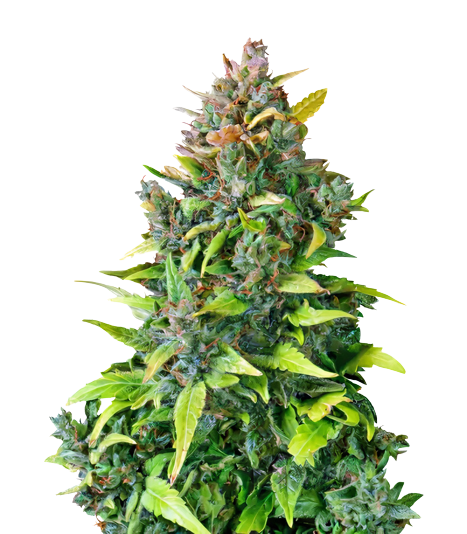
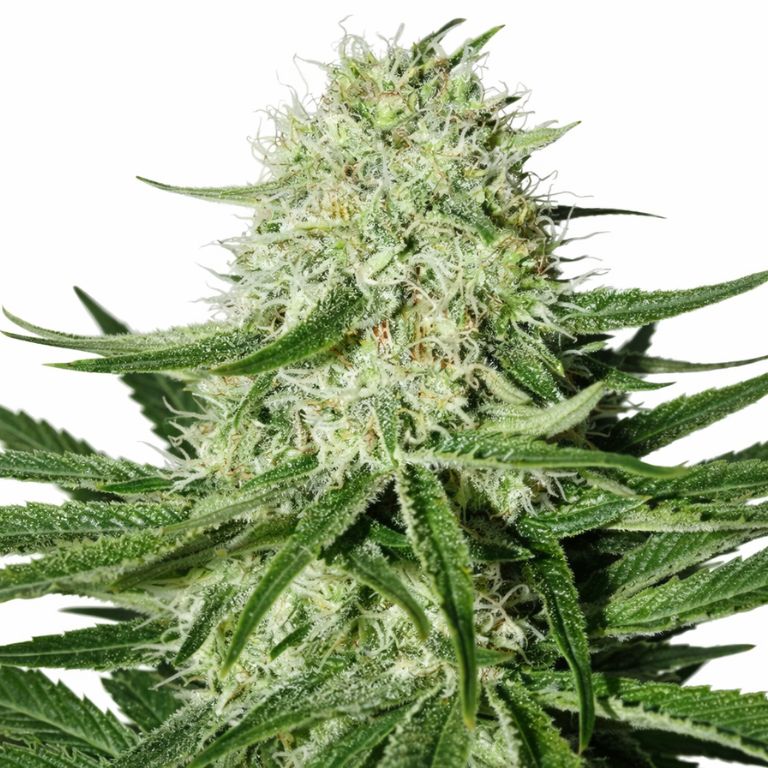
Harvesting is a critical step in preserving the strain’s medicinal properties. Trichomes, the resinous glands on the buds, serve as indicators of readiness. They should appear milky white with some amber hues for peak CBD levels. Proper drying and curing further enhance cannabinoid stability and terpene retention.
Medical Focus and Patient Use
The appeal of Stormy Daniels lies in its accessibility and effectiveness for medical use. Patients who are new to cannabis often find this strain approachable due to its non-intoxicating nature. Its high CBD content makes it an attractive option for those who require consistent symptom relief without cognitive impairment, such as professionals, parents, or the elderly.
Moreover, the strain’s versatility in addressing both physical and mental health challenges ensures it is a valuable tool in integrative medicine. Physicians who advocate for cannabis as part of treatment regimens often recommend strains like Stormy Daniels because of its evidence-backed efficacy and broad patient suitability.
In addition, Stormy Daniels has shown promise in complementing traditional therapies. For instance, cancer patients undergoing chemotherapy have reported reduced nausea and improved appetite with this strain, alongside a reduction in pain and anxiety levels. Similarly, individuals in physical rehabilitation programs may benefit from its muscle-relaxant and anti-inflammatory effects, which help to accelerate recovery and reduce discomfort.
Broader Implications
As the demand for medical cannabis grows, Stormy Daniels exemplifies the direction in which the industry is moving. The focus on non-intoxicating, therapeutic strains signifies a shift towards patient-centric solutions that prioritize safety and efficacy. This strain’s development highlights the role of targeted breeding and rigorous cultivation practices in creating cannabis varieties that meet specific medical needs.
Ongoing research is likely to further substantiate its benefits, potentially paving the way for its inclusion in formal medical protocols. The relatively low barrier to accessibility, thanks to its hemp classification in many regions, also positions Stormy Daniels as a gateway to broader acceptance of cannabis in mainstream medicine.
Restrictions on Using Stormy Daniels in the Medical Field and Ensuring Responsible Application
The medical use of cannabis strains such as Stormy Daniels represents a breakthrough in patient care for a range of conditions. However, the introduction of any cannabis-based treatment must be approached with stringent guidelines and considerations. Given its low THC content and high CBD concentration, Stormy Daniels offers a therapeutic option with minimal psychoactive effects. Nevertheless, strict regulations should govern its use in medical settings to ensure patient safety, monitor THC levels rigorously, and prioritize its use only as a last-resort treatment after other interventions have been exhausted.
Last-Resort Application: A Safeguard Against Misuse
In the medical field, cannabis-based treatments like Stormy Daniels should be prescribed only after traditional treatment options have been explored and proven insufficient. This “last-resort” principle ensures that medical cannabis does not replace or overshadow evidence-based conventional therapies.
For instance, a patient with chronic pain or severe anxiety should first undergo standard treatment protocols, including physical therapy, prescription medications, or psychotherapy. Only when these methods fail to deliver adequate relief should Stormy Daniels be introduced as part of a supervised care plan. This measured approach helps avoid over-reliance on cannabis in cases where other treatments might suffice, reducing the risk of potential long-term dependence or misuse.
By positioning Stormy Daniels as a fallback option, healthcare providers can emphasize its role as a complementary, rather than primary, treatment. This also ensures that its use aligns with medical necessity, fostering trust among patients, healthcare professionals, and regulatory bodies.
THC Monitoring to Prevent Psychoactive Effects
A key advantage of Stormy Daniels lies in its low THC content, typically below 0.3%, which keeps it compliant with hemp classification standards in many regions. Despite this, rigorous monitoring of THC levels in all medications derived from this strain is crucial to avoid even minimal psychoactive effects on patients.
Challenges in THC Regulation
Even trace amounts of THC can accumulate in a patient’s system with prolonged use, potentially leading to unintended psychoactive effects. For this reason, cannabis-derived medications must be subject to stringent quality control measures. Analytical testing by accredited laboratories should verify the cannabinoid profile of every batch, ensuring that THC levels remain consistent and below the threshold for psychoactivity. Regular testing also provides reassurance to patients and medical practitioners that the product is safe and reliable.
Education for Medical Professionals
Healthcare providers prescribing Stormy Daniels must be well-versed in its chemical profile and therapeutic applications. Training programs should educate them on the importance of monitoring THC levels, understanding drug interactions, and recognizing potential side effects. This knowledge enables physicians to adjust dosages appropriately, balancing efficacy with safety.
Patient Monitoring and Feedback
Patients prescribed Stormy Daniels should be closely monitored for any signs of adverse reactions, including sensitivity to THC. Regular follow-ups allow healthcare providers to assess the treatment’s effectiveness, adjust dosages, and ensure that psychoactive effects are minimized. Additionally, patient feedback is essential for understanding individual responses to the medication, as tolerance levels to cannabinoids can vary significantly.
Limiting Usage to Specific Medical Conditions
Restricting Stormy Daniels to clearly defined medical conditions ensures that its use remains focused on areas where it is most effective. High-CBD, low-THC strains have been shown to alleviate symptoms of conditions such as epilepsy, chronic pain, anxiety, and inflammation. Limiting its application to such conditions reduces the risk of misuse and reinforces its role as a targeted medical solution rather than a generalized treatment.
For example, patients with epilepsy who experience seizures resistant to traditional anti-convulsants may benefit significantly from Stormy Daniels. In such cases, the strain’s high CBD content provides relief without the risk of intoxication. Similarly, patients with severe anxiety who are sensitive to THC may find its calming effects helpful without the exacerbation of symptoms that THC-dominant strains might cause.
By restricting the use of Stormy Daniels to specific, evidence-supported conditions, healthcare providers can ensure its application is both ethical and effective.
Integration with Broader Medical Frameworks
Another restriction should involve the integration of Stormy Daniels into broader medical frameworks, ensuring it complements existing therapies rather than replacing them outright. Cannabis-based treatments should be part of a multidisciplinary approach, incorporating physical therapy, counseling, or other medical interventions as needed. This holistic perspective emphasizes that Stormy Daniels is one tool among many in the medical practitioner’s arsenal.
Regulatory Oversight and Accessibility
Governments and regulatory agencies must establish clear guidelines for the cultivation, processing, and distribution of Stormy Daniels. Licensing systems can ensure that only accredited growers and manufacturers produce this strain, maintaining consistent quality and cannabinoid profiles. Additionally, controlled dispensing through pharmacies or medical facilities allows for better tracking and monitoring of its use.
Accessibility should also be carefully managed. While ensuring that patients with genuine medical needs can obtain the strain, over-the-counter availability should be restricted to prevent misuse. Requiring a prescription ensures that only those who have been properly evaluated by a qualified healthcare provider can access this treatment.
Ethical Considerations in Research and Development
Continued research is essential to understand the full spectrum of therapeutic benefits Stormy Daniels can offer. However, its creation and application must be guided by ethical considerations. Clinical trials should be conducted transparently, with a focus on patient safety and informed consent. The data from these studies can further refine guidelines for its use, ensuring that Stormy Daniels remains a medically-focused strain.
Additionally, researchers should explore ways to optimize its cannabinoid and terpene profiles, potentially enhancing its therapeutic effects while minimizing any residual psychoactivity. Such advancements would further solidify its role as a valuable medical resource.
Conclusion
The medical application of cannabis strains like Stormy Daniels represents a significant advancement in patient care, especially for those with conditions that are unresponsive to conventional treatments. However, this progress necessitates a responsible and regulated approach to its use to ensure safety, efficacy, and ethical standards. Several key factors must be emphasized to maximize its benefits while minimizing potential risks.
A Last-Resort Option
Positioning Stormy Daniels as a last-resort treatment underscores the importance of prioritizing established medical interventions. This approach ensures that cannabis-based therapies are only introduced when traditional options have proven ineffective, maintaining their role as a complementary solution rather than a primary treatment. By doing so, healthcare professionals can avoid over-reliance on cannabis and reinforce its value as part of an integrative medical plan.
THC Monitoring and Safety
The strain’s naturally low THC content is one of its greatest advantages, allowing it to deliver therapeutic effects without inducing psychoactive side effects. However, rigorous monitoring of THC levels is essential to prevent even trace psychoactivity, particularly in patients who may be sensitive to cannabinoids. Implementing strict quality control measures and ensuring healthcare providers are educated about dosing and cannabinoid interactions are critical to its safe use.
Targeted Medical Applications
Restricting the use of Stormy Daniels to specific, well-documented medical conditions enhances its credibility as a treatment option. Whether addressing epilepsy, chronic pain, anxiety, or inflammation, its high CBD content and diverse terpene profile make it uniquely suited for patients who require symptom relief without cognitive impairment. Limiting its application to these conditions ensures that its use remains focused and evidence-based.
Ethical Integration and Regulation
Ensuring Stormy Daniels is integrated into broader medical frameworks, alongside traditional therapies, highlights its role as part of a holistic treatment approach. Regulatory oversight, including controlled cultivation and prescription-based access, guarantees product consistency, quality, and ethical distribution. This not only safeguards patient well-being but also builds trust in cannabis-based therapies as legitimate medical solutions.
Advancing Research and Development
Continued research on Stormy Daniels and similar strains will further refine their medical applications, improving cannabinoid profiles and understanding their long-term effects. Ethical research practices, coupled with transparency in clinical trials, will bolster confidence in its use while identifying new therapeutic potentials. Through ongoing study, the strain can evolve to meet even more diverse medical needs.
A Pioneering Medical Tool
In conclusion, Stormy Daniels offers immense promise as a medical cannabis strain, but its use must be carefully managed and restricted to maintain its integrity and therapeutic focus. By adhering to guidelines that emphasize its role as a last-resort option, monitoring THC levels to prevent psychoactivity, and ensuring its application is limited to appropriate medical conditions, Stormy Daniels can fulfill its potential as a groundbreaking tool in modern medicine. Through responsible cultivation, regulation, and research, it represents not only a significant advance in patient care but also a model for the ethical integration of cannabis into the healthcare landscape.