Medical Strain Analysis: Star Tonic
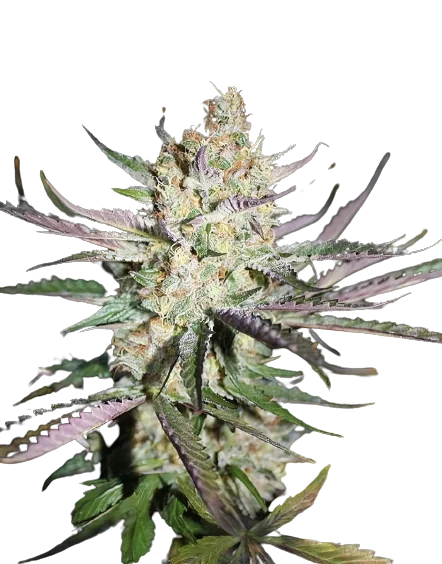
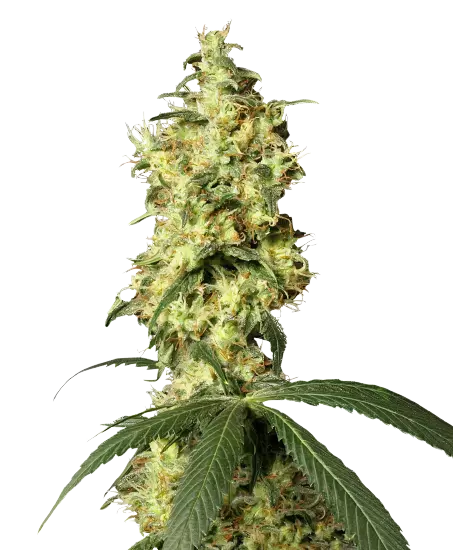
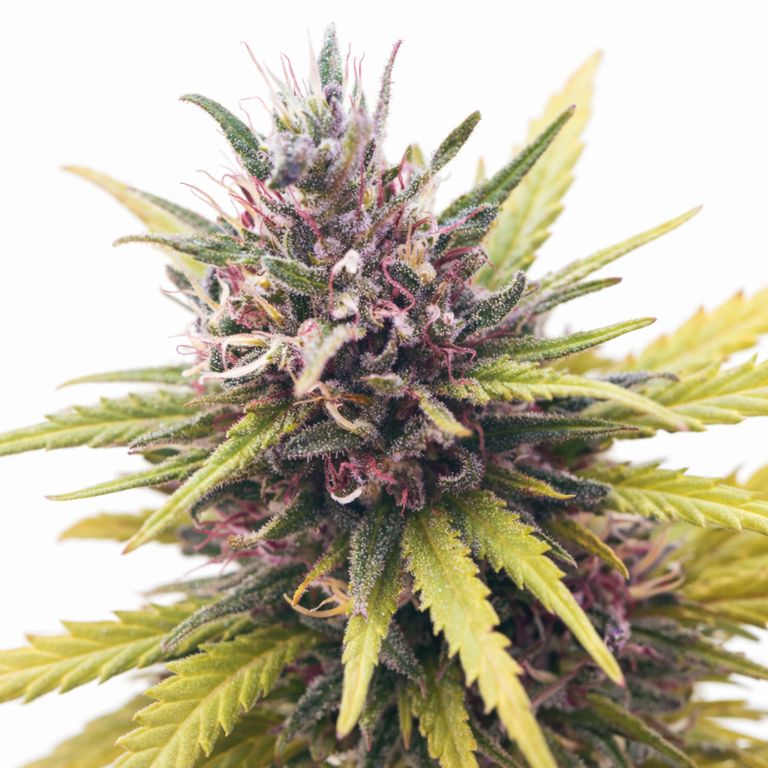
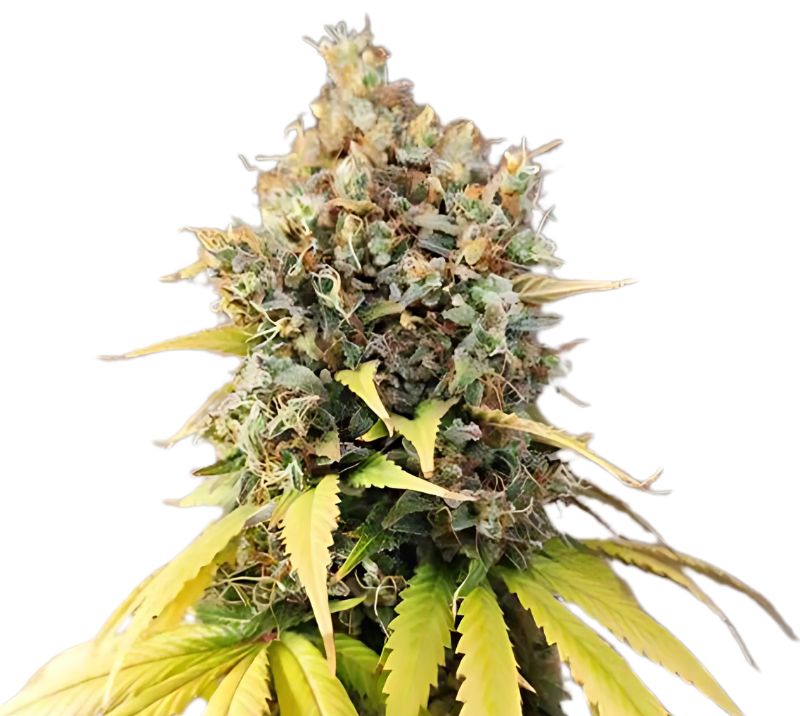
Star Tonic is an emerging medical cannabis strain lauded for its therapeutic properties, unique chemical composition, and well-rounded growth characteristics. Developed through meticulous crossbreeding, it has gained a reputation for its potential to address a range of medical conditions while offering a holistic, non-psychoactive approach to cannabis therapy. This strain represents the fusion of traditional herbal medicine with cutting-edge cultivation science, delivering a product tailored for health-focused applications.
Origins of Star Tonic
Star Tonic originated as a hybrid strain designed to harness the synergistic properties of high-CBD and balanced THC content. Its development was rooted in the increasing demand for medical cannabis strains that prioritize therapeutic effects over intoxicating experiences. A cross between the well-known strains Harlequin and Cannatonic, Star Tonic was bred to maximize cannabidiol (CBD) concentration while maintaining a mild presence of tetrahydrocannabinol (THC). This balance ensures medical efficacy without significant psychoactive side effects.
Harlequin, one of the parent strains, is known for its high CBD-to-THC ratio and origins in landrace genetics from Colombia, Thailand, and Switzerland. Cannatonic, the other parent, is recognized as a pioneer in CBD-dominant strains, often cited as the precursor for numerous therapeutic hybrids. The union of these two strains in Star Tonic brought forth a phenotype with enhanced stability, consistency, and medical potential.
The strain’s name reflects its therapeutic intent: “Star” symbolizes its excellence and multifaceted applications, while “Tonic” conveys its role as a remedy for diverse health concerns. Since its introduction, Star Tonic has been cultivated and refined to ensure consistency in its chemical profile, making it a reliable choice for patients and healthcare practitioners alike.
Chemical Profile

The chemical composition of Star Tonic is the cornerstone of its medical efficacy. This strain typically exhibits a CBD-to-THC ratio of approximately 20:1, though exact values may vary slightly depending on growing conditions and cultivation techniques. The dominance of CBD minimizes psychoactive effects, making it suitable for patients who require relief without cognitive impairment.
Cannabinoids
- CBD (Cannabidiol): CBD constitutes the majority of Star Tonic’s cannabinoid profile, often ranging between 12-18%. As a non-intoxicating compound, CBD interacts with the endocannabinoid system to regulate homeostasis. Its anti-inflammatory, analgesic, anxiolytic, and neuroprotective properties make it a versatile treatment option for numerous conditions.
- THC (Tetrahydrocannabinol): While present in small quantities (usually below 1%), THC plays a supportive role by enhancing the entourage effect. This interaction amplifies the therapeutic potential of CBD while remaining below thresholds that induce psychoactivity.
- CBG (Cannabigerol): Cannabigerol, often found in trace amounts in Star Tonic, contributes additional anti-inflammatory and neuroprotective benefits. Its presence underscores the strain’s suitability for treating chronic pain and neurological disorders.
Terpenes
Terpenes in Star Tonic not only contribute to its aromatic profile but also play a significant role in its medicinal properties. Prominent terpenes include:
- Myrcene: Known for its sedative and muscle-relaxant effects, myrcene enhances Star Tonic’s ability to relieve chronic pain and promote relaxation.
- Limonene: This citrus-scented terpene offers mood-enhancing and anxiolytic benefits, making it effective in managing stress and mild depressive symptoms.
- Beta-Caryophyllene: A unique terpene that also acts as a cannabinoid by binding to CB2 receptors, beta-caryophyllene provides potent anti-inflammatory and gastroprotective effects.
- Pinene: Pinene contributes to respiratory health and cognitive clarity, making Star Tonic particularly beneficial for patients with respiratory conditions or brain fog.
- Linalool: With its calming and anti-anxiety properties, linalool supports Star Tonic’s use in alleviating insomnia and anxiety disorders.
Medical Benefits
Star Tonic’s therapeutic potential stems from its unique combination of cannabinoids and terpenes, offering a wide range of medical benefits. Its applications span physical, psychological, and neurological domains, addressing both acute and chronic conditions.
Pain Management
Chronic pain is one of the primary indications for Star Tonic. The high CBD content works synergistically with myrcene and beta-caryophyllene to reduce inflammation and modulate pain signals. Patients with conditions such as arthritis, fibromyalgia, and neuropathy report significant relief without the side effects associated with opioids or NSAIDs. The strain’s mild THC content further enhances pain relief through its ability to modulate nociceptive pathways.
Anti-Inflammatory Effects
Inflammation underlies many chronic illnesses, including autoimmune diseases, gastrointestinal disorders, and cardiovascular conditions. Star Tonic’s CBD content inhibits pro-inflammatory cytokines, while beta-caryophyllene’s CB2 receptor activation provides targeted anti-inflammatory effects. Patients with conditions such as Crohn’s disease, ulcerative colitis, and lupus benefit from reduced symptoms and improved quality of life.
Anxiety and Stress Relief
Anxiety and stress disorders are increasingly common, often exacerbated by modern lifestyles. Star Tonic’s limonene and linalool content complement its high CBD levels to promote relaxation and reduce anxiety. Unlike pharmaceutical anxiolytics, Star Tonic does not carry a risk of dependency or significant side effects, making it a safer alternative for long-term use.
Neuroprotective Properties
Neurological disorders, including epilepsy, multiple sclerosis, and Parkinson’s disease, can significantly impact patients’ lives. Star Tonic’s CBD has demonstrated anticonvulsant and neuroprotective properties, helping to reduce the frequency and severity of seizures. The strain’s pinene content supports cognitive function, potentially mitigating symptoms of neurodegenerative conditions.
Insomnia and Sleep Disorders
Star Tonic is effective in managing insomnia and other sleep disturbances, thanks to the sedative properties of myrcene and linalool. By reducing anxiety and promoting relaxation, the strain helps patients achieve restful sleep without the grogginess associated with conventional sedatives.
Cardiovascular Health
Emerging research suggests that CBD may have cardioprotective effects by reducing blood pressure, managing stress responses, and mitigating inflammation. Star Tonic’s chemical profile supports vascular health, making it a promising adjunct in the management of hypertension and atherosclerosis.
Growing Conditions and Cultivation

Star Tonic’s cultivation is a meticulous process designed to preserve its therapeutic properties. It is a resilient strain that can thrive in both indoor and outdoor settings, although controlled environments yield the most consistent cannabinoid profiles.
Climate and Environment
Star Tonic prefers a Mediterranean climate, characterized by warm days and cool nights. When grown outdoors, it requires abundant sunlight and well-draining soil. Optimizing the production of cannabinoids and terpenes requires careful control over temperature, humidity, and light cycles, all of which may be achieved through indoor growing.
- Temperature: Optimal growth occurs at temperatures between 70-80°F (21-27°C) during the day and 65-70°F (18-21°C) at night.
- Humidity: During the vegetative stage, humidity levels of 50-60% are ideal. This should be reduced to 40-50% during flowering to prevent mold and mildew.
Nutrients
Star Tonic requires a balanced nutrient regimen to support its robust growth and high CBD production. Key nutrients include:
- Nitrogen (N): Vital for the formation of leaves and stems during the vegetative stage.
- Phosphorus (P): Encourages the growth of roots and flowers.
- Potassium (K): Promotes overall plant health and resistance to stress.
Micronutrients such as calcium, magnesium, and sulfur also play crucial roles in maintaining plant vitality.
Flowering Time and Yield
Star Tonic typically has a flowering time of 8-10 weeks. When grown indoors, yields average around 400-500 grams per square meter. Outdoor cultivation can produce higher yields, ranging from 500-700 grams per plant, depending on environmental conditions and care.
Pest and Disease Management
Although Star Tonic is a hardy strain, it is not immune to pests and diseases. Integrated Pest Management (IPM) strategies, including biological controls and organic treatments, are recommended to maintain plant health without compromising medical quality.
- Pests: Common threats include spider mites, aphids, and whiteflies.
- Diseases: Powdery mildew and root rot are potential risks, particularly in high-humidity environments.
Harvesting and Post-Harvest Processing
The timing of harvest is critical for preserving Star Tonic’s medical properties. Trichome maturity is the primary indicator; clear to milky trichomes signify peak cannabinoid levels. Post-harvest, the buds are dried, cured, and stored in controlled conditions to maintain potency and prevent degradation.
Restrictions on Using Star Tonic in the Medical Field and Ensuring Safe Application

The integration of Star Tonic into the medical field is accompanied by essential restrictions and guidelines to ensure its use remains ethical, safe, and strictly therapeutic. While this strain’s high cannabidiol (CBD) content and low tetrahydrocannabinol (THC) concentration make it an ideal candidate for medical applications, careful regulation is necessary to prevent misuse and maintain patient safety. This includes positioning it as a last-resort therapy in clinical contexts and monitoring THC levels in medications to eliminate unwanted psychoactive effects.
Restricted Use as a Last-Resort Treatment
To safeguard the integrity of medical cannabis therapy, Star Tonic is often recommended only as a last-resort option when conventional treatments fail or are contraindicated. This restriction reflects the cautious integration of cannabis-based medicines into broader healthcare systems, ensuring their use is evidence-based and carefully considered.
- Clinical Evaluation Prior to Prescription: Physicians are advised to explore all conventional treatments before prescribing Star Tonic. This includes evaluating the patient’s history, the severity of the condition, and the response to traditional therapies. For example, patients with chronic pain may only be eligible for Star Tonic therapy after trying first-line options such as physical therapy, NSAIDs, or opioids under controlled conditions.
- Avoiding Early Recourse to Cannabis: The decision to use Star Tonic as a last resort also helps prevent the premature reliance on cannabis-based therapies, which could overshadow established medical treatments. This aligns with the principle of responsible prescribing, wherein the least invasive and most thoroughly studied options are prioritized.
- Documentation and Oversight: Detailed documentation of the patient’s treatment journey is essential to justify the use of Star Tonic. Healthcare providers must maintain accurate records of prior therapies, patient outcomes, and the clinical rationale for prescribing cannabis-based medicine. This ensures accountability and supports the ongoing evaluation of medical cannabis efficacy.
Monitoring THC Levels to Prevent Psychoactive Effects
A defining feature of Star Tonic is its high CBD-to-THC ratio, typically around 20:1, which minimizes the risk of psychoactivity. However, even trace amounts of THC can have unintended effects, particularly in sensitive populations such as pediatric, geriatric, or psychiatric patients. Rigorous monitoring of THC levels is therefore critical to ensuring the safe and effective use of this strain in medical formulations.
- Regulatory Standards for THC Concentration: Many countries and healthcare systems impose strict limits on THC levels in medical cannabis products to reduce the risk of psychoactive effects. For Star Tonic-based medications, THC concentrations are often capped below 0.3-1%, depending on local regulations. This ensures that the therapeutic benefits of CBD are not overshadowed by adverse cognitive or psychological side effects.
- Standardized Testing Protocols: Comprehensive lab testing is required to verify the cannabinoid profile of Star Tonic products. This includes quantifying THC, CBD, and other cannabinoids to ensure compliance with regulatory standards. Testing must be conducted by accredited laboratories using validated methods such as high-performance liquid chromatography (HPLC).
- Formulation Precision: In pharmaceutical applications, Star Tonic is incorporated into carefully formulated products, such as capsules, oils, or creams, that allow precise dosing of cannabinoids. This precision is crucial for controlling THC exposure and tailoring treatments to individual patient needs.
- Impact on Vulnerable Populations: Monitoring THC levels is especially important for vulnerable populations. For example:
- Pediatrics: Children with conditions like epilepsy may benefit from CBD-rich therapies but are highly sensitive to THC, which could interfere with neurological development.
- Geriatrics: Elderly patients are more prone to adverse effects such as dizziness, confusion, or falls, necessitating strict THC control.
- Psychiatric Patients: Individuals with anxiety, schizophrenia, or other mental health disorders may experience exacerbated symptoms with THC exposure, making its limitation critical.
Ethical Considerations and Patient Education
The ethical use of Star Tonic in medical contexts requires transparency, informed consent, and patient education. These measures ensure that patients understand the rationale, potential risks, and benefits of using cannabis-based treatments.
- Informed Consent: Patients must be fully informed about the composition and effects of Star Tonic-based therapies, including the strict measures in place to control THC content. This gives patients the ability to choose their course of treatment with knowledge.
- Counseling on Expectations: Healthcare providers should counsel patients on the expected outcomes of Star Tonic therapy, emphasizing that its primary role is to manage symptoms rather than cure underlying conditions. Patients should also be advised that psychoactive effects are highly unlikely due to stringent THC monitoring.
- Education on Usage and Compliance: For patients prescribed Star Tonic, adherence to dosing guidelines is crucial to prevent unintended effects. Clear instructions on usage, storage, and the avoidance of unapproved modifications to the medication are necessary components of patient education.
Clinical and Research Oversight
The medical use of Star Tonic must be supported by ongoing research and clinical oversight to refine its applications and address any emerging concerns.
- Post-Market Surveillance: Healthcare systems should implement post-market surveillance programs to monitor the real-world efficacy and safety of Star Tonic-based products. This includes tracking patient outcomes, side effects, and compliance with THC limits.
- Research on Long-Term Effects: While CBD-rich strains like Star Tonic are generally considered safe, long-term studies are necessary to understand their effects on diverse patient populations. This research helps to refine treatment protocols and address any potential risks associated with extended use.
- Policy Review and Updates: Regulatory policies governing the use of Star Tonic should be regularly reviewed to incorporate new evidence and align with evolving best practices. This ensures that restrictions and monitoring measures remain relevant and effective.
Conclusion
Star Tonic represents a significant advancement in the medical application of cannabis, offering a powerful yet non-intoxicating alternative for patients suffering from a range of conditions. Its origins as a crossbreed of Harlequin and Cannatonic highlight the meticulous scientific efforts behind its development, aimed at delivering a strain with a high CBD-to-THC ratio. This balance ensures therapeutic efficacy while minimizing psychoactive effects, making it ideal for patients requiring relief without cognitive impairment.
The chemical profile of Star Tonic, rich in cannabidiol (CBD) and supported by terpenes such as myrcene, limonene, and beta-caryophyllene, underscores its diverse medical benefits. From chronic pain and inflammation to neurological disorders and anxiety, this strain demonstrates the versatility of cannabis as a plant-based therapeutic. Additionally, its potential to improve cardiovascular health and promote better sleep further enhances its appeal in holistic medical practices.
However, the use of Star Tonic in the medical field must be carefully regulated to ensure its safety and efficacy. Positioning it as a last-resort treatment emphasizes the importance of exploring traditional therapies before introducing cannabis-based options. This approach reflects a commitment to evidence-based medicine and prevents premature reliance on cannabis, allowing Star Tonic to fulfill its role as a complementary or alternative therapy for patients unresponsive to conventional treatments.
Monitoring THC levels is a critical component of the strain’s medical application. Ensuring that THC concentrations remain below psychoactive thresholds eliminates the risk of unintended effects, particularly in vulnerable populations such as children, the elderly, and psychiatric patients. The strain’s safety profile is further improved by exact formulations, stringent lab testing, and regulatory compliance, making it a dependable option for medical professionals.
Ethical considerations, including informed consent and patient education, play a vital role in the responsible use of Star Tonic. By equipping patients with clear information about its benefits and limitations, healthcare providers foster trust and encourage compliance with treatment protocols. Continued research and post-market surveillance are essential to refining its applications, addressing potential risks, and evolving its role in medical practice.
In conclusion, Star Tonic exemplifies the potential of cannabis-based medicine when used responsibly and with appropriate oversight. Its unique therapeutic properties, combined with stringent restrictions and monitoring, position it as a valuable tool in the medical arsenal, offering hope and relief to patients for whom conventional treatments fall short.