Medical Strain Analysis: Silver Haze CBD
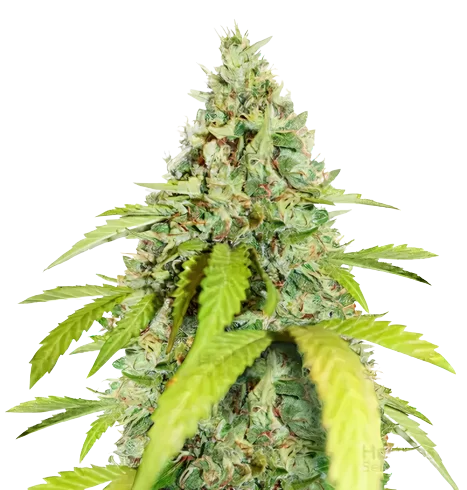
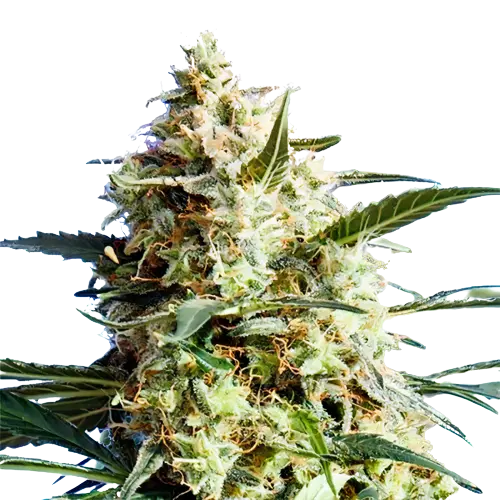
Silver Haze CBD is a strain known for its significant therapeutic potential, a reputation built on its unique chemical profile, genetic lineage, and targeted application in medical contexts. This strain represents the intersection of cutting-edge cultivation practices and the evolving understanding of cannabinoid pharmacology. By delving into its origins, chemical profile, therapeutic benefits, and growing conditions, we uncover why Silver Haze CBD stands out in the medical cannabis sphere.
Origins of Silver Haze CBD

Silver Haze CBD descends from a storied lineage, blending the genetics of the legendary Silver Haze with a CBD-dominant variety. The original Silver Haze, bred by Sensi Seeds, is itself a masterpiece of cannabis breeding, combining the euphoric and uplifting traits of Haze with other stable genetics to improve cultivation practicality. The infusion of high-CBD genetics into this lineage was a deliberate move to amplify the strain’s therapeutic properties while reducing the intoxicating effects typically associated with THC.
Silver Haze traces its roots to the equatorial sativa strains of Colombia, Mexico, and Thailand. These origins endowed the parent strain with vibrant terpene profiles and a characteristic uplifting effect. By crossing Silver Haze with CBD-rich genetics, breeders created a balanced hybrid capable of delivering the medicinal benefits of cannabinoids and terpenes without significant psychoactive interference. This blend makes Silver Haze CBD ideal for those seeking relief from medical conditions while maintaining full cognitive function.
Chemical Profile
The therapeutic efficacy of Silver Haze CBD lies in its robust chemical profile, where CBD predominates. On average, the strain features a CBD-to-THC ratio of 20:1 or higher, depending on cultivation methods. This composition ensures minimal psychoactivity, allowing patients to benefit from CBD’s pharmacological actions without the side effects of THC.
Cannabinoids
- CBD (Cannabidiol): The principal cannabinoid in Silver Haze CBD, cannabidiol exerts a wide range of therapeutic effects. CBD interacts with the endocannabinoid system (ECS), particularly the CB1 and CB2 receptors, to modulate pain, inflammation, and homeostasis. Its neuroprotective and anti-inflammatory properties make it a cornerstone of medical cannabis therapy.
- THC (Tetrahydrocannabinol): Present in trace amounts, THC in Silver Haze CBD plays a synergistic role. In low concentrations, THC can enhance the efficacy of CBD through the “entourage effect,” wherein cannabinoids and terpenes work together to amplify therapeutic outcomes without inducing significant psychoactivity.
- CBG (Cannabigerol): While present in minor quantities, cannabigerol supports antibacterial, anti-inflammatory, and neuroprotective benefits. Its role as a precursor to other cannabinoids enhances the overall pharmacological depth of the strain.
Terpenes
Terpenes contribute significantly to the therapeutic potential of Silver Haze CBD, offering both direct pharmacological benefits and enhanced cannabinoid activity. This strain’s main terpenes are:
- Myrcene: Known for its sedative and muscle-relaxing effects, myrcene can assist patients experiencing chronic pain, muscle spasms, or anxiety.
- Limonene: This citrus-scented terpene has mood-enhancing and anti-anxiety properties. It also supports the immune system and may exhibit anti-cancer activity.
- Caryophyllene: A terpene with anti-inflammatory and analgesic properties, caryophyllene uniquely interacts with CB2 receptors, making it highly relevant for treating conditions like arthritis or chronic pain.
- Pinene: With bronchodilatory and anti-inflammatory properties, pinene aids respiratory health and cognitive function.
Flavonoids
Although less emphasized, flavonoids in Silver Haze CBD complement its therapeutic profile. These compounds, such as cannflavin A and quercetin, possess anti-inflammatory and antioxidant properties, further supporting their use in medical contexts.
Medical Benefits

Silver Haze CBD’s comprehensive chemical profile makes it versatile for addressing a wide range of medical conditions. Its high CBD content, supported by a synergistic entourage of cannabinoids and terpenes, lends it efficacy across numerous therapeutic domains.
Pain Management
One of the most common applications for Silver Haze CBD is chronic pain management. CBD’s interaction with the ECS modulates pain signals by influencing CB2 receptors, which are abundant in peripheral tissues and immune cells. The addition of anti-inflammatory terpenes like caryophyllene enhances this effect, offering relief to patients with conditions such as fibromyalgia, arthritis, or neuropathy.
Anxiety and Stress
Silver Haze CBD is particularly effective in treating anxiety disorders due to its ability to regulate serotonin levels. By interacting with 5-HT1A serotonin receptors, CBD induces a calming effect without the sedative properties of traditional anxiolytics. This strain is appropriate for treating social anxiety, PTSD, and generalized anxiety disorder since it contains limonene and myrcene, which further aid in stress relief.
Inflammatory Conditions
Inflammation is a common underlying factor in many chronic diseases, including Crohn’s disease, rheumatoid arthritis, and multiple sclerosis. Silver Haze CBD’s anti-inflammatory properties are mediated through its impact on cytokine production and immune cell signaling. Terpenes like myrcene and caryophyllene enhance these effects, providing a multi-faceted approach to inflammation management.
Neuroprotective Applications
The neuroprotective potential of Silver Haze CBD makes it an excellent option for neurodegenerative disorders like Alzheimer’s disease, Parkinson’s disease, and multiple sclerosis. CBD’s antioxidative properties help combat oxidative stress, a key driver of neuronal damage. Additionally, its ability to regulate calcium homeostasis and mitochondrial function provides further protection for nerve cells.
Seizure Disorders
CBD’s anticonvulsant properties have gained widespread recognition, particularly in the treatment of conditions like epilepsy and Dravet syndrome. Silver Haze CBD delivers these benefits without the risk of psychoactivity, making it suitable for pediatric and elderly patients.
Cancer Symptom Management
Although not a cure, Silver Haze CBD is valuable in managing symptoms associated with cancer and its treatment. Its antiemetic properties alleviate nausea and vomiting caused by chemotherapy, while its analgesic effects help manage cancer-related pain. Emerging research also suggests potential anti-tumor properties, particularly through apoptosis induction and inhibition of angiogenesis.
Sleep Disorders
While Silver Haze CBD is not inherently sedative, its calming and muscle-relaxing effects can support improved sleep quality. Patients with insomnia stemming from chronic pain or anxiety may find this strain particularly beneficial.
Growing Conditions
Cultivating Silver Haze CBD requires meticulous attention to environmental factors to maximize its therapeutic properties. As a hybrid with a sativa-leaning profile, it thrives in conditions that mimic its tropical origins.
Climate and Temperature
Silver Haze CBD prefers a warm, sunny climate with consistent temperatures between 70–85°F (21–29°C). Outdoor cultivation in temperate or Mediterranean climates yields optimal results. Indoor cultivation can replicate these conditions with precise climate control, ensuring uniform growth and cannabinoid production.
Lighting
As a sativa-dominant strain, Silver Haze CBD benefits from ample light exposure. Indoor growers should provide at least 18–20 hours of light during the vegetative stage and 12 hours during flowering. To replicate natural sunshine, high-intensity discharge (HID) lamps or full-spectrum LED lights are advised.
Soil and Nutrients
Well-aerated, nutrient-rich soil with balanced pH levels (6.0–7.0) supports robust growth. Organic amendments, such as compost or worm castings, provide essential nutrients while enhancing soil health. A well-balanced nutrition schedule that prioritizes nitrogen during the vegetative phase and phosphorus and potassium during flowering guarantees the best possible synthesis of terpenes and cannabinoids.
Watering and Humidity
Consistent watering is critical, but overwatering should be avoided to prevent root rot. Humidity levels should be maintained at 40–50% during flowering to prevent mold and mildew, particularly given the dense flower structures of Silver Haze CBD.
Pest and Disease Management
Silver Haze CBD is moderately resistant to pests and diseases, but proactive measures are essential. Natural pest deterrents, such as neem oil or beneficial insects like ladybugs, can safeguard plants from infestations. Regular inspection for signs of powdery mildew or nutrient deficiencies ensures healthy growth.
Flowering Time and Yield
Silver Haze CBD typically flowers within 9–11 weeks. The production varies according to the conditions of cultivation; plants grown outdoors can generate up to 600 grams per plant, while indoor setups typically yield 400–500 grams per square meter. Proper curing post-harvest preserves the strain’s therapeutic properties, ensuring high-quality cannabinoid and terpene profiles.
Implications for Medical Cannabis
Silver Haze CBD exemplifies the potential of cannabis in the medical field. Its targeted therapeutic benefits address diverse health conditions, from chronic pain and inflammation to neurological disorders and anxiety. The low THC content ensures accessibility to a broader demographic, including those who may be sensitive to psychoactive effects.
The strain also highlights the importance of precision in cannabis cultivation and formulation. By tailoring growing conditions and extraction processes, cultivators can optimize the therapeutic potential of Silver Haze CBD. This capability underscores the evolving role of cannabis as a pharmaceutical-grade treatment rather than a generalized remedy.
Restrictions on Using Silver Haze CBD in the Medical Field and as a Last Resort

The medical adoption of cannabis strains like Silver Haze CBD is subject to strict regulatory and ethical considerations. While the strain offers significant therapeutic potential due to its high CBD and low THC content, its use in the medical field is often restricted to cases where conventional treatments have proven ineffective. Moreover, stringent monitoring of THC levels in medications derived from Silver Haze CBD is essential to prevent psychoactive effects and ensure patient safety. Below, we explore these restrictions in detail and their implications for clinical practice.
Medical Use as a Last Resort
Silver Haze CBD, like other cannabis-based treatments, is often classified as a second- or third-line therapy. This categorization reflects the cautious approach many healthcare systems and practitioners adopt when integrating cannabis into medical protocols. The following factors contribute to this restriction:
- Limited Robust Clinical Evidence: Although preclinical and early clinical research suggests significant therapeutic benefits of CBD, large-scale, long-term studies are still lacking. As a result, healthcare professionals prioritize established treatments with a stronger evidence base before considering cannabis-based therapies like Silver Haze CBD.
- Potential for Drug Interactions: CBD can interact with other medications metabolized by the cytochrome P450 enzyme system. This interaction may alter the efficacy or safety profile of concurrent treatments, necessitating careful consideration and often relegating cannabis to a last-resort option.
- Stigma and Regulatory Barriers: Despite growing acceptance of medical cannabis, lingering societal stigma and complex legal frameworks contribute to the hesitancy surrounding its use. Many regulatory bodies require that cannabis-based treatments, including Silver Haze CBD, be prescribed only after all other conventional therapies have failed.
- Patient-Specific Considerations: Physicians often reserve cannabis treatments for patients who cannot tolerate the side effects of standard medications or for whom conventional options have failed to provide adequate relief. This ensures that cannabis remains a carefully targeted intervention rather than a generalized remedy.
Monitoring THC Levels to Prevent Psychoactive Effects
Although Silver Haze CBD is bred to contain minimal THC, stringent monitoring is crucial to eliminate the risk of unintended psychoactive effects. THC, even in small amounts, can affect patients’ cognitive function, mood, and motor skills, making its regulation a central concern in medical cannabis applications.
Importance of Low THC Content
Silver Haze CBD’s appeal lies in its high CBD-to-THC ratio, typically 20:1 or higher. This ratio minimizes the psychoactive properties of THC while preserving the therapeutic benefits of CBD. Monitoring and maintaining this balance is vital for the following reasons:
- Patient Safety: Many patients, especially those new to cannabis-based treatments, may be sensitive to THC’s effects. Ensuring low THC levels prevents adverse reactions, including dizziness, anxiety, or impaired coordination.
- Consistency in Therapeutic Outcomes: Variations in THC levels can lead to inconsistent effects, undermining the reliability of Silver Haze CBD as a medical treatment. Rigorous quality control during cultivation, extraction, and formulation ensures that THC remains within acceptable limits.
- Legal Compliance: Regulations governing medical cannabis often impose strict THC thresholds for products, particularly in jurisdictions where cannabis remains tightly controlled. Adhering to these limits is essential to avoid legal repercussions and maintain public trust.
Monitoring Mechanisms
To ensure that THC levels remain negligible in Silver Haze CBD-based medications, several monitoring mechanisms are employed:
- Genetic Stabilization: Breeders carefully select and stabilize strains to maintain the desired cannabinoid profile. Regular genetic testing verifies the consistency of Silver Haze CBD’s high CBD and low THC content.
- Laboratory Testing: Third-party laboratories analyze cannabinoid concentrations in raw plant material and finished products. Certificates of analysis (COAs) provide transparency and assurance that THC levels fall within permissible limits.
- Standardized Cultivation Practices: Cultivators adhere to strict protocols regarding soil composition, light exposure, and nutrient regimens, minimizing environmental factors that could influence THC production.
- Pharmaceutical-Grade Processing: During extraction and formulation, manufacturers use advanced techniques to isolate and purify cannabinoids. This step ensures that THC levels remain below psychoactive thresholds while preserving the therapeutic components of CBD.
Ethical and Clinical Considerations
The restrictions on Silver Haze CBD’s use in medical settings reflect broader ethical and clinical considerations. Physicians must balance the potential benefits of cannabis-based treatments with the need to minimize risks and adhere to established medical standards. These considerations include:
- Informed Consent: Patients must be fully informed about the risks and benefits of using Silver Haze CBD, including the potential for minor THC-related effects and the experimental nature of cannabis-based therapies.
- Dosing Precision: Achieving the desired therapeutic outcome requires precise dosing, which can be challenging due to variability in cannabinoid absorption and metabolism. Monitoring THC levels helps standardize dosing and reduce variability.
- Ongoing Monitoring and Evaluation: Patients prescribed Silver Haze CBD are closely monitored to assess its efficacy and side effects. This ongoing evaluation ensures that the therapy remains appropriate and effective over time.
Implications for Future Medical Use
The restrictions on Silver Haze CBD’s medical use and the emphasis on THC monitoring highlight the evolving nature of cannabis integration into healthcare. As research expands and regulatory frameworks adapt, these restrictions may be adjusted to reflect a more nuanced understanding of cannabis pharmacology. Future advancements in breeding and processing technology could further reduce THC levels, enhancing the strain’s safety profile and broadening its accessibility in medical contexts.
Conclusion: Silver Haze CBD in Medical Use
Silver Haze CBD represents a remarkable advancement in medical cannabis, offering a therapeutic option that prioritizes efficacy while minimizing psychoactive effects. Its origins as a hybrid strain, meticulously developed through genetic refinement, underline the potential for cannabis to be tailored for medical applications. With a chemical profile dominated by cannabidiol (CBD) and supported by terpenes and flavonoids, the strain provides a wide range of therapeutic benefits, from pain and inflammation relief to anxiety management and neuroprotection.
Despite its promise, the use of Silver Haze CBD is not without restrictions. It is often employed as a last resort in medical treatments, reserved for patients who have not found relief with conventional therapies. This approach ensures that cannabis-based treatments are applied judiciously, respecting both regulatory frameworks and ethical considerations. The requirement for informed consent, precise dosing, and ongoing monitoring reflects the commitment to patient safety and the responsible integration of cannabis into healthcare.
Furthermore, the strict monitoring of THC levels in Silver Haze CBD medications is essential to maintaining its therapeutic focus. By ensuring minimal THC content, this strain delivers effective medical benefits without the risk of psychoactive side effects. This attention to THC regulation also aligns with legal requirements and enhances public trust in cannabis-based treatments.
Cultivation practices for Silver Haze CBD emphasize consistency and quality, ensuring that its chemical profile remains stable across production cycles. These practices, combined with advanced laboratory testing and pharmaceutical-grade processing, exemplify the rigor required to elevate cannabis to the level of a reliable medical intervention.
In summary, Silver Haze CBD is a potent example of the potential of cannabis in modern medicine. It bridges the gap between traditional botanical remedies and contemporary pharmacology, offering hope to patients with chronic and debilitating conditions. While its use is currently governed by significant restrictions, ongoing research and advancements in cannabis science may further expand its role in healthcare. With its therapeutic versatility, minimal psychoactive effects, and alignment with medical standards, Silver Haze CBD serves as a beacon for the future of cannabinoid-based treatments.